
Keeping your species-specific aquarium clean is more important than you might think. If you want your fish and aquatic creatures to thrive, a proper tank cleaning routine tailored to their unique needs is key.
You might wonder why regular cleaning isn’t enough or how to avoid harming your delicate species during the process. You’ll discover simple, effective ways to maintain a healthy environment that keeps your aquatic pets happy and vibrant. Ready to unlock the secrets of perfect tank care for your special aquarium?
Let’s dive in.
Choosing The Right Cleaning Tools
Keeping your aquarium clean is key to healthy fish and plants. Picking the right tools helps you clean safely and well.
Different tanks and species need special care. Use tools made for your tank type and its inhabitants.
Tools For Freshwater Tanks
Freshwater tanks have many cleaning tools. Some help remove algae, others clear the gravel or change water.
- Algae scrapers for glass and acrylic surfaces
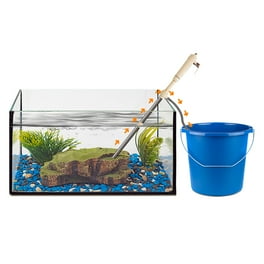
- Gravel vacuum to clean substrate and remove debris
- Magnetic scrubbers for hard-to-reach places
- Water siphon for easy water changes
- Soft brushes for delicate plants and decorations
Tools For Saltwater Tanks
Saltwater tanks need special tools to handle salt buildup and coral care. These tools keep the tank clean without harming sensitive creatures.
| Tool | Use | Notes |
| Calcium scraper | Removes calcium deposits | Gentle on coral surfaces |
| Algae magnet cleaner | Scrapes glass walls | Use soft pads to avoid scratches |
| Protein skimmer | Removes organic waste | Improves water quality |
| Water change pump | Transfers saltwater safely | Prevents spills and mixing |
Specialized Equipment For Sensitive Species
Some species need very gentle cleaning tools. These tools protect fragile fish and plants from stress and injury.
Recommended tools for sensitive species include:
- Soft silicone brushes for delicate skin
- Fine mesh nets to avoid harm
- Hand siphons for careful water changes
- Non-abrasive sponges for tank surfaces
Safe Cleaning Techniques
Cleaning a species-specific aquarium requires special care. Using safe techniques is important to keep aquatic life healthy. Let’s explore how to clean tanks without causing harm.
These methods ensure your aquarium stays clean and your fish remain safe. Follow these guidelines to maintain a balanced aquatic environment.
Avoiding Harmful Chemicals
Choose cleaning products free from harmful chemicals. This prevents damage to fish and plants. Chemical-free cleaning supports a healthy tank environment.
- Use vinegar for cleaning glass surfaces.
- Avoid using soap or detergent inside the tank.
- Opt for aquarium-safe cleaning tools.
Maintaining Beneficial Bacteria
Beneficial bacteria are vital for a healthy aquarium. They help break down waste and maintain water quality. Protect these bacteria during cleaning.
Avoid cleaning the filter and substrate at the same time. This keeps beneficial bacteria intact.
Gentle Cleaning For Fragile Species
Some species are more delicate and need gentle care. Use soft cleaning tools to avoid stress and injury to fragile fish.
| Species | Cleaning Tool |
| Betta Fish | Soft sponge |
| Neon Tetras | Gentle brush |
| Angelfish | Microfiber cloth |
Frequency Of Cleaning
Cleaning your species-specific aquarium often keeps fish healthy. Different species need different care levels.
Regular cleaning stops waste build-up and keeps water safe. This helps fish live longer and stay active.
Daily Maintenance Tips
Check the tank every day to spot problems early. Remove leftover food to avoid water pollution.
Look at fish behavior and tank equipment. Make sure filters and heaters work well.
- Remove uneaten food
- Check water temperature
- Clean glass surfaces if needed
- Observe fish for stress or illness
Weekly Deep Cleaning
Once a week, change part of the water to keep it fresh. Clean the substrate by vacuuming gravel or sand.
Rinse filter parts with tank water. Avoid using soap to keep beneficial bacteria alive.
- Change 10-20% of water
- Vacuum the tank bottom
- Clean filter parts gently
- Trim dead plants or algae
Adjusting Based On Species Needs
Some fish produce more waste, needing more cleaning. Others are sensitive and require gentle care.
Research your fish species to learn how often to clean. Change cleaning times based on fish health and tank size.
- High waste species: clean more often
- Sensitive species: avoid strong water changes
- Small tanks: clean more frequently
- Large tanks: can clean less often but monitor closely

Credit: www.reddit.com
Water Quality Management
Keeping water clean is very important for species-specific aquariums. Good water quality helps fish stay healthy and active.
Proper tank cleaning and care keep the water safe for your aquatic pets. This guide covers key steps to manage water quality.
Monitoring Ph And Temperature
Check the pH level of the water regularly. Different fish species need different pH ranges to live well.
Keep the tank temperature steady. Sudden changes can stress or harm the fish.
- Use a reliable pH test kit once a week
- Measure water temperature daily with a thermometer
- Adjust heater or cooler to keep temperature stable
Proper Water Changes
Change the water regularly to remove waste and toxins. This keeps the environment clean and healthy.
Replace about 10-20% of the water weekly. Use water that matches the tank’s temperature and pH.
- Turn off filters before water changes
- Use a siphon to clean the tank bottom
- Add new water slowly to avoid stress
Using Conditioners And Treatments
Use water conditioners to remove chlorine and harmful chemicals from tap water. This makes water safe for fish.
Treat the tank if you see signs of disease. Follow instructions carefully to protect your species-specific aquarium.
- Add dechlorinator before adding new water
- Use medication only if fish show illness
- Keep water clean to prevent infections
Handling Algae And Waste
Keeping a species-specific aquarium clean is important for your fish’s health. Algae and waste can build up quickly if not managed well.
Regular cleaning helps maintain clear water and a safe environment for your aquatic pets.
Algae Control Strategies
Algae grow fast in tanks with too much light or nutrients. It can cover the glass and decorations.
Control algae by reducing light hours and keeping nutrient levels low.
- Use a timer to limit aquarium light to 8-10 hours daily
- Do not overfeed fish to reduce leftover nutrients
- Clean tank walls with an algae scraper regularly
- Consider adding algae-eating fish or snails suitable for your species
Removing Uneaten Food
Uneaten food breaks down and pollutes the water. It causes bad smells and harms fish health.
Remove leftover food after feeding to keep the tank clean.
- Feed fish small amounts they can eat in 2-3 minutes
- Use a siphon or net to remove uneaten food daily
- Adjust feeding amount based on fish appetite
- Feed at consistent times to monitor food intake
Dealing With Fish Waste
Fish produce waste that settles in the tank or floats in water. Waste adds harmful chemicals.
Regular cleaning and filtration reduce waste buildup and keep fish healthy.
- Perform partial water changes weekly to remove waste
- Use a good filter rated for your tank size
- Vacuum the substrate to clean fish waste from gravel or sand
- Monitor water quality with test kits for ammonia and nitrite
Preventing Disease Through Cleaning
Cleaning your species-specific aquarium helps keep your fish healthy. Dirt and waste can cause diseases.
Regular cleaning removes harmful germs and keeps the water safe for your aquatic pets.
Identifying Early Signs
Watch your fish daily for changes in behavior or appearance. Early signs help catch illness fast.
- Look for faded colors or spots on the fish
- Notice if fish swim oddly or stay still
- Check for torn fins or clamped fins
- Observe if fish lose appetite
- Watch for breathing problems or gasping
Sanitizing Without Stress
Use gentle cleaning methods to avoid stressing your fish. Stress weakens their immune system.
| Cleaning Step | Best Practice |
| Water Change | Change 10-20% weekly with dechlorinated water |
| Filter Cleaning | Rinse filter media in tank water, not tap water |
| Gravel Cleaning | Use siphon to remove debris without removing all beneficial bacteria |
| Decorations | Clean with soft brush in tank water only |
Quarantine Practices
Keep new fish in a separate tank before adding them to the main aquarium. This stops disease spread.
- Set up a small tank with heater and filter
- Observe new fish for two weeks
- Feed normally and watch for signs of illness
- Do not mix with main tank until healthy
Customizing Cleaning For Popular Species
Cleaning an aquarium is important to keep fish healthy. Different species need special care during tank cleaning.
Adjusting cleaning methods can help avoid stress and harm to your aquatic pets. Each tank type has unique needs.
Tropical Fish Tanks
Tropical fish like warm, clean water. Regular water changes keep the tank safe for them.
Use a gentle vacuum to remove waste without disturbing plants or fish. Check water temperature after cleaning.
- Change 10-20% of water weekly
- Clean filters monthly
- Remove leftover food daily
Cichlid Aquariums
Cichlids produce more waste than many fish. Clean their tanks more often to keep water quality high.
Use strong filtration and vacuum gravel carefully. Avoid changing too much water at once to prevent stress.
- Change 20-30% of water weekly
- Gravel vacuum twice a month
- Maintain stable pH levels
Reef Tanks
Reef tanks need gentle cleaning. Corals and invertebrates are sensitive to water changes and chemicals.
Remove algae carefully and test water for calcium and salinity after cleaning. Use only reef-safe products.
- Change 10% of water biweekly
- Clean glass without harsh scrubbing
- Test water parameters often
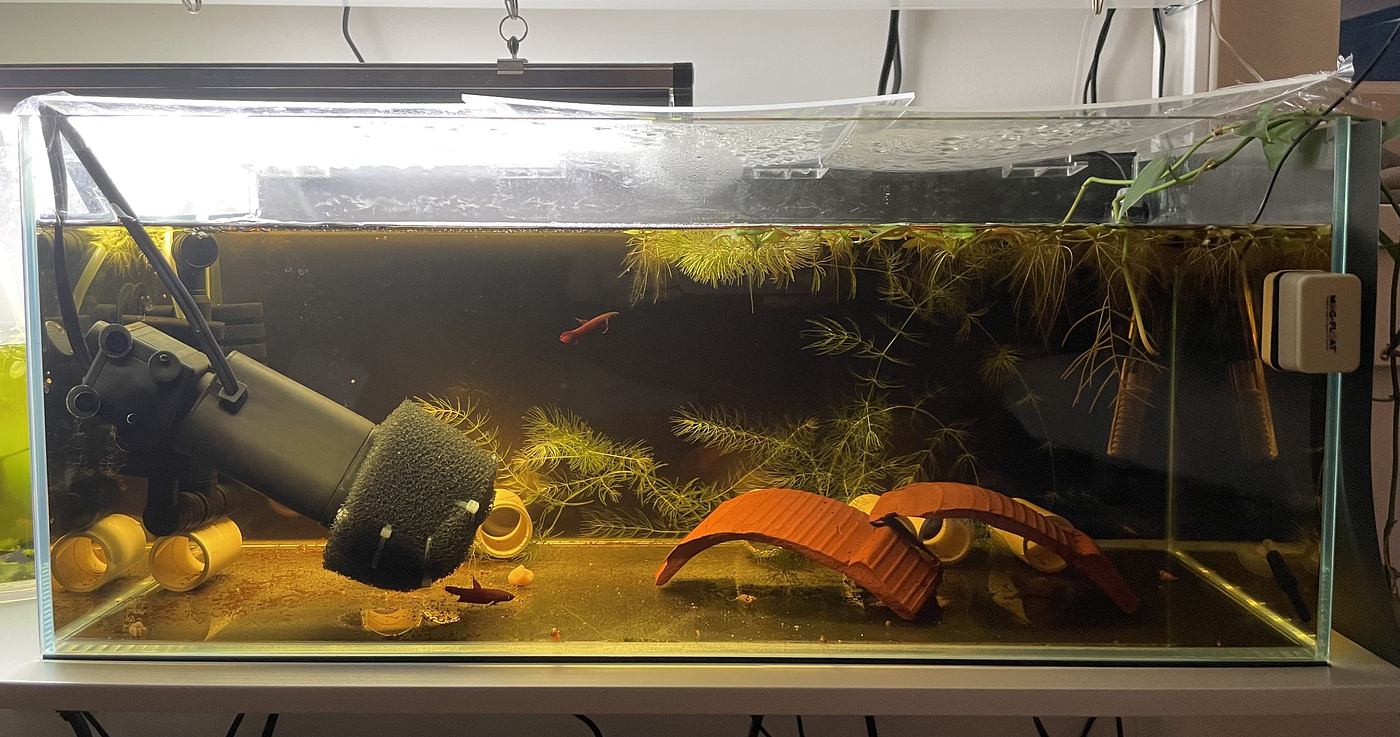
Planted Tanks
Plants need clean water but also nutrients. Avoid over-cleaning to keep beneficial bacteria alive.
Trim dead leaves and vacuum lightly around roots. Keep water changes moderate to protect plants.
- Change 15-25% of water weekly
- Trim plants regularly
- Use nutrient-rich substrate
Credit: www.walmart.com
Credit: medium.com
Frequently Asked Questions
What Is Species-specific Tank Cleaning?
Species-specific tank cleaning involves tailoring maintenance to the needs of particular aquatic species. It considers factors like water parameters and habitat to ensure the health of the fish and plants.
How Often Should I Clean Species-specific Aquariums?
Cleaning frequency depends on the species and tank size. Generally, partial water changes and substrate cleaning every 1-2 weeks maintain optimal conditions without stressing the inhabitants.
What Cleaning Tools Are Best For Species-specific Tanks?
Use soft brushes, algae scrapers, and siphons suited for delicate species. Avoid harsh chemicals and abrasive tools to protect sensitive fish and plants.
Why Is Water Parameter Monitoring Crucial In Tank Cleaning?
Monitoring keeps water conditions stable and safe for specific species. Parameters like pH, ammonia, and nitrate levels guide cleaning and water changes to prevent stress and disease.
Conclusion
Keeping your species-specific aquarium clean helps fish stay healthy and happy. Regular tank cleaning removes dirt and harmful germs. It also keeps water clear and fresh. Clean tanks reduce stress for your aquatic pets. Simple tasks like changing water and wiping surfaces make a big difference.
Each species needs slightly different care, so pay attention to their needs. A clean tank means a beautiful and safe home for your fish. Stick to a routine, and your aquarium will thrive. Clean tanks create a better life for your underwater friends.