
When summer heat hits, keeping your space cool can feel like a constant battle. But what if there was a simple way to make your cooling system work smarter, not harder?
Summer water circulation for cooling is a powerful method that can help you stay comfortable without skyrocketing your energy bills. You’ll discover how this technique works and why it might be exactly what your home or business needs to beat the heat efficiently.
Ready to unlock cooler days and nights? Let’s dive in.
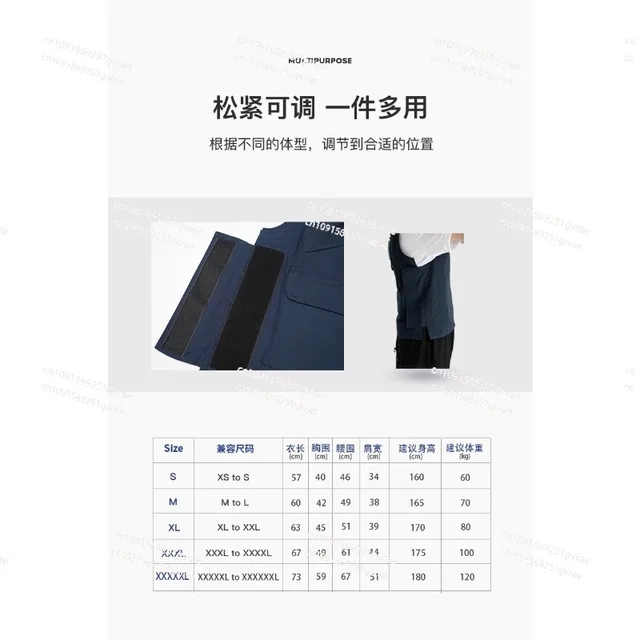
Credit: www.aliexpress.com
Benefits Of Water Circulation In Summer
Water circulation helps keep areas cool during hot summer days. It moves water to lower the temperature effectively.
This process supports various cooling systems and improves comfort in homes and outdoor spaces.
Improved Cooling Efficiency
Circulating water cools spaces faster by spreading cool water evenly. It stops hot spots from forming and keeps the temperature steady.
- Water moves heat away quickly
- Cooling systems work without strain
- Reduces the chance of overheating
Energy Savings
Using water circulation lowers the power needed for cooling devices. This saves energy and cuts down on bills.
| Cooling Method | Energy Use |
| No Water Circulation | High |
| With Water Circulation | Low |
Enhanced Comfort Levels
Water circulation keeps the air fresh and cool. It reduces stuffiness and helps people feel comfortable.
Benefits of better comfort include:
- Even temperature throughout rooms
- Less humidity and dampness
- Improved air quality

Credit: jlmmarine.com
Types Of Water Circulation Systems
Water circulation systems help cool spaces during hot summer days. They move water to carry heat away. Different types of systems use various methods to circulate water.
Choosing the right system depends on the location, cost, and energy use. Below are the main types of water circulation systems for cooling.
Passive Circulation Methods
Passive circulation uses natural forces like gravity and temperature differences. These systems do not need pumps or electricity.
- Thermosiphon: Hot water rises and cold water sinks, creating a flow.
- Gravity Flow: Water moves from a higher to a lower point naturally.
- Capillary Action: Water moves through small tubes or porous materials.
Active Circulation Systems
Active systems use pumps to move water quickly and evenly. They require energy but offer more control over flow rates.
| System Type | Power Source | Main Use |
| Centrifugal Pump | Electric | Large-scale cooling |
| Submersible Pump | Electric | Deep water circulation |
| Solar-Powered Pump | Solar Energy | Energy-efficient cooling |
Hybrid Approaches
Hybrid systems combine passive and active methods. They optimize energy use while maintaining good water flow.
Example of Hybrid Features:
- Using gravity flow to reduce pump work
- Automatic sensors to start pumps only when needed
- Mixing solar power with electric pumps
Key Components Of Cooling Systems
Cooling systems use water to carry heat away from machines and buildings. The system moves water through parts that help lower temperatures.
These systems rely on several important parts that work together to keep water flowing and cool.
Pumps And Motors
Pumps move water through the cooling system. Motors power the pumps to keep water flowing at the right speed. Both must be strong and reliable to work well.
- Pumps create water flow and pressure.
- Motors drive the pumps using electricity.
- Proper size ensures enough water moves through.
- Energy-efficient motors save power.
Pipes And Valves
Pipes carry water between parts of the cooling system. Valves control the water flow by opening or closing. Both must be made from strong materials to avoid leaks.
| Component | Function | Material |
|---|---|---|
| Pipes | Transport water | Copper, steel, PVC |
| Valves | Control water flow | Brass, stainless steel |
Heat Exchangers
Heat exchangers transfer heat from water to air or another fluid. They help cool the water before it returns to the system. They must have large surfaces to cool efficiently.
| Type | Use |
|---|---|
| Shell and Tube | Industrial cooling |
| Plate | Compact spaces |
| Air Cooled | Outdoor systems |
Installation Tips For Optimal Flow
Summer water circulation helps keep your space cool. Proper installation ensures water flows well.
This guide covers key tips to install your system for the best cooling performance.
Proper Pump Sizing
Choose a pump that matches your system size. A pump too small lowers water flow.
A pump too large wastes energy and can cause pressure problems in pipes.
- Check the total distance water must travel
- Calculate required flow rate in gallons per minute (GPM)
- Select a pump with the right pressure and flow specs
Pipe Layout Planning
Plan pipe routes to avoid sharp bends and long runs. These reduce flow speed.
Use larger pipes for longer distances to keep water moving smoothly.
- Keep pipes as straight as possible
- Use smooth joints and fittings
- Place valves for easy control and maintenance
Regular Maintenance Routines
Clean filters and check pumps often. Blockages reduce water flow and cooling.
Inspect pipes for leaks and fix them quickly to keep pressure steady.
- Flush the system to remove debris
- Lubricate pump parts if needed
- Test flow rate to ensure it meets design levels
Common Challenges And Solutions
Summer water circulation systems help keep cooling systems efficient. These systems face common problems that reduce their performance.
Understanding these issues and their fixes can improve system life and save energy.
Preventing Stagnation
Water can stop moving in parts of the system. This causes bacteria and algae to grow. It also reduces cooling efficiency.
Regular water flow and cleaning keep water fresh and clear. Circulation pumps should run often to avoid still water.
- Use timers to run pumps regularly
- Clean tanks and pipes every few months
- Check for blockages that stop water flow
Avoiding Overheating
Water temperature can rise too high in hot weather. Overheated water reduces the cooling system’s power. It may cause damage.
Shade water tanks and use cool water sources. Make sure the system releases heat properly to keep water cool.
- Install shading or covers on tanks
- Use heat exchangers to cool water
- Ensure good airflow around system parts
Dealing With Scale And Corrosion
Minerals in water cause scale build-up inside pipes and parts. Corrosion can damage metal components. Both reduce system life.
Use water treatments and regular inspections to control scale and corrosion. Replace damaged parts quickly to avoid bigger problems.
- Apply anti-scale chemicals as needed
- Use corrosion-resistant materials
- Inspect pipes and parts every season
- Flush the system to remove deposits
Smart Controls And Automation
Summer water circulation systems use smart controls to keep cooling efficient. Automation helps manage the flow and temperature without manual work.
These systems adjust settings based on real-time data. This saves energy and maintains comfortable temperatures.
Temperature Sensors
Temperature sensors track water and air temperatures continuously. They send data to the control system to keep the cooling balanced.
Sensors help avoid overheating or overcooling. The system adjusts water flow based on these readings.
Flow Rate Adjustments
Automated flow rate controls change water speed to optimize cooling. This prevents waste and improves system life.
- Increase flow when temperature rises
- Reduce flow during cooler times
- Balance flow to save water and energy
- Automatically react to sensor inputs
Remote Monitoring Options
Remote monitoring lets users check system status from anywhere. It shows temperature, flow rates, and alerts on devices.
| Feature | Benefit |
| Live Data Access | See current system info instantly |
| Alerts and Notifications | Know about issues quickly |
| Control Interface | Adjust settings remotely |
Environmental Impact And Sustainability
Summer water circulation systems help cool buildings. They have a big impact on the environment. Sustainable practices make these systems better for our planet.
Using less energy and water makes cooling systems eco-friendly. This helps save natural resources and protect ecosystems.
Water Conservation Techniques
Water is precious. Conserving it helps the environment. Cooling systems can use water more efficiently.
- Install low-flow valves to reduce water usage
- Use recycled water for cooling purposes
- Implement rainwater harvesting systems
Energy-efficient Components
Using energy wisely saves money and resources. Energy-efficient components make cooling systems more sustainable.
- Use variable-speed pumps to adjust flow rates
- Choose energy-efficient fans and motors
- Install high-efficiency heat exchangers
Eco-friendly Cooling Alternatives
Some cooling methods are better for the planet. Eco-friendly alternatives reduce environmental harm.
- Use geothermal cooling to tap into the earth’s natural temperature
- Implement evaporative cooling, which uses less energy
- Consider solar-powered cooling systems
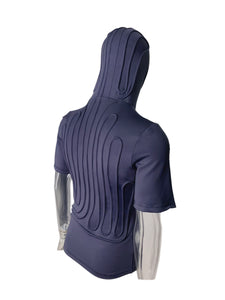
Credit: www.compcooler.shop
Frequently Asked Questions
What Is Summer Water Circulation For Cooling?
Summer water circulation for cooling uses water flow to absorb and remove heat. It helps maintain lower temperatures in buildings and machinery. This method is energy-efficient and eco-friendly. It reduces reliance on traditional air conditioning systems during hot months.
How Does Water Circulation Improve Cooling Efficiency?
Water circulation enhances cooling by continuously moving cooler water through heat exchangers. This process absorbs heat from the environment or equipment. It prevents heat buildup and maintains consistent temperatures. Circulating water increases heat transfer and reduces cooling costs.
Can Water Circulation Systems Reduce Energy Consumption?
Yes, water circulation systems reduce energy use by using natural cooling properties of water. They require less electricity compared to air conditioning units. This leads to lower utility bills and a smaller carbon footprint. Efficient water circulation is a sustainable cooling solution.
What Maintenance Is Needed For Water Cooling Systems?
Regular maintenance includes checking pumps, cleaning filters, and inspecting pipes for leaks. Proper upkeep ensures efficient water flow and prevents system breakdowns. Periodic water quality checks help avoid scaling or corrosion. Maintenance extends system lifespan and maintains optimal cooling performance.
Conclusion
Summer water circulation helps keep your space cool and fresh. It moves heat away quickly, making the air feel cooler. Using water this way saves energy and lowers bills. It also supports a healthier environment by reducing waste heat. Simple steps improve water flow and increase cooling effects.
Staying cool during hot months becomes easier and more comfortable. Water circulation offers a natural, effective cooling method. Try it this summer and feel the difference yourself.