
Setting up your fish tank for summer can make all the difference in keeping your aquatic friends happy and healthy. You want clear water, lively fish, and a tank that looks fresh and vibrant.
But summer brings unique challenges like higher temperatures and algae growth that can stress your fish and cloud your tank. Don’t worry—this guide will show you simple, effective steps to create the perfect summer environment for your fish. Keep reading to discover how to protect your tank and enjoy a beautiful underwater world all season long.
Choosing The Right Tank
Setting up a fish tank for summer needs careful planning. Picking the right tank helps fish stay healthy and happy.
Think about size, shape, materials, and where to place the tank in your home.
Tank Size And Shape
Choose a tank size that fits your space and the type of fish you want. Bigger tanks keep water temperature stable in summer.
- Small tanks heat up fast and need more care.
- Long tanks offer more surface area for oxygen exchange.
- Tall tanks look nice but may limit swimming space.
Material Options
Fish tanks come in glass and acrylic. Each has pros and cons you should know.
| Material | Advantages | Disadvantages |
| Glass | Scratch resistant, clear view | Heavy, can crack |
| Acrylic | Lightweight, better insulation | Scratches easily, costs more |
Placement Tips
Where you place the tank affects fish health and tank care.
Follow these placement tips:
- Keep the tank away from direct sunlight to avoid overheating.
- Place the tank on a sturdy, level surface.
- Avoid spots near air vents or windows with drafts.
- Choose a quiet area to reduce stress for the fish.

Credit: www.reddit.com
Selecting Summer-friendly Fish
Setting up a fish tank for summer needs careful fish selection. Fish react differently to warm water.
Choosing the right fish helps keep your tank healthy and lively during hot months.
Tropical Vs. Coldwater Species
Tropical fish need warm water to thrive, usually between 75°F and 80°F. They like stable temperatures.
Coldwater fish prefer cooler water, around 60°F to 70°F, and may struggle in summer heat.
- Tropical fish: Betta, Guppies, Neon Tetras
- Coldwater fish: Goldfish, White Cloud Mountain Minnows
Popular Summer Fish Choices
Some fish handle summer heat better than others. These species stay active and healthy.
- Guppies: Small, colorful, and heat-tolerant
- Platies: Hardy fish that like warm water
- Danios: Fast swimmers that enjoy summer temperatures
- Goldfish: Best in cooler summer tanks with good aeration
- White Cloud Mountain Minnows: Can adapt to warmer water but prefer cooler temps
Compatibility Considerations
Not all summer-friendly fish get along. Some species can fight or stress each other.
Choose fish with similar temperaments and water needs to avoid problems.
- Avoid mixing aggressive fish with peaceful ones
- Keep fish with similar size together
- Match species that like the same water temperature
- Research each fish’s social behavior before adding to your tank
Optimizing Water Conditions
Good water conditions keep fish healthy and happy in your tank. Clear water with the right balance helps fish grow well.
Summer can change water quality fast. You need to watch water closely to keep fish safe.
Temperature Control
Fish need steady water temperature to stay healthy. Too hot or cold water stresses fish and can cause illness.
In summer, water warms up quickly. Use a reliable aquarium heater or cooler to keep temperature steady.
- Keep tropical fish between 75°F and 80°F (24°C to 27°C)
- Use a thermometer to check temperature daily
- Place tank away from direct sunlight
- Use fans or chillers if water gets too warm
Ph And Hardness Levels
pH measures how acidic or basic water is. Fish prefer certain pH levels to thrive.
Water hardness means the amount of minerals like calcium and magnesium. It affects fish health and plant growth.
- Most freshwater fish like pH between 6.5 and 7.5
- Soft water has low mineral content; hard water has more minerals
- Test pH and hardness weekly with test kits
- Use water conditioners to adjust pH safely
Filtration And Aeration
Good filtration removes waste and keeps water clear. It prevents harmful chemicals from building up.
Aeration adds oxygen to the water. Fish need oxygen to breathe, especially in warm water.
- Choose a filter that matches your tank size
- Clean or replace filter media regularly
- Use air pumps or air stones to increase oxygen
- Check water flow to avoid strong currents
Credit: medium.com
Enhancing Aquarium Decor
Setting up a summer fish tank can brighten your home. It creates a lively and natural environment for your fish.
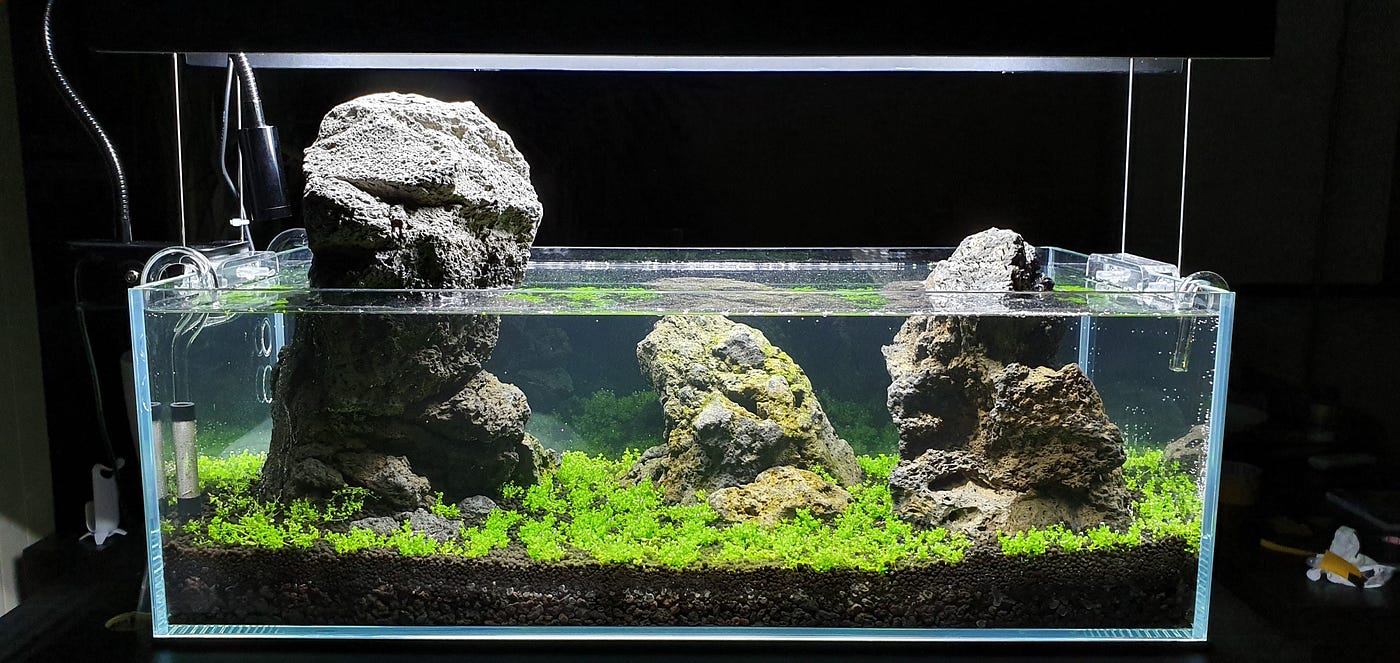
Good decoration helps fish feel safe and active. Using the right plants, substrate, and lighting improves the tank’s look and health.
Live Plants For Summer
Live plants add color and oxygen to the aquarium. They help keep the water clean and provide hiding spots for fish.
- Anubias: Low light and slow-growing plant
- Java Fern: Easy to care for, good for beginners
- Hornwort: Fast growing and floats well
- Amazon Sword: Large leaves, adds greenery
- Water Wisteria: Helps reduce algae growth
Substrate And Rocks
Substrate and rocks create the base of your aquarium. They support plants and give fish places to explore.
| Substrate Type | Best For | Notes |
| Gravel | General use | Easy to clean |
| Sand | Bottom feeders | Soft for fish |
| Aquarium soil | Live plants | Provides nutrients |
| Crushed coral | Hard water fish | Raises pH level |
Lighting Setup
Good lighting helps plants grow and shows fish colors well. It also keeps the tank bright and healthy.
Choose lighting based on these factors:
- Type of plants in the tank
- Fish species needs
- Tank size and depth
- Duration of light each day
Feeding And Care Tips
Setting up a summer fish tank means paying close attention to feeding and care. Fish need the right food and clean water to stay healthy in warm months.
This guide covers how to adjust feeding, avoid overfeeding, and keep the tank well maintained during summer.
Seasonal Feeding Changes
Fish metabolism rises as water warms. They eat more in summer but need lighter meals than in cold months. Feed small amounts several times a day.
- Offer floating or sinking pellets depending on fish type
- Include fresh vegetables for herbivores
- Reduce food if fish seem inactive or water quality drops
- Avoid sudden diet changes to prevent stress
Preventing Overfeeding
Too much food harms water quality and fish health. Remove uneaten food after five minutes to stop waste buildup.
| Sign | Cause | Solution |
| Cloudy water | Excess food decomposing | Feed less, clean tank more often |
| Fish bloating | Overfeeding | Reduce meal size, feed smaller portions |
| Algae growth | Nutrient surplus from leftover food | Limit feeding, increase water changes |
Regular Maintenance Routines
Keep the tank clean and water healthy by following a weekly routine. Check filters and remove debris regularly.
- Test water temperature and quality twice a week
- Change 10-15% of water every week
- Clean filter sponges monthly but avoid full replacement
- Trim plants and remove dead leaves
- Observe fish behavior daily for signs of stress or illness
Dealing With Summer Challenges
Setting up a fish tank in summer can be tricky. You need to tackle heat, algae, and evaporation.
By understanding these challenges, you can keep your fish happy and healthy during the hot months.
Algae Control
Algae growth is common in summer due to more sunlight. It can make your tank look dirty and harm fish.
- Limit sunlight exposure to the tank
- Use a timer for lights, keeping them on for 8-10 hours
- Add algae-eating fish like plecos
- Clean the tank regularly to remove algae buildup
Preventing Overheating
High temperatures can stress fish. Keep your tank cool to prevent overheating.
Consider these methods to keep the temperature stable:
- Place a fan near the tank for airflow
- Use a chiller if the temperature rises too high
- Keep the tank away from direct sunlight
Managing Water Evaporation
Water evaporation increases in summer, lowering water levels and affecting fish habitat.
| Method | Benefit |
| Cover the tank | Reduces evaporation |
| Add water regularly | Keeps water levels stable |
| Monitor humidity | Prevents excessive evaporation |
Monitoring Fish Health
In summer, keeping your fish healthy is important. Warm water can cause stress and illnesses. Regular checks help prevent problems.
Watch your fish closely. Look for changes in behavior or appearance. Early detection of issues can save your fish.
Common Summer Illnesses
Fish can get sick easily in warm weather. Common illnesses include fin rot and ich. These are often caused by bacteria or parasites.
To prevent these illnesses, maintain clean water. Use a thermometer to monitor water temperature regularly.
- Fin rot: Watch for fraying fins
- Ich: Look for white spots on the body
- Bacterial infections: Check for red streaks or sores
Signs Of Stress
Stress can make fish sick. Signs of stress include rapid breathing and hiding. Fish may also lose color or appetite.
Reduce stress by keeping the tank clean. Avoid sudden changes in water conditions. Provide plenty of hiding spaces.
- Rapid breathing: Fish near the surface
- Hiding: Fish staying in one corner
- Color loss: Faded or dull scales
Quarantine Practices
Quarantine helps prevent disease spread. New fish should be isolated for two weeks. This ensures they are healthy before joining others.
Set up a separate tank for quarantine. Monitor new fish for any signs of illness. Treat them if necessary before moving to the main tank.
- Isolate new fish for 14 days
- Observe for any signs of illness
- Treat diseases before main tank introduction
Upgrading Your Setup
Summer is the perfect time to upgrade your fish tank setup. Warmer weather means your fish need extra care.
Upgrading helps keep your tank stable and your fish healthy all season long.
Automated Systems
Automated systems make tank care easier. They handle feeding, lighting, and water changes.
Using timers and automatic feeders keeps your fish on a regular schedule. It reduces stress for both you and your fish.
- Automatic fish feeders supply food on time
- Timed lights simulate natural day and night
- Automatic water changers keep water clean
Backup Power Solutions
Power outages can harm your tank life. Backup power helps keep equipment running during blackouts.
Using battery backups or generators protects heaters, filters, and air pumps from shutting down.
- Uninterruptible power supplies (UPS) support small tanks
- Portable generators help during long outages
- Battery-powered air pumps keep oxygen flowing
Smart Aquarium Gadgets
Smart gadgets connect your tank to your phone. They send alerts and control devices remotely.
You can check water temperature or adjust lighting from anywhere. This helps you respond quickly to any issues.
- Smart thermometers track water temperature in real time
- Wi-Fi controllers adjust lights and filters remotely
- Water quality sensors monitor pH and ammonia levels

Credit: www.reddit.com
Frequently Asked Questions
How Do I Keep My Fish Tank Cool In Summer?
Use a fan or aquarium chiller to lower water temperature. Place the tank away from direct sunlight. Regular water changes also help maintain a stable temperature and keep fish healthy during hot weather.
What Fish Species Thrive In Summer Tanks?
Tropical fish like guppies, mollies, and tetras tolerate warmer water well. Avoid cold-water species that may suffer from heat stress. Research species temperature needs before adding them to your summer fish tank.
How Often Should I Clean My Summer Fish Tank?
Clean your tank every 1-2 weeks to remove algae and waste. Use a gravel vacuum and partial water changes. Regular cleaning prevents harmful bacteria growth and keeps water quality optimal for fish health.
Can I Add Plants To My Summer Fish Tank?
Yes, live plants improve oxygen levels and reduce algae growth. Choose heat-tolerant plants like Anubias, Java Fern, or Hornwort. Plants also provide shade and hiding spots, enhancing your fish’s comfort during summer.
Conclusion
Setting up a fish tank for summer can bring joy and peace. Keep water cool and clean to help fish stay healthy. Add plants and decorations for a natural look. Check the tank daily to avoid problems early. A well-kept tank shows beautiful fish and clear water.
Enjoy watching your fish swim happily all season long. Small steps make a big difference in fish care. Create a calm space for you and your fish to relax. Summer fish tanks can brighten any room with life.