
Are you ready to discover the stunning colors of South American cichlids? These vibrant fish can transform your aquarium into a living masterpiece.
Whether you’re a beginner or a seasoned hobbyist, understanding their colors helps you choose the perfect fish and care for them better. This guide will reveal the secrets behind their dazzling hues and show you how to spot the most beautiful species.
Keep reading, and you’ll soon know exactly how to make your aquarium shine with these colorful South American cichlids.

Credit: ronscichlids.com
Popular South American Cichlids
South American cichlids are colorful freshwater fish. They come in many shapes and colors. Many fish keepers love them for their bright looks.
These cichlids live in rivers and lakes in South America. Each species has unique colors that help it survive in its home.
Key Species And Their Colors
Some popular South American cichlids have strong colors. These colors vary by species and age. Bright colors often show health and mood.
- Angelfish:Silver body with black stripes and blue eyes.
- Discus:Round shape with red, blue, and green patterns.
- Oscar:Orange and black with red spots.
- Convict Cichlid:White or gray with vertical black stripes.
- Keyhole Cichlid:Pale body with a dark spot shaped like a keyhole.
Habitat And Natural Hues
South American cichlids live in clear or dark waters. Their colors help them hide or attract mates. Water type and light affect their hues.
In muddy waters, cichlids often have duller colors. In clear waters, their colors look bright and sharp. Plants and rocks also influence their patterns.
- Clear water: bright blues, reds, and yellows
- Murky water: browns, grays, and dark greens
- Rocky areas: spots and stripes for camouflage
- Planted areas: green and brown shades to blend in
Color Variations Explained
South American cichlids show many color patterns. These colors help them blend into their environments.
Understanding why these fish have different colors can help hobbyists care for them better.
Genetic Influences
Genes control the basic colors and patterns of cichlids. Different gene combinations create unique looks.
Some colors are passed from parents to offspring. This is why some species have distinct color types.
- Color pigments come from specific genes
- Mutations can create new color forms
- Selective breeding often enhances bright colors
- Species have natural color ranges due to genetics
Environmental Factors
Light, water quality, and diet affect cichlid colors. These factors can make colors brighter or duller.
Stress and tank conditions also change their appearance. Healthy environments keep colors vivid.
- Bright light often enhances color intensity
- Clean water helps maintain natural colors
- Good diet supports strong pigmentation
- Stress can cause colors to fade temporarily
Distinctive Patterns To Spot
South American cichlids show many unique colors and patterns. These patterns help identify different species.
Knowing these patterns makes it easier to spot and enjoy these colorful fish in your tank or in nature.
Stripes And Bands
Many South American cichlids have stripes or bands on their bodies. These lines can run horizontally or vertically.
- Horizontal stripes often help fish blend with water plants.
- Vertical bands break the fish’s outline to confuse predators.
- Some species show thin, delicate lines, while others have bold, wide bands.
Spots And Blotches
Spots and blotches vary in size and shape. They add a unique look to many cichlids.
| Pattern Type | Description | Purpose |
| Small Spots | Tiny dots scattered on body or fins | Camouflage among gravel and plants |
| Large Blotches | Irregular patches of color | Signal health or dominance |
| Eye Spots | Round spots near tail or fins | Distract predators from head |
Iridescent And Metallic Sheens
Some South American cichlids shine with iridescent or metallic colors. These sheens change with light angles.
Common iridescent colors include:
- Blue
- Green
- Gold
- Silver
This shimmer helps fish attract mates and warn rivals.
Enhancing Colors In Captivity
South American cichlids show their best colors with proper care. Bright colors come from good health and environment. You can help your fish look vibrant by feeding them well and setting up their tank carefully.
Understanding what these fish need will improve their color naturally. This guide covers diet and tank conditions to keep your cichlids glowing.
Optimal Diet For Vibrancy
Food plays a big role in color brightness. A balanced diet with the right nutrients makes cichlids more colorful. Include foods rich in carotenoids and vitamins.
- Feed high-quality pellets designed for cichlids
- Offer live or frozen foods like brine shrimp and bloodworms
- Include vegetables such as spinach or peas occasionally
- Use color-enhancing flakes or supplements with natural pigments
- Feed small amounts two to three times daily to avoid overeating
Tank Conditions And Lighting
Tank setup affects how your cichlids show their colors. Proper lighting and water quality help keep colors bright and clear.
| Condition | Recommendation |
|---|---|
| Lighting | Use full-spectrum LED lights for 8-10 hours daily |
| Water Temperature | Keep between 75°F and 82°F (24°C – 28°C) |
| pH Level | Maintain between 6.5 and 7.5 |
| Water Changes | Change 20-30% weekly to keep water clean |
| Tank Décor | Use natural backgrounds and hiding spots to reduce stress |
Breeding For Color Traits
South American cichlids show many bright colors. Breeding them for color traits means choosing fish with the best colors. This helps create new and beautiful color patterns.
Careful breeding can bring out rare colors or make existing colors stronger. It takes patience and attention to detail.
Selective Breeding Techniques
Selective breeding focuses on mating fish with desired colors. Breeders often pick parents with strong color traits. This helps pass traits to the next generation.
- Choose fish with the brightest and clearest colors.
- Pair fish that show complementary color traits.
- Keep track of offspring colors and select the best for breeding.
- Avoid breeding fish with dull or faded colors.
Common Color Morphs Created
Breeders have developed many color morphs in South American cichlids. These morphs vary by species and region.
| Color Morph | Description |
| Electric Blue | Bright blue with shiny scales |
| Red Flame | Deep red patches on fins and body |
| Golden Yellow | Bright yellow with orange highlights |
| Albino | White body with red eyes |
| Black Lace | Black patterns on fins and body |
Care Tips To Maintain Colors
South American Cichlids are known for their vibrant colors. Keeping these colors bright requires special care. Proper care ensures your fish stay healthy and colorful.
Understanding the right methods can help maintain their natural beauty. This guide offers tips to keep your cichlids looking their best.
Stress Reduction Methods
Stress can dull the colors of your cichlids. Reducing stress is crucial for their health. A calm environment helps them stay vibrant.
Provide plenty of hiding spots in the tank. Use rocks and plants to create safe spaces. This makes your fish feel secure.
- Avoid sudden changes in water temperature
- Keep the tank in a quiet area
- Introduce new fish slowly
Water Quality Management
Good water quality is key to maintaining cichlid colors. Clean water supports their health and appearance. Regular checks are important.
Test the water weekly for pH and nitrate levels. Keep the pH between 6.5 and 7.5. This range is ideal for most cichlids.
| Parameter | Ideal Range |
| pH Level | 6.5 – 7.5 |
| Nitrate Level | Less than 20 ppm |
Comparing South American Cichlids To Others
South American Cichlids are known for their vibrant colors and diverse patterns. They are popular among aquarium enthusiasts. Let’s explore how they compare to other cichlids.
Understanding the differences in color and features helps in selecting the right cichlid for your aquarium. This guide will focus on comparing them to African Cichlids.
Color Differences With African Cichlids
South American Cichlids often showcase a wide range of colors. These include shades of blue, green, red, and yellow. African Cichlids, on the other hand, are often more vibrant with intense blues and yellows.
- South American Cichlids: Subtle yet diverse color patterns
- African Cichlids: Bright and bold color contrasts
- South American species often have patterns that mimic their natural environment
Unique Features Of South American Species
South American Cichlids possess unique characteristics that make them stand out. These features are not just about color but also include behavior and adaptability.
Some cichlids from this region can adapt to a wide range of water conditions. This makes them ideal for various types of aquariums. Their behavior is often more peaceful than that of African Cichlids.
| Feature | South American Cichlids | African Cichlids |
| Color Range | Subtle and varied | Bright and bold |
| Behavior | Generally peaceful | Often territorial |
| Adaptability | High | Medium |

Credit: aquadiction.world
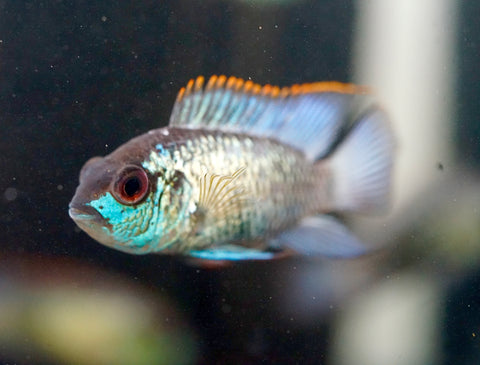
Credit: houstonaqua.com
Frequently Asked Questions
What Are The Most Colorful South American Cichlids?
South American cichlids like Angelfish, Discus, and Severums are highly colorful. They display vibrant blues, reds, yellows, and greens. Each species has unique patterns that enhance aquarium aesthetics.
How Do South American Cichlids Change Color?
These cichlids change color due to mood, breeding, and environment. Stress or dominance can deepen or fade their colors. Proper care maintains their vibrant hues.
Which South American Cichlids Are Best For Beginners?
Angelfish and Keyhole Cichlids are beginner-friendly. They are hardy, adaptable, and colorful, making them ideal for new aquarists.
What Tank Conditions Enhance Cichlid Colors?
Bright lighting, stable pH, and clean water enhance cichlid colors. A balanced diet rich in carotenoids also boosts their vibrant appearance.
Conclusion
South American cichlids show many bright and beautiful colors. Each species has unique patterns to enjoy and explore. Knowing their colors helps you pick the right fish for your tank. These fish add life and charm to any aquarium. Keep learning about their needs for a healthy environment.
Watching their colors change can be very fun. Choose South American cichlids to brighten your fish collection. Their colors bring joy and wonder to fish lovers everywhere.