
Are you fascinated by the vibrant colors of South American cichlids but unsure how to identify or care for them? You’re not alone.
These stunning fish come in a dazzling array of shades and patterns that can brighten any aquarium. Understanding their colors isn’t just about beauty—it helps you recognize their health, mood, and even breeding readiness. In this guide, you’ll discover everything you need to know about South American cichlid colors, so you can keep your fish happy and your tank looking spectacular.
Ready to unlock the secrets behind their brilliant hues? Let’s dive in.

Credit: aquadiction.world
Popular South American Cichlids
South American cichlids are popular among aquarium hobbyists. They have bright colors and interesting behaviors.
This guide covers four popular types: Angelfish, Oscar Fish, Convict Cichlid, and Firemouth Cichlid.
Angelfish
Angelfish have tall, thin bodies and long fins. They show beautiful colors like silver, black, and gold.
They like calm water with plants. Angelfish can grow up to 6 inches tall in aquariums.
Oscar Fish
Oscar Fish are large and bold. They have dark colors with orange or red patterns on their bodies.
Oscars need a big tank because they grow up to 12 inches long. They are smart and can recognize their owners.
Convict Cichlid
Convict Cichlids are small and tough. Their bodies have black and white stripes like a zebra.
They are easy to care for and breed in home tanks. Convicts are active and can be aggressive at times.
Firemouth Cichlid
Firemouth Cichlids have bright red colors around their mouths and throats. Their bodies are usually gray or blue.
They like sandy tanks with hiding places. Firemouths show interesting behaviors like flaring their gill covers.
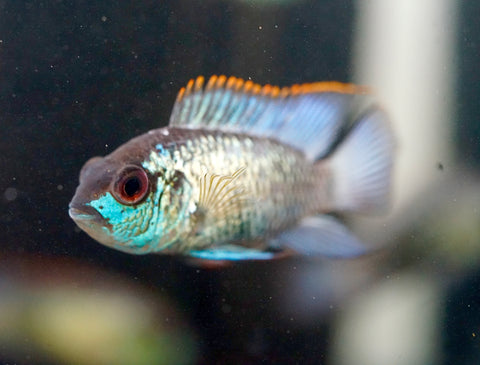
Credit: houstonaqua.com
Common Color Patterns
South American cichlids show many beautiful color patterns. These colors help them hide or attract mates. Understanding these patterns makes fish keeping more fun.
The most common patterns are stripes and bands, spots and blotches, and gradients with iridescence. Each pattern looks unique and bright.
Stripes And Bands
Stripes and bands are long lines across the body. They can be vertical, horizontal, or diagonal. These patterns help cichlids blend with plants and rocks.
Some fish have thin stripes, while others have thick bands. The colors vary from dark black to bright blue or red.
- Vertical stripes help break up the fish’s shape
- Horizontal bands make fish look longer
- Diagonal stripes add a dynamic look
Spots And Blotches
Spots and blotches are round or irregular marks on the body. They can be small dots or large patches. These patterns help fish hide in rocky or sandy areas.
Some cichlids have many small spots, while others show big blotches. The colors can be dark or bright, often contrasting with the base color.
- Small spots make the fish look textured
- Large blotches break the body outline
- Spot patterns can signal health or mood
Gradient And Iridescence
Gradient colors change smoothly from one shade to another. This effect looks soft and natural on cichlids. Iridescence adds shine that changes with light.
These patterns can show blue, green, or gold tones. Iridescent scales sparkle when the fish moves. This makes the fish very eye-catching in the tank.
- Gradients blend colors for a smooth look
- Iridescence reflects light like a rainbow
- These patterns change with viewing angle
Factors Influencing Color
South American cichlids show many bright colors. Their colors depend on several factors.
Understanding these factors helps keep your fish healthy and colorful.
Genetics
Genetics decide the basic color patterns of cichlids. Each species has unique colors passed from parents.
Some fish have genes for brighter colors, while others have duller shades.
- Color patterns come from inherited genes
- Selective breeding can enhance certain colors
- Genetics limit the range of possible colors
Diet And Nutrition
A good diet supports healthy color in cichlids. Foods rich in carotenoids improve red and orange hues.
Vitamins and minerals keep the fish’s skin and scales bright and shiny.
- Feed high-quality flakes or pellets
- Add fresh vegetables and live foods
- Use color-enhancing supplements if needed
Water Quality
Clean water helps fish show their true colors. Dirty water stresses fish and dulls their color.
Keep water parameters stable and within the right range for your cichlid species.
- Test water regularly for ammonia and nitrites
- Perform regular water changes
- Maintain proper pH and temperature levels
Lighting Conditions
Lighting affects how colors appear in cichlids. Bright light can enhance color brightness.
Use full-spectrum lighting to mimic natural sunlight for best results.
- Use LED or fluorescent lights designed for aquariums
- Provide 8-12 hours of light daily
- Avoid sudden changes in light intensity
Color Changes And Mood
South American cichlids change colors based on their mood and environment. These changes help them communicate with other fish.
Understanding their color shifts can help you know how they feel and what they need.
Breeding Colors
During breeding, cichlids show brighter and more intense colors. These colors attract mates and show readiness to reproduce.
Male cichlids often display stronger colors to impress females and defend their territory.
- Bright reds and blues signal breeding readiness
- Patterns become sharper and more defined
- Colors stay vivid to attract mates
Stress Indicators
When stressed, South American cichlids often lose their color or become dull. This shows they feel unsafe or sick.
Dark or faded colors mean the fish may be scared, sick, or unhappy with their tank conditions.
- Faded colors signal stress or illness
- Dark stripes or patches may appear
- Rapid color changes can mean fear or discomfort
Territorial Displays
Cichlids change colors to show they own a space. Bright, bold colors warn other fish to stay away.
These displays help avoid fights by showing strength and dominance without physical battles.
- Bright colors mark territory boundaries
- Intense patterns show dominance
- Color changes happen quickly during challenges
Enhancing Vibrancy
South American cichlids have bright and beautiful colors. Keeping their colors vibrant makes your tank look lively.
Good care and the right environment help these fish show their best colors every day.
Optimal Tank Setup
A clean and well-designed tank supports bright colors. Proper lighting and hiding spots reduce stress and boost color.
Use natural decorations like rocks and plants to mimic their native habitat. This comfort helps fish display vivid colors.
- Use soft, sandy substrate
- Include driftwood and smooth rocks
- Provide live plants for shelter
- Keep water clean and stable
- Use full-spectrum aquarium lights
Balanced Diet Tips
Colorful foods bring out the best hues in cichlids. Feed a mix of proteins, vegetables, and color-enhancing flakes.
Fresh or frozen foods add nutrients that boost color brightness. Avoid overfeeding to keep fish healthy.
- Offer high-quality pellet or flake food
- Add frozen bloodworms or brine shrimp
- Include blanched spinach or peas
- Feed small amounts twice a day
- Rotate food types for variety
Compatible Tank Mates
Choose peaceful tank mates to reduce stress. Calm fish help cichlids keep their bright colors.
Avoid aggressive species that may cause fights and dull colors. Balance the tank with similar-sized fish.
- Peaceful tetras like neon or cardinal
- Corydoras catfish for bottom cleaning
- Small plecos for algae control
- Avoid large or aggressive cichlids
- Keep fish numbers moderate

Credit: ronscichlids.com
Frequently Asked Questions
What Are The Most Colorful South American Cichlids?
South American cichlids like Discus, Angelfish, and Severums are highly colorful. Their vibrant hues range from blue and red to yellow and green. These species are popular for their striking patterns and bright colors, making them favorites in home aquariums worldwide.
How To Identify South American Cichlid Color Patterns?
South American cichlid color patterns include stripes, spots, and solid hues. Patterns vary by species and environment. Observing body markings and fin colors helps in accurate identification. These patterns often change with age and breeding status, reflecting the fish’s health and mood.
Why Do South American Cichlids Change Colors?
Cichlids change colors due to mood, breeding, and stress. Bright colors usually indicate health and readiness to mate. Dull or darkened colors signal stress or poor water conditions. Color change also helps in communication and establishing dominance within their group.
What Tank Conditions Enhance Cichlid Coloration?
Bright lighting and clean water enhance cichlid coloration. A balanced diet rich in carotenoids and vitamins also improves color vibrancy. Stable water temperature and pH levels reduce stress, allowing cichlids to display their best colors naturally.
Conclusion
South American cichlids show amazing colors and patterns. Each species has its own unique beauty. Knowing their colors helps you choose the right fish. Bright colors also tell a lot about their health and mood. Keep their environment clean for the best colors.
Enjoy watching these fish bring life to your aquarium. Their vibrant shades make any tank more exciting. Explore and appreciate the colors of South American cichlids often.