
Are you thinking about starting a small community fish tank but don’t know where to begin? Setting up a tank that houses different fish species can be exciting, yet challenging.
You want your fish to thrive, look vibrant, and live peacefully together. This guide will show you simple, effective steps to create a beautiful and balanced community aquarium. By the end, you’ll feel confident in choosing the right fish, setting up the tank, and maintaining a healthy environment.
Let’s dive in and make your fish tank the stunning centerpiece it deserves to be!
Choosing The Right Tank
Setting up a small community fish tank starts with picking the right tank. The tank size and shape affect fish health and tank maintenance. Material choice also matters for durability and clarity. Placement of the tank impacts fish comfort and your viewing experience.
Consider your available space and the type of fish you want to keep. This guide helps you choose a tank that fits your needs and keeps your fish happy.
Tank Size And Shape
Choose a tank size that fits your space and fish type. Small tanks need more care but take less room. The shape affects water flow and fish swimming space.
- Tall tanks offer more depth but less surface area for oxygen.
- Long tanks provide good surface area and swimming room.
- Square tanks fit well in corners but may limit fish movement.
Material Options
Most fish tanks are made from glass or acrylic. Each material has pros and cons to consider before buying.
| Material | Advantages | Disadvantages |
|---|---|---|
| Glass | Scratch-resistant, clear view, cheaper | Heavier, can break easily |
| Acrylic | Lightweight, strong, good insulation | Scratches easily, more expensive |
Placement Tips
Place your tank where fish feel safe and you enjoy watching them. Avoid spots that cause stress or damage.
- Keep the tank away from direct sunlight to prevent algae growth.
- Place the tank on a sturdy, level surface to avoid leaks or cracks.
- Ensure easy access for feeding and cleaning.
- Avoid noisy or high-traffic areas to reduce fish stress.
Essential Equipment
Setting up a small community fish tank needs the right tools. These tools keep fish healthy and the tank clean.
This guide covers key equipment for a smooth start and easy maintenance.
Filtration Systems
Filtration keeps water clear and safe by removing waste and harmful chemicals. A good filter supports fish health.
- Mechanical filters catch debris and particles.
- Biological filters use bacteria to break down toxins.
- Chemical filters remove chemicals with activated carbon.
Heaters And Thermometers
Most tropical fish need warm water. Heaters keep the tank at the right temperature all day.
| Equipment | Purpose | Tip |
| Heater | Keeps water temperature steady | Choose one with adjustable settings |
| Thermometer | Monitors water temperature | Place it opposite the heater |
Lighting Choices
Good lighting shows off fish colors and helps plants grow. Choose lights that fit your tank size and fish needs.
LED lights are energy-saving and last long. Avoid strong lights that stress fish.
Air Pumps And Accessories
Air pumps add oxygen to the water. They help fish breathe and keep water moving.
- Use air stones to spread bubbles evenly.
- Check tubing for cracks or leaks often.
- Adjust airflow for a gentle current.
Selecting Fish Species
Setting up a small community fish tank can be fun. Choosing the right fish species is important for a peaceful aquarium.
You need to select fish that get along well. This ensures a happy and healthy environment in your tank.
Community-friendly Fish
Some fish are more social than others. They enjoy living with different species.
- Neon Tetras are small and colorful.
- Guppies are vibrant and lively.
- Corydoras Catfish help clean the tank.
Compatibility Considerations
Fish need to be compatible to live together. Size and water requirements are key factors.
Fish with similar sizes and water needs make the best tank mates. This helps them stay healthy and stress-free.
| Fish Species | Tank Size | Water Temperature |
| Neon Tetra | 10 gallons | 72-76°F |
| Guppy | 10 gallons | 74-82°F |
| Corydoras Catfish | 20 gallons | 72-78°F |
Avoiding Aggressive Species
Not all fish are friendly. Some are aggressive and may harm others.
Fish like Bettas and Cichlids can be territorial. It is best to avoid them in small community tanks.
- Bettas may fight with other fish.
- Cichlids need more space to avoid aggression.
- Oscars are too large and aggressive for small tanks.
Setting Up The Environment
Water Preparation And Cycling
Setting up a small community fish tank starts with good water care. Clean and healthy water helps fish live well.
This guide covers how to prepare tap water and cycle the tank. These steps keep fish safe and happy.
Conditioning Tap Water
Tap water often has chemicals harmful to fish. Conditioning removes these chemicals before adding water to the tank.
- Use a water conditioner to remove chlorine and chloramine.
- Let water sit for 24 hours to allow chemicals to evaporate if no conditioner is available.
- Check the water temperature to match the tank environment.
- Use a clean container to hold treated water before adding it to the tank.
Nitrogen Cycle Basics
The nitrogen cycle cleans fish waste in the tank. Good bacteria change harmful ammonia into less harmful substances.
| Stage | Description |
| Ammonia Production | Fish waste creates ammonia, which is toxic. |
| Nitrite Formation | Good bacteria convert ammonia to nitrite, also toxic. |
| Nitrate Formation | Another set of bacteria change nitrite to nitrate, less harmful. |
| Nitrate Removal | Change water often to keep nitrate levels low. |
Testing Water Parameters
Testing water helps keep fish safe. You need to check ammonia, nitrite, nitrate, and pH levels often.
- Use a test kit to measure ammonia levels; it should be zero.
- Check nitrite levels; they must also be zero.
- Measure nitrate levels; keep them under 40 ppm.
- Test pH; most community fish like 6.5 to 7.5.
- Record results to track water changes over time.
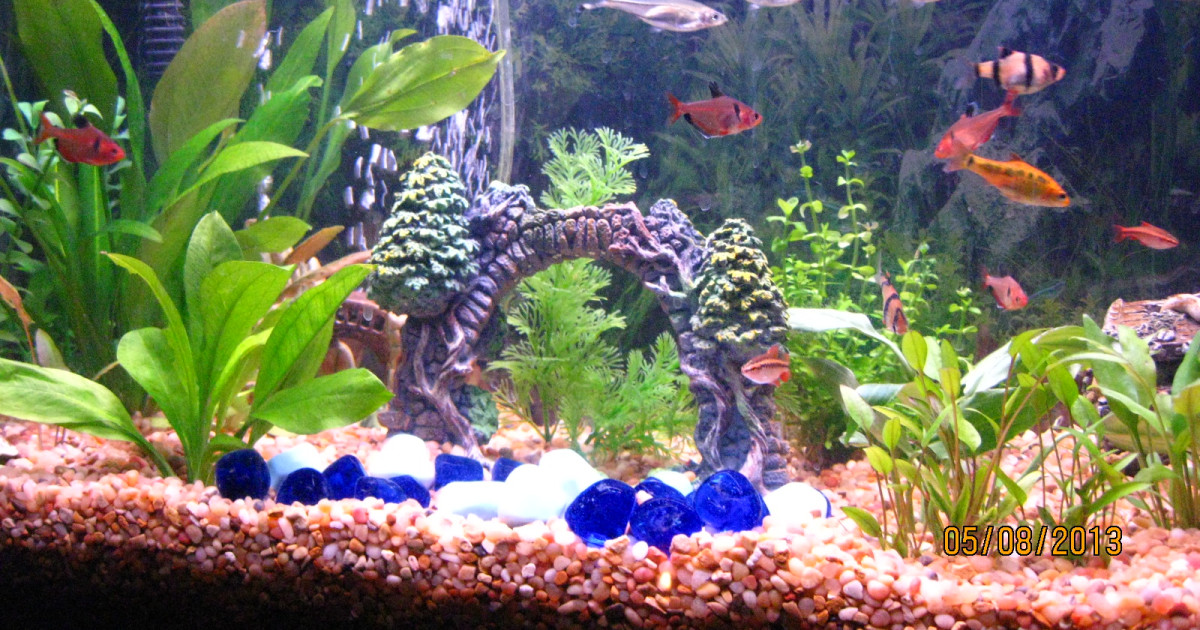
Credit: pethelpful.com
Introducing Fish Safely
Adding fish to a small community tank needs care and patience. Fish can get stressed or sick if not handled right.
Use safe methods to keep your fish healthy and happy in their new home.
Quarantine Practices
Always keep new fish in a separate tank for two weeks. This helps avoid spreading diseases to your main tank.
Check the fish daily for signs of illness like spots or odd swimming. Treat any problems before adding them to the community tank.
Acclimation Methods
Slowly adjust fish to the new tank water to prevent shock. Use these steps to acclimate your fish safely.
- Float the sealed bag in the tank for 15 minutes to match temperature.
- Open the bag and add small amounts of tank water every 10 minutes.
- After one hour, gently release the fish into the tank.
Monitoring Fish Behavior
Watch your fish for signs of stress or illness after adding them to the tank. Early detection helps keep them safe.
| Behavior | Normal Signs | Warning Signs |
| Swimming | Active, steady movement | Erratic, slow, or floating |
| Eating | Regular feeding | Loss of appetite |
| Appearance | Bright colors, clear eyes | Faded colors, cloudy eyes |
Routine Maintenance
Keeping a small community fish tank clean is important. Routine maintenance helps your fish stay healthy and happy.
This guide will cover essential tasks like water changes, filter cleaning, and health checks.
Water Changes
Regular water changes remove waste and toxins. This keeps the water clean for your fish.
- Change 10-15% of the water weekly.
- Use a siphon to remove debris from the gravel.
- Add dechlorinator to new water before adding it to the tank.
Filter Cleaning
Filters trap dirt and uneaten food. Cleaning them ensures the water stays clear.
| Type of Filter | Cleaning Frequency |
| Sponge Filter | Every 2 weeks |
| Power Filter | Every month |
| Canister Filter | Every 2 months |
Health Checks
Regular health checks help spot problems early. Look for changes in behavior or appearance.

Credit: www.reddit.com
Common Issues And Solutions
Setting up a small community fish tank can bring joy and beauty to your home. Many owners face common problems that affect fish health and tank cleanliness. Knowing solutions helps keep your tank balanced and fish happy.
This guide covers three main issues: algae control, disease prevention, and behavioral problems. Each section explains causes and offers simple fixes for a better aquarium experience.
Algae Control
Algae can overgrow and make your tank look dirty. It also harms plants and fish by using up oxygen. Common causes include too much light and excess nutrients in water.
- Limit light exposure to 8-10 hours per day.
- Do regular water changes to remove excess nutrients.
- Avoid overfeeding fish to reduce leftover food.
- Add algae-eating fish or snails to help control growth.
- Clean tank walls and decorations weekly.
Disease Prevention
Diseases spread quickly in small tanks if not managed. Stress, poor water quality, and new fish can bring infections. Watch for signs like spots, swelling, or strange swimming.
| Cause | Prevention | Treatment |
| Poor Water Quality | Test and change water weekly | Use water conditioners |
| New Fish | Quarantine before adding | Observe for symptoms |
| Stress | Keep stable temperature and environment | Reduce handling |
Behavioral Problems
Fish may fight or hide due to stress or space limits. Aggression affects tank harmony. Knowing fish needs and tank setup helps prevent problems.
Tips for managing behavior:
- Provide enough hiding spots using plants and decorations.
- Choose compatible fish species for your tank size.
- Feed fish a balanced diet to reduce aggression.
- Keep tank clean to avoid stress.
- Observe fish daily for early signs of trouble.

Credit: www.youtube.com
Frequently Asked Questions
What Size Tank Is Ideal For A Small Community Fish Setup?
A 10 to 20-gallon tank works best for small community fish. It offers enough space for diverse species while being easy to maintain and decorate.
Which Fish Species Are Best For Small Community Tanks?
Peaceful species like neon tetras, guppies, and Corydoras catfish thrive well. They coexist peacefully and are suitable for beginner aquarists.
How Often Should I Clean A Small Community Fish Tank?
Clean the tank partially every 1 to 2 weeks. Regular water changes maintain water quality and keep fish healthy.
What Type Of Filtration Suits A Small Community Fish Tank?
Use a gentle sponge or hang-on-back filter. These provide efficient filtration without disturbing small, delicate fish.
Conclusion
Setting up a small community fish tank can be fun and rewarding. Choose fish that live well together and keep the tank clean. Provide proper food and maintain good water quality. Watch your fish grow and enjoy their peaceful company.
A small tank brings nature’s beauty into your home. Simple care creates a healthy, happy environment for your fish. Start small, learn as you go, and enjoy every moment.