
If you have bottom-feeding fish in your aquarium, you know how important it is to get their food right. Sinking pellets are designed to reach those fish quickly and keep your tank clean.
But how do you choose the best sinking pellets for your bottom feeders? And what should you look for to keep your fish healthy and happy? You’ll discover everything you need to know to feed your bottom feeders the right way—making your aquarium a thriving, vibrant home.
Keep reading to unlock the secrets of sinking pellets that your fish will love.
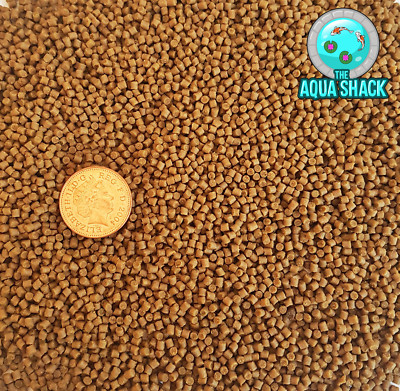
Credit: www.ebay.ca
Benefits Of Sinking Pellets
Sinking pellets are a special food designed for bottom feeders. These pellets sink quickly to the tank floor. This makes it easier for bottom feeders to reach their food.
Using sinking pellets supports the health and behavior of bottom-dwelling fish. It also helps keep the tank cleaner.
Nutrient Delivery To Bottom Feeders
Sinking pellets deliver food directly to bottom feeders. This ensures they get the nutrients they need. Pellets contain proteins, vitamins, and minerals for growth.
Floating food often misses bottom feeders. Sinking pellets solve this by reaching the tank floor fast. Fish can eat better and stay healthy.
Reduced Waste And Water Pollution
Sinking pellets reduce leftover food in the water. Uneaten food can pollute the tank and harm fish. Pellets sink so bottom feeders can eat most of it.
Less waste means cleaner water and healthier fish. This lowers the need for frequent water changes and tank cleaning.
Encouraging Natural Feeding Behavior
Sinking pellets encourage fish to feed like they do in nature. Bottom feeders search the tank floor for food. Pellets support this natural habit.
This feeding style reduces stress for the fish. It helps them feel safe and active in their environment.

Credit: www.amazon.com
Types Of Sinking Pellets
Sinking pellets are popular food for bottom feeder fish. These pellets sink to the tank’s bottom quickly. They help fish get food easily where they like to eat.
There are many types of sinking pellets. Each type fits different fish needs. Here we look at three main types for bottom feeders.
Protein-rich Options
Protein-rich sinking pellets help fish grow strong and healthy. They contain fish meal, shrimp, or other animal proteins. These pellets are best for carnivorous bottom feeders.
- High protein content, often above 40%
- Made with fish meal, krill, or shrimp
- Supports muscle and fin development
- Improves immune system
Vegetarian Formulas
Vegetarian sinking pellets use plant-based ingredients. They include spirulina, algae, and vegetables. These are good for herbivorous or omnivorous bottom feeders.
| Ingredient | Benefit |
| Spirulina | Rich in vitamins and minerals |
| Algae | Supports digestion |
| Vegetables | Provide fiber and nutrients |
Specialized Pellets For Specific Species
Some sinking pellets are made for certain fish types. They match dietary needs and feeding habits. These pellets help keep species healthy and active.
- Catfish pellets with added probiotics for gut health
- Loach pellets with higher fiber for digestion
- Corydoras pellets with soft texture for easy eating
Choosing The Right Pellet Size
Choosing the correct pellet size is essential for bottom feeder fish health. The right size helps fish eat comfortably and get enough nutrition.
Small pellets may be wasted if too big for fish mouths. Large pellets can cause choking or slow feeding. Understanding fish needs is key.
Matching Pellet Size To Fish Mouth
Pellet size must fit the fish mouth to avoid feeding problems. Fish with small mouths need smaller pellets to eat easily.
- Small mouth fish: use pellets under 3 mm
- Medium mouth fish: use pellets 3-6 mm
- Large mouth fish: use pellets over 6 mm
- Observe fish eating habits and adjust pellet size as needed
Growth Stage Considerations
Different growth stages need different pellet sizes and nutrition. Young fish require smaller pellets that are easier to chew.
| Growth Stage | Recommended Pellet Size | Feeding Frequency |
| Fry (newborn) | 1-2 mm | 4-6 times daily |
| Juvenile | 3-4 mm | 3-4 times daily |
| Adult | 5-8 mm | 2 times daily |
Feeding Techniques For Bottom Feeders
Bottom feeders need special care during feeding. Sinking pellets are perfect for them.
Using the right feeding methods helps keep your fish healthy and happy.
Proper Feeding Frequency
Feed bottom feeders small amounts two to three times a day. This matches their natural eating habits.
Avoid feeding only once a day. It can cause hunger or overeating.
Avoiding Overfeeding
Overfeeding causes water pollution and health problems. Only give what your fish can eat in five minutes.
Remove any leftover pellets quickly to keep the tank clean and safe.
- Feed small amounts
- Watch your fish while feeding
- Clear uneaten pellets promptly
Best Practices For Pellet Distribution
Scatter sinking pellets evenly across the tank bottom. This helps all fish find food easily.
Use feeding rings or tools to keep pellets in one area. This reduces waste and mess.
- Distribute pellets slowly
- Feed near hiding spots for shy fish
- Use tools to control pellet spread
Storage And Shelf Life Of Pellets
Storing sinking pellets properly is important for keeping them fresh. Bottom feeders need high-quality food for good health.
Pellets can last a long time if you store them right. Knowing how to store them helps prevent spoilage.
Optimal Storage Conditions
Keep pellets in a cool and dry place. Moisture can spoil them quickly.
Use airtight containers to keep out air and pests. This helps extend the shelf life.
- Store away from direct sunlight
- Keep in a temperature-controlled room
- Use containers with tight seals
Signs Of Pellet Spoilage
Check pellets for changes in color or smell. These are signs they may have gone bad.
Look for mold or bugs in the pellets. Do not feed spoiled pellets to fish.
- Pellets have a foul odor
- Discoloration or unusual texture
- Presence of mold or insects

Credit: www.amazon.ca
Common Challenges And Solutions
Sinking pellets are essential for feeding bottom feeders in aquariums and ponds. Sometimes, these pellets do not sink as expected, or fish refuse to eat them. Keeping water clean is also a key challenge.
This guide covers common problems with sinking pellets and offers simple solutions to help you maintain a healthy environment for your fish.
Pellets Not Sinking Properly
Pellets may float or sink slowly due to moisture, pellet composition, or storage conditions. Floating pellets can cause feeding issues and water pollution.
- Store pellets in a dry, cool place to keep them firm.
- Buy pellets designed specifically for bottom feeders.
- Test pellets by placing them in water before feeding.
- Crush pellets slightly to help them sink faster if needed.
Fish Refusing Pellets
Fish may reject sinking pellets due to unfamiliar taste, size, or water conditions. Patience and observation can help improve feeding habits.
| Possible Cause | Solution |
| Pellet size too large | Use smaller pellets or break them |
| Unfamiliar pellet type | Introduce pellets slowly alongside regular food |
| Stress or poor water quality | Check and improve water conditions |
| Overfeeding with other foods | Reduce other food to increase pellet interest |
Maintaining Water Quality
Uneaten sinking pellets can pollute water and harm fish. Good cleaning and feeding habits keep water clear and safe.
Tips for maintaining water quality:
- Feed only the amount fish can eat in 5 minutes.
- Remove leftover pellets after feeding.
- Perform regular water changes weekly.
- Use a good filter system suitable for your tank size.
- Test water parameters often to detect problems early.
Enhancing Pellet Nutrition
Sinking pellets are important for bottom feeders. They provide essential nutrients for fish. Yet, these pellets can be improved to ensure better health.
Enhancing the nutrition in pellets can lead to healthier fish. It can also improve growth and color. There are simple ways to boost pellet nutrition.
Supplementing With Live Or Frozen Foods
Adding live or frozen foods can boost nutrition. These foods mimic natural diets of bottom feeders. They add variety and important proteins.
Live foods, like worms or brine shrimp, are rich in nutrients. Frozen foods also keep nutrients intact. They offer a balanced diet for fish.
- Live foods: worms, brine shrimp
- Frozen foods: bloodworms, daphnia
- Provide variety and balance
Adding Vitamins And Minerals
Vitamins and minerals are vital for fish health. They enhance immunity and growth. Adding them to pellets can improve fish well-being.
Vitamin C and E are important for fish health. Minerals like calcium support bone growth. Enriching pellets with these nutrients is beneficial.
| Vitamin | Benefit |
| Vitamin C | Boosts immunity |
| Vitamin E | Enhances growth |
| Calcium | Strengthens bones |
Frequently Asked Questions
What Are Sinking Pellets For Bottom Feeders?
Sinking pellets are fish food designed to sink quickly. They target bottom feeders who feed near the aquarium floor. These pellets provide balanced nutrition and reduce surface waste. They ensure bottom feeders get enough food without competing with surface fish.
Why Use Sinking Pellets For Bottom Feeders?
Sinking pellets reach bottom feeders easily, promoting healthy feeding habits. They prevent food from floating, reducing waste and water contamination. This type of pellet supports natural foraging behavior and ensures all fish receive proper nutrition.
How To Choose The Best Sinking Pellets?
Choose sinking pellets based on fish species and size. Look for high-quality ingredients with balanced protein and nutrients. Ensure pellets sink at a suitable rate for your bottom feeders to easily consume them.
Can Sinking Pellets Improve Bottom Feeder Health?
Yes, sinking pellets provide essential nutrients that support growth and vitality. Proper feeding with sinking pellets reduces stress and competition. This leads to healthier, more active bottom feeders in your aquarium.
Conclusion
Sinking pellets provide essential nutrition for bottom feeder fish. They sink quickly, reaching the fish easily. This helps keep the tank clean and fish healthy. Choosing quality pellets supports fish growth and vitality. Feeding the right food keeps your aquarium balanced and lively.
Try sinking pellets to meet your bottom feeders’ needs well. Simple care makes a big difference for your fish.