
Are you ready to bring a splash of life and color into your home or office? A shrimp tank starter kit is the perfect way to begin your underwater adventure.
It gives you everything you need to create a beautiful, low-maintenance aquatic world right at your fingertips. Imagine watching tiny shrimp gracefully glide through lush plants, adding calm and charm to your space. Whether you’re a beginner or looking for a simple, rewarding hobby, this guide will help you set up your tank with confidence and ease.
Keep reading to discover how to choose the best kit and create a thriving shrimp habitat you’ll love.

Credit: www.bulkreefsupply.com
Choosing The Right Shrimp Tank
Picking the right tank for your shrimp is important for their health and happiness. The tank must fit your space and meet shrimp needs.
Consider the tank’s size, shape, and material before buying. These factors affect water quality and shrimp comfort.
Tank Size And Shape
Choose a tank size that matches how many shrimp you want. Bigger tanks hold water better and need less cleaning.
- Small tanks (5-10 gallons) suit beginners and few shrimp.
- Medium tanks (10-20 gallons) work for larger groups.
- Long tanks provide more surface area for oxygen.
- Tall tanks use less floor space but less surface area.
Material Options
| Material | Pros | Cons |
| Glass | Clear, scratch resistant, long lasting | Heavier, can break if dropped |
| Acrylic | Lighter, more impact resistant | Scratches easily, may yellow over time |
| Plastic | Cheap and lightweight | Less clear, not durable for long use |
Glass tanks are most common for shrimp. Acrylic works well but needs care. Avoid low-quality plastics for long-term use.
Placement Tips
Place your shrimp tank in a quiet spot away from direct sunlight.
- Avoid windows to prevent algae growth and temperature swings.
- Choose a stable surface that can hold the tank’s weight.
- Keep the tank away from heaters or air conditioners.
- Ensure easy access for cleaning and feeding.

Credit: www.amazon.com
Essential Equipment For Beginners
Starting a shrimp tank needs the right tools. Good equipment helps shrimp live well.
This guide shows key gear for new shrimp keepers. It covers filters, lighting, and heaters.
Filters And Aeration
Filters keep the water clean. Aeration adds oxygen that shrimp need to breathe.
- Choose a sponge filter for gentle water flow.
- Use an air pump to add bubbles and oxygen.
- Check filter size fits your tank volume.
- Clean filters regularly to avoid harmful buildup.
Lighting Choices
Lighting helps plants grow and shows shrimp colors. Avoid strong lights that stress shrimp.
| Light Type | Benefits | Best Use |
| LED | Energy saving, low heat | Standard shrimp tanks |
| Fluorescent | Bright, affordable | Planted tanks with low budget |
| Incandescent | Warm light, less efficient | Not recommended for shrimp tanks |
Heaters And Thermometers
Shrimp need stable water temperature. Use heaters to keep warmth steady and thermometers to check it.
- Use a reliable adjustable heater sized for your tank.
- Place heater near water flow for even heat.
- Check thermometer daily to catch temperature changes.
- Keep temperature between 72°F and 78°F for most shrimp.
Setting Up The Tank
Setting up a shrimp tank creates a safe home for your shrimp. It needs the right elements to keep them happy and healthy.
This guide covers the basics of substrate, water, and decorations for your tank.
Substrate Selection
Choose a substrate that supports shrimp health and plant growth. It should be fine enough for shrimp to dig and clean.
- Use dark substrates to make shrimp colors stand out.
- Avoid sharp or rough gravel that can hurt shrimp.
- Consider nutrient-rich soil for planted tanks.
- Rinse substrates well before adding to the tank.
Water Preparation
Prepare water carefully to create a safe environment. Shrimp need stable and clean water to thrive.
| Parameter | Ideal Range |
| Temperature | 72°F – 78°F (22°C – 26°C) |
| pH | 6.5 – 7.5 |
| GH (General Hardness) | 4 – 8 dGH |
| KH (Carbonate Hardness) | 1 – 4 dKH |
| Ammonia | 0 ppm |
| Nitrites | 0 ppm |
Use a water conditioner to remove chlorine and chloramines. Let the water sit for 24 hours before adding shrimp.
Decor And Plants
Decor and plants provide hiding spots and improve water quality. Shrimp feel safe in well-planted tanks.
- Add live plants like Java moss or Anubias.
- Use smooth rocks and driftwood for shelter.
- Avoid sharp decorations that can harm shrimp.
- Arrange decor to create open swimming space.
Selecting Shrimp Species
Choosing the right shrimp species is key for a healthy tank. Different shrimps have different care needs and behaviors.
Think about your tank size, water conditions, and your experience before picking a species. This helps your shrimp thrive.
Popular Starter Shrimp
Some shrimp are easier to keep for beginners. These species adapt well to most freshwater tanks and have peaceful behavior.
- Cherry Shrimp (Neocaridina davidi) – Bright red and hardy.
- Ghost Shrimp (Palaemonetes paludosus) – Transparent and active.
- Crystal Red Shrimp (Caridina cantonensis) – Attractive but needs stable water.
- Bee Shrimp (Caridina cf. cantonensis) – Small with unique patterns.
Compatibility With Other Species
Shrimp share tanks with fish and other invertebrates. Choose tank mates that do not hunt or stress shrimp.
| Species | Compatibility Level | Notes |
| Tetras | High | Small, peaceful fish |
| Guppies | Medium | May nip at shrimp |
| Cichlids | Low | Often aggressive |
| Snails | High | Good tank mates |
Breeding Considerations
Some shrimp breed easily in home tanks. Others need specific water conditions and hiding spots.
- Keep water clean and stable.
- Provide plants and moss for hiding.
- Feed a varied diet to encourage breeding.
- Separate babies if tank mates are aggressive.
Feeding And Nutrition
Proper feeding is important for healthy shrimp in your tank. Good nutrition helps shrimp grow and stay active.
Knowing what to feed and how often keeps your shrimp happy. Avoid common feeding mistakes to protect your tank.
Types Of Food
Shrimp eat many types of food. You can offer commercial pellets, algae wafers, and fresh vegetables.
- Special shrimp pellets with balanced nutrients
- Algae wafers to mimic natural grazing
- Blanched spinach, zucchini, or cucumber slices
- Occasional protein treats like bloodworms or brine shrimp
- Leaf litter such as Indian almond leaves for fiber
Feeding Schedule
Feed your shrimp small amounts once or twice daily. They eat slowly and graze throughout the day.
| Time of Day | Recommended Feeding |
| Morning | Small portion of pellets or vegetables |
| Evening | Light feeding of algae wafers or protein |
Avoiding Overfeeding
Overfeeding causes waste and water problems. Remove leftover food after a few hours.
Tips to avoid overfeeding:
- Feed only what shrimp can eat in 2 hours
- Skip feeding if food remains from last time
- Watch shrimp activity to adjust amounts
- Clean the tank regularly to remove excess food
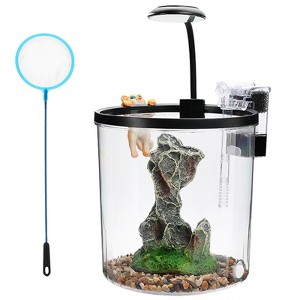
Credit: www.target.com
Maintaining Water Quality
Keeping your shrimp tank clean is important. Good water quality keeps shrimp healthy. You need to test and change the water often.
Understanding water quality helps prevent common issues. Regular maintenance ensures a safe environment for your shrimp.
Testing Parameters
Testing the water in your tank is crucial. You should check different parameters. This helps ensure the water is safe for your shrimp.
- pH level: Keep between 6.5 and 8.0
- Ammonia: Must be at 0 ppm
- Nitrite: Keep at 0 ppm
- Nitrate: Below 20 ppm is ideal
Water Changes
Changing water regularly is key. It removes harmful substances. It also replenishes essential minerals.
Common Water Issues
Even with careful monitoring, issues can arise. Recognizing them early helps you take action.
| Issue | Cause | Solution |
| Cloudy Water | Overfeeding | Reduce food amount |
| Algae Growth | Too much light | Limit light exposure |
| High Ammonia | Overcrowding | Reduce shrimp numbers |
Troubleshooting Common Problems
Keeping a shrimp tank can be challenging. Common issues like algae, disease, and stress can arise. Understanding how to manage these problems is crucial.
In this guide, we will discuss methods to control algae, prevent disease, and recognize stress signs in shrimp.
Algae Control
Algae growth is a common issue in shrimp tanks. It can make the tank look dirty and affect water quality.
- Reduce lighting to limit algae growth.
- Perform regular water changes to remove nutrients algae need.
- Introduce algae-eating species, like certain snails or fish.
Disease Prevention
Diseases can quickly spread in a shrimp tank. Prevention is better than cure.
- Quarantine new shrimp before adding them to the tank.
- Maintain clean water conditions with proper filtration.
- Avoid overfeeding to prevent water pollution.
Stress Signs In Shrimp
Stress can lead to health issues in shrimp. Recognizing signs early can help prevent problems.
| Sign | Description |
| Color Change | Shrimp may become pale or discolored. |
| Lethargy | Shrimp may move less or hide frequently. |
| Rapid Swimming | Erratic swimming patterns can indicate stress. |
Upgrading Your Shrimp Tank
Upgrading your shrimp tank can create a healthier space for your shrimp. Small changes can make a big difference in their growth and happiness.
Learn how to add more shrimp, improve tank features, and use advanced equipment. These upgrades help keep your shrimp thriving.
Adding More Shrimp
Adding more shrimp increases the tank’s activity and natural beauty. Be sure to add shrimp slowly to avoid overcrowding.
- Check the tank size before adding shrimp
- Introduce shrimp in small groups over time
- Keep the water clean to support more shrimp
- Watch for signs of stress or illness
Enhancing Tank Features
Enhance your tank with plants and decorations. These provide hiding spots and improve water quality for your shrimp.
| Feature | Benefit |
| Live plants | Produce oxygen and shelter shrimp |
| Rocks and driftwood | Create hiding places and surfaces for biofilm |
| Substrate type | Supports beneficial bacteria and shrimp breeding |
Advanced Equipment
Use advanced equipment to maintain a stable environment. This helps your shrimp live longer and stay healthy.
Consider adding the following tools:
- High-quality filter for clean water
- Heater to keep steady temperature
- CO2 system for plant growth
- Automatic feeder for regular feeding
Frequently Asked Questions
What Is Included In A Shrimp Tank Starter Kit?
A shrimp tank starter kit usually includes a tank, filter, heater, substrate, and water conditioner. It may also come with shrimp food and a guide for beginners. These kits provide everything needed to start a healthy shrimp aquarium setup.
How Do I Set Up A Shrimp Tank Starter Kit?
To set up, rinse the tank and substrate first. Install the filter and heater, then fill with dechlorinated water. Cycle the tank before adding shrimp to ensure a safe environment. Follow the kit’s instructions for best results.
What Shrimp Species Are Best For Beginners?
Cherry shrimp and ghost shrimp are ideal for beginners. They are hardy, easy to care for, and adapt well to various water conditions. These species thrive in small tanks and require minimal maintenance, making them perfect for starter kits.
How Often Should I Clean My Shrimp Tank?
Clean your shrimp tank every 2-4 weeks. Perform partial water changes of 20-30% during cleaning. Avoid over-cleaning to maintain beneficial bacteria. Regular cleaning helps keep water parameters stable and shrimp healthy.
Conclusion
Starting a shrimp tank is simple with the right kit. You get all needed tools in one box. This saves time and makes setup easy. Shrimp tanks bring life and color to your space. Watching shrimp grow is fun and relaxing.
Take care with water and food for best results. A starter kit helps beginners avoid common mistakes. Enjoy creating a small, peaceful underwater world at home.