
Setting up a shrimp tank can seem tricky at first, but with the right steps, you can create a beautiful, thriving underwater world right in your home. Whether you’re a beginner or looking to improve your current setup, this guide will help you avoid common mistakes and ensure your shrimp stay healthy and happy.
By following simple tips, you’ll soon enjoy watching your colorful shrimp explore their new environment. Ready to dive in and build the perfect shrimp tank? Let’s get started!

Credit: splashyfishstore.com
Choosing The Right Tank
Setting up a shrimp tank starts with picking the right tank. The tank size, material, and placement affect your shrimp’s health.
Choose a tank that fits your space and meets shrimp needs. This guide covers key points to consider.
Ideal Tank Size
A good tank size helps shrimp feel safe and grow well. Small tanks need more care to keep water stable.
Most beginners start with tanks between 5 and 10 gallons. Bigger tanks keep water conditions steady.
- 5 gallons is the smallest recommended size
- 10 gallons or more is easier to maintain
- Larger tanks allow more shrimp and plants
Material Options
Tanks come in glass or acrylic. Each has pros and cons for shrimp keepers.
Glass tanks are heavy but scratch-resistant. Acrylic tanks are lighter and clearer but can scratch easily.
- Glass tanks resist scratches and last long
- Acrylic tanks are lighter and easier to move
- Both materials hold water well for shrimp
Placement Tips
Place the tank in a stable spot away from direct sunlight. Avoid areas with strong vibrations or drafts.
Keep the tank on a level surface to prevent leaks or damage. Make sure it has easy access for cleaning and feeding.
- Avoid windows and heaters nearby
- Use a sturdy stand or table
- Leave space around the tank for maintenance
Selecting Suitable Substrate
Choosing the right substrate is important for a healthy shrimp tank. It affects water quality and shrimp behavior. You should pick substrate that supports shrimp needs.
Different substrates offer various benefits. Some help plants grow, while others improve water conditions. This guide covers types, benefits, and care tips.
Types Of Substrate
- Gravel: Small stones that allow water flow but may trap waste.
- Aquarium Sand: Fine particles that are gentle on shrimp but can compact.
- Clay-Based Soil: Rich in minerals, supports plants and shrimp health.
- Active Substrate: Helps maintain stable pH and water hardness.
Benefits For Shrimp
| Benefit | Description |
| Natural Habitat | Substrate mimics shrimp’s natural environment. |
| Food Source | Some substrates harbor biofilm and microorganisms. |
| Water Quality | Good substrate helps keep water clean and stable. |
| Plant Growth | Supports roots of live plants, improving oxygen. |
Maintenance Considerations
Regular cleaning keeps substrate healthy for shrimp. Avoid disturbing the substrate too much. Use a gentle siphon to remove waste.
Tips for substrate care:
- Do not overfeed shrimp to reduce waste buildup.
- Clean substrate surface weekly with a siphon.
- Replace substrate only if it becomes toxic or compacted.
- Test water regularly to check for harmful changes.
Water Parameters
Setting the right water parameters is key for a healthy shrimp tank. Good water quality helps shrimp grow and stay active.
Monitoring temperature, pH, hardness, and cleanliness keeps shrimp safe and happy.
Optimal Temperature Range
Shrimp do best in a steady temperature. Too hot or cold can stress them out or cause illness.
Keep the water temperature between 72°F and 78°F (22°C to 26°C) for most shrimp species.
- Temperatures below 68°F (20°C) slow shrimp activity
- Temperatures above 80°F (27°C) increase stress and disease risk
- Use a reliable heater and thermometer to maintain temperature
Ph And Hardness Levels
Shrimp need balanced pH and water hardness to grow shells and stay healthy.
Ideal pH is slightly acidic to neutral, ranging from 6.5 to 7.5. Hardness should be moderate.
| Parameter | Ideal Range | Effect on Shrimp |
|---|---|---|
| pH | 6.5 – 7.5 | Supports shell growth and metabolism |
| General Hardness (GH) | 4 – 8 dGH | Provides essential minerals like calcium |
| Carbonate Hardness (KH) | 3 – 6 dKH | Keeps pH stable over time |
Water Quality Testing
Regular water testing helps you catch problems early. It keeps shrimp safe from toxins and poor conditions.
Test water weekly for ammonia, nitrites, nitrates, pH, and hardness. Use simple test kits for accuracy.
- Ammonia and nitrites should always be zero
- Nitrates should stay below 20 ppm
- Check pH and hardness to keep them in the right range
- Perform partial water changes if levels get unsafe
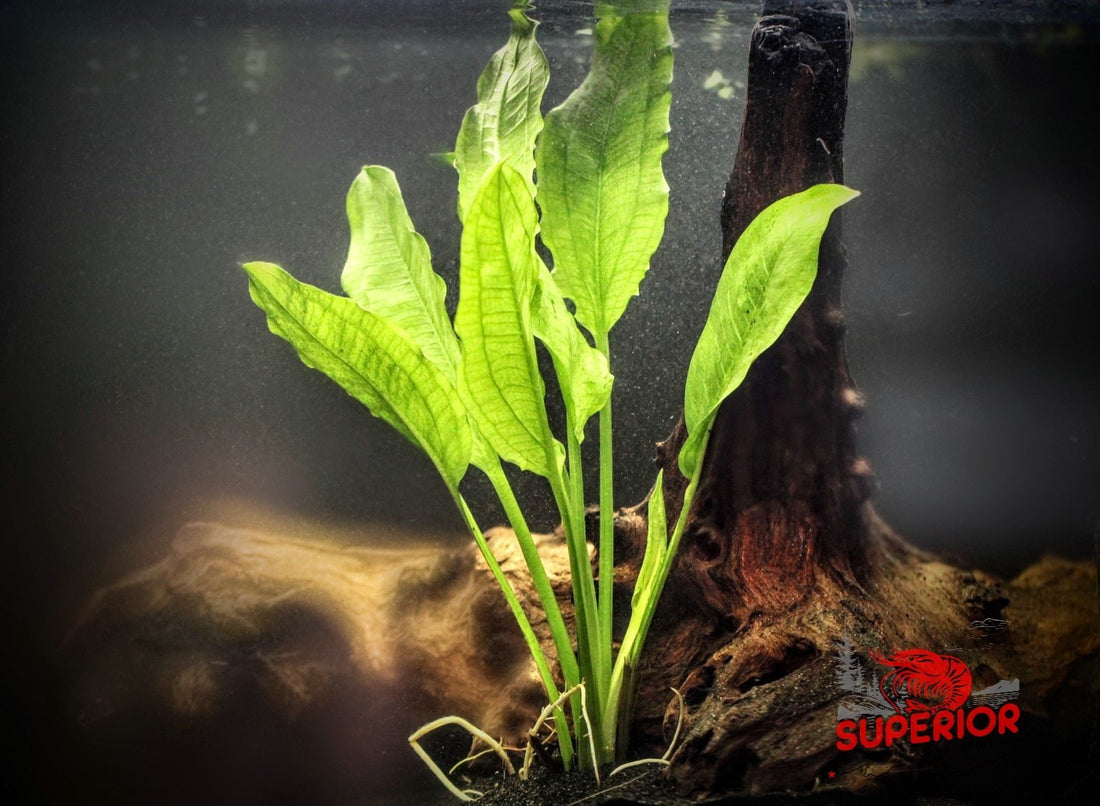
Credit: www.superiorshrimpaquatics.com
Filtration Systems
Setting up a proper filtration system for your shrimp tank is crucial. It helps maintain clean and healthy water. Understanding the different types of filters can guide you in choosing the best one for your tank.
Let’s explore the types of filters, how to set them up efficiently, and how to avoid creating strong currents that could stress your shrimp.
Types Of Filters
There are several types of filters suitable for shrimp tanks. Each type has its own advantages and can be used depending on your tank’s needs.
- Sponge Filters: Ideal for gentle filtration and beneficial bacteria growth.
- Canister Filters: Offer powerful filtration for larger tanks.
- Hang-On-Back Filters: Easy to install and maintain, suitable for medium tanks.
Setting Up Efficient Filtration
To set up an efficient filtration system, it is important to consider the size of your tank and the type of filter you are using. Proper setup ensures the water stays clean and safe for your shrimp.
| Tank Size | Recommended Filter |
| Small (up to 10 gallons) | Sponge Filter |
| Medium (10-30 gallons) | Hang-On-Back Filter |
| Large (30+ gallons) | Canister Filter |
Avoiding Strong Currents
Shrimp are sensitive to strong water currents. It’s essential to ensure that the filtration system does not create a strong current that can stress them.
Lighting And Plants
Setting up a shrimp tank needs the right light and plants. These elements help shrimp live healthy and happy.
Good lighting and plants create a natural home. They also improve water quality and shrimp behavior.
Choosing The Right Light
Shrimp need soft, natural light to thrive. Too much light can stress them out and cause algae growth.
LED lights are a popular choice. They use less energy and give off less heat.
- Use lights that mimic daylight (5000-7000K)
- Keep light on for 8-10 hours daily
- Avoid strong, direct light to reduce algae
- Consider adjustable lights for different plants
Popular Aquatic Plants
Live plants help keep the water clean and give shrimp places to hide. Choose easy plants for beginners.
- Java Moss: Great for shrimp to graze on
- Anubias: Low light and slow growing
- Cryptocoryne: Adds color and shelter
- Java Fern: Hardy and needs little care
- Marimo Moss Balls: Clean water and fun shapes
Benefits Of Live Plants
Live plants improve water quality by using harmful chemicals. They also help keep the tank stable.
Plants give shrimp food and safe spaces to hide. They reduce stress and encourage natural behavior.
- Absorb ammonia and nitrates to clean water
- Provide oxygen for shrimp and beneficial bacteria
- Create hiding spots to prevent stress
- Help control algae by competing for nutrients
Choosing Shrimp Species
Choosing the right shrimp species is important for a healthy tank. Different species have different needs and temperaments. Picking the right shrimp helps you enjoy your aquarium more.
This guide will help you find beginner-friendly varieties, understand compatibility, and learn about color and size differences.
Beginner-friendly Varieties
Some shrimp species are easier to care for than others. These are good choices for beginners starting a shrimp tank.
- Cherry Shrimp: Hardy and small with bright red color.
- Ghost Shrimp: Transparent body, good for cleaning.
- Crystal Red Shrimp: Beautiful red and white patterns, needs stable water.
- Blue Velvet Shrimp: Calm and attractive blue color.
Compatibility Tips
Not all shrimp get along well with other tank mates. Choosing compatible species keeps peace and reduces stress.
| Species | Compatible Tank Mates | Notes |
| Cherry Shrimp | Small peaceful fish | Avoid large or aggressive fish |
| Ghost Shrimp | Snails, small fish | Good scavengers |
| Crystal Red Shrimp | Other peaceful shrimp | Sensitive to water changes |
| Blue Velvet Shrimp | Non-aggressive fish | Keep in groups |
Color And Size Differences
Shrimp come in many colors and sizes. These traits affect tank appearance and shrimp behavior.
| Species | Color | Average Size |
|---|---|---|
| Cherry Shrimp | Bright Red | 1.5 inches |
| Ghost Shrimp | Transparent | 1.5 inches |
| Crystal Red Shrimp | Red and White | 1.2 inches |
| Blue Velvet Shrimp | Deep Blue | 1.5 inches |
Feeding Practices
Feeding shrimp properly is key to keeping them healthy. Good feeding helps shrimp grow and stay active.
This guide covers the types of food, how often to feed, and how to avoid feeding too much.
Types Of Food
Shrimp eat many kinds of food. They need a mix of proteins, plants, and minerals.
Common foods include algae, shrimp pellets, blanched vegetables, and biofilm from the tank.
- Algae: natural and easy for shrimp to eat
- Shrimp pellets: balanced nutrition in small pellets
- Blanched vegetables: spinach, zucchini, or cucumber
- Biofilm: natural bacteria and microbes in the tank
Feeding Frequency
Shrimp need small feedings every day. Feed once or twice daily to keep food fresh.
Young shrimp may eat more often. Adult shrimp eat less but need regular meals.
- Feed baby shrimp 2-3 times a day
- Feed adult shrimp 1-2 times a day
- Remove leftover food after a few hours
Avoiding Overfeeding
Too much food can pollute the tank. It causes water problems and can harm shrimp.
Only give food shrimp can eat in 2-3 hours. Remove any leftovers to keep water clean.
- Use small amounts of food each feeding
- Watch shrimp eat and adjust food size
- Clean the tank often to remove waste
Tank Cycling And Maintenance
Setting up a shrimp tank requires careful planning. Tank cycling and maintenance are key to a healthy environment for shrimp.
Understanding the nitrogen cycle and regular maintenance ensures a thriving shrimp habitat. Let’s explore these important topics.
Establishing The Nitrogen Cycle
The nitrogen cycle is a natural process. It involves the conversion of harmful waste into less harmful substances.
To establish this cycle, introduce beneficial bacteria. They help break down waste into nitrites and then nitrates.
- Add a source of ammonia to the tank.
- Monitor ammonia, nitrite, and nitrate levels.
- Wait for nitrite levels to drop to zero.
Regular Cleaning Routines
Regular cleaning is essential for a shrimp tank. It keeps the environment clean and prevents waste buildup.
Clean the tank walls and remove uneaten food. This helps maintain water quality and prevents algae growth.
- Use a soft sponge to clean tank walls.
- Remove uneaten food after feeding.
- Check filters and clean them monthly.
Water Change Guidelines
Regular water changes are important. They help reduce toxins and maintain water quality.
Change a portion of the water weekly. Use dechlorinated water to avoid harming the shrimp.
- Change 10-20% of the water weekly.
- Use a gravel vacuum to remove debris.
- Ensure new water is the same temperature.
Monitoring Shrimp Health
Keeping shrimp healthy is important for a shrimp tank. Watching their health helps prevent problems early.
Regular checks let you catch diseases and stress signs fast. Healthy shrimp live longer and look better.
Common Diseases
Shrimp can get diseases from poor water or infections. Some diseases show spots, color changes, or slow movement.
White Spot Disease and Bacterial Infections are common. These diseases can hurt or kill shrimp if untreated.
- White Spot Disease: white dots on shell
- Bacterial Infection: red or black marks
- Fungal Infection: fuzzy growth on body
- Parasites: small moving dots on shrimp
Behavioral Signs
Shrimp behavior tells a lot about their health. Watch how they move and eat every day.
Signs like hiding more, slow swimming, or loss of appetite show stress or sickness. Healthy shrimp stay active and eat well.
- Less movement or hiding often
- Not eating or eating less
- Erratic swimming or floating
- Shedding problems or slow molting
Preventive Measures
Good care keeps shrimp safe from disease. Clean water and proper food are key to prevention.
Regular water changes and tank cleaning stop bad bacteria. Avoid overcrowding to reduce stress.
- Test water weekly for ammonia and pH
- Change 20% of water weekly
- Feed balanced shrimp food only
- Keep tank temperature stable
- Remove dead shrimp quickly
- Avoid adding too many shrimp at once
Breeding Tips
Breeding shrimp in a tank needs care and the right setup. Knowing how to spot males and females helps a lot.
Good water and tank conditions make shrimp happy and ready to breed. After eggs hatch, babies need special care to grow well.
Identifying Males And Females
Males and females look different. Females are usually bigger and have a curved underbelly. Males are smaller and have slimmer bodies.
- Females often have a saddle-shaped mark behind their head.
- Males have longer antennae than females.
- Females carry eggs under their abdomen.
Breeding Conditions
Keep water clean and stable. The right temperature and pH help shrimp breed successfully.
| Condition | Ideal Range |
| Temperature | 72-78°F (22-26°C) |
| pH Level | 6.5-7.5 |
| Water Hardness | 4-8 dGH |
| Light Cycle | 8-10 hours daily |
Caring For Shrimp Babies
Baby shrimp need gentle care. Feed them tiny foods and keep the water safe and clean.
- Feed baby shrimp special powdered food or crushed flakes.
- Keep water flow low to protect babies.
- Do not add big fish that may eat the babies.
- Change water slowly and regularly.

Credit: glassboxdiaries.com
Frequently Asked Questions
What Is The Ideal Tank Size For Shrimp?
A 5 to 10-gallon tank suits most shrimp species well. It offers stable water conditions and enough space for shrimp to thrive.
How Often Should I Change Water In A Shrimp Tank?
Change 10-20% of the water weekly. This keeps the tank clean and maintains stable water parameters for healthy shrimp.
What Water Parameters Are Best For Shrimp Tanks?
Maintain pH between 6. 5 and 7. 5, temperature 72-78°F, and low ammonia. Stable conditions promote shrimp growth and reduce stress.
Can I Keep Shrimp With Fish In The Tank?
Some small, peaceful fish can coexist with shrimp. Avoid aggressive or large fish that may eat or harm shrimp.
Conclusion
Setting up a shrimp tank takes patience and care. Keep water clean and stable for healthy shrimp. Choose the right plants and hiding spots to make them feel safe. Regular feeding and gentle tank maintenance help shrimp thrive. Watch your shrimp closely to spot any issues early.
A well-set tank brings joy and calm to your space. Enjoy the small wonders of your shrimp tank every day.