
If you want healthy, vibrant shrimp fry thriving in your aquarium, knowing how to care for and feed them properly is key. Your tiny shrimp fry need special attention to grow strong and active.
Getting this right can feel tricky, but with the right tips, you’ll watch them flourish faster than you expect. Keep reading, and you’ll discover simple, effective ways to give your shrimp fry the best start possible—making your tank a lively underwater world you’ll love to see every day.
Choosing The Right Shrimp Species
Selecting the right shrimp species is important for your aquarium’s health. Different shrimp need different care and environments.
Think about the water type, tank size, and your experience before choosing shrimp.
Popular Freshwater Shrimp Types
Freshwater shrimp are common and easy to keep. They help clean tanks and add color.
- Cherry Shrimp: Bright red, peaceful, and beginner-friendly.
- Amano Shrimp: Good algae eaters, larger size, very active.
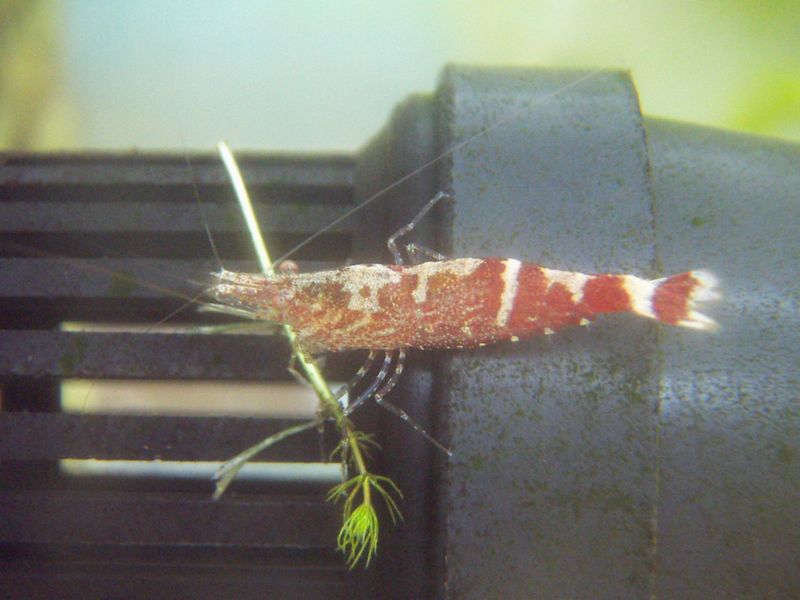
- Crystal Red Shrimp: Beautiful red and white patterns, needs stable water.
- Ghost Shrimp: Transparent, affordable, and hardy.
Saltwater Shrimp Varieties
Saltwater shrimp live in marine tanks and need saltwater conditions. They are often more sensitive.
- Cleaner Shrimp: Help remove parasites from fish, very active.
- Sexy Shrimp: Small, colorful, and likes to live in groups.
- Fire Shrimp: Bright red with white spots, good for reef tanks.
- Harlequin Shrimp: Eats starfish, needs special care.
Matching Shrimp To Your Aquarium Setup
Choose shrimp that fit your tank size, water type, and plants. Some shrimp need soft water, others like hard water.
Check if your tank has fish that might eat shrimp. Some shrimp do well alone, others need groups.
- Small tanks: Choose small, hardy shrimp like Cherry Shrimp.
- Planted tanks: Crystal Red Shrimp enjoy lots of plants.
- Marine tanks: Pick saltwater shrimp that match reef conditions.
- Aggressive fish tanks: Avoid shrimp that are easy prey.
Setting Up The Ideal Habitat
Creating a good habitat is key to keeping shrimp fry healthy. The right environment helps them grow strong.
This guide covers the main parts of setting up a tank for shrimp fry care and feeding.
Tank Size And Water Conditions
Choose a tank that is big enough for your shrimp fry to swim freely. A 10-gallon tank works well for beginners.
Keep water clean and stable. Shrimp fry like temperatures between 72°F and 78°F. The pH should be 6.5 to 7.5.
- Temperature: 72°F – 78°F (22°C – 26°C)
- pH Level: 6.5 – 7.5
- Ammonia and Nitrites: 0 ppm
- Nitrates: Less than 20 ppm
Substrate And Decorations
Use fine gravel or sand as the substrate. This makes it easy for shrimp fry to find food and hide.
Add live plants and small decorations. These give the shrimp places to hide and explore.
- Fine gravel or sand substrate
- Live plants like Java moss or Anubias
- Small caves or hiding spots
- Avoid sharp or rough decorations
Filtration And Aeration Needs
Use a gentle filter to keep the water clean. Strong currents can stress shrimp fry, so choose a sponge filter or a filter with a pre-filter sponge.
Good aeration helps keep oxygen levels high. An air stone or bubbler works well to provide oxygen without strong water movement.
- Sponge filter or gentle hang-on-back filter
- Air stone or bubbler for oxygen
- Check filter flow to avoid strong currents
- Regular water changes to keep water fresh
Water Quality Essentials
Good water quality is key to keeping shrimp healthy. Clean water helps shrimp grow well and stay active.
Understanding water conditions helps you avoid common problems in shrimp tanks.
Optimal Temperature And Ph Levels
Shrimp thrive in water that is warm but not too hot. The best temperature range is between 72°F and 82°F. The pH level should stay near neutral, from 6.5 to 7.5.
- Keep water temperature steady to avoid stress.
- Test pH weekly to catch changes early.
- Use a heater or cooler if needed to keep temperature right.
- Avoid sudden shifts in pH to protect shrimp health.
Maintaining Ammonia And Nitrite Balance
Ammonia and nitrite can harm shrimp even at low levels. These chemicals come from waste and leftover food.
| Substance | Safe Level (ppm) |
| Ammonia | 0 |
| Nitrite | 0 |
Use a biofilter to break down these toxins. Remove uneaten food quickly to lower waste buildup.
Regular Water Testing And Changes
Testing water often helps spot problems early. Check temperature, pH, ammonia, and nitrite at least once a week.
- Test water with reliable kits.
- Change 10-20% of water weekly to keep it clean.
- Use dechlorinated water for changes to avoid harming shrimp.
- Watch shrimp for signs of stress or sickness.

Credit: www.reddit.com
Feeding Strategies For Shrimp Fry
Feeding shrimp fry properly is key to their growth and health. Young shrimp need the right food and feeding schedule.
Good feeding strategies help fry develop strong shells and good immunity. Careful feeding also keeps the water clean.
Types Of Food Suitable For Fry
Shrimp fry need small, easy-to-eat foods that provide enough nutrients. Food size matters because fry have tiny mouths.
Powdered and finely crushed foods work well. These include special fry pellets, powdered algae, and crushed flakes.
- Powdered shrimp food or commercial fry pellets
- Crushed high-quality flakes or granules
- Algae powders or spirulina for protein
- Infusoria or microalgae cultures
Feeding Frequency And Portion Control
Shrimp fry need small meals often. Feeding 3 to 4 times a day is ideal. This matches their fast growth rate.
Give only what they can eat in 10 minutes. Overfeeding pollutes water and harms fry health.
- Feed 3-4 times daily
- Offer small amounts at each feeding
- Remove uneaten food quickly
- Watch fry behavior to adjust portions
Supplementing With Live And Frozen Foods
Live and frozen foods add variety and nutrients. These foods improve fry survival and growth.
Feed tiny live foods like baby brine shrimp or microworms. Frozen foods must be thawed and rinsed before use.
- Baby brine shrimp (Artemia nauplii)
- Microworms and daphnia
- Frozen cyclops and copepods
- Thaw and rinse frozen foods before feeding
Growth Stages And Care Tips
Shrimp fry need special care to grow healthy. They pass through different stages before becoming adults.
Each growth stage has unique needs for food and environment. Proper care helps them survive and grow strong.
Development Milestones
Shrimp fry start as tiny larvae after hatching. They move through several stages before reaching juvenile size.
During early stages, fry grow slowly and need fine food. As they mature, their diet changes to larger particles.
- Larvae stage: first few days after hatching, feeding on plankton and microalgae
- Post-larvae: about 10-15 days old, start eating small pellets or chopped feed
- Juvenile stage: after 20-30 days, they eat regular shrimp feed
Preventing Common Diseases
Disease can kill shrimp fry quickly. Clean water and good hygiene lower risks.
Watch for signs of illness like slow movement or color changes. Remove sick shrimp fast to stop spread.
- Keep water clean and well-filtered
- Do regular water changes to remove waste
- Feed fresh, high-quality food only
- Quarantine new shrimp before adding to tanks
Handling And Stress Reduction
Shrimp fry are sensitive to rough handling. Gentle care reduces stress and improves survival.
Use soft nets and move shrimp slowly. Avoid sudden changes in water temperature or quality.
- Handle fry only when necessary
- Use soft mesh nets to catch them
- Keep water temperature stable
- Keep tank environment quiet and calm
Breeding And Raising Fry
Raising shrimp fry requires careful planning and attention to detail. It’s essential to understand the needs of these tiny crustaceans to ensure they thrive.
Breeding Conditions And Triggers
Shrimp breeding requires specific water conditions, including temperature, pH, and salinity. A temperature range of 72-82°F (22-28°C) is ideal for most species.
- Water temperature affects the development of shrimp eggs and larvae.
- Water pH between 7.9 and 8.3 is suitable for most shrimp species.
- Salinity levels between 1.020 and 1.025 are ideal for shrimp breeding.
Separating Fry From Adults
It’s crucial to separate shrimp fry from adults to prevent predation and competition for food. A separate breeding tank with a secure lid is essential.
- Use a net or a siphon to transfer fry to a separate tank.
- Ensure the fry tank has a secure lid to prevent escape.
- Monitor the fry tank regularly for water quality and temperature.
Ensuring High Survival Rates
High survival rates depend on proper water quality, nutrition, and environment. Regular water changes, a balanced diet, and a clean environment are essential.
- Perform regular water changes (10-20% every week) to maintain optimal water quality.
- Provide a balanced diet that includes a mix of commercial shrimp feed and live or frozen foods.
- Maintain a clean environment by removing waste and debris regularly.
Common Challenges And Solutions
Shrimp fry care and feeding can be challenging for even the most experienced aquarists. However, with the right knowledge and techniques, you can overcome common challenges and raise healthy, thriving shrimp.
Dealing With Predators
Predators are a major threat to shrimp fry, and it’s essential to take steps to protect them. One way to do this is by introducing predators to the tank gradually, allowing the shrimp to adapt and develop their natural defenses.
- Monitor the tank closely for signs of predation, such as missing shrimp or tankmates eating the fry
- Use a secure lid or a tank cover to prevent predators from jumping in
- Introduce tankmates gradually, starting with small, non-predatory species
Managing Algae And Tank Cleanliness
Algae and poor tank cleanliness can be a major problem for shrimp fry. Regular water changes and proper algae control are essential for maintaining a healthy environment.
Use a gravel vacuum to remove debris and waste from the substrate, and replace 10-15% of the tank water weekly to maintain optimal water quality.
Troubleshooting Growth Issues
Shrimp fry growth issues can be caused by a variety of factors, including poor nutrition, inadequate water quality, and insufficient space. By identifying and addressing these issues, you can help your shrimp fry grow and thrive.
- Check the water parameters regularly to ensure they are within the optimal range for shrimp growth
- Provide a varied and nutritious diet, including live or frozen foods
- Ensure the tank is large enough to provide sufficient space for the shrimp fry to grow and develop

Credit: www.theinspirationalnook.com
Credit: www.theshrimpfarm.com
Frequently Asked Questions
How Often Should I Feed Shrimp Fry Daily?
Feed shrimp fry small amounts 3 to 4 times daily. Frequent feeding ensures they get enough nutrients without overfeeding.
What Is The Best Food For Shrimp Fry?
Microworms, infusoria, and finely crushed flake food are ideal. These foods are small and easy for fry to digest.
How To Maintain Water Quality For Shrimp Fry?
Change 10-20% of water weekly and use a sponge filter. Stable, clean water supports healthy growth and prevents diseases.
When Can Shrimp Fry Start Eating Regular Food?
Shrimp fry can transition to regular food after 3-4 weeks. Gradually introduce finely crushed flakes or pellets for smooth adaptation.
Conclusion
Caring for shrimp fry needs patience and gentle hands. Feed them small amounts often to keep them healthy. Clean water helps shrimp grow strong and active. Watch their behavior to spot any problems early. A good environment means happy, thriving shrimp fry.
Keep learning and adjusting your care routine. Success comes with steady attention and simple steps. Shrimp fry care is rewarding and fun to do. Give your shrimp the best chance to live well.