
If you keep shrimp in your planted tank, you know how important it is to feed them right. The food you choose doesn’t just affect your shrimp’s health—it also impacts your plants and water quality.
Finding the perfect shrimp food can feel tricky, but it doesn’t have to be. You’ll discover simple, effective options that keep your shrimp thriving and your tank looking beautiful. Ready to learn how to make your shrimp happy and your planted tank a success?
Let’s dive in.
Shrimp Species For Planted Tanks
Shrimp add color and activity to planted tanks. They help keep the tank clean by eating algae and debris. Choosing the right shrimp species is important for a healthy tank.
This guide covers popular shrimp varieties and tips for choosing shrimp for your planted tank setup.
Popular Shrimp Varieties
Many shrimp species thrive in planted tanks. Some are easy for beginners, while others need special care. Here are some popular types:
- Cherry Shrimp: Bright red and very active. Good for beginners.
- Crystal Red Shrimp: White and red pattern. Needs clean water.
- Ghost Shrimp: Transparent and cheap. Great scavengers.
- Amano Shrimp: Large and good algae eaters.
- Bee Shrimp: Small with black and white stripes. Sensitive to water quality.
Choosing Shrimp For Your Setup
Select shrimp based on tank size, water conditions, and plants. Some shrimp need soft water, others do better in hard water. Check compatibility with fish and other tank mates.
| Factor | Consideration |
| Tank Size | Smaller tanks suit smaller shrimp like Bee Shrimp. |
| Water Parameters | Match shrimp needs for pH and hardness. |
| Plant Density | Dense plants provide hiding spots and food. |
| Tank Mates | Avoid aggressive fish that may eat shrimp. |
| Feeding | Use shrimp-specific food for best health. |
Essential Nutrients For Shrimp
Shrimp need a balanced diet to stay healthy in planted tanks. Nutrients help them grow and keep their shells strong. Feeding the right food ensures they live longer and stay active.
Understanding the key nutrients helps you pick the best food for your shrimp. This guide covers proteins, carbohydrates, vitamins, minerals, calcium, and shell health.
Proteins And Carbohydrates
Proteins are vital for shrimp growth and tissue repair. Carbohydrates provide energy to keep them active. Both nutrients must be balanced in their diet for best health.
- Proteins support muscle and shell development
- Carbohydrates give energy for daily activities
- Too much carbohydrate can cause water quality issues
- Good shrimp food combines both nutrients properly
Vitamins And Minerals
Vitamins and minerals help shrimp stay healthy and resist disease. They support immune function and proper growth. These nutrients are often found in natural plant matter and quality foods.
| Vitamin/Mineral | Role in Shrimp Health |
|---|---|
| Vitamin C | Boosts immune system and healing |
| Vitamin D | Supports calcium absorption |
| Iron | Helps oxygen transport in blood |
| Magnesium | Assists in enzyme functions |
Calcium And Shell Health
Calcium is essential for shrimp to build and maintain strong shells. A lack of calcium can cause weak shells and molting problems. Supplementing calcium keeps shrimp safe during growth.
Good calcium sources include:
- Crushed coral or limestone in the tank
- Calcium-rich foods like algae wafers
- Specialized shrimp supplements
Types Of Shrimp Food
Shrimp in planted tanks need a variety of foods to stay healthy. Different foods provide different nutrients. Feeding the right types keeps shrimp active and colorful.
Here are the main types of shrimp food. Each type has its own benefits and uses in your tank.
Flake And Pellet Foods
Flake and pellet foods are popular choices for shrimp keepers. They are easy to use and store. These foods often contain balanced nutrients for shrimp growth.
Pellets sink slowly, letting shrimp eat comfortably. Flakes float or sink slowly, making them easy to find.
Algae And Biofilm
Algae and biofilm grow naturally in planted tanks. Shrimp graze on these as a main food source. They provide fiber and essential nutrients.
- Green algae
- Brown algae
- Biofilm on plants and surfaces
- Microorganisms in the tank
Vegetable-based Foods
Vegetable foods offer fiber and vitamins. Shrimp enjoy cooked or blanched vegetables. These foods help digestion and add variety.
| Vegetable | Preparation | Benefits |
| Zucchini | Blanched slices | Fiber, vitamins |
| Spinach | Cooked leaves | Iron, nutrients |
| Carrots | Boiled pieces | Carotene, fiber |
| Cucumber | Raw slices | Hydration, fiber |
Live And Frozen Foods
Live and frozen foods boost shrimp health. They offer protein and natural nutrients. Use these foods occasionally for variety.
- Brine shrimp (live or frozen)
- Daphnia
- Bloodworms
- Microworms

Credit: www.reddit.com
Feeding Techniques
Feeding shrimp in planted tanks needs care and attention. Good feeding helps shrimp stay healthy and plants to grow well.
Use the right methods to feed shrimp so the tank stays clean and balanced. This guide explains key feeding techniques.
Feeding Frequency
Feed your shrimp small amounts daily or every other day. Shrimp like steady food but not too much at once.
Young shrimp may need food more often than adults. Observe their behavior to adjust feeding times.
Portion Control
Give shrimp only the food they can eat in a few hours. Too much food can spoil and harm the tank.
- Offer tiny amounts at first.
- Watch if shrimp finish the food quickly.
- Adjust the portion size based on shrimp activity.
- Remove leftovers after feeding time.
Avoiding Overfeeding
Overfeeding can lead to dirty water and sick shrimp. Keep feeding balanced to protect tank health.
| Signs of Overfeeding | Actions to Take |
|---|---|
| Cloudy water | Feed less and clean tank |
| Uneaten food at bottom | Reduce portion size |
| Shrimp hiding or inactive | Check water quality and food amount |
Homemade Shrimp Food Recipes
Shrimp in planted tanks need special food. Homemade recipes are a great option. They are healthy and easy to make.
By using fresh ingredients, you can ensure your shrimp get the best nutrients. Let’s explore some simple homemade shrimp food recipes.
Vegetable Mixes
Vegetables are an essential part of a shrimp’s diet. They provide vitamins and fiber. Spinach and zucchini are popular choices.
Boil vegetables until soft. Cool and chop them into small pieces. Feed sparingly to avoid overfeeding.
- Spinach contains iron and calcium
- Zucchini is easy to digest
- Carrots add vitamin A
Protein-rich Blends
Protein is crucial for shrimp growth. Eggs and fish are excellent protein sources. Blend these with vegetables for a balanced meal.
Cook and mash the eggs. Mix with finely chopped fish. This ensures shrimp get the proteins they need for growth.
- Eggs are full of protein
- Fish provides omega-3 fatty acids
- Use sparingly to prevent water pollution
Supplements For Growth
Supplements boost shrimp health. Calcium is essential for shell development. You can use cuttlebone or calcium powder.
Add a small amount to the tank water. This helps shrimp build strong shells and supports healthy molting.
- Cuttlebone releases calcium slowly
- Calcium powder dissolves quickly
- Ensure proper dosage for shrimp size
Maintaining Water Quality
Keeping water clean in planted tanks is crucial for shrimp health. The food you choose can impact the tank environment significantly.
Understanding how food affects water quality helps maintain a healthy ecosystem. Proper cleaning and filtration are key.
Impact Of Food On Tank Environment
Shrimp food can alter water parameters. It’s important to choose wisely to avoid negative effects on water quality.
- Excess food can lead to increased ammonia levels.
- Overfeeding may cause algae growth due to nutrient buildup.
- Choose food that decomposes slowly to reduce waste.
Cleaning And Filtration Tips
Effective cleaning and filtration keep the tank environment stable. Regular maintenance is essential for water quality.
| Task | Frequency |
| Water Change | Weekly |
| Filter Cleaning | Monthly |
| Gravel Vacuuming | Bi-weekly |
Signs Of Healthy Shrimp
Healthy shrimp are active and show clear signs of good health. Watching their behavior and appearance helps you keep them happy.
Knowing what to look for makes it easier to care for your shrimp. This guide covers key signs of healthy shrimp.
Behavioral Indicators
Healthy shrimp move around a lot and explore their environment. They eat regularly and clean themselves often.
- Active swimming and walking on plants or substrate
- Regular feeding without hesitation
- Frequent grooming and antennae movement
- Social interaction with other shrimp
- Quick response to changes in light or movement
Physical Appearance
Look for bright colors and a clear shell to spot healthy shrimp. Their body should be free from spots or damage.
| Feature | Healthy Sign |
|---|---|
| Shell | Clear and shiny, no cracks or discoloration |
| Color | Bright and vivid, matches species norms |
| Eyes | Clear and alert, no cloudiness |
| Legs and Antennae | Intact and moving freely |
| Body Shape | Firm and well-rounded, no deformities |

Credit: www.reddit.com
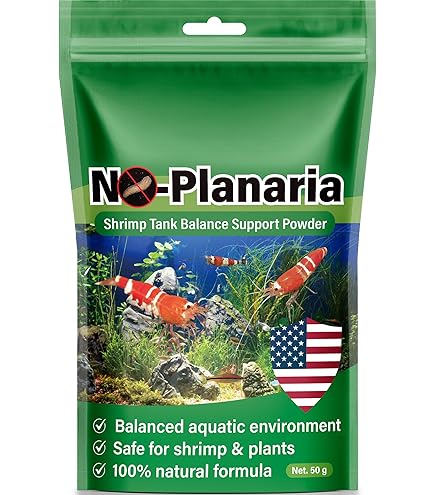
Credit: www.amazon.com
Frequently Asked Questions
What Is The Best Shrimp Food For Planted Tanks?
The best shrimp food for planted tanks is algae-based flakes or pellets. These foods support shrimp health and do not harm plants. They provide essential nutrients and promote natural grazing behaviors.
Can Shrimp Eat Live Plants In Planted Tanks?
Yes, shrimp may nibble on soft live plants occasionally. However, they mainly feed on algae, biofilm, and specially formulated shrimp food. Providing balanced food minimizes plant damage.
How Often Should I Feed Shrimp In Planted Tanks?
Feed shrimp small amounts once or twice daily. Overfeeding causes water quality issues and algae growth. Remove uneaten food after a few hours to maintain tank health.
Are Commercial Shrimp Foods Safe For Planted Aquariums?
Commercial shrimp foods are safe and designed for planted tanks. They contain balanced nutrients and do not contain harmful chemicals. Always choose high-quality, shrimp-specific brands for best results.
Conclusion
Shrimp need healthy food to thrive in planted tanks. Good food helps shrimp grow strong and stay active. Choose food that suits their natural diet and tank plants. Feed small amounts to avoid water problems. Clean water and balanced food keep shrimp happy.
Watch your shrimp often to see how they respond. A well-fed shrimp tank looks lively and bright. Care and the right food make shrimp healthy pets. Keep learning about their needs for the best results. Shrimp and plants together create a beautiful aquarium scene.