
Keeping a saltwater tank healthy all year round can be challenging, especially as the seasons change. You might notice shifts in water temperature, lighting, or even your tank’s cleanliness that affect your marine life.
But don’t worry—simple adjustments can make a big difference. You’ll discover easy, practical tips to keep your saltwater tank thriving no matter the season. Ready to make your tank sparkle and your fish happy all year long? Let’s dive in!

Credit: reefs.com
Winter Care
Saltwater tanks need special care during winter. Cold weather can affect water and fish health.
Proper winter care keeps your tank stable and your marine life safe.
Temperature Management
Keep the tank temperature steady between 75°F and 80°F. Sudden drops can stress fish and corals.
Use a reliable heater and a thermometer to watch the water temperature daily.
- Place heaters away from water flow for even heat distribution
- Check heater settings often to avoid overheating
- Insulate your tank if room temperature drops too low
Lighting Adjustments
Winter days are shorter, so adjust lighting to mimic natural light cycles. This supports coral health.
Use timers to keep light periods consistent, usually 8 to 10 hours daily.
- Increase light duration gradually in winter
- Check bulbs for wear and replace if needed
- Keep lights clean to ensure proper brightness
Feeding Strategies
Fish eat less in cold water. Feed smaller amounts more often to prevent waste.
Offer a varied diet to keep fish healthy and strong during winter.
- Feed high-quality flakes or pellets in small portions
- Add frozen or live foods twice a week
- Remove uneaten food to keep water clean
Spring Maintenance
Spring is a perfect time to care for your saltwater tank. The warmer weather helps marine life thrive. Proper maintenance keeps the tank healthy and balanced.
Regular checks and cleaning prevent problems before they start. Follow these tips to keep your tank clear and safe.
Water Quality Checks
Test your tank water often in spring. Check levels of ammonia, nitrate, and pH. These affect fish and coral health. Adjust them if needed.
- Measure salinity to match natural seawater
- Check water temperature daily
- Test for calcium and alkalinity
- Replace water partially to keep it fresh
Equipment Inspection
Spring is a good time to check all equipment. Clean filters, pumps, and heaters. Make sure everything runs smoothly.
| Equipment | Check | Action |
|---|---|---|
| Filter | Clogs and debris | Clean or replace media |
| Heater | Temperature accuracy | Test and adjust |
| Pumps | Flow rate | Clean impellers |
| Lighting | Bulb condition | Replace if dim |
Algae Control
Algae grow faster in spring. Control it to keep your tank clear. Remove algae from glass and decorations regularly.
- Use a scraper for glass algae
- Clean rocks and coral gently
- Limit light exposure to 8-10 hours daily
- Consider adding algae-eating fish or invertebrates
Summer Strategies
Summer can be tough on saltwater tanks. Warm weather affects water quality and fish health.
Use smart strategies to keep your tank cool and healthy during hot months.
Cooling Techniques
Keeping water temperature stable is key in summer. High heat stresses fish and coral.
Use fans or chillers to lower water temperature. Avoid sudden temperature changes.
- Place a fan blowing across the water surface
- Use aquarium chillers for precise cooling
- Shade the tank from direct sunlight
- Keep room temperature lower if possible
Increased Aeration
Warm water holds less oxygen. Adding aeration helps fish breathe easier.
Add air stones or increase water flow to boost oxygen levels. Check equipment often.
- Use air pumps with air stones for bubbles
- Increase powerhead speed for better circulation
- Ensure surface agitation to improve gas exchange
- Monitor oxygen levels if possible
Preventing Heat Stress
Heat stress can make fish sick and corals bleach. Watch for signs of stress daily.
Feed lightly and avoid sudden changes. Keep water clean and stable.
- Reduce feeding amounts during hot days
- Perform regular water changes to keep water fresh
- Watch fish for unusual behavior or color changes
- Keep tank away from heat sources
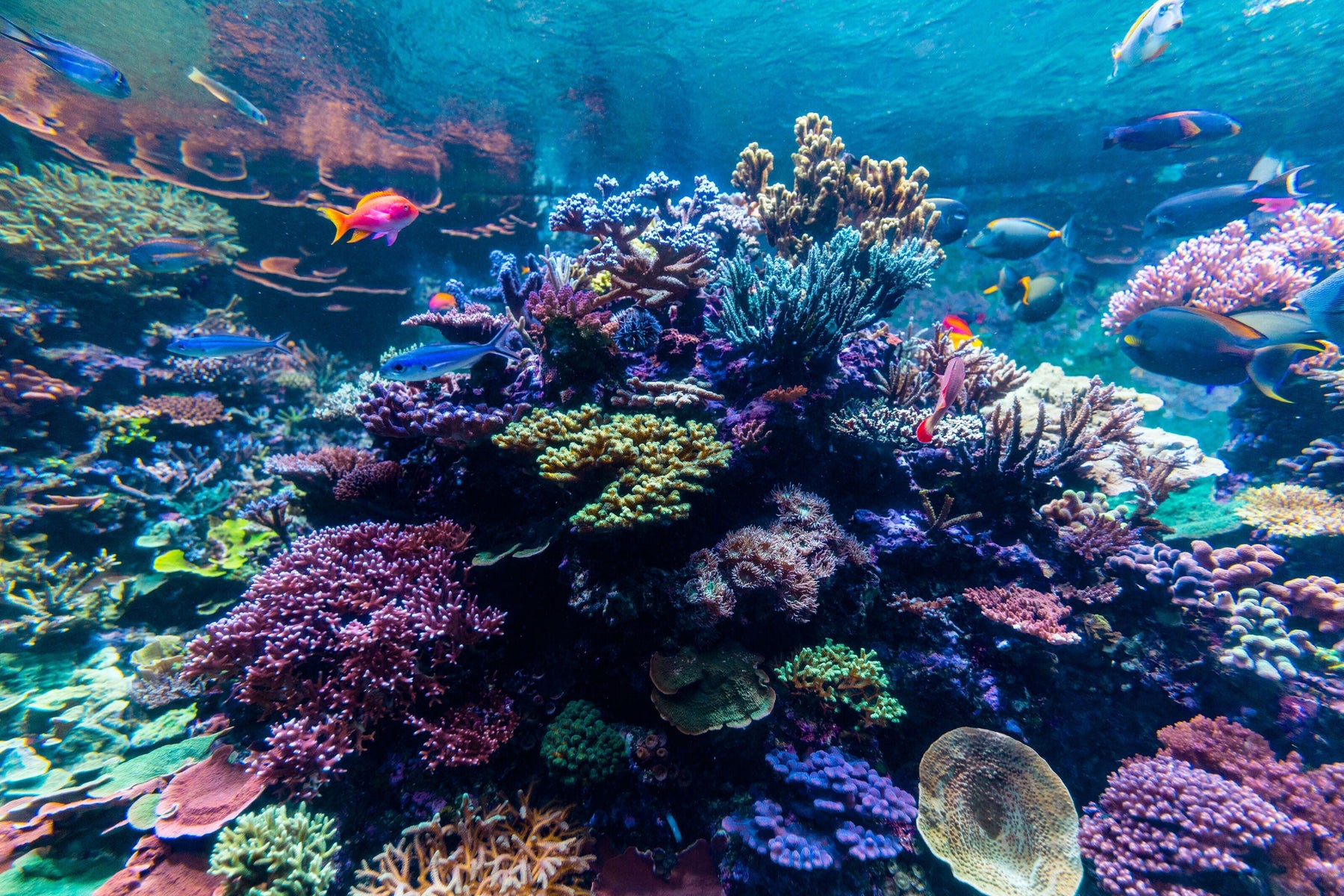
Credit: reefcoaquariums.com
Fall Preparation
Fall brings cooler weather and changes in your saltwater tank. Prepare your tank to keep fish and corals healthy. Adjust your care routines to match the new season.
Use these tips to maintain water quality and fish health during fall. Small changes help avoid stress and diseases in your saltwater tank.
Water Changes
Water changes are important as temperatures drop in fall. Cooler water holds less oxygen, so keep water clean to help fish breathe. Change water more often if needed.
- Test water temperature weekly
- Perform 10-20% water changes every two weeks
- Use dechlorinated or RO/DI water for refills
- Check salinity before and after water changes
Refilling Supplements
Fall can slow coral growth, but they still need supplements. Keep trace elements and minerals balanced for strong coral health. Refill supplements regularly to avoid shortages.
| Supplement | Recommended Frequency | Notes |
| Calcium | Weekly | Supports coral skeletons |
| Magnesium | Every 2 weeks | Helps maintain water balance |
| Alkalinity | Weekly | Prevents pH swings |
| Trace Elements | Monthly | Supports coral colors and growth |
Monitoring Fish Health
Fish can get stressed in fall. Watch for signs like hiding, slow swimming, or spots. Early detection prevents illness and saves lives.
Use this checklist to monitor your fish health:
- Check for clear eyes and bright colors
- Observe breathing rate for any changes
- Look for damage on fins or scales
- Note any unusual behavior or loss of appetite
- Keep quarantine tank ready for sick fish
Seasonal Equipment Tips
Saltwater tanks need special care as seasons change. Equipment must adjust to keep fish and corals safe. This guide covers heaters, chillers, lighting, and filtration tips.
Using the right settings and checking equipment often can prevent problems. Follow these simple seasonal tips for better tank health.
Heaters And Chillers
Temperature changes affect saltwater tanks. In cold months, heaters keep the water warm. In hot months, chillers prevent overheating. Check devices regularly to avoid failures.
- Test water temperature daily
- Clean heater and chiller surfaces monthly
- Replace old or faulty thermostats
- Use backup power during storms
Lighting Systems
Lighting affects coral growth and fish behavior. Shorter daylight in winter means lower light levels. Adjust timers and bulbs to match seasonal needs.
| Season | Lighting Duration | Recommended Action |
| Winter | 8-10 hours | Reduce light time to prevent algae |
| Spring | 10-12 hours | Increase gradually to support growth |
| Summer | 12-14 hours | Monitor for overheating and algae |
| Fall | 10-12 hours | Adjust down to prepare for winter |
Filtration Adjustments
Filtration needs change with water temperature and waste levels. Warmer water may need faster filtration to keep water clean. Cooler water slows biological processes.
Tips for seasonal filtration:
- Check filter media weekly
- Replace carbon and other media every 1-3 months
- Increase flow rate in summer
- Lower flow rate slightly in winter
- Clean mechanical filters more often during heavy feeding periods
Seasonal Feeding Adjustments
Saltwater tank creatures need different care in each season. Adjusting their diet helps them stay healthy.
Seasonal changes affect water temperature and light. These factors impact the dietary needs of your tank’s inhabitants.
Changing Dietary Needs
Different seasons change the nutritional requirements of your tank’s creatures. Warm months may boost metabolism, requiring more food.
In cooler months, they might need less food. Monitor their behavior and adjust the diet accordingly.
- Summer: Increase protein-rich foods for active fish
- Winter: Provide more algae-based foods
- Spring: Introduce variety to support growth
Feeding Frequency
Feeding frequency should change with the seasons. Warmer water speeds up metabolism, requiring more frequent feedings.
During cooler seasons, reduce feeding times. This helps prevent overfeeding and waste buildup.
- Summer: Feed twice a day for active fish
- Winter: Once a day or every other day
- Spring: Gradually increase frequency
Supplementation
Supplements help maintain health throughout the year. Seasonal changes can deplete certain nutrients.
Vitamins and minerals are crucial during temperature shifts. Ensure supplements match the current needs of your tank.
| Season | Supplement |
| Summer | Vitamins C and E for stress |
| Winter | Omega-3 fatty acids |
| Spring | Minerals for growth |
Seasonal Water Testing
Maintaining a saltwater tank requires regular water testing. Seasonal changes can affect water chemistry, making testing essential.
Understanding these changes helps keep your marine life healthy. Let’s explore key parameters and adjustments.
Key Parameters To Monitor
Monitoring water parameters keeps your saltwater tank stable. Changes in temperature or light can impact water quality.
- Salinity: Ensure it stays within a stable range.
- pH Level: Keep it between 8.1 and 8.4.
- Nitrate Levels: Should be as low as possible.
- Calcium: Essential for coral growth.
Adjusting Water Chemistry
Adjusting water chemistry is crucial during seasonal changes. Each parameter needs specific attention to maintain balance.
Use supplements carefully to correct any imbalances. Regular testing helps identify what needs adjustment.
Preventing Common Issues
Preventing issues in your saltwater tank is easier with regular checks. Common problems arise from overlooked changes.
- Algae Blooms: Can be controlled by monitoring nutrients.
- Coral Bleaching: Ensure stable water temperature.
- Fish Stress: Avoid sudden changes in water conditions.

Credit: myfirstfishtank.com
Frequently Asked Questions
How Do Seasonal Changes Affect Saltwater Tanks?
Seasonal changes impact water temperature, light intensity, and algae growth in saltwater tanks. Adjusting heater settings and lighting helps maintain stable conditions. Regular water testing ensures balanced parameters, preventing stress on marine life during seasonal shifts.
What Are The Best Seasonal Maintenance Tips For Saltwater Tanks?
Seasonal maintenance includes cleaning filters, checking water chemistry, and adjusting lighting schedules. Perform partial water changes and monitor temperature closely. Seasonal care reduces algae blooms and promotes a healthy environment for fish and corals.
How To Prevent Algae Blooms In Summer Saltwater Tanks?
Increase water circulation and reduce nutrient levels by regular water changes. Use proper lighting duration and intensity to limit algae growth. Adding algae-eating organisms can also help control blooms naturally during warmer months.
Should I Adjust Feeding Routines Seasonally In Saltwater Tanks?
Yes, feeding should be reduced in cooler months when fish metabolism slows. In warmer seasons, increase feeding slightly but avoid overfeeding. Balanced feeding supports fish health and reduces waste buildup in the tank.
Conclusion
Seasonal changes affect saltwater tanks in many ways. Keeping water temperature steady protects your fish. Regular cleaning helps avoid harmful algae growth. Adjust feeding routines to match tank conditions. Watch for signs of stress in your marine life. Small actions make a big difference for your tank’s health.
Stay patient and observe your tank often. Enjoy the beauty of a thriving saltwater tank all year.