
Have you ever wondered why your energy bills spike or your home feels uncomfortable during certain times of the year? The secret often lies in something called Seasonal Temperature Adjustment.
Understanding how to manage this simple change can save you money, improve your comfort, and even help the environment. You’ll discover easy ways to adjust your home’s temperature with the seasons, making your living space just right all year long.
Keep reading to unlock smart tips that put you in control of your comfort and costs.
Credit: irvinecooling.com
Benefits Of Seasonal Temperature Adjustment
Seasonal temperature adjustment helps control your home’s heating and cooling. It matches the HVAC settings to the outside weather changes. This keeps your indoor space comfortable throughout the year.
Using seasonal temperature adjustment also saves energy and lowers utility bills. It helps your heating and cooling system work better and last longer.
Enhancing Indoor Comfort
Adjusting temperatures with the seasons keeps your home cozy. It prevents rooms from being too hot or too cold. This creates a steady and pleasant environment.
Seasonal changes in temperature settings help balance humidity and airflow. This improves air quality and comfort for everyone in the house.
Reducing Energy Bills
Seasonal temperature adjustment lowers energy use by setting efficient temperatures. It avoids wasting power on extreme heating or cooling.
You can save money by using less electricity or gas. Small changes in thermostat settings make a big difference in costs.
- Set higher temperatures in summer when you are away
- Lower heating settings in winter when rooms are unused
- Use programmable thermostats to automate changes
Extending Hvac Lifespan
Seasonal temperature adjustment reduces strain on your HVAC system. It avoids overworking the equipment in extreme weather.
This lowers the risk of breakdowns and costly repairs. Your system runs smoother and lasts longer with proper seasonal care.

Credit: judithcurry.com
Optimal Temperature Settings For Each Season
Adjusting your home’s temperature for each season saves energy and keeps you comfortable. Different seasons need different settings to work best.
Follow these seasonal tips to set your thermostat right and maintain a cozy home all year long.
Winter Temperature Tips
In winter, keep your home warm but avoid high heat to save energy. Set your thermostat lower when you sleep or are away.
- Set thermostat to 68°F (20°C) when home and awake
- Lower to 60–62°F (15–17°C) at night or when away
- Use warm blankets and clothing to stay comfortable
- Seal windows and doors to keep heat inside
Summer Cooling Strategies
In summer, cooling your home efficiently helps reduce energy bills. Raise your thermostat when you are not home.
| Time | Recommended Temperature |
| At home, awake | 75–78°F (24–26°C) |
| Sleeping | 72–74°F (22–23°C) |
| Away from home | 78–85°F (26–29°C) |
Spring And Fall Adjustments
During spring and fall, temperatures change often. Use flexible settings to stay comfortable without wasting energy.
Try these tips for seasonal adjustments:
- Set thermostat between 65–70°F (18–21°C) during the day
- Lower temperature at night to save energy
- Use fans or open windows when weather allows
- Adjust settings daily based on outdoor weather
Smart Thermostats And Automation
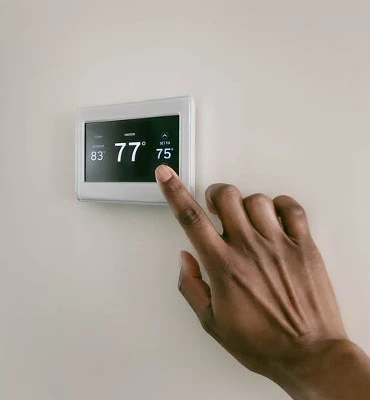
Smart thermostats help control home temperatures automatically. They adjust settings based on the season to save energy.
Automation lets your heating and cooling systems run efficiently without manual changes. This keeps your home comfortable all year.
Features That Improve Efficiency
Smart thermostats have sensors to detect temperature changes. They learn your schedule and adjust heat or air accordingly.
Some models use weather data to prepare your home for cold or warm days. This reduces energy waste and lowers bills.
- Temperature sensors for accurate readings
- Learning algorithms to match your routine
- Weather forecasting integration
- Energy usage reports for monitoring
Programming Seasonal Schedules
You can set different temperatures for each season in your smart thermostat. This keeps your home cozy in winter and cool in summer.
Schedules help the system know when you are home or away. It lowers energy use when no one is inside.
- Set winter heating and summer cooling times
- Adjust settings for weekdays and weekends
- Use vacation mode to save energy when away
- Automatic changeover between heating and cooling
Remote Control Advantages
Remote control lets you change settings from anywhere using a phone or tablet. This adds convenience and saves energy.
You can check your home temperature and adjust it before you arrive. This avoids heating or cooling an empty house.
- Control temperature from any location
- Receive alerts if temperatures are too high or low
- Manage multiple thermostats in one app
- Easy to update schedules on the go
Energy-saving Habits To Complement Adjustments
Seasonal temperature changes affect how much energy we use at home. Small habits can save energy and make adjustments work better.
By combining smart actions with temperature settings, you can keep your home comfortable and reduce bills.
Using Fans And Ventilation
Fans help move air and cool your home without using much energy. Use ceiling fans to spread cool air in summer.
- Run fans only in rooms you use
- Use exhaust fans in kitchens and bathrooms to remove hot air
- Open windows in early morning or late evening for fresh air
- Close windows and turn fans off when it gets hot outside
Managing Window Treatments
Window coverings control sunlight and heat entering your home. Adjusting them saves energy all year.
| Season | Window Treatment Action |
| Summer | Close blinds or curtains during the day to block heat |
| Winter | Open curtains in the sun to warm rooms naturally |
| All Year | Use reflective or insulated curtains to reduce energy loss |
Sealing And Insulating Your Home
Proper sealing and insulation stop drafts and keep the temperature steady inside.
- Check and fix gaps around doors and windows
- Use weatherstripping on movable parts
- Add insulation in the attic and walls
- Seal ducts and pipes to prevent energy loss
Common Mistakes To Avoid
Seasonal temperature adjustment helps keep homes comfortable all year. Many people make errors that reduce its effectiveness. Avoiding these mistakes saves energy and money.
Read on to learn the common errors in temperature control. Fixing these can improve your heating and cooling system’s performance.
Setting Extreme Temperatures
Setting your thermostat too high or too low wastes energy. Extreme temperatures force your system to work harder than needed. This leads to faster wear and higher bills.
- Do not set the thermostat above 78°F in summer or below 68°F in winter.
- Avoid large temperature swings between day and night.
- Use programmable thermostats to keep steady temperatures.
- Adjust settings gradually when the season changes.
Ignoring Maintenance Needs
Skipping regular maintenance reduces system efficiency. Dirty filters, clogged ducts, and worn parts cause problems. These issues make temperature control less reliable.
| Maintenance Task | Frequency | Effect if Ignored |
| Change air filters | Every 1-3 months | Reduced airflow and higher energy use |
| Clean ducts | Every 3-5 years | Poor air quality and uneven cooling |
| Inspect system parts | Yearly | Unexpected breakdowns and costly repairs |
Overlooking Humidity Control
Humidity affects comfort and temperature feeling. Too much moisture makes rooms feel warmer. Too little causes dry skin and static electricity.
Tips to manage humidity:
- Use a humidifier in dry winter months.
- Use a dehumidifier or ventilation in humid summer months.
- Seal leaks to prevent outside moisture entering.
- Monitor indoor humidity with a hygrometer.

Credit: hvacservice.net
Frequently Asked Questions
What Is Seasonal Temperature Adjustment?
Seasonal temperature adjustment modifies data to account for temperature changes across seasons. It helps compare energy use or costs fairly throughout the year.
Why Is Seasonal Temperature Adjustment Important?
It ensures accurate energy analysis by removing weather-related fluctuations. This helps businesses and homeowners understand true consumption patterns.
How Is Seasonal Temperature Adjustment Calculated?
It uses historical temperature and energy data to create correction factors. These factors adjust energy use to standard temperature conditions.
Which Sectors Benefit From Seasonal Temperature Adjustment?
Utilities, HVAC companies, and energy auditors use it for accurate billing and efficiency assessments. It also aids in budgeting and planning.
Conclusion
Seasonal temperature adjustment helps keep your home comfortable year-round. It saves energy and lowers utility bills. Small changes in your thermostat can make a big difference. Staying aware of temperature shifts protects your heating and cooling systems. This simple practice supports a healthier living environment.
Try adjusting your settings as seasons change to feel the benefits. It’s an easy way to manage comfort and costs. Give your home the care it needs with seasonal adjustments.