
Are you struggling to keep evaporation under control throughout the year? Seasonal evaporation management is the key to protecting your water resources and saving money.
Understanding how evaporation changes with the seasons can help you take smarter steps to reduce water loss. You’ll discover simple, effective ways to manage evaporation no matter the time of year. Keep reading to find out how you can make your water last longer and improve your overall efficiency.

Credit: www.researchgate.net
Seasonal Water Loss Patterns
Water loss through evaporation changes with the seasons. Understanding these patterns helps manage water resources better.
Seasonal evaporation affects lakes, rivers, and reservoirs. It also impacts how much water people and farms use.
Factors Influencing Evaporation Rates
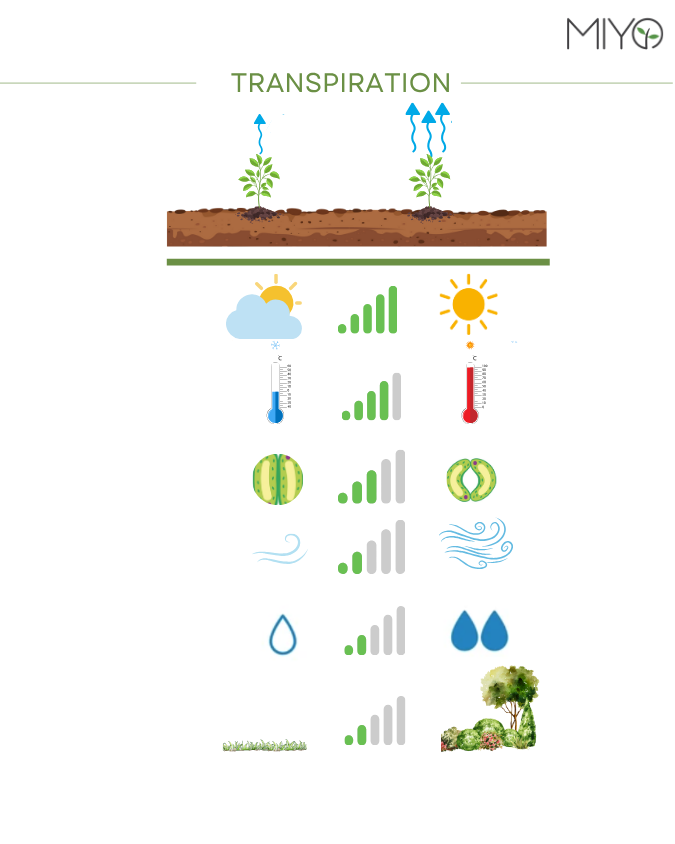
Several factors affect how fast water evaporates. These include temperature, wind, humidity, and sunlight.
- Higher temperatures increase evaporation.
- Strong winds carry moisture away faster.
- Low humidity allows more water to evaporate.
- More sunlight heats the water surface.
Impact Of Climate Variability
Climate changes cause shifts in evaporation patterns. Hotter years and dry spells raise water loss.
| Climate Factor | Effect on Evaporation |
| Temperature Rise | Increases evaporation rate |
| Reduced Rainfall | Exposes more water to evaporation |
| Stronger Winds | Speeds up moisture loss |
| Humidity Drops | Boosts evaporation |
Seasonal Trends In Water Usage
Water use changes by season, often matching evaporation patterns. Summer usually sees the highest demand.
- Irrigation needs grow in dry, hot months.
- Household water use rises in warm seasons.
- Winter months show lower water consumption.
- Water conservation becomes crucial in peak seasons.
Techniques To Reduce Evaporation
Evaporation causes water loss from soil and plants. Reducing evaporation saves water and keeps plants healthy.
Using simple techniques can help lower evaporation rates. This is important in dry and hot seasons.
Surface Covers And Mulching
Surface covers block sunlight and wind from drying soil. Mulching adds a protective layer over the ground.
Mulch can be made from straw, leaves, or wood chips. It keeps the soil cool and moist longer.
- Reduces soil temperature
- Blocks direct sunlight
- Limits water evaporation from soil
- Suppresses weed growth
Windbreaks And Shade Structures
Wind increases evaporation by moving moisture away quickly. Windbreaks reduce wind speed near plants.
Shade structures lower temperature and block harsh sunlight. They help keep soil and plants cooler.
- Windbreaks: fences, trees, or shrubs
- Shade cloths or mesh covers
- Temporary or permanent structures
- Reduce water loss by slowing air flow
Use Of Evaporation Inhibitors
Evaporation inhibitors are chemicals applied to water surfaces. They form a thin layer that slows water loss.
These inhibitors are safe for plants and soil. They work best in ponds, reservoirs, and irrigation canals.
- Reduce water surface exposure
- Lower evaporation rate
- Easy to apply and cost-effective
- Used in agriculture and water storage
Smart Irrigation Practices
Managing evaporation during different seasons helps save water. Smart irrigation uses less water but keeps plants healthy.
Using smart methods can reduce water waste and improve crop growth. These practices adapt to weather and soil needs.
Timing And Scheduling Watering
Water plants early in the morning or late in the evening. This reduces water lost to evaporation.
Set watering schedules based on weather and plant needs. Avoid watering on windy or hot days.
- Water before sunrise or after sunset
- Skip watering on rainy days
- Adjust schedule during hot or dry seasons
Drip And Subsurface Irrigation
Drip irrigation delivers water directly to plant roots. This cuts evaporation and saves water.
Subsurface irrigation puts water below the soil surface. It keeps roots moist and reduces surface evaporation.
- Drip lines or emitters release water slowly
- Subsurface tubes deliver water underground
- Both methods lower water loss from wind or sun
Soil Moisture Monitoring Tools
Soil moisture tools tell you when plants need water. This stops overwatering and saves water.
Use sensors or probes to check moisture levels below the surface. Water only when soil is dry.
- Use soil moisture sensors for real-time data
- Check soil moisture before watering
- Adjust watering based on sensor readings
Technology For Evaporation Control
Evaporation causes water loss from soil and plants. Controlling it saves water and improves crop health.
New technology helps farmers manage evaporation efficiently. These tools use data and automation to reduce waste.
Remote Sensing And Data Analytics
Remote sensing uses satellites and drones to monitor soil and plant moisture. It helps detect evaporation rates over large areas.
Data analytics processes this information to give clear insights. Farmers can see where water is lost and act quickly.
- Monitors soil moisture levels continuously
- Detects evaporation hot spots in fields
- Supports decision making with real-time data
Automated Irrigation Systems
Automated irrigation controls water supply based on soil needs. It reduces overwatering and evaporation.
These systems use sensors to measure moisture and adjust watering times. This saves water and keeps plants healthy.
- Uses soil moisture sensors for accuracy
- Turns irrigation on and off automatically
- Reduces water waste and evaporation loss
Weather Forecast Integration
Weather forecast integration helps plan irrigation better. It avoids watering before rain or during hot, dry days.
Farmers get alerts about upcoming weather changes. This stops unnecessary watering and cuts evaporation.
- Uses weather data to schedule irrigation
- Prevents watering before rain events
- Adjusts watering during dry, hot periods
Economic And Environmental Benefits
Seasonal evaporation management helps save water and money. It also protects the environment. Using this method can improve farming and local nature.
By controlling evaporation, farmers reduce water loss. This leads to better resource use and healthier crops. The environment also gains from less water waste.
Cost Savings From Reduced Water Use
Reducing evaporation lowers the amount of water needed for irrigation. This cuts down water bills and energy costs. Farmers spend less on water pumping and treatment.
- Lower water consumption means smaller bills
- Less energy needed for pumping water
- Reduced need for water treatment chemicals
- Longer water supply during dry seasons
Enhancing Crop Yields And Health
Managing evaporation keeps soil moisture steady. Plants get enough water without stress. This helps crops grow stronger and produce more.
| Benefit | Effect on Crops |
| Stable soil moisture | Better root growth |
| Less water stress | Higher yield |
| Reduced disease risk | Healthier plants |
Conservation Of Local Ecosystems
Less water evaporation helps keep streams and wetlands full. This supports fish, birds, and plants. Healthy ecosystems provide many benefits to people.
Ways evaporation management helps ecosystems:
- Maintains water levels in natural habitats
- Supports biodiversity by preserving plant and animal life
- Reduces soil erosion by keeping soil moist
- Improves water quality by limiting runoff
Credit: miyo.garden
Case Studies And Success Stories
Managing water evaporation is vital in many fields. Let’s explore some real-world examples. These case studies showcase effective strategies in different sectors.
From agriculture to urban areas and industrial settings, each has unique challenges. Learn how they’ve been successfully addressed.
Agricultural Applications
Farmers face the issue of water loss due to evaporation. Reducing this loss can save costs and increase yield.
- Use of mulch to cover soil
- Installation of shade nets
- Application of water-retentive polymers
Urban Landscaping
City parks and gardens are vital for public health. Efficient water use is crucial for their maintenance.
In one city, smart irrigation systems reduced water usage by 30%.
Industrial Water Management
Industries need large amounts of water for cooling and processing. Managing evaporation can cut costs significantly.
| Industry | Evaporation Reduction |
| Steel Manufacturing | 15% |
| Power Plants | 25% |
| Food Processing | 10% |

Credit: www.researchgate.net
Frequently Asked Questions
What Is Seasonal Evaporation Management?
Seasonal evaporation management controls water loss due to evaporation during different seasons. It helps conserve water in reservoirs, ponds, and irrigation systems. This method adapts techniques based on weather, temperature, and humidity changes throughout the year. Effective management reduces water waste and supports sustainable water use.
How Does Temperature Affect Evaporation Rates Seasonally?
Higher temperatures increase evaporation rates by speeding up water molecule movement. In summer, evaporation is typically higher due to heat and sunlight. Cooler seasons see slower evaporation. Understanding this helps in planning water conservation strategies for each season, ensuring efficient water management.
What Are Common Methods For Seasonal Evaporation Control?
Common methods include using floating covers, shade structures, and windbreaks. These reduce direct sunlight and wind exposure, lowering evaporation. Adjusting water levels seasonally also helps. Choosing the right method depends on the water body’s size and local climate for optimal results.
Why Is Seasonal Evaporation Management Important For Agriculture?
It prevents excessive water loss, ensuring crops receive adequate water. Managing evaporation seasonally optimizes irrigation schedules, saving water and reducing costs. Proper control supports plant health and boosts agricultural productivity, especially in arid regions or drought-prone seasons.
Conclusion
Managing evaporation through seasons saves water and reduces costs. Simple steps like covering water surfaces help a lot. Adjusting methods with weather changes keeps results steady. Small efforts lead to big water savings over time. Staying aware of seasonal shifts makes management easier.
Consistent care protects resources and supports the environment. Try these tips to keep evaporation under control year-round. Water conservation starts with smart, easy actions every day.