
Is your outdoor tank ready to face the heat this season? Whether you’re storing water, chemicals, or other liquids, keeping your tank cool is crucial to protect its contents and extend its lifespan.
You might think seasonal cooling is complicated or costly, but it doesn’t have to be. You’ll discover simple, effective ways to keep your outdoor tanks cool all year round. Ready to save your tanks from overheating and costly damage? Let’s dive in.

Credit: cool-off.com
Benefits Of Seasonal Cooling
Seasonal cooling helps keep outdoor tanks at safe temperatures. It protects the tanks and the fluids inside. This process adjusts cooling based on the weather changes.
Using seasonal cooling saves money and improves the lifespan of the tank and its contents. It is important for industries that rely on outdoor storage tanks.
Protecting Tank Integrity
Seasonal cooling reduces the stress caused by temperature changes. This helps prevent cracks and leaks in the tank. It also limits corrosion and material wear.
- Prevents expansion and contraction damage
- Reduces risk of rust and corrosion
- Maintains tank structure over time
- Improves safety for workers and environment
Enhancing Fluid Stability
Cooling tanks seasonally keeps fluids from spoiling or changing quality. It controls the fluid temperature to avoid chemical reactions or separation.
| Fluid Type | Effect of Cooling | Benefit |
| Oil | Prevents thickening | Keeps flow smooth |
| Water-based fluids | Stops algae growth | Maintains clarity |
| Chemicals | Limits reaction speed | Preserves strength |
Reducing Energy Costs
Seasonal cooling adjusts to current temperatures to save energy. It avoids overcooling during mild weather. This lowers electricity use and cuts costs.
Energy savings from seasonal cooling include:
- Lower power bills during spring and fall
- Reduced wear on cooling equipment
- Less need for backup cooling systems
Credit: www.enbigroup.com
Common Cooling Methods
Outdoor tanks can get very hot during the warm seasons. Keeping them cool helps protect the contents and the tank itself.
Several methods exist to lower the temperature of outdoor tanks. These methods use natural processes or mechanical tools.
Evaporative Cooling Techniques
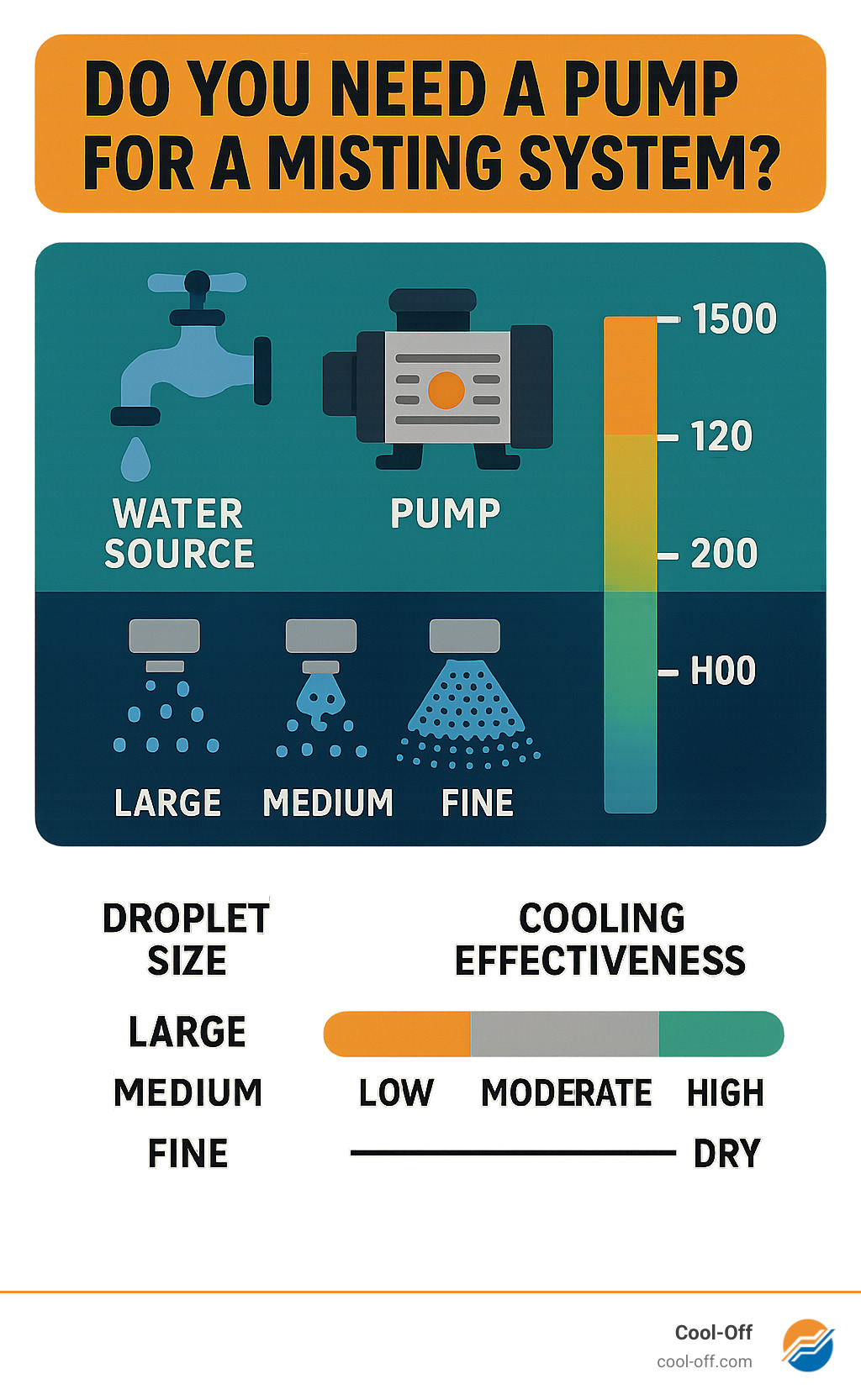
Evaporative cooling uses water evaporation to lower temperature. Water absorbs heat as it changes to vapor, cooling the tank surface.
- Spraying a fine mist of water on tank surfaces
- Using wet pads or cloths wrapped around the tank
- Installing drip systems for constant moisture
Passive Shade Solutions
Shade reduces direct sunlight on tanks, lowering heat gain. Trees, awnings, or shade sails help block the sun.
| Shade Type | Benefits |
| Natural Trees | Cost-free and eco-friendly |
| Shade Awnings | Easy to install and move |
| Shade Sails | Good for large areas |
Active Mechanical Systems
Mechanical systems use machines to cool tanks. Fans and chillers move air or lower temperature directly.
Common mechanical cooling options include:
- Electric fans to increase airflow
- Water chillers that cool water circulating around tanks
- Air conditioning units for enclosed tank areas
Material Selection For Tanks
Choosing the right materials for outdoor tanks is essential for seasonal cooling. The material affects how well the tank handles heat and keeps its contents cool.
This guide covers key materials that help protect tanks from heat damage and maintain cool temperatures during warm months.
Heat-resistant Materials
Tanks made from heat-resistant materials last longer under sunlight and high temperatures. These materials reduce warping and cracking.
- Stainless steel offers strong heat resistance and durability.
- Fiberglass resists heat and corrosion well.
- High-density polyethylene (HDPE) provides good heat tolerance and flexibility.
- Concrete tanks with heat-resistant coatings can also perform well outdoors.
Insulation Options
Adding insulation helps keep tank contents cool by slowing heat transfer. Several types of insulation fit outdoor tanks.
| Insulation Type | Description | Benefits |
|---|---|---|
| Foam Board | Rigid panels of polystyrene or polyurethane. | Strong thermal resistance and easy to install. |
| Spray Foam | Expands to fill gaps on tank surfaces. | Seals well and has high insulation value. |
| Reflective Foil | Shiny layers that reflect sunlight. | Reduces heat absorption from the sun. |
| Blanket Insulation | Flexible fiberglass or mineral wool rolls. | Good for wrapping uneven surfaces. |
Reflective Coatings
Reflective coatings lower heat absorption by bouncing sunlight away from tank surfaces. They improve cooling without thick insulation.
Common reflective coatings include:
- White or light-colored paints designed for outdoor use
- Special ceramic-based coatings that reflect infrared rays
- Metallic finishes that create a mirror-like surface
Credit: cool-off.com
Placement Strategies
Choosing the right place for outdoor tanks helps keep them cool during hot seasons. Proper placement reduces heat damage and saves energy.
Use smart strategies to position tanks for the best sun exposure, natural shade, and airflow. This can extend tank life and improve performance.
Optimal Location For Sun Exposure
Place tanks where they get limited direct sunlight. Too much sun can raise tank temperature and stress the contents.
- Face tanks north or east to avoid afternoon sun.
- Choose spots with morning sun for gentle warming.
- Avoid south-facing areas that get harsh sunlight all day.
- Check sun paths during different seasons.
Use Of Natural Shade
Natural shade helps keep tanks cool without extra cost. Trees and shrubs can block strong sunlight effectively.
| Shade Source | Benefits |
|---|---|
| Deciduous Trees | Shade in summer, sunlight in winter |
| Evergreen Trees | Year-round shade and wind barrier |
| Shrubs | Lower shade, protect from ground heat |
| Structures (Pergolas) | Controlled shade, easy placement |
Elevation And Ventilation
Elevate tanks off the ground to improve airflow and reduce heat from soil. Good ventilation lowers tank temperature and moisture build-up.
- Use stands or platforms to raise tanks.
- Keep space around tanks clear for air circulation.
- Place tanks where natural breezes can flow freely.
- Avoid corners or tight spaces that trap heat.
Maintenance Tips
Outdoor tanks need special care during different seasons. Regular maintenance keeps them efficient and long-lasting.
Proper cleaning and inspection ensure cooling systems work well. Adjustments for each season help in maintaining optimal performance.
Regular Cleaning
Cleaning your outdoor tanks is essential for good performance. Dirt and debris can affect cooling efficiency.
Use mild soap and water for cleaning. Avoid harsh chemicals that might damage the tank material.
- Check for mold and algae growth
- Rinse thoroughly after cleaning
- Inspect for cracks or leaks
Inspecting Cooling Systems
Regular inspection of cooling systems is important. It helps detect issues early and prevents costly repairs.
Look for unusual sounds or vibrations. These can indicate a problem with the cooling system.
- Check fan and motor function
- Ensure vents are clear and unobstructed
- Examine coolant levels and refill if necessary
Seasonal Adjustments
Adjusting your cooling system for different seasons is crucial. This ensures efficiency and prevents overworking the system.
In winter, cover tanks to prevent freezing. In summer, ensure proper ventilation to avoid overheating.
- Adjust thermostat settings according to weather
- Use insulation covers for temperature control
- Monitor system regularly for changes
Energy Efficiency Practices
Cooling outdoor tanks uses a lot of energy. Saving energy lowers costs and helps the environment.
Using smart methods can keep tanks cool while using less power. This guide explains easy ways to save energy.
Scheduling Cooling Cycles
Set cooling cycles to run only when needed. Avoid cooling tanks all day long without breaks.
Use timers or sensors to start cooling during hot hours. Stop cooling when temperatures drop.
- Run cooling equipment during peak heat times
- Pause cooling at night or cooler times
- Adjust cycles based on tank temperature
Using Renewable Energy
Power cooling systems with solar or wind energy. These sources reduce reliance on fossil fuels.
Install solar panels to run fans or pumps. Renewable energy cuts electricity bills and pollution.
- Solar panels provide clean energy during the day
- Wind turbines can supply power anytime
- Battery storage helps use renewable energy at night
Monitoring And Automation
Use sensors to track tank temperature and weather conditions. Automation adjusts cooling automatically.
This reduces energy waste by cooling only when necessary. Automation keeps tanks safe and saves power.
- Temperature sensors send data to control systems
- Automated systems turn cooling on/off as needed
- Remote monitoring helps catch problems early
Case Studies
Seasonal cooling is important for outdoor tanks. It helps keep the tanks safe and working well. Many industries use cooling systems to protect their tanks from heat damage.
This section shares real examples of how different sectors use cooling for outdoor tanks. These stories show how cooling systems help in tough conditions.
Industrial Tank Cooling Success
In factories, tanks hold chemicals that can get too hot. Cooling keeps these tanks safe and stable. One factory used a water spray system to cool their large tanks during summer.
The system lowered tank temperatures by 15 degrees Celsius. This stopped damage and kept production steady.
- Installed water spray nozzles around tanks
- Used temperature sensors to control sprays
- Reduced tank overheating during hot days
Agricultural Applications
Farmers use outdoor tanks to store water and feed. Heat can spoil the contents. One farm added shade covers and fans to cool their tanks.
This helped keep water fresh and feed safe for animals. The cooling also saved money by reducing waste.
- Built shade structures over tanks
- Installed fans for air circulation
- Monitored temperature with simple gauges
Innovative Cooling Solutions
Some places use new ideas to cool tanks. For example, solar-powered cooling systems reduce energy use. One company created a cooling jacket that wraps around tanks.
The jacket cools tanks without water. This system is good for dry areas and cuts cooling costs.
- Solar panels power cooling units
- Cooling jackets provide direct tank cooling
- System works without extra water use
Frequently Asked Questions
What Is Seasonal Cooling For Outdoor Tanks?
Seasonal cooling helps regulate outdoor tank temperatures during hot months. It prevents overheating and maintains liquid quality. This process uses insulation, shading, or cooling systems to protect tanks from heat damage.
Why Is Seasonal Cooling Important For Outdoor Tanks?
Seasonal cooling prevents product spoilage and equipment damage. It extends tank lifespan by reducing thermal stress. Proper cooling ensures safety and maintains operational efficiency in extreme weather.
How Can I Cool My Outdoor Tanks Effectively?
Use insulation blankets, reflective covers, or shade structures. Installing evaporative cooling systems or fans also helps. Regular maintenance and monitoring optimize cooling performance and energy use.
When Should Seasonal Cooling Be Implemented For Tanks?
Start cooling measures before temperatures rise significantly. Early preparation ensures tanks remain stable during heatwaves. Monitor weather forecasts to activate cooling systems timely.
Conclusion
Seasonal cooling helps keep outdoor tanks safe and working well. It stops overheating and protects the tank’s material. Simple steps can save money and reduce damage risks. Regular checks and good cooling methods make a big difference. Stay aware of weather changes to adjust cooling as needed.
This care extends the tank’s life and improves safety. Small efforts now prevent big problems later. Cooler tanks mean smoother operations all year round.