
Bringing new fish into your aquarium is exciting, but are you prepared for how the changing seasons affect them? Seasonal acclimation is key to keeping your fish healthy and happy all year round.
If you want to avoid sudden stress or illness in your aquatic pets, understanding how to adjust their environment as the weather shifts is crucial. Keep reading to discover simple, effective steps you can take to help your fish thrive no matter the season.
Your fish will thank you for it!

Credit: www.youtube.com
Preparing The Tank Environment
Adding new fish to your tank requires careful preparation. The tank must suit the needs of your fish.
Seasonal changes can affect the tank environment. Adjusting the tank helps fish stay healthy.
Adjusting Water Temperature
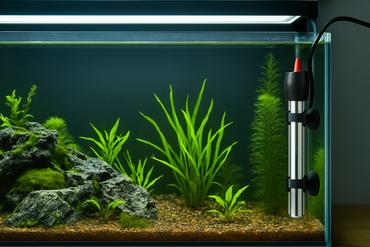
Fish need stable water temperature to avoid stress. Use a heater or cooler as the season changes.
Check the temperature daily. Keep it within the range suitable for your fish species.
- Use a reliable aquarium thermometer
- Set heater for tropical fish in colder months
- Use a chiller if water gets too warm
- Avoid sudden temperature changes
Maintaining Water Quality
Clean water keeps fish healthy and active. Seasonal changes can affect water quality.
Test water often and do partial water changes. Remove waste and uneaten food regularly.
- Check pH, ammonia, nitrite, and nitrate levels
- Change 10-20% of water weekly
- Use a good filter and clean it monthly
- Remove decayed plants and debris
Setting Up Proper Lighting
Lighting affects fish behavior and plant growth. Adjust lighting to match natural seasons.
Use timers to control light duration. Avoid too much or too little light in the tank.
- Provide 8-12 hours of light daily
- Use LED lights with adjustable brightness
- Reduce light in winter to mimic shorter days
- Increase light in summer for plant growth

Credit: angiesfishroom.com
Selecting Suitable Fish Species
Choosing the right fish species is key for a healthy aquarium or pond. Different fish thrive in different temperatures and seasons.
Understanding the needs of cold-water and warm-water fish helps you keep them safe all year round.
Cold-water Vs Warm-water Fish
Cold-water fish prefer cooler temperatures below 70°F (21°C). Warm-water fish do best above 70°F.
- Cold-water fish include trout, goldfish, and koi.
- Warm-water fish include guppies, mollies, and cichlids.
- Cold-water fish need more oxygen in water.
- Warm-water fish often need warmer, stable water.
Considering Seasonal Changes
Fish need changes in care as seasons change. Temperature shifts affect their health and behavior.
| Season | Cold-Water Fish Care | Warm-Water Fish Care |
| Spring | Increase feeding slowly | Watch for temperature rise |
| Summer | Provide shade and oxygen | Keep water warm and clean |
| Fall | Reduce feeding gradually | Prepare for cooler temperatures |
| Winter | Maintain cool water, avoid freezing | Use heaters to keep warm |
Gradual Acclimation Process
Adding new fish to your aquarium needs care. A gradual acclimation process helps fish adjust safely.
This process reduces stress and improves fish health during seasonal changes.
Temperature Adjustment Techniques
Fish need time to adapt to new water temperatures. Sudden changes can harm them.
Slowly change the water temperature to match the new environment. This helps fish stay healthy.
- Float the fish bag in the new tank water for 15 minutes.
- Add small amounts of tank water to the bag every 10 minutes.
- Repeat until the water temperature inside the bag matches the tank.
- Gently release the fish into the tank after temperature matches.
Introducing New Fish Slowly
Bring new fish into the tank carefully and without rushing. Let them get used to the new space.
Adding fish slowly prevents fights and helps them feel safe.
- Start by keeping new fish in a separate container inside the tank.
- Let fish see each other but avoid direct contact at first.
- After a few days, release new fish gently into the main tank.
- Watch behavior closely for signs of stress or aggression.
Credit: www.ratemyfishtank.com
Feeding Strategies During Seasonal Transition
Fish need changes in their diet as seasons change. Different temperatures affect their digestion and energy.
Feeding strategies help fish stay healthy during seasonal shifts. Watch their needs and adjust food accordingly.
Adjusting Diet For Temperature Changes
Cold water slows fish metabolism. Fish eat less and digest slower. Warmer water speeds digestion and increases appetite.
- Reduce feeding amounts in cooler months to avoid waste.
- Use high-protein food in warm months for energy.
- Choose easily digestible food during cold seasons.
- Feed smaller portions more often to prevent overfeeding.
Monitoring Feeding Behavior
Watch fish closely to see how they eat. Changes in behavior signal diet or health issues.
| Behavior | Meaning |
|---|---|
| Slow eating | Lower metabolism, need less food |
| Refusal to eat | Possible stress or illness |
| Increased appetite | Warmer water, higher energy needs |
| Aggressive feeding | Competition or overfeeding |
Monitoring Fish Health
Keeping fish healthy is key when introducing them to new surroundings. Careful watching helps catch problems early. This makes it easier to keep fish safe and happy.
Seasonal changes can stress new fish. Knowing the signs of stress and how to stop diseases helps maintain a strong fish population.
Recognizing Stress Signs
Stress makes fish weak and prone to illness. Watch for changes in behavior and appearance. Early detection helps prevent serious problems.
- Fish stop eating or eat less
- Hiding more than usual
- Rapid or labored breathing
- Clamped fins or unusual swimming
- Color fading or spots on skin
Preventing Common Diseases
Good care lowers disease risks. Clean water and proper feeding help fish stay strong. Watch water temperature and quality closely.
| Disease | Cause | Prevention |
| Ich (White Spot) | Parasite | Maintain stable temperature |
| Fin Rot | Bacteria | Keep water clean |
| Fungal Infection | Fungus | Avoid overcrowding |
| Swim Bladder | Infection or injury | Feed balanced diet |
Tank Maintenance Tips
Keeping your fish tank clean is essential for healthy fish. Regular maintenance ensures a safe environment for new fish to acclimate.
Proper tank maintenance involves monitoring water quality and cleaning. These steps help fish adapt to seasonal changes.
Regular Water Testing
Testing water regularly helps maintain a stable environment. Fish need specific conditions for a healthy life.
Check water parameters like pH, ammonia, and nitrates. These elements affect fish health directly.
- Test pH levels weekly
- Monitor ammonia levels every two weeks
- Keep nitrates below 20 ppm
Cleaning And Filtration
Cleaning and filtration are crucial for a balanced tank. They remove waste and keep water clear.
Regular cleaning prevents harmful bacteria from building up. Filtration systems help maintain water quality.
- Clean the tank glass weekly
- Replace filter media monthly
- Vacuum the substrate to remove debris
Using Seasonal Accessories
New fish need time to adjust to their environment. Seasonal accessories can help them feel comfortable.
These tools make it easier for fish to thrive throughout the year.
Heaters And Cooling Devices
Water temperature is crucial for fish health. Heaters and cooling devices ensure a stable environment.
- Heaters keep water warm in the winter.
- Cooling devices prevent overheating in summer.
- Thermostats help maintain constant temperatures.
Seasonal Decorations And Hiding Spots
Decorations create a more natural habitat. Hiding spots give fish a place to rest and hide.
Consider these seasonal decoration ideas:
- Autumn leaves provide a cozy look.
- Spring flowers add bright colors.
- Winter caves offer shelter.
Frequently Asked Questions
How Do I Acclimate New Fish For Seasonal Changes?
To acclimate new fish, gradually adjust water temperature over several hours. Slowly introduce seasonal water conditions to reduce stress. This helps fish adapt safely and thrive in their new environment.
Why Is Seasonal Acclimation Important For New Fish?
Seasonal acclimation prevents shock from sudden temperature or water changes. It improves fish health, reduces mortality, and ensures smooth adaptation during seasonal shifts.
What Temperature Range Is Safe For New Fish Acclimation?
Maintain a temperature range close to the fish’s original habitat. Gradually shift temperature by 1-2°F per hour to avoid stress and promote healthy acclimation.
How Long Should I Acclimate New Fish Seasonally?
Acclimate new fish for at least 2 to 4 hours. Longer acclimation periods help fish adjust to temperature and water chemistry changes safely.
Conclusion
Seasonal acclimation helps new fish adjust to changing water conditions. It keeps fish healthy and reduces stress. Gradual changes in temperature and environment make a big difference. Watch your fish closely during each season. Small steps lead to strong, happy fish.
Taking time to acclimate shows you care. This simple process supports fish well-being year-round. Remember, patience and care create a safe home for your fish.