
Keeping your saltwater species tank healthy and vibrant can feel like a challenge. You want your colorful fish and delicate corals to thrive, but maintenance tasks might seem overwhelming.
What if you could simplify the process and enjoy a stunning underwater world without the stress? This guide will help you understand essential maintenance steps that protect your tank’s balance and beauty. By following easy, effective tips, you’ll save time, reduce problems, and watch your saltwater species flourish like never before.
Ready to transform your tank care routine? Let’s dive in.
Choosing The Right Equipment
Keeping a saltwater species tank healthy needs the right tools. Good equipment helps your marine life live well.
Pick equipment that matches your tank size and the needs of your fish and corals. This keeps water clean and stable.
Selecting Filters And Pumps
Filters keep the water clean by removing waste and dirt. Pumps move water to give fish oxygen and stop bad spots.
Choose filters and pumps based on tank size and the type of animals inside. Strong pumps help corals get food and oxygen.
- Use a protein skimmer to remove organic waste
- Choose a pump with enough power for your tank volume
- Check that filters fit your tank’s saltwater environment
Lighting For Marine Life
Marine plants and corals need good light to grow. Proper lighting helps them stay healthy and colorful.
Pick lights that match the needs of your tank’s species. LED lights save energy and last a long time.
- Use full spectrum lights for coral growth
- Set timers to mimic natural day and night cycles
- Adjust light intensity based on species needs
Heaters And Thermometers
Saltwater fish need steady temperatures. Heaters keep the water warm enough all the time.
Thermometers help you watch the temperature closely. Choose reliable tools to avoid sudden changes.
- Pick heaters made for saltwater tanks
- Use digital thermometers for accurate readings
- Keep temperature stable between 75°F and 82°F
Water Quality Essentials
Maintaining water quality is key for a healthy saltwater species tank. Good water keeps fish and corals alive and active.
Regular care helps prevent diseases and keeps the tank environment stable. Focus on key water factors.
Testing Parameters Regularly
Test water often to track important parameters. This helps catch problems early before harm occurs.
Common tests include ammonia, nitrite, nitrate, and phosphate levels. These show if the tank is safe.
- Ammonia: Should be 0 ppm (parts per million)
- Nitrite: Should be 0 ppm
- Nitrate: Keep below 20 ppm
- Phosphate: Keep low to avoid algae growth
Maintaining Salinity Levels
Salinity means how much salt is in the water. Saltwater species need stable salt levels to live well.
Use a hydrometer or refractometer to check salinity. It should match natural ocean water for best results.
- Ideal salinity: 1.020 to 1.026 specific gravity
- Check salinity weekly or after water changes
- Adjust with fresh water or salt mix as needed
Managing Ph And Alkalinity
pH shows how acidic or basic the water is. Saltwater tanks need a stable pH near ocean levels.
Alkalinity helps keep pH stable. It also supports coral growth by balancing water chemistry.
- Ideal pH: 8.0 to 8.4
- Keep alkalinity between 8 to 12 dKH (degrees of carbonate hardness)
- Test pH and alkalinity twice a week
- Use buffers to adjust alkalinity if needed
Cleaning Techniques
Keeping a saltwater species tank clean is essential for the health of your aquatic life. Regular cleaning helps maintain water quality and reduces harmful buildup.
Understanding the best cleaning methods makes tank care easier and more effective. Focus on algae removal, substrate care, and tank surface cleaning.
Removing Algae And Debris
Algae can grow quickly and cover tank surfaces, harming your fish and corals. Remove algae regularly to keep the tank clear and healthy.
- Use an algae scraper or magnetic cleaner for glass surfaces.
- Manually remove algae from rocks and decorations.
- Siphon out debris and uneaten food during water changes.
- Keep lighting on a timer to prevent excess algae growth.
Proper Gravel And Substrate Care
Gravel and substrate collect waste and leftover food. Cleaning them helps prevent bad odors and harmful bacteria buildup.
| Tool | Use | Frequency |
| Gravel vacuum | Remove debris and waste | Weekly |
| Soft brush | Clean delicate substrate areas | Monthly |
| Water change | Refresh tank water and substrate | Every 1-2 weeks |
Cleaning Tank Surfaces
Tank surfaces include glass walls, lids, and equipment. Keeping them clean improves tank appearance and light penetration.
Follow this simple routine:
- Turn off electrical equipment before cleaning.
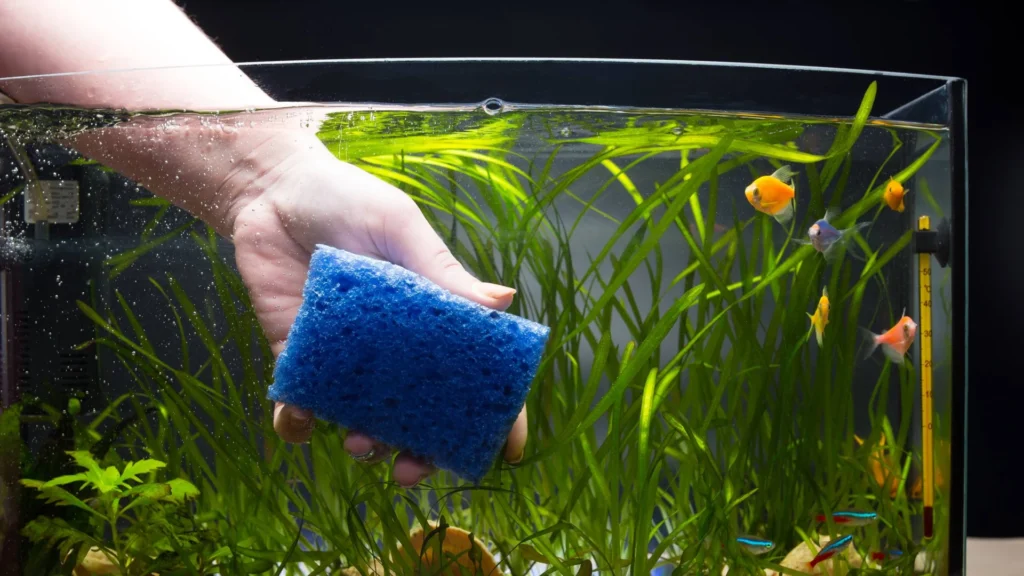
- Use a soft cloth or sponge with aquarium-safe cleaner.
- Wipe inside glass gently to avoid scratches.
- Clean lids and light covers to remove dust.
- Rinse tools and cloths thoroughly after use.
Credit: www.dirtblastercleaningservices.com
Feeding And Nutrition
Proper feeding is key to keeping saltwater species healthy. Good nutrition supports growth and vibrant colors.
Understanding what and how to feed your tank inhabitants helps avoid common problems.
Choosing The Right Food
Different species need different foods. Some fish eat flakes, while others prefer frozen or live food.
- Herbivores need algae and plant-based food.
- Carnivores prefer shrimp, fish, or meaty foods.
- Omnivores require a mix of plants and meat.
- Use quality food to provide vitamins and minerals.
- Feed food that matches the species’ natural diet.
Feeding Schedules
Set a regular feeding time to keep fish healthy and reduce waste. Most saltwater fish eat one to two times daily.
| Species Type | Feeding Frequency |
| Herbivores | 2 times per day |
| Carnivores | 1 to 2 times per day |
| Omnivores | 1 to 2 times per day |
| Corals | Every other day or as needed |
Avoiding Overfeeding
Overfeeding causes water pollution and health issues. Feed small amounts that fish can eat within minutes.
- Give only what fish finish in 2-3 minutes.
- Remove uneaten food after feeding time.
- Watch fish behavior to adjust amounts.
- Use feeding tools to control portions.
- Keep consistent feeding times daily.
Preventing Common Issues
Keeping a saltwater species tank healthy needs careful care. Common problems can harm fish and corals. You can prevent many issues by watching the tank closely and acting fast.
Knowing what to look for and how to handle problems helps keep your tank thriving. This guide covers key ways to stop trouble before it starts.
Identifying Diseases Early
Early signs of disease in saltwater fish include changes in color, spots, or unusual swimming. Check fish daily for these signs. Acting quickly can save your fish.
- Look for white spots or patches on the fish
- Notice if fish hide more than usual
- Watch for rapid breathing or gasping at the surface
- Check for torn fins or wounds
- Observe if fish lose appetite
Controlling Pest Organisms
Pests like flatworms or aiptasia anemones can damage corals and plants. Removing pests early keeps the tank safe. Use safe methods to control pests without harming other species.
| Pest Type | Signs | Control Method |
| Flatworms | Thin, moving worms on coral | Manual removal or flatworm traps |
| Aiptasia Anemones | Small, stinging anemones on rocks | Use natural predators or spot treatments |
| Sponge Overgrowth | Soft, spreading growth on surfaces | Physical removal and water quality improvement |
Handling Water Contaminants
Water quality is key to fish health. Contaminants like ammonia and nitrate stress animals and plants. Test water often and keep it clean.
Use this simple checklist for water care:
- Test ammonia, nitrite, and nitrate weekly
- Change 10-15% of water every two weeks
- Use a good filtration system
- Avoid overfeeding to reduce waste
- Keep salt levels stable

Credit: jungleaquatics.com
Regular Maintenance Routines
Keeping a saltwater species tank healthy needs regular care. This helps fish and corals stay safe and thrive. Following a routine stops problems before they start.
Focus on weekly and monthly tasks. Also, check water levels and equipment often. These steps keep the tank stable and clean.
Weekly And Monthly Tasks
Perform specific tasks each week and month. Weekly tasks keep the tank clean. Monthly tasks handle deeper cleaning and testing.
- Check water temperature and clarity weekly
- Remove algae from glass and decorations weekly
- Test water parameters monthly for pH, ammonia, and nitrates
- Clean filter media monthly to keep it working well
- Trim live plants or corals monthly if needed
Water Changes And Top-offs
Water changes remove waste and keep salt levels steady. Top-offs replace water lost to evaporation. Both keep fish healthy.
| Task | Frequency | Details |
| Partial Water Change | Weekly or Biweekly | Change 10-20% of water using prepared saltwater |
| Top-off Evaporated Water | Daily or Every Few Days | Add fresh water to keep tank level steady |
| Check Salinity | Weekly | Use a hydrometer or refractometer to measure salt levels |
Equipment Inspection
Check all equipment to avoid failures. Clean and repair parts as needed. This keeps the tank safe and running well.
- Inspect heaters and thermostats for correct operation
- Clean pumps and powerheads to prevent clogs
- Check lights and timers for proper function
- Examine filters and replace media if dirty
- Look for leaks or cracks in tanks and plumbing
Enhancing Tank Stability
Maintaining a stable saltwater species tank is essential for healthy fish and corals. A steady environment helps reduce stress and promotes growth.
Several factors contribute to tank stability. Balancing biological load, using live rock and sand, and optimizing water flow are key steps.
Balancing Biological Load
Biological load means the number of animals and plants in your tank. Too many creatures create waste that harms water quality.
Keep a balanced number of fish and invertebrates. This helps natural bacteria break down waste efficiently.
- Do not overcrowd your tank
- Choose species that produce less waste
- Regularly test water for ammonia and nitrites
Using Live Rock And Sand
Live rock and sand host helpful bacteria and tiny organisms. These creatures help clean the water by breaking down waste.
Place live rock to create hiding spots and increase surface area for bacteria. Use live sand to support the tank’s natural cycle.
- Use good quality live rock and sand
- Arrange rocks to allow water circulation
- Clean sand gently to avoid killing bacteria
Optimizing Water Flow
Water flow moves oxygen and nutrients. It also carries away waste products. Good flow keeps the tank environment healthy.
Use pumps and powerheads to create steady, natural currents. Avoid dead spots where water does not move.
- Place pumps for even flow throughout the tank
- Adjust flow speed to suit tank inhabitants
- Regularly clean equipment to maintain performance

Credit: www.youtube.com
Frequently Asked Questions
How Often Should I Clean A Saltwater Species Tank?
Clean your saltwater tank weekly to maintain water quality. Remove algae, debris, and uneaten food regularly. Perform partial water changes of 10-20% every 1-2 weeks. Consistent cleaning prevents harmful buildup and keeps fish healthy.
What Is The Ideal Water Temperature For Saltwater Tanks?
Maintain saltwater tank temperature between 75-82°F (24-28°C). Stable temperature supports marine species’ health and reduces stress. Use a reliable aquarium heater and thermometer. Avoid sudden temperature changes to ensure a stable environment.
How Do I Test Water Quality In A Saltwater Tank?
Test key parameters like pH, salinity, ammonia, nitrite, and nitrate weekly. Use aquarium test kits for accurate results. Proper water quality ensures fish health and prevents disease. Adjust water conditions promptly if tests show imbalance.
What Equipment Is Essential For Saltwater Tank Maintenance?
Essential equipment includes a protein skimmer, powerhead, heater, and quality filtration system. A hydrometer or refractometer measures salinity. Proper equipment maintains water quality and mimics natural marine habitat for your species.
Conclusion
Maintaining a saltwater species tank takes regular care and attention. Clean water keeps fish and corals healthy. Test water often to catch problems early. Feed your fish the right food in small amounts. Remove waste and uneaten food to avoid pollution.
Check equipment like filters and lights regularly. A well-kept tank creates a beautiful underwater world. Enjoy watching your saltwater species thrive every day. Simple steps lead to a happy and healthy aquarium.