
Are you thinking about adding a splash of the ocean to your home? Saltwater species in aquariums offer vibrant colors and fascinating behaviors that freshwater fish just can’t match.
But keeping these beautiful creatures isn’t always easy—you need the right setup, care, and knowledge to see them thrive. You’ll discover everything you need to know to create a stunning saltwater aquarium that will captivate your guests and bring the wonders of the sea right to your living room.
Ready to dive in? Let’s explore how you can make your saltwater aquarium a true underwater paradise.
Popular Saltwater Species
Saltwater aquariums offer a glimpse into vibrant underwater worlds. Many species bring color and life to these tanks. Choosing the right species helps create a balanced and beautiful environment.
This guide covers some popular saltwater species for your aquarium. Learn about colorful reef fish, coral varieties, invertebrates, crustaceans, and marine plants.
Colorful Reef Fish
Reef fish add bright colors and interesting shapes to saltwater tanks. They often have peaceful behavior and live well with others.
- Clownfish – Known for their orange and white stripes.
- Blue Tang – Bright blue with a yellow tail fin.
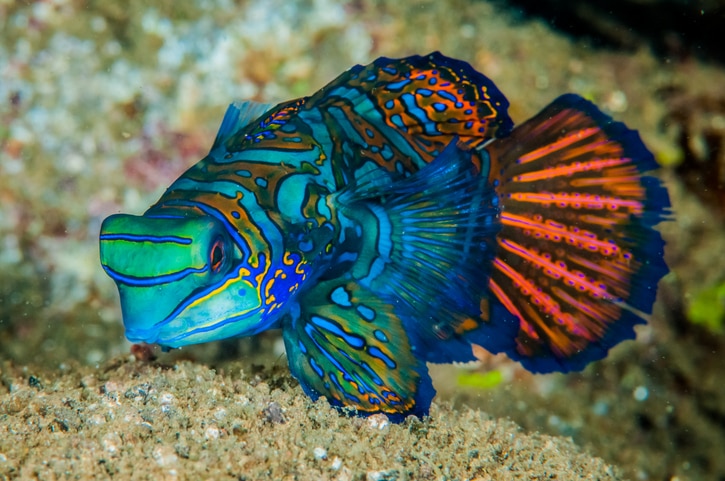
- Mandarinfish – Displays a mix of blue, green, and orange patterns.
- Royal Gramma – Purple front and yellow back colors.
- Firefish – Small, with red and white coloring and long fins.
Coral Varieties
Corals form the foundation of reef tanks. They come in many shapes and colors. Soft corals sway with water movement, while hard corals build rigid structures.
| Coral Type | Description | Care Level |
| Brain Coral | Hard coral with grooved surface | Medium |
| Leather Coral | Soft coral with smooth texture | Easy |
| Acropora | Branching hard coral, colorful | Hard |
| Mushroom Coral | Soft, round-shaped coral | Easy |
Invertebrates And Crustaceans
These species help clean the tank and add diversity. Many are peaceful and easy to keep. Some burrow in sand or climb on rocks.
- Cleaner Shrimp – Removes parasites from fish.
- Hermit Crab – Uses shells for protection and cleans algae.
- Sea Anemone – Attaches to rocks and hosts clownfish.
- Feather Duster Worm – Filters food from water with feather-like tentacles.
- Emerald Crab – Eats unwanted algae in tanks.
Marine Plants
Marine plants add oxygen and natural beauty. They provide hiding places for fish and improve water quality. Some grow fast and need regular trimming.
| Plant Name | Description | Light Needs |
|---|---|---|
| Caulerpa | Green algae, fast growing | Medium |
| Halimeda | Calcified green algae with leaf shapes | High |
| Sea Lettuce | Bright green, sheet-like algae | Low |
| Red Gracilaria | Red algae with soft branches | Medium |
Credit: www.chewy.com
Tank Setup Essentials
Setting up a saltwater aquarium needs careful planning. You must prepare the environment to keep saltwater species healthy.
This guide covers the basics of tank setup. It includes choosing the tank, water quality, lighting, temperature, and filtration.
Choosing The Right Aquarium
Select a tank size that fits your space and species. Bigger tanks are stable but need more care. Small tanks are easier but less stable.
Consider the shape and material. Glass tanks are clear and scratch-resistant. Acrylic tanks are lighter and stronger.
Water Quality And Salinity
Saltwater fish need stable water conditions. Check salinity, pH, and temperature regularly. Use a hydrometer to measure salt levels.
- Maintain salinity between 1.020 and 1.025 specific gravity
- Keep pH between 8.1 and 8.4
- Test ammonia, nitrite, and nitrate weekly
- Perform partial water changes every two weeks
Lighting And Temperature Control
Lighting affects fish and coral health. Use LED lights with adjustable brightness. Set a light cycle of about 10 to 12 hours daily.
| Temperature Range | 24°C – 27°C (75°F – 81°F) |
| Light Type | Full spectrum LED |
| Lighting Duration | 10 to 12 hours per day |
| Temperature Control | Use heater and thermostat |
Filtration Systems
Good filtration keeps the water clean and safe. A system with mechanical, chemical, and biological filters works best.
Types of filtration:
- Mechanical: removes debris
- Chemical: removes toxins with activated carbon
- Biological: uses beneficial bacteria to break waste
Feeding And Nutrition
Saltwater species in aquariums need proper feeding to stay healthy. Their diet varies based on whether they eat meat or plants.
Good nutrition supports growth, color, and activity in saltwater fish and invertebrates.
Diet For Carnivores And Herbivores
Carnivores eat mostly meat like shrimp, fish, or plankton. Herbivores eat algae, seaweed, and plant matter.
- Carnivores:Offer fresh or frozen seafood pieces.
- Herbivores:Provide algae sheets and vegetable flakes.
- Some species need a mix of both diets for balance.
Feeding Frequency
Feed saltwater species multiple small meals daily. Avoid overfeeding to keep the tank clean.
| Species Type | Recommended Feeding Times |
| Carnivores | 2 to 3 times per day |
| Herbivores | 3 to 4 times per day |
| Omnivores | 2 to 3 times per day |
Supplementing With Vitamins
Vitamins help strengthen immune systems and improve color. Supplements fill nutrition gaps.
Common vitamin supplements include:
- Vitamin C for disease resistance
- Vitamin D for bone health
- Omega-3 fatty acids for skin and fins
Credit: www.petsradar.com
Maintaining Marine Health
Saltwater species in aquariums need clean, stable water to stay healthy. Good care helps prevent disease and stress.
Marine health depends on proper tank conditions, feeding, and regular checks. Owners must watch fish and coral closely.
Common Diseases And Treatments
Saltwater fish can get diseases like ich, fin rot, and velvet. These cause spots, fading color, and slow movement.
Treatment usually involves medication and improving water quality. Quarantine new fish before adding them to the tank.
- Ich: Treat with copper-based medicine or raising temperature
- Fin rot: Use antibacterial treatments and keep water clean
- Velvet: Apply anti-parasitic medication and reduce light
Stress Reduction Techniques
Stress weakens fish immune systems. Keep fish calm by reducing sudden changes in tank conditions.
Provide hiding places and avoid loud noises near the aquarium. Feed fish on a regular schedule.
- Keep water temperature stable
- Limit strong tank lighting
- Use live rock or plants for cover
- Avoid overcrowding the tank
- Handle fish gently during cleaning
Regular Tank Maintenance
Clean tanks regularly to remove waste and prevent harmful bacteria. Test water often for pH, ammonia, and nitrates.
Change part of the water weekly. Clean filters and remove leftover food to keep the tank healthy.
- Test water parameters weekly
- Perform 10-20% water changes each week
- Clean or replace filter media monthly
- Remove uneaten food daily
- Check equipment for proper function
Breeding Saltwater Species
Breeding saltwater species in aquariums can be rewarding but needs care. Many hobbyists enjoy seeing baby fish grow.
This guide explains how to create good conditions, raise fry, and face common challenges.
Breeding Conditions
Saltwater fish need the right environment to breed. Water quality, temperature, and tank size matter a lot.
Use a separate breeding tank to protect eggs and parents. Keep water clean and stable.
- Maintain temperature between 75-80°F (24-27°C)
- Keep salinity at 1.020-1.025 specific gravity
- Use gentle water flow to avoid disturbing eggs
- Provide hiding spots with live rock or plants
- Feed adults high-quality food to improve spawning
Raising Fry
Raising fry is a delicate stage. They need special care and food to grow strong.
Start feeding fry with tiny foods like rotifers or baby brine shrimp. Change water regularly to keep it clean.
- Feed small amounts several times a day
- Use a sponge filter for gentle filtration
- Keep tank lighting low to reduce stress
- Remove uneaten food to prevent water pollution
- Monitor fry growth and health daily
Challenges And Tips
Breeding saltwater fish has challenges like disease, water changes, and fry survival.
Patience and observation help solve problems early. Keep learning about your fish species.
- Watch for signs of stress or illness in adults and fry
- Keep stable water parameters to avoid shock
- Separate aggressive fish to prevent harm
- Use quarantine tanks for new or sick fish
- Be patient; some species take longer to breed
Aquascaping Ideas
Saltwater aquariums offer a chance to create beautiful underwater scenes. Aquascaping helps mimic the ocean environment for fish and plants.
Good aquascaping makes your tank look natural and keeps saltwater species healthy. It also gives your aquarium a stunning appearance.
Creating Natural Habitats
To make a natural habitat, study the environment where your species live. Use sand, rocks, and plants that match their ocean home.
Provide hiding spots and open swimming areas. This helps fish feel safe and behave normally in the tank.
Using Live Rock And Coral
Live rock is a key element in saltwater tanks. It supports beneficial bacteria and adds natural beauty.
Coral adds color and texture to the aquarium. Choose coral types that fit your tank size and water conditions.
- Live rock provides shelter and surface for bacteria
- Coral creates a colorful and varied landscape
- Both improve water quality and fish health
Designing For Aesthetic Appeal
Arrange rocks and coral in layers to add depth. Use different shapes and sizes for visual interest.
Balance open spaces with decorated areas. This creates a pleasing look and allows fish to swim freely.
- Use tall structures at the back of the tank
- Place medium elements in the middle
- Keep smaller decorations in front
- Leave some open water space for movement
Sustainable Aquarium Practices
Keeping saltwater species in aquariums needs care and respect for nature. Sustainable practices help protect ocean life.
We can enjoy marine life while keeping the environment safe. This guide shares ways to keep aquariums sustainable.
Ethical Sourcing
Ethical sourcing means getting marine animals without harming wild populations. Collect only from healthy reefs.
Use suppliers who follow rules and protect ocean habitats. Avoid species that are rare or endangered.
- Buy from certified sustainable sources
- Check if species are captive-bred
- Support local communities that protect reefs
Conservation Efforts
Conservation helps keep ocean ecosystems healthy for future generations. Aquariums can support these efforts.
Share knowledge about saltwater species and protect their natural homes. Join programs that restore coral reefs.
- Participate in reef restoration projects
- Educate others about marine life protection
- Use aquarium species to raise awareness
Reducing Environmental Impact
Reduce pollution and waste when keeping saltwater aquariums. Save water and use energy wisely.
Choose eco-friendly aquarium products. Recycle and dispose of materials properly to help the planet.
- Use energy-efficient lighting and pumps
- Recycle aquarium water safely
- Buy biodegradable cleaning supplies

Credit: onthemediapk.medium.com
Frequently Asked Questions
What Are Popular Saltwater Species For Beginners?
Clownfish, damselfish, and gobies are ideal for beginners. They adapt well to aquarium life and require moderate care. These species are hardy and peaceful, making them suitable for community tanks. They help new hobbyists learn basic saltwater aquarium maintenance effectively.
How Do I Maintain Saltwater Aquarium Water Quality?
Regular water changes, proper filtration, and testing salinity keep water quality high. Use a reliable salt mix and monitor pH levels between 8. 0-8. 4. Avoid overfeeding to reduce waste buildup. Consistent maintenance prevents harmful ammonia and nitrate spikes, ensuring healthy saltwater species.
Which Saltwater Fish Are Compatible In Community Tanks?
Tangs, wrasses, and cardinalfish usually coexist well. Avoid aggressive or territorial species like certain triggers. Research each fish’s temperament and tank size needs. Proper compatibility ensures peaceful interactions and reduces stress, promoting a balanced and thriving saltwater aquarium environment.
What Do Saltwater Aquarium Species Eat?
Most saltwater species eat a mix of flakes, pellets, and frozen foods. Offer algae, brine shrimp, and mysis shrimp for variety. Some species may require specialized diets like coral polyps or plankton. Feeding varied, nutrient-rich food supports vibrant color and health.
Conclusion
Saltwater species bring vibrant life to any aquarium. They need clean water and stable conditions. Choose fish and corals that suit your tank size. Regular care keeps your underwater world healthy and bright. Enjoy watching these unique creatures thrive every day.
Your aquarium can become a small ocean right at home. Explore, learn, and grow with your saltwater species journey. Simple steps make a big difference in their well-being. Keep curiosity alive and your tank will shine with life.