
If you have a saltwater clownfish or are thinking about getting one, understanding the right water temperature is key to keeping your fish happy and healthy. You might not realize it, but even a small change in temperature can affect your clownfish’s behavior, appetite, and overall well-being.
In this guide, you’ll discover exactly what temperature range your clownfish thrives in and why maintaining it matters more than you might think. Keep reading to learn how to create the perfect environment for your colorful friend and avoid common mistakes that could harm your fish.
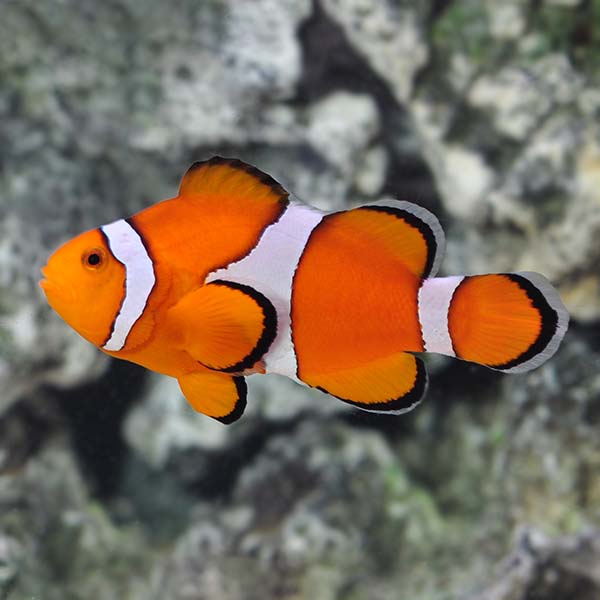
Credit: roxyaquarium.com.au
Ideal Temperature Range
Saltwater clownfish need the right water temperature to stay healthy. The temperature affects their behavior and growth.
Keeping the water within a certain range helps clownfish live longer and feel comfortable in their tank or ocean home.
Optimal Conditions For Clownfish
The best water temperature for saltwater clownfish is between 74°F and 79°F (23°C and 26°C). This range supports their natural metabolism and activity.
- Water temperature should stay stable within this range.
- Avoid sudden changes that can stress the fish.
- Use a reliable aquarium heater and thermometer.
- Keep water clean and well-oxygenated.
Effects Of Temperature Fluctuations
Temperature changes outside the ideal range can harm clownfish. Too cold or too hot water causes stress and sickness.
| Temperature Range | Effects on Clownfish |
|---|---|
| Below 72°F (22°C) | Slowed metabolism, low activity, weak immune system |
| Above 80°F (27°C) | Increased stress, faster metabolism, risk of disease |
| Rapid changes | Shock, loss of appetite, possible death |

Credit: www.bulkreefsupply.com
Temperature And Clownfish Behavior
Saltwater clownfish live in warm tropical waters. Their behavior changes with water temperature.
Keeping the right temperature helps clownfish stay healthy and active in your aquarium.
How Heat Affects Activity Levels
Clownfish become more active as water temperature rises to their comfort zone. They swim faster and explore more.
If the water gets too warm, clownfish may slow down and hide to save energy.
- Ideal temperature range: 74°F to 79°F (23°C to 26°C)
- Below 74°F: Clownfish may be less active and eat less
- Above 79°F: Risk of reduced activity and stress
Signs Of Stress From Temperature
When the water is too hot or cold, clownfish show stress signs. Watch for changes in behavior and appearance.
Stress can harm their immune system and lead to illness.
- Gasping at the water surface
- Hiding more than usual
- Loss of color or pale skin
- Refusing food
- Erratic swimming or lethargy
Maintaining Stable Water Temperature
Saltwater clownfish need a steady water temperature to stay healthy. Sudden changes can stress the fish and cause illness.
Keeping the water temperature stable helps clownfish live longer and behave naturally in your tank.
Choosing The Right Heater
Pick a heater that fits the size of your aquarium. A heater that is too small may not keep the water warm enough.
Look for heaters with built-in thermostats. They keep water at the right temperature without overheating.
- Choose a heater rated for your tank size
- Use heaters with adjustable thermostats
- Select durable models designed for saltwater tanks
Using Cooling Methods
Clownfish tanks can get too warm, especially in hot weather. Cooling helps prevent temperature spikes.
Use fans or chillers to lower water temperature. Simple methods like opening the tank lid can also help.
- Install aquarium fans to increase evaporation
- Use a chiller for precise cooling
- Keep tank away from direct sunlight
Monitoring Temperature Consistently
Check the water temperature every day. Consistent monitoring helps catch problems early.
Use digital thermometers or temperature probes for accurate readings. Record temperatures to track changes over time.
- Place thermometer where fish swim most
- Use alarms to notify if temperature goes out of range
- Keep a log of daily temperature readings
Temperature And Clownfish Health
Saltwater clownfish need the right temperature to stay healthy. Water that is too hot or too cold can stress them. Stress makes clownfish more likely to get sick.
Keeping water temperature stable helps clownfish live longer and behave normally. The best temperature range is usually between 74 and 79 degrees Fahrenheit.
Common Diseases Linked To Temperature
Wrong water temperature can cause several diseases in clownfish. Too cold water slows their immune system. Too warm water can speed up harmful bacteria growth.
- Brooklynella: A parasite that causes slime and breathing problems.
- Marine Ich: White spots appear on the fish’s body and fins.
- Fin Rot: Fins become ragged and may fall off.
- Stress-related infections: Weak immune system allows bacteria to attack.
Preventing Temperature-related Illnesses
Control tank temperature to keep clownfish safe. Use a reliable heater and thermometer. Check temperature daily to avoid sudden changes.
Keep water clean and stable. Avoid placing the tank near windows or vents. Stable temperature helps clownfish fight off diseases better.
- Set heater to 74-79°F (23-26°C).
- Check temperature twice a day.
- Use a backup heater or chiller if needed.
- Do regular water changes to keep water fresh.
- Watch clownfish for signs of stress or illness.
Seasonal Temperature Adjustments
Clownfish need stable temperatures to stay healthy. Seasonal changes can affect tank temperatures. Adjusting the tank conditions helps maintain their well-being.
It’s important to know how to adapt the tank for different seasons. This helps prevent stress and keeps the clownfish comfortable.
Adapting Tank Conditions For Seasonal Changes
Seasons change the room temperature around the tank. This can affect the water temperature inside. Adjust the tank to keep the temperature steady.
Ensure that the tank heater is working well. It helps maintain a stable environment for the clownfish. Monitor the tank temperature regularly.
- Check heater settings as seasons change
- Use a reliable thermometer
- Cover the tank during colder months to retain heat
Gradual Temperature Changes For Safety
Sudden temperature changes can stress clownfish. Gradual adjustments are safer. This helps the fish adapt without getting sick.
Change the temperature slowly over several days. This gives clownfish time to adjust. Keep an eye on their behavior during changes.
- Adjust temperature by 1-2 degrees per day
- Observe fish for signs of stress
- Provide a stable environment for recovery

Credit: www.amazon.com
Temperature Tips For Breeding Clownfish
Breeding saltwater clownfish requires careful control of water temperature. Proper temperature helps ensure healthy spawning and larval growth.
Small changes in temperature can affect clownfish behavior and egg development. Keeping a stable environment is key to success.
Optimal Conditions For Spawning
Clownfish spawn best in water that stays between 78°F and 82°F (25.5°C to 27.8°C). This range encourages breeding activity and good egg health.
- Maintain temperature around 80°F (27°C) for best results.
- Avoid sudden temperature changes to reduce stress.
- Use a reliable heater and thermometer to monitor water.
- Keep stable salinity and water quality alongside temperature.
Temperature’s Role In Larval Development
Water temperature controls the speed of larval growth. Warmer water speeds up development but can reduce survival if too high.
| Temperature (°F) | Development Time (Days) | Survival Rate |
| 78 | 8-10 | High |
| 80 | 7-9 | Optimal |
| 82 | 6-8 | Moderate |
| 84+ | 5-7 | Low |
Frequently Asked Questions
What Is The Ideal Temperature For Saltwater Clownfish?
The ideal temperature for saltwater clownfish ranges from 74°F to 79°F. Maintaining this range ensures their health and vibrant colors. Temperatures outside this range can stress the fish and affect their immune system.
How Does Temperature Affect Clownfish Behavior?
Temperature directly influences clownfish activity and metabolism. In optimal temperatures, they remain active and healthy. Colder water slows them down, while excessive heat can cause stress and lethargy, impacting their feeding and breeding behavior.
Can Clownfish Survive In Fluctuating Temperatures?
Clownfish can tolerate slight temperature fluctuations but not sudden changes. Consistent temperature helps prevent stress and disease. Rapid shifts above or below their comfort zone may weaken their immune system and reduce lifespan.
What Temperature Range Causes Clownfish Stress?
Temperatures below 72°F or above 82°F often cause stress in clownfish. Stress can lead to weakened immunity and increased susceptibility to diseases. Maintaining stable, moderate temperatures is key for their well-being.
Conclusion
Maintaining the right temperature keeps saltwater clownfish healthy. They thrive best between 74 and 79 degrees Fahrenheit. Too hot or too cold can stress them out. Use a reliable heater and thermometer to check water often. Small changes affect their behavior and health quickly.
Keep the environment steady for happy, active fish. Caring for temperature is key to a vibrant clownfish tank. Simple steps make a big difference in their life. Stay consistent and enjoy watching your clownfish thrive.