
Are you thinking about adding mollies to your aquarium but feeling confused between the Sailfin Molly and the Common Molly? You’re not alone.
These two popular fish look similar but have key differences that can affect your tank’s environment and your care routine. Understanding what sets them apart will help you choose the right one for your aquarium. Keep reading to discover the surprising contrasts that can make all the difference for your fish and your hobby.
Physical Traits
The Sailfin Molly and the Common Molly are types of livebearing fish. They look similar but have clear physical differences.
Knowing their physical traits helps you tell them apart easily in an aquarium or nature.
Body Shape And Size
The Sailfin Molly has a taller and more rounded body than the Common Molly. It looks bulkier due to its fin size.
The Common Molly has a slimmer, more streamlined body. It is usually smaller than the Sailfin Molly.
- Sailfin Molly: larger, taller body shape
- Common Molly: smaller, slimmer body
Fin Structure
The Sailfin Molly’s most noticeable trait is its large dorsal fin. This fin is tall and looks like a sail.
The Common Molly has a shorter and smaller dorsal fin. Its fins are more proportional to its body size.
- Sailfin Molly: large, sail-like dorsal fin
- Common Molly: small, normal-sized dorsal fin
Color Patterns
Sailfin Mollies often show bright and varied colors. Their patterns can include spots and stripes on the body and fins.
Common Mollies usually have simpler colors. Their body is mostly solid or lightly patterned in shades of silver or black.
- Sailfin Molly: bright, spotted, or striped patterns
- Common Molly: solid or lightly patterned colors
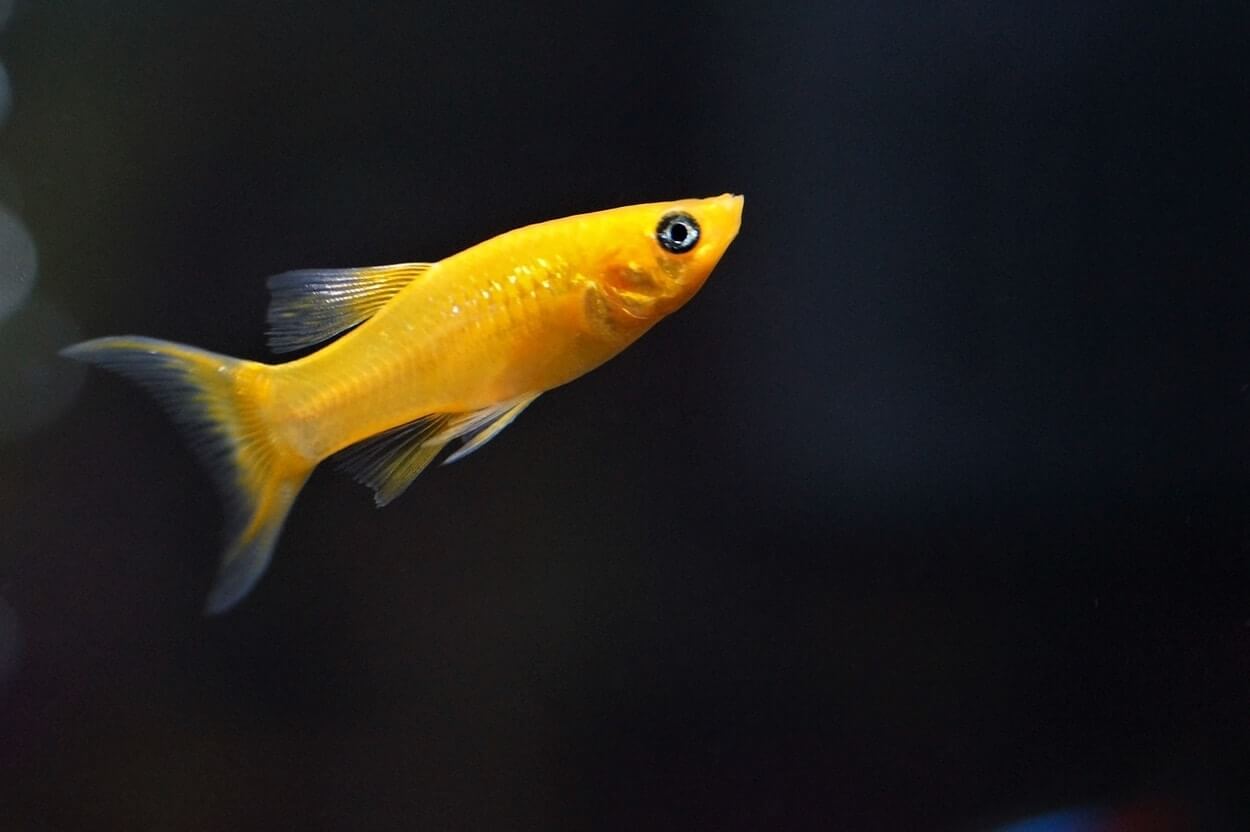
Credit: www.aquariumsource.com
Behavioral Differences
Sailfin Molly and Common Molly are popular aquarium fish. They look similar but behave differently.
Knowing their behavior helps you care for them better. Let’s explore their activity, social habits, and feeding styles.
Activity Levels
Sailfin Mollies are more active swimmers. They enjoy exploring the tank and often swim near the surface.
Common Mollies swim calmly. They spend more time near plants and decorations.
- Sailfin Mollies swim fast and cover more space
- Common Mollies have slower, relaxed movements
- Sailfin Mollies prefer upper tank areas
- Common Mollies like middle and lower levels
Social Interactions
Sailfin Mollies are more aggressive with other fish. They often show dominance by flaring their fins.
Common Mollies are peaceful. They get along well with many fish and rarely show aggression.
- Sailfin Mollies display fin-flaring to assert dominance
- Common Mollies avoid fights and stay calm
- Sailfin Mollies may chase smaller fish
- Common Mollies prefer group swimming and socializing
Feeding Habits
Sailfin Mollies are eager eaters and accept many food types. They often compete for food during feeding time.
Common Mollies eat steadily and do not rush. They enjoy plant-based foods and flakes.
- Sailfin Mollies eat fast and prefer varied diets
- Common Mollies prefer a steady, plant-rich diet
- Sailfin Mollies may snatch food from others
- Common Mollies feed calmly in groups
Habitat Preferences
Sailfin Molly and Common Molly are popular freshwater fish. They live in different water environments. Knowing their habitat helps keep them healthy.
This guide explains their needs in water conditions, tank setup, and how they get along with other fish.
Water Conditions
Sailfin Mollies prefer brackish water with some salt. Common Mollies live well in freshwater. Both like warm water but differ in salt tolerance.
| Condition | Sailfin Molly | Common Molly |
| Temperature | 75°F to 82°F (24°C to 28°C) | 72°F to 78°F (22°C to 26°C) |
| pH Level | 7.5 to 8.5 | 7.0 to 8.0 |
| Salinity | Low brackish (up to 5 ppt) | Freshwater |
Tank Setup
Sailfin Mollies need tanks with some plants and hiding spots. Common Mollies enjoy planted tanks with open swimming areas. Both need clean water and good filtration.
- Use a tank size of at least 20 gallons for both.
- Add floating plants for shade and security.
- Use fine gravel or sand as substrate.
- Provide gentle water flow for Sailfin Mollies.
- Keep water clean with regular changes.
Compatibility With Other Fish
Sailfin and Common Mollies are peaceful but can be territorial. They do well with other calm fish. Avoid aggressive or very small fish.
| Fish Type | Compatibility with Sailfin Molly | Compatibility with Common Molly |
| Livebearers | Good | Good |
| Small Tetras | Moderate | Good |
| Large Cichlids | Poor | Poor |
| Bottom Dwellers | Good | Good |

Credit: www.aquariumsource.com
Breeding Characteristics
Sailfin Mollies and Common Mollies are popular livebearers. Their breeding habits show some differences. Understanding these traits helps in successful breeding.
This section explains how their mating behavior, gestation period, and offspring care differ.
Mating Behavior
Sailfin Mollies display more active courtship. Males use their large dorsal fins to attract females. They often chase females around the tank.
Common Mollies have less showy courtship. Males are smaller and chase females less intensely. They rely more on quick mating than display.
- Sailfin males show off large fins during mating
- Common males have smaller fins and simpler behavior
- Sailfins are more aggressive in courting
- Commons mate with less chase and display
Gestation Period
Both species have similar gestation times. The female carries eggs inside her body for about 4 to 6 weeks. Temperature affects how fast babies develop.
Sailfin Mollies may have slightly longer gestation in cooler water. Common Mollies tend to give birth a little faster in warm tanks.
- Gestation lasts about 28 to 42 days
- Warmer water speeds up development
- Sailfins may take a few days longer
- Commons often give birth earlier in warm conditions
Offspring Care
Neither Sailfin nor Common Mollies care for their young after birth. Babies are independent immediately and hide to avoid adults.
Parents may eat some fry if hiding spots are not available. Providing plants helps protect the babies in both species.
- No active care from parents after birth
- Fry hide to survive
- Adults can eat some young
- Plants help protect fry in tanks
Care And Maintenance
Sailfin Molly and Common Molly are popular freshwater fish. They need proper care to stay healthy and happy. Understanding their care needs helps you keep them safe.
Both types have some differences in care. This guide covers their dietary needs, tank size, and common health issues.
Dietary Needs
Sailfin Mollies eat more plant matter than Common Mollies. Both are omnivores but have slight diet differences.
Feed Sailfin Mollies a mix of algae, vegetables, and protein. Common Mollies need more protein in their diet.
- Sailfin Molly: algae wafers, blanched spinach, and insect larvae
- Common Molly: high-quality flakes, brine shrimp, and bloodworms
- Feed both twice daily in small amounts
- Remove uneaten food to keep water clean
Tank Size Recommendations
Sailfin Mollies grow larger and need more swimming space. Common Mollies are smaller and can live in less space.
Provide a tank size based on the fish’s size and activity level. Keep the water clean and well-filtered.
- Sailfin Molly: minimum 30 gallons (114 liters)
- Common Molly: minimum 20 gallons (76 liters)
- Use a good filter and perform weekly water changes
- Add plants and hiding spots for comfort
Common Health Issues
Both Mollies face similar health problems. Poor water quality causes most diseases.
Watch for signs like clamped fins, white spots, or unusual swimming. Early care prevents serious illness.
- Ich (white spot disease)
- Fin rot from bacterial infection
- Swim bladder issues from overfeeding
- Stress from poor water or tank mates
:strip_icc()/Hemigrammus_ocellifer_Chen_Heng-Jou_600-56a32f085f9b58b7d0d0d9f9.jpg)
Credit: www.thesprucepets.com
Frequently Asked Questions
What Are The Main Physical Differences Between Sailfin And Common Molly?
Sailfin Mollies have larger, more pronounced dorsal fins compared to Common Mollies. Common Mollies have smaller, less elaborate fins. Sailfin Mollies also tend to have a bulkier body shape. These physical traits help differentiate the two species easily in an aquarium setting.
How Do Sailfin And Common Mollies Differ In Behavior?
Sailfin Mollies are generally more active and aggressive than Common Mollies. Common Mollies tend to be peaceful and shy. Both species are social but Sailfin Mollies often dominate tank space due to their bold nature.
Which Molly Species Is Better For Beginner Aquarists?
Common Mollies are better suited for beginners due to their hardiness and peaceful nature. Sailfin Mollies require larger tanks and more care because of their size and activity level. Beginners often prefer Common Mollies for easier maintenance.
Do Sailfin And Common Mollies Have Different Tank Requirements?
Yes, Sailfin Mollies need larger tanks with more swimming space. Common Mollies thrive in moderately sized tanks with stable water conditions. Both species prefer slightly alkaline water but tank size is a key difference.
Conclusion
Sailfin Molly and Common Molly share many traits but have clear differences. Sailfin Mollies have larger, sail-like fins that stand out. Common Mollies are smaller and simpler in shape. Both fish are peaceful and easy to care for. Choosing between them depends on your tank size and style preference.
Either way, they make great pets for beginners. Enjoy the calm and beauty these fish bring to your home. Simple care and attention will help them thrive.