
Is your aquarium water heating up more than it should? You might not realize it, but the air around your tank plays a big role in keeping your fish comfortable.
Proper room ventilation for aquarium cooling can be the simple fix you need. Imagine your fish thriving in cooler, stable water without expensive gadgets or constant monitoring. You’ll discover easy ways to improve airflow and lower your aquarium’s temperature naturally.
Keep reading to learn how a few smart changes to your room’s ventilation can make a huge difference for your aquatic friends—and give you peace of mind.
Importance Of Aquarium Ventilation
Aquarium ventilation helps keep the water and air healthy for fish. Proper airflow stops bad smells and controls moisture. It also helps keep the tank at the right temperature.
Good ventilation supports fish well-being. It makes the aquarium a safe and clean home for aquatic life. This guide explains why ventilation matters.
Impact On Fish Health
Proper ventilation reduces harmful gases in the tank area. It lowers the risk of fish stress and disease. Clean air and water help fish stay active and grow strong.
- Removes excess humidity
- Prevents mold and bacteria
- Reduces harmful chemicals
- Supports fish immune systems
Temperature Regulation
Ventilation helps control aquarium temperature. It cools the room and stops water from getting too warm. Stable temperatures keep fish comfortable and safe.
| Temperature Issue | Ventilation Effect |
| Too Hot | Airflow cools the tank |
| Too Cold | Ventilation can be adjusted |
| Fluctuations | Better ventilation keeps stable |
Oxygen Exchange Benefits
Ventilation boosts oxygen exchange in the aquarium. Fresh air helps oxygen dissolve in water. This keeps fish healthy and active.
Key oxygen exchange benefits include:
- Increased oxygen levels for fish
- Removal of carbon dioxide
- Improved water quality
- Support for aerobic bacteria
Common Cooling Challenges
Keeping an aquarium cool is a common concern for fish owners. Warm water can harm fish health and tank equipment.
Many face problems with cooling methods that are hard to maintain or not effective in changing seasons.
Effects Of Overheating
Overheating can cause oxygen levels to drop, stressing fish and plants. It also speeds up algae growth, making the tank dirty.
High temperatures may lead to illness and even death for many aquatic species.
Limitations Of Traditional Methods
Many people use fans or ice packs to cool their tanks. These methods often need constant attention and can fail unexpectedly.
- Fans may not cool enough during hot days.
- Ice packs melt quickly and need replacement.
- Opening the tank lid can cause water quality issues.
- Some methods waste energy or water.
Seasonal Temperature Fluctuations
| Season | Typical Aquarium Temperature | Cooling Challenge |
| Spring | 18°C to 22°C (64°F to 72°F) | Moderate rise, easier to control |
| Summer | 24°C to 30°C (75°F to 86°F) | High heat, requires active cooling |
| Autumn | 20°C to 24°C (68°F to 75°F) | Fluctuations may stress fish |
| Winter | 15°C to 20°C (59°F to 68°F) | Cooling usually not needed |
Room Ventilation Techniques
Proper room ventilation helps keep your aquarium cool. Good air flow lowers room temperature.
Using different ventilation methods can improve cooling and protect your fish.
Natural Ventilation Strategies
Natural ventilation uses windows and doors to move fresh air in and out. This helps cool the room without extra tools.
Opening windows on opposite walls creates a cross breeze. This moves warm air out and cool air in.
- Open windows or vents on opposite sides
- Use window screens to keep bugs out
- Keep doors open to increase airflow
- Use plants near windows to improve air quality
Using Fans Effectively
Fans help move air faster, which cools the room and aquarium. Use fans to push hot air out.
Place fans near windows or vents to improve air circulation. Use both ceiling and floor fans if possible.
- Position fans to blow air out of the room
- Use oscillating fans for wider air flow
- Combine ceiling and floor fans for better cooling
- Turn fans off at night if temperatures drop
Placement Of Vents And Openings
Vents and openings should be placed to allow smooth air flow. Position vents low and high for best results.
Lower vents bring in cool air. Upper vents let warm air escape. This creates natural air movement.
- Install intake vents near the floor
- Place exhaust vents near the ceiling
- Keep vents clear of obstructions
- Use adjustable vents to control airflow
Credit: www.temu.com
Combining Ventilation With Other Cooling Methods
Good room ventilation helps keep aquarium water cool. It moves warm air away and brings in fresh air.
Using ventilation with other cooling methods can improve temperature control. This keeps fish safe and healthy.
Chillers And Cooling Fans
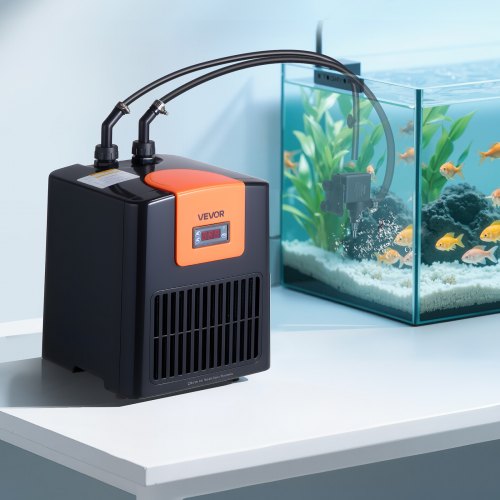
Chillers cool aquarium water directly. They keep the water at a steady temperature.
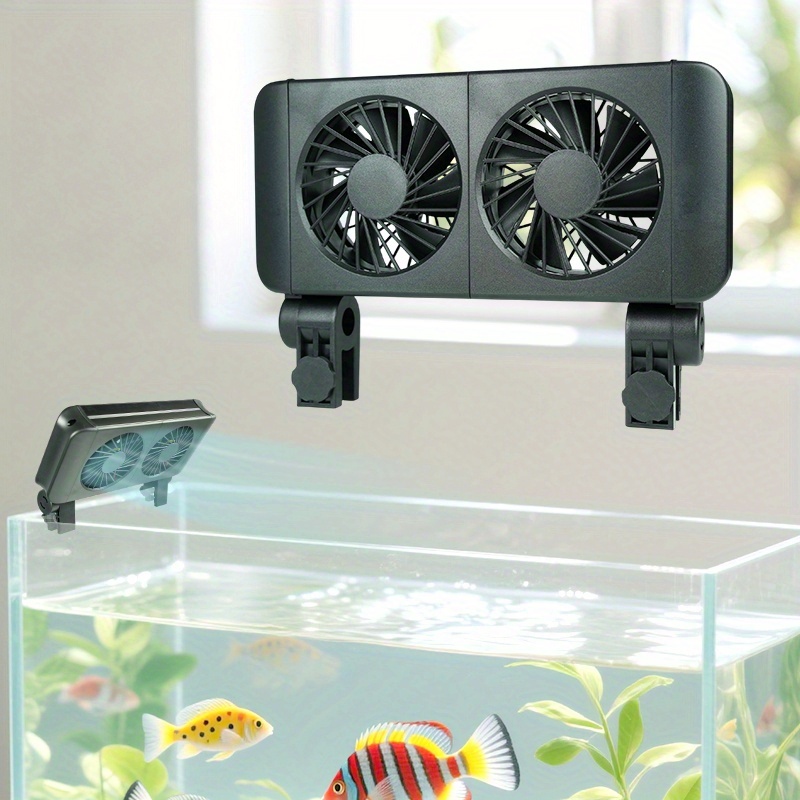
Cooling fans blow air across the water surface. This helps water lose heat faster.
- Chillers give precise temperature control
- Fans increase evaporation to cool water
- Use fans with good ventilation for best results
Water Circulation Enhancements
Better water movement spreads cool water evenly. This stops hot spots in the tank.
Powerheads and pumps improve circulation. They push warm water toward cooling areas.
- Use powerheads to increase flow
- Place pumps near fans or chillers
- Keep water moving for even temperature
Shade And Insulation Tips
Shade blocks sunlight from heating the tank. Keep aquariums out of direct sun.
Insulation keeps heat from outside air. Use foam or other materials around the tank.
- Use blinds or curtains to block sun
- Place aquarium away from windows
- Add foam panels to tank sides
Monitoring And Adjusting Aquarium Conditions
Keeping an aquarium cool is important for fish health. Room ventilation helps control the temperature. You can monitor and adjust conditions to keep fish safe.
Watching the water and fish closely lets you spot problems early. Use tools and observe fish behavior. Then change ventilation as needed.
Temperature Monitoring Tools
Use reliable tools to check aquarium temperature. Digital thermometers give fast, clear readings. Some have alarms for high temperatures.
- Stick-on thermometer strips for easy viewing
- Submersible digital thermometers for precise water reading
- Room thermometers to check air temperature near the aquarium
- Temperature controllers to automate cooling devices
Signs Of Stress In Fish
Fish show signs when the water is too warm. Watch for changes in behavior or appearance. These signs help you act fast.
| Sign | What It Means |
| Gasping at surface | Low oxygen due to warm water |
| Clamped fins | Stress from heat or poor water quality |
| Loss of color | Weakness or illness caused by heat |
| Erratic swimming | Discomfort or distress from temperature |
Adjusting Ventilation Based On Conditions
Change ventilation to keep the aquarium cool. Increase airflow if the room gets hot. Use fans or open windows carefully.
- Place a fan near the aquarium to move air
- Open windows during cooler parts of the day
- Avoid direct sunlight on the tank
- Use a vent or exhaust to remove warm air
Credit: www.vevor.ca
Maintenance For Optimal Ventilation
Room ventilation is essential for cooling aquariums. It keeps the environment healthy for aquatic life. Proper maintenance ensures effective ventilation.
This guide will help you maintain your ventilation system. Keeping it clean and efficient will protect your aquarium.
Cleaning Vents And Fans
Dust and debris can block vents and fans. This reduces airflow and cooling efficiency. Cleaning them regularly is important.
Use a soft brush or vacuum to remove dust. Ensure the fans are free from any obstructions. This helps the system work properly.
- Turn off the power before cleaning
- Check for any loose parts
- Wipe with a damp cloth if needed
Preventing Mold And Mildew
Mold and mildew can form in damp areas. They can harm fish and other aquatic life. Keeping the area dry helps prevent this.
Ensure proper air circulation. Use a dehumidifier if needed. Regular cleaning can reduce mold and mildew growth.
- Check humidity levels often
- Keep the area around the aquarium dry
- Clean surfaces regularly
Regular System Checks
Regular checks ensure your ventilation system works well. Look for any unusual noises or signs of wear. Fix issues quickly to avoid bigger problems.
Schedule routine maintenance every few months. This includes checking electrical connections and fan blades. A well-maintained system lasts longer.
- Inspect for wear and tear
- Test the system’s efficiency
- Replace any faulty parts

Credit: www.amazon.ca
Frequently Asked Questions
How Does Room Ventilation Affect Aquarium Cooling?
Proper room ventilation helps reduce ambient temperature. Cooler air lowers aquarium water temperature naturally. It prevents overheating and maintains fish health. Good airflow removes warm, stagnant air around the tank.
What Are The Best Ventilation Methods For Aquarium Rooms?
Use exhaust fans and open windows for airflow. Ceiling or floor fans can circulate cool air. Air conditioning also helps maintain consistent room temperature. Avoid placing tanks near direct sunlight or heat sources.
Can Poor Room Ventilation Harm Aquarium Fish?
Yes, poor ventilation raises room and water temperature. High temperatures stress fish, causing illness or death. It also reduces oxygen levels in water. Proper ventilation ensures a stable, healthy environment for aquatic life.
How To Improve Ventilation Without Increasing Noise?
Choose quiet, energy-efficient fans or air movers. Use insulated ducts to reduce sound transmission. Position fans away from living spaces if possible. Regular maintenance keeps equipment running smoothly and quietly.
Conclusion
Good room ventilation helps keep your aquarium cool and healthy. It moves warm air away from the tank. Fresh air lowers water temperature naturally. This protects your fish from heat stress. Simple steps like opening windows or using fans work well.
Proper airflow stops overheating without extra costs. Remember, cool water means happy fish and plants. Keep your room well-ventilated to support a stable aquarium environment. Small changes make a big difference for your aquatic pets.