
If you keep rainbowfish in your aquarium, understanding their heat tolerance is key to keeping them healthy and vibrant. You want your colorful friends to thrive, not just survive.
But how much heat can rainbowfish actually handle before it starts affecting their well-being? Knowing the right temperature range will help you create the perfect environment for them. You’ll discover everything you need to know about rainbowfish heat tolerance and how to protect your fish from harmful temperature changes.
Keep reading to make sure your rainbowfish stay happy and lively in your tank.
Rainbowfish Species And Heat Sensitivity
Rainbowfish are colorful freshwater fish popular in many aquariums. They come from warm regions, so heat affects them differently.
Each rainbowfish species has its own heat tolerance level. Knowing this helps keep them healthy and happy.
Common Rainbowfish Varieties
Many rainbowfish types live in tropical areas. Some popular species include the Boesemani, Melanotaenia, and Threadfin rainbowfish.
Each variety has unique colors and sizes. Their heat sensitivity also varies by species and natural habitat.
- Boesemani Rainbowfish: Known for bright blue and orange colors.
- Melanotaenia Rainbowfish: One of the largest and most colorful types.
- Threadfin Rainbowfish: Has long, thin fins and vibrant colors.
- Turquoise Rainbowfish: Bright blue-green and smaller in size.
- Lake Kutubu Rainbowfish: Lives in cooler mountain lakes.
Temperature Preferences By Species
Rainbowfish prefer warm water but need different temperatures depending on species. Some can handle heat better than others.
Keeping water too hot or too cold can stress them. Stress lowers their immune system and can cause illness.
| Species | Preferred Temperature (°C) | Heat Sensitivity |
|---|---|---|
| Boesemani Rainbowfish | 24-28°C | Moderate tolerance to heat |
| Melanotaenia Rainbowfish | 23-27°C | Can tolerate slight temperature rises |
| Threadfin Rainbowfish | 24-28°C | Moderate heat sensitivity |
| Turquoise Rainbowfish | 22-26°C | Prefers cooler temperatures |
| Lake Kutubu Rainbowfish | 20-24°C | High sensitivity to heat |

Credit: splashyfishstore.com
Optimal Temperature Ranges
Rainbowfish need warm water to live well. Temperature affects their health and activity.
Keeping water in the right range helps rainbowfish stay strong and happy.
Ideal Warm Water Conditions
Rainbowfish thrive best in warm water between 74°F and 82°F. This range keeps them active.
Stable temperature inside this range helps them eat well and grow faster.
- 74°F to 82°F is the best range
- Keep water temperature steady
- Avoid sudden temperature changes
Temperature Limits For Safety
Rainbowfish can tolerate temperatures from 68°F to 86°F. Outside this, they get stressed.
Temperatures below 68°F or above 86°F can harm their health and shorten their life.
| Temperature | Effect on Rainbowfish |
|---|---|
| Below 68°F | Slowed metabolism and stress |
| 68°F to 74°F | Lower activity but safe |
| 74°F to 82°F | Ideal conditions for growth |
| 82°F to 86°F | High activity, watch closely |
| Above 86°F | Risk of illness and death |
Effects Of Heat On Rainbowfish Health
Rainbowfish live best in cool to moderate water temperatures. Heat can affect their health in many ways. Understanding these effects helps keep rainbowfish healthy.
Heat stress can change how rainbowfish behave, grow, and reproduce. Watch for signs to protect them from harm.
Behavioral Changes In Warm Water
Rainbowfish swim less when water gets too warm. They may hide more and eat less food. These changes show they are stressed by heat.
Warm water can also make rainbowfish breathe faster. This happens because warm water holds less oxygen. They try to get more air to stay alive.
Signs Of Heat Stress
Heat stress causes clear signs in rainbowfish. Look for pale colors, clamped fins, and slow movements. These signs mean the fish are uncomfortable.
Other signs include gasping at the water surface and sudden jerky swimming. These behaviors show the fish struggle to get oxygen in warm water.
- Pale or dull colors
- Clamped fins
- Slow or erratic swimming
- Gasping at surface
- Loss of appetite
Impact On Growth And Reproduction
Heat stress can slow rainbowfish growth. Warm water makes it hard for fish to use food well. They may stay smaller than usual.
High temperatures also reduce egg production. Female rainbowfish lay fewer eggs in warm water. This lowers the chance of new fish hatching.
- Slower growth rates
- Smaller adult size
- Lower egg production
- Weaker offspring survival
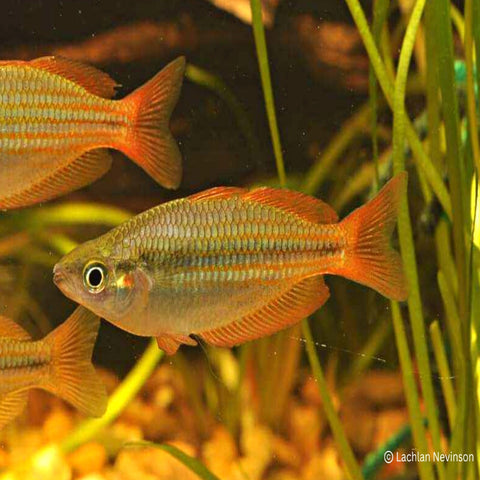
Credit: coburgaquarium.com.au
Setting Up A Warm Water Habitat
Rainbowfish need a warm water habitat to stay healthy and active. Setting up the right environment helps them live longer.
Warm water tanks must keep stable temperatures and clean water. Oxygen levels also matter for their wellbeing.
Choosing The Right Aquarium Heater
Pick a heater that fits your tank size. The heater should keep water between 75°F and 82°F for rainbowfish.
- Check heater wattage for your tank’s volume
- Choose heaters with adjustable thermostats
- Look for heaters with safety features to prevent overheating
- Place the heater near water flow for even heat distribution
Maintaining Stable Temperatures
Keep the water temperature steady. Sudden changes can stress rainbowfish and cause illness.
| Temperature Range | 75°F – 82°F (24°C – 28°C) |
| Daily Checks | Use a reliable aquarium thermometer |
| Adjust Heater | Set to maintain stable temperature |
| Location | Keep tank away from drafts and direct sunlight |
Water Quality And Oxygen Levels
Good water quality keeps rainbowfish healthy. Oxygen must be high for breathing and activity.
- Change 20% of the water weekly to remove waste
- Use a filter to keep water clean and clear
- Add an air pump or bubbler to increase oxygen
- Test water for ammonia, nitrites, and pH regularly
Feeding And Nutrition In Warm Environments
Rainbowfish are sensitive to temperature changes, and their feeding habits must adapt to warm environments.
Diet Adjustments For Higher Temperatures
As temperatures rise, rainbowfish require a diet rich in protein and fiber to maintain optimal health.
- Feed smaller, more frequent meals to prevent digestive issues
- Increase protein sources such as brine shrimp and bloodworms
- Provide fiber-rich foods like spirulina and vegetable-based flakes
Feeding Frequency And Amount
Avoid overfeeding, as this can lead to water quality issues and stress on the fish.
| Feeding Frequency | Feeding Amount |
|---|---|
| Every 2-3 hours | Only as much as they can consume within 1-2 minutes |
Monitor water quality and adjust feeding schedules accordingly to maintain a healthy environment for your rainbowfish.
Remember to research and understand the specific feeding requirements for your rainbowfish species to ensure optimal care.
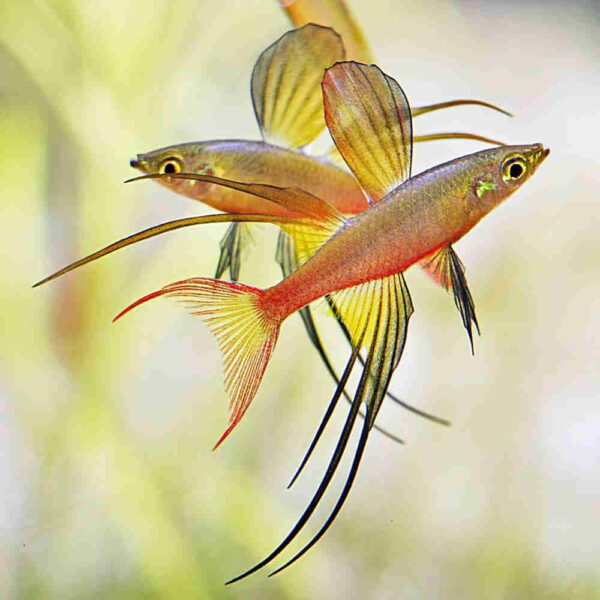
Credit: roxyaquarium.com.au
Common Challenges And Solutions
Rainbowfish are popular aquarium fish that need careful care in warm water. High temperatures can cause problems that affect their health and tank environment.
This guide covers common challenges with heat and offers simple solutions to keep your Rainbowfish safe and healthy.
Dealing With Algae Growth
Warm water encourages algae to grow fast. Too much algae can harm Rainbowfish by reducing oxygen and making the tank dirty.
- Keep the tank clean by changing water regularly.
- Use a timer for aquarium lights to limit light exposure to 8-10 hours daily.
- Add live plants to compete with algae for nutrients.
- Control feeding to avoid leftover food that feeds algae.
- Consider algae-eating fish or snails compatible with Rainbowfish.
Managing Disease Risks In Warm Water
Warm water can increase the chance of diseases in Rainbowfish. It is important to watch for signs and keep the tank healthy.
| Risk Factor | Prevention | Action |
| High Temperature | Keep water below 28°C (82°F) | Use a reliable aquarium heater and thermometer |
| Overcrowding | Limit fish numbers | Provide enough space for each Rainbowfish |
| Poor Water Quality | Regular water changes | Test water weekly for ammonia, nitrites, and nitrates |
| Stress | Stable environment | Avoid sudden changes in temperature or water chemistry |
| Infections | Quarantine new fish | Use appropriate medication if disease appears |
Breeding Rainbowfish In Warm Waters
Rainbowfish are popular aquarium fish that thrive in warm water. Breeding them requires careful attention to water temperature and care. Proper conditions help ensure healthy fry and successful spawning.
This guide covers the best temperature range for breeding and tips on caring for the eggs and fry. Follow these steps to support your Rainbowfish in warm water environments.
Breeding Temperature Guidelines
Rainbowfish prefer warm water to breed well. The ideal temperature range is between 78°F and 82°F (25.5°C to 28°C). Temperatures outside this range can slow spawning or affect egg development.
| Temperature (°F) | Temperature (°C) | Effect on Breeding |
| 78 – 82 | 25.5 – 28 | Optimal for spawning and fry growth |
| 75 – 77 | 24 – 25 | Spawning slows down |
| Below 75 | Below 24 | Breeding may stop |
| Above 82 | Above 28 | Stress and poor egg survival |
Spawning Behavior And Care
Rainbowfish spawn in the early morning and scatter eggs on plants or flat surfaces. Males show bright colors to attract females during this time. After spawning, parents should be removed to protect the eggs.
- Set up fine-leaved plants or spawning mops for egg laying
- Keep water clean and stable during spawning
- Remove adults after eggs appear to prevent eating them
- Maintain temperature around 80°F (27°C) for egg development
- Eggs hatch in 7 to 10 days
After hatching, feed fry with infusoria or specially made fry food. Gradually introduce baby brine shrimp as they grow larger. Regular water changes help keep fry healthy.
Monitoring And Adjusting Conditions
Rainbowfish are sensitive to water temperature, and maintaining optimal conditions is crucial for their health and well-being. Regular monitoring and adjustments can help prevent stress and disease.
Using Thermometers And Sensors
Install thermometers and sensors in your aquarium to monitor water temperature accurately. Choose a location away from direct sunlight and water currents for precise readings.
- Use a digital thermometer for precise temperature readings
- Place a thermometer near the water outlet for accurate temperature measurements
Responding To Temperature Fluctuations
Monitor temperature fluctuations closely, as sudden changes can stress your rainbowfish. Adjust your aquarium’s temperature gradually to prevent shock.
Lower the temperature by 1-2°F (0.5-1°C) every 24 hours to prevent sudden changes. This will allow your rainbowfish to adjust to the new temperature.
| Temperature Range | Recommended Action |
|---|---|
| 72-76°F (22-24°C) | Optimal temperature range for rainbowfish |
| 75-80°F (24-27°C) | Gradually lower temperature by 1-2°F (0.5-1°C) every 24 hours |
| Below 70°F (21°C) or above 82°F (28°C) | Seek immediate advice from a fish expert or veterinarian |
Frequently Asked Questions
What Is The Ideal Temperature For Rainbowfish?
Rainbowfish thrive in water temperatures between 72°F and 82°F. Maintaining this range ensures their health and activity. Temperatures above 85°F may stress them, while below 70°F can slow their metabolism.
How Do Rainbowfish Respond To Heat Stress?
Rainbowfish show reduced activity and appetite when overheated. Prolonged high temperatures weaken their immune system, increasing disease risk. Sudden temperature changes can cause shock, so gradual adjustments are essential.
Can Rainbowfish Survive In Temperatures Above 85°f?
Rainbowfish can tolerate short periods above 85°F but prolonged exposure is harmful. Extended heat stress leads to illness and shorter lifespan. It’s best to keep their environment stable within their preferred range.
How To Lower Aquarium Temperature For Rainbowfish?
Use a reliable aquarium chiller or fan to cool the water. Avoid placing tanks in direct sunlight or near heat sources. Regular water changes with cooler water also help maintain safe temperatures.
Conclusion
Rainbowfish can handle warm water well, but not extreme heat. Keep their tank temperature steady to avoid stress and illness. Watch their behavior for signs of discomfort or overheating. Good water quality and regular monitoring help fish stay healthy. Knowing their heat limits ensures a safe, happy environment.
Careful attention makes a big difference for rainbowfish health. Always choose the right temperature for your fish’s needs. Simple steps protect your colorful friends in any aquarium.