
Setting up your aquarium doesn’t have to be complicated or time-consuming. Imagine having a beautiful, thriving underwater world right in your home in just a few simple steps.
Whether you’re new to fishkeeping or want to get your tank running quickly, this guide will help you avoid common mistakes and get started with confidence. Ready to dive in and create an amazing aquarium that you’ll love watching every day?
Keep reading, and you’ll discover how easy and rewarding a quick-start aquarium setup can be.

Credit: www.blessingsaquarium.com
Choosing The Right Aquarium
Starting an aquarium is exciting but needs some planning. Choosing the right aquarium helps your fish live well.
Think about the size, material, and where to place your tank. These choices affect your aquarium’s success.
Tank Sizes And Shapes
Tank size depends on the fish you want. Bigger tanks hold more fish and are easier to keep stable.
Shape matters for space and fish swimming needs. Some shapes fit better in rooms than others.
- Small tanks (5-10 gallons) are good for beginners and small fish.
- Medium tanks (20-30 gallons) suit many fish types.
- Large tanks (50+ gallons) allow diverse fish and plants.
- Rectangular tanks save space and offer good viewing.
- Cylindrical tanks look nice but may limit swimming.
- Bow-front tanks give a wide view but need more room.
Material Options
Glass and acrylic are common materials. Each has benefits and limits for your aquarium.
Glass is clear and scratch-resistant. Acrylic is lighter and less likely to break.
- Glass tanks are heavy but durable.
- Acrylic tanks are easier to move and shape.
- Acrylic can scratch, so clean carefully.
- Glass offers better clarity for viewing.
Placement Tips
Pick a stable, flat surface for your tank. Avoid direct sunlight to stop algae growth.
Keep your aquarium away from heaters, air conditioners, and busy areas. This reduces stress for fish.
- Place tank on a strong stand that can hold its weight.
- Choose a spot without strong temperature changes.
- Keep aquarium away from windows and vents.
- Allow space for maintenance and feeding.
Credit: myaquariumbuilder.com
Essential Equipment
Setting up an aquarium quickly needs the right tools. Essential equipment helps keep fish healthy.
This guide covers the main equipment you need. Each piece plays a key role in your tank.
Filters And Pumps
Filters clean the water by removing waste and debris. They keep the water clear and safe.
Pumps move water through the filter and around the tank. Good flow is important for fish health.
- Choose a filter that fits your tank size
- Check filter flow rate matches fish needs
- Use pumps to keep water moving evenly
- Clean filters regularly to avoid clogging
Lighting Choices
Lighting helps plants grow and shows fish colors well. It also sets a day and night cycle.
Use LED lights for energy savings and long life. Avoid lights that make the tank too hot.
- Pick lights that fit your tank size and type
- Use a timer to control light duration daily
- Choose full-spectrum lights for planted tanks
- Keep lights on about 8-12 hours each day
Heaters And Thermometers
Heaters keep water at the right temperature for tropical fish. Consistent heat reduces fish stress.
Thermometers help you monitor the water temperature. Check often to avoid sudden changes.
- Choose a heater rated for your tank size
- Set heater to match fish species needs
- Use a reliable thermometer for accuracy
- Place thermometer where you can see it easily
Setting Up Substrate And Decorations
Setting up the substrate and decorations is a key part of starting your aquarium. The right choices help fish feel comfortable and healthy.
This guide explains different substrate types, safe decoration choices, and ways to create a natural habitat.
Types Of Substrate
Substrate is the material on the bottom of your aquarium. It affects water quality and fish health. Choose a substrate that suits your fish and plants.
Common substrates include gravel, sand, and soil. Each has different looks and benefits.
- Gravel:Easy to clean and comes in many colors.
- Sand:Soft for bottom dwellers but can compact.
- Soil:Good for planted tanks; adds nutrients.
Choosing Safe Decorations
Decorations make the tank more interesting and give fish hiding spots. Only use decorations that are safe for aquarium use.
Avoid items that can release harmful chemicals or sharp edges. Clean all decorations before adding them.
- Use ceramic, resin, or natural rocks made for aquariums.
- Check for sharp edges that can hurt fish.
- Avoid metals and painted objects that can leach toxins.
- Rinse decorations well to remove dust or residues.
Creating Natural Habitats
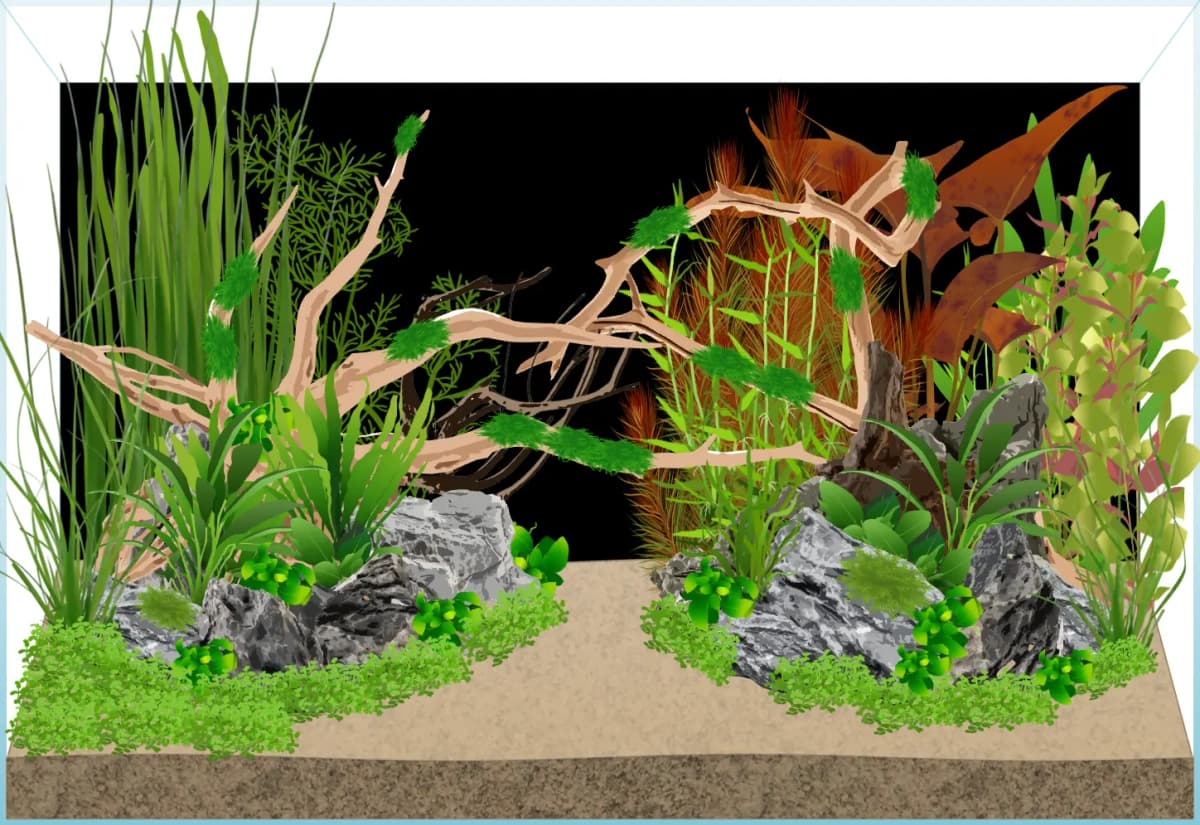
Create a natural habitat by arranging substrate and decorations like fish do in the wild. This helps fish feel safe.
Use plants, rocks, and driftwood to build hiding spots and open spaces for swimming.
- Place taller plants in the back and shorter ones in front.
- Use driftwood or rocks to create caves and shelters.
- Leave open areas for fish to swim freely.
- Arrange items to mimic your fish’s natural environment.
Water Preparation And Cycling
Setting up an aquarium needs careful water preparation and cycling. These steps help create a healthy environment for fish.
Proper water conditions and cycling reduce toxins. This makes the tank safe before adding fish.
Water Conditioning
Tap water has chemicals harmful to fish. Water conditioners remove chlorine and chloramine from the water.
Conditioned water protects fish gills and skin. It also helps beneficial bacteria grow in the tank.
- Use a liquid water conditioner for quick action
- Follow the product instructions carefully
- Condition the water before adding it to the tank
Cycling Process Explained
Cycling builds good bacteria that break down fish waste. This process removes toxic ammonia and nitrites from the water.
Cycling can take 4 to 6 weeks. Patience is important to keep fish safe during this time.
- Start with adding ammonia or fish food to feed bacteria
- Wait for ammonia to turn into nitrites
- Then wait for nitrites to turn into nitrates
- Test water regularly to track the process
Testing Water Parameters
Testing water helps check if cycling is complete. It shows levels of ammonia, nitrites, and nitrates.
Use a water test kit to measure these chemicals. Safe levels mean the tank is ready for fish.
| Parameter | Safe Level for Fish |
|---|---|
| Ammonia | 0 ppm |
| Nitrites | 0 ppm |
| Nitrates | Less than 20 ppm |
Selecting Fish And Plants
Setting up an aquarium is exciting and rewarding. Choosing the right fish and plants helps your tank thrive.
This guide covers good starter fish, easy plants, and how many to add for a healthy aquarium.
Best Starter Fish
Begin with fish that are hardy and easy to care for. These fish adapt well to new tanks and conditions.
Choose fish that stay small and are peaceful with other species. Avoid aggressive or large fish at first.
- Guppies: colorful and active swimmers
- Neon Tetras: small, bright, and peaceful
- Platies: easy to feed and breed
- Corydoras Catfish: bottom dwellers, clean the tank
- Zebra Danios: hardy and good for beginners
Compatible Plant Species
Plants make your aquarium look natural and help fish feel safe. Choose plants that grow well indoors.
Pick plants that need low light and are easy to maintain. Avoid plants that grow too fast or need special care.
- Java Fern: low light, attaches to rocks and wood
- Anubias: tough leaves, grows slowly
- Amazon Sword: large, easy to care for
- Cryptocoryne: tolerant of many conditions
- Java Moss: good for hiding places and breeding
Stocking Density Guidelines
Stocking density means how many fish to keep in your tank. Too many fish cause stress and poor water quality.
Use the “one inch of fish per gallon” rule to start. Measure fish length from nose to tail for accuracy.
- Small tanks (10 gallons): 5 to 10 small fish
- Medium tanks (20 gallons): 10 to 20 small fish
- Large tanks (30+ gallons): 20 or more small fish
- Always consider fish behavior and space needs
Feeding And Maintenance
Setting up an aquarium is a fun hobby. Caring for fish requires regular feeding and maintenance. Let’s explore how to keep your fish healthy and happy.
Maintaining an aquarium involves sticking to a schedule. This ensures the well-being of your aquatic friends. Let’s dive into some essential routines.
Feeding Schedules
Feed your fish the right amount to avoid overfeeding. This keeps the water clean and fish healthy.
- Feed small amounts twice a day.
- Use quality fish food suitable for your species.
- Remove uneaten food after 5 minutes.
Cleaning Routines
Regular cleaning keeps your aquarium clear and healthy. It prevents diseases and keeps fish happy.
Use this quick cleaning checklist:
- Change 10-15% of the water weekly.
- Clean glass with an algae scraper.
- Rinse filters monthly in aquarium water.
Monitoring Fish Health
Watching your fish helps catch any health issues early. Healthy fish are active and have bright colors.
| Health Sign | What to Look For |
| Active Swimming | Fish move around often |
| Clear Eyes | No cloudiness or spots |
| Bright Colors | Vibrant and consistent hues |
Troubleshooting Common Issues
Setting up an aquarium is exciting, but problems can occur. Knowing how to fix them helps keep your fish healthy.
Here are some common issues and how to address them effectively.
Algae Control
Algae can quickly take over your aquarium if not managed. It thrives on light and nutrients.
- Limit light exposure to 8-10 hours daily.
- Remove excess food from the water to reduce nutrients.
- Consider adding algae-eating fish or snails.
Disease Prevention
Preventing diseases in fish is crucial for a healthy aquarium. Clean water and balanced diet are key factors.
| Common Disease | Prevention Tips |
| Ich | Maintain stable water temperature |
| Fin Rot | Regular water changes |
| Fungal Infections | Avoid overcrowding |
Equipment Malfunctions
Equipment failures can harm fish. Regular checks ensure everything runs smoothly.
Keep a spare heater and air pump in case of emergencies. This ensures your fish remain safe and comfortable.

Credit: www.reddit.com
Frequently Asked Questions
What Are The Essential Supplies For A Quick-start Aquarium Setup?
Essential supplies include a tank, filter, heater, substrate, water conditioner, and test kit. Choose fish-safe decorations and appropriate lighting for your aquarium type.
How Do I Cycle My Aquarium Quickly And Safely?
Use a bacterial starter, add ammonia source, and monitor water parameters daily. Cycling usually takes 2-4 weeks to establish beneficial bacteria for a healthy tank.
Which Fish Are Best For Beginner Aquariums?
Start with hardy species like guppies, neon tetras, or bettas. These fish adapt well to new setups and require minimal maintenance.
How Often Should I Perform Maintenance On A New Aquarium?
Perform partial water changes weekly and clean filters monthly. Regular maintenance keeps water quality high and fish healthy.
Conclusion
Setting up an aquarium can be simple and fun. Start with the right tank, water, and fish. Keep the water clean and check the temperature often. Add plants and decorations slowly to avoid stress. Watch your fish daily to spot any problems early.
Remember, patience helps your tank thrive. Enjoy the peaceful world you create at home. Every small step makes a big difference. Ready to dive in? Your aquarium adventure begins now.