
Are you struggling to keep your freshwater fish healthy and vibrant? One of the easiest ways to improve your aquarium is by using proper lighting.
The right light not only makes your tank look amazing but also supports your fish’s well-being and the growth of plants. If you want to create a thriving underwater world that you can enjoy every day, understanding how to choose and set up the perfect lighting is key.
Keep reading to discover simple tips that will transform your freshwater aquarium into a lively, beautiful habitat.
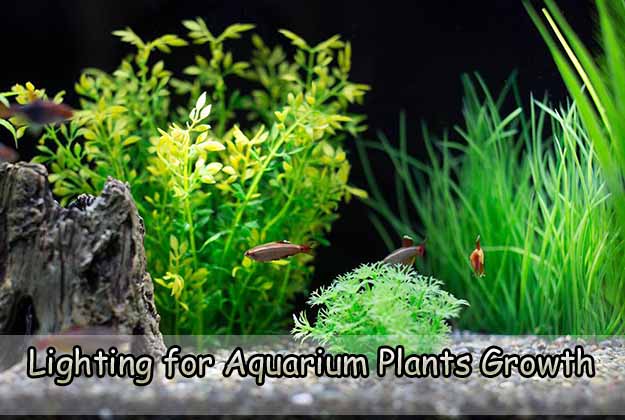
Credit: www.hygger-online.com
Choosing The Right Light Spectrum
Proper lighting is essential for freshwater aquariums. It helps plants grow and keeps fish healthy.
The light spectrum affects how plants and fish behave and look. Choosing the right spectrum is key.
Importance Of Light Spectrum
Light spectrum means the range of colors a light gives off. Different colors affect plants and fish in many ways.
Plants use certain colors for photosynthesis. Fish see colors that change their mood and activity.
Best Spectrums For Freshwater Plants
Plants grow best with light in the blue and red parts of the spectrum. These colors help with photosynthesis.
Using full-spectrum white light also works well. It mimics natural sunlight and helps plants thrive.
- Blue light (400-500 nm) supports leaf growth
- Red light (600-700 nm) promotes flowering and root growth
- Full-spectrum white light covers all plant needs
Effects On Fish Behavior And Coloration
Light colors influence fish mood and activity. Some colors calm fish, others make them more active.
Proper lighting helps show fish colors clearly. It makes their natural beauty stand out.
- Warm light tones can reduce fish stress
- Bright light may increase fish activity
- Full-spectrum light reveals true fish colors
Types Of Aquarium Lighting
Lighting plays a big role in keeping freshwater species healthy. It helps plants grow and shows fish in their true colors. Choosing the right lighting type is important for your aquarium.
This guide covers three main types of aquarium lighting. You will learn about LED lights, fluorescent lights, and incandescent or halogen lights. Each type has its own features and uses.
Led Lights
LED lights are energy efficient and last a long time. They produce less heat and offer many color options. Many aquarists like them because they can mimic natural daylight well.
Fluorescent Lights
Fluorescent lights are common in aquariums. They are brighter than incandescent lights and use less power. They come in tubes and compact bulbs and can support plant growth.
Incandescent And Halogen Lights
Incandescent and halogen lights are older types. They produce a warm light but use more energy. They also create a lot of heat, which can be harmful to fish and plants.
Pros And Cons Of Each Type
| Light Type | Pros | Cons |
| LED Lights | Energy efficient, long-lasting, low heat | Higher upfront cost |
| Fluorescent Lights | Bright, good for plants, affordable | Shorter lifespan, contains mercury |
| Incandescent and Halogen | Inexpensive, easy to find | High energy use, heat production, short life |
Lighting Intensity And Duration
Proper lighting is important for freshwater species to stay healthy. It affects their growth and behavior.
Both the brightness and the length of time the light is on matter a lot in an aquarium.
Ideal Light Intensity For Different Species
Different freshwater fish and plants need different light levels. Some species like dim light, others need bright light.
- Low light: Species like bettas and some catfish prefer soft light.
- Medium light: Tetras and livebearers do well with moderate brightness.
- High light: Many aquatic plants and shrimp need strong light to grow.
Recommended Daily Lighting Schedule
Freshwater tanks usually need 8 to 10 hours of light each day. This mimics natural daylight.
Too little light can slow plant growth. Too much light stresses fish and causes algae growth.
- Turn lights on in the morning and off in the evening.
- Use a timer to keep the schedule steady.
- Adjust lighting hours based on species and plant needs.
Avoiding Algae Overgrowth
Algae grow fast when there is too much light. It can harm plants and fish in the tank.
Keep light intensity and duration balanced to stop algae from taking over your aquarium.
- Reduce light hours if algae start to grow.
- Use low to medium light for tanks with few plants.
- Clean the tank regularly to remove algae buildup.
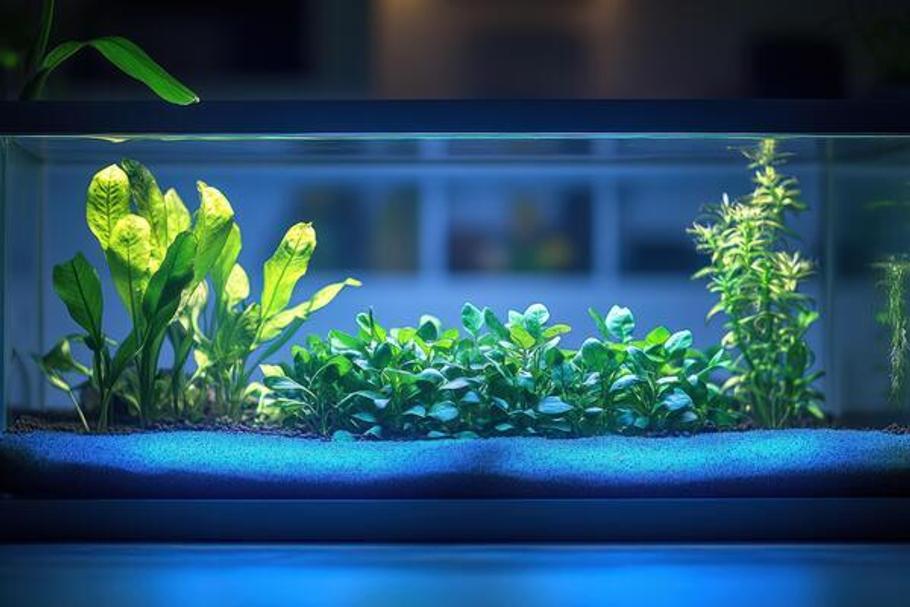
Credit: www.ratemyfishtank.com
Positioning And Installation Tips
Proper lighting is essential for freshwater species in an aquarium. It helps plants grow and keeps fish healthy.
Placing and installing lights correctly can improve the tank’s look and support aquatic life well.
Optimal Light Placement
Place lights above the tank for even coverage. Avoid shadows that stress fish and plants.
Position lights close enough to reach all tank areas but not too close to cause heat buildup.
- Center lights over the aquarium
- Keep lights at least 6 inches from water surface
- Use adjustable mounts for flexibility
Using Reflectors And Diffusers
Reflectors help direct light into the tank. They reduce wasted light and brighten the aquarium.
Diffusers soften the light. They prevent glare and create a natural look for fish and plants.
- Attach reflectors behind light bulbs
- Use diffusers to spread light evenly
- Choose materials that resist water and heat
Adjusting For Tank Size And Depth
Large or deep tanks need stronger lights. This ensures light reaches the bottom well.
Smaller tanks require less intense light to avoid overheating and stress.
- Use higher wattage for tanks over 20 gallons
- Choose adjustable lights for different tank depths
- Test light intensity with a meter if possible
Special Considerations For Planted Tanks
Lighting plays a key role in keeping freshwater plants healthy. It affects how plants grow and how fish behave in planted tanks.
Good lighting helps plants perform photosynthesis and keeps the tank looking natural. Different plants need different light levels.
High Vs Low Light Plants
Some plants need strong light to grow well. These are high light plants. Others do fine with less light. These are low light plants.
- High light plants need bright, direct light for many hours.
- Low light plants grow slowly and do well in dimmer conditions.
- High light can cause algae if not balanced properly.
- Low light is easier to manage but limits plant variety.
Balancing Co2 And Lighting
Plants need carbon dioxide (CO2) to use light for growth. Too much light without enough CO2 can harm plants.
| Lighting Level | CO2 Needed | Risk |
| High | High | Algae growth if CO2 is low |
| Medium | Moderate | Balanced growth |
| Low | Low | Slower plant growth |
Maintaining Plant Health
Good lighting is not enough. Plants need care to stay healthy. Watch for changes in leaves and growth.
- Keep light on 8 to 10 hours daily.
- Clean light fixtures to keep brightness.
- Trim dead or yellow leaves regularly.
- Test water for nutrients and adjust as needed.
Troubleshooting Common Lighting Issues
Proper lighting is key for a healthy freshwater aquarium. Light impacts fish and plant well-being. This guide helps solve common lighting issues.
We will explore uneven light distribution, heat management, and signs of lighting stress. These steps ensure your aquarium thrives.
Dealing With Uneven Light Distribution
Uneven light can harm plants and fish. It leads to poor growth and stress. Adjusting light placement can solve this issue.
- Check for shadows in the tank
- Use adjustable light fixtures
- Consider adding reflectors
Managing Heat From Lighting
Lights generate heat that affects water temperature. High heat stresses fish and plants. Cooling measures are necessary.
Signs Of Lighting Stress In Fish And Plants
Stress signs include faded colors and sluggish behavior. Plants may show stunted growth or yellowing leaves.
| Sign | Possible Cause |
| Faded Fish Colors | Too much light |
| Sluggish Fish | High water temperature |
| Yellowing Leaves | Inadequate light |
Energy Efficiency And Cost Management
Proper lighting is important for freshwater fish tanks. Energy-efficient lighting keeps your fish healthy and your bills low. It is also better for the environment.
Managing costs and saving energy are key when choosing lights. Smart choices can make a big difference in your monthly expenses.
Choosing Energy-efficient Fixtures
Energy-efficient fixtures use less power and save money. LED lights are a great option for fish tanks. They use less energy and last longer than other lights.
Look for lights with a high energy star rating. This means they are tested to use less energy. Efficient fixtures also produce less heat, keeping the tank cooler.
Timers And Automation
Timers help control when lights turn on and off. This saves energy and keeps the tank on a natural schedule. Fish need regular light and dark cycles to stay healthy.
Automation systems can adjust lights based on the time of day. These systems can be set to mimic natural sunlight patterns. This is helpful for both fish and plants in the tank.
- Set timers for consistent lighting
- Use automation to mimic natural light
- Save energy with scheduled lighting
Long-term Cost Benefits
Using efficient lights and automation saves money over time. Lower energy bills add up to big savings. Efficient lights need to be replaced less often, saving on replacement costs.
Initial costs might be higher, but long-term savings are worth it. Investing in good lighting helps keep fish tanks healthy and affordable.
| Light Type | Average Lifespan | Energy Use |
| LED | 5-10 years | Low |
| Fluorescent | 1-2 years | Medium |
:strip_icc()/Live_Planted_Aquarium_Cheong_Kim_Tick-56a32fc05f9b58b7d0d0df51.jpg)
Credit: www.thesprucepets.com
Frequently Asked Questions
What Is The Ideal Lighting For Freshwater Fish Tanks?
Ideal lighting mimics natural daylight with 8-10 hours daily. Use LED or fluorescent bulbs for energy efficiency and plant growth support.
How Does Lighting Affect Freshwater Aquarium Plants?
Proper lighting promotes photosynthesis, enhancing plant health and growth. Insufficient light leads to weak plants and algae growth.
Can Too Much Light Harm Freshwater Fish?
Yes, excessive light stresses fish and encourages algae. Balance intensity and duration for a healthy aquarium environment.
What Lighting Color Is Best For Freshwater Aquariums?
Full-spectrum white light closely simulates natural sunlight, benefiting fish and plants. Avoid overly blue or red lights that can stress inhabitants.
Conclusion
Proper lighting helps freshwater fish stay healthy and active. It supports plant growth and keeps water clear. Too much light can harm fish and plants. Too little light can slow growth and cause stress. Choose lighting that fits your tank size and species needs.
Regularly check and adjust lighting for best results. Bright, balanced light creates a natural and calm environment. This keeps your freshwater species happy and thriving. Simple care with the right light makes a big difference.