
If you want your fish to thrive and your aquarium to shine, proper maintenance is key—especially when you have a species-specific tank. Each type of fish has unique needs, and ignoring these can lead to stress, illness, or even loss.
But don’t worry, keeping your tank healthy isn’t as hard as it sounds. You’ll discover simple, effective steps to care for your species-specific aquarium. By the end, you’ll have the confidence to create a safe, happy home for your aquatic pets—and enjoy watching them flourish like never before.
Keep reading to unlock the secrets of expert aquarium care tailored just for your fish.
Credit: clixfueling.com
Choosing The Right Tank Setup
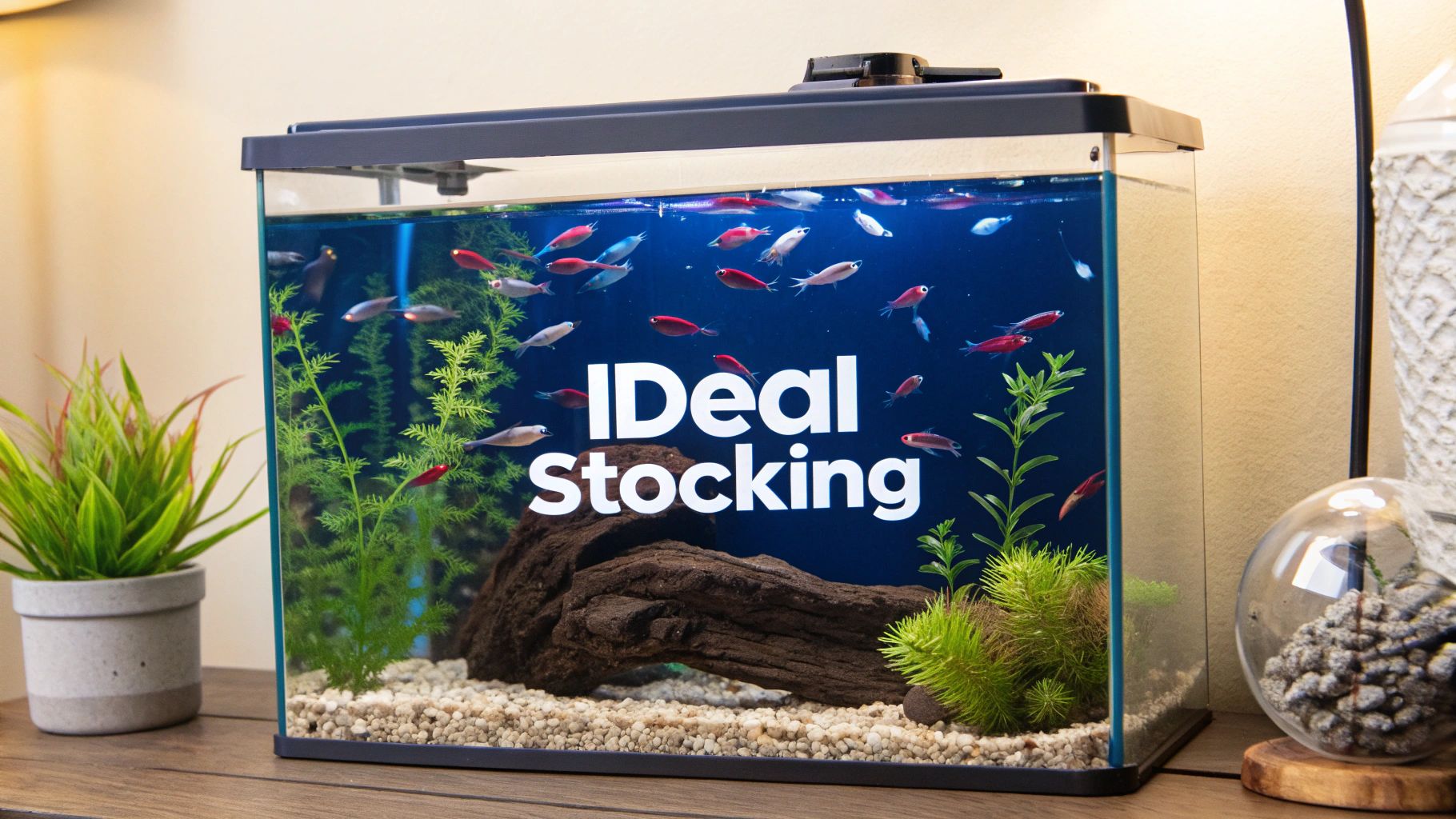
Setting up a species-specific aquarium starts with choosing the right tank. The tank must suit the needs of the fish and plants inside it. The right setup helps keep the species healthy and happy.
Tank size, shape, substrate, and decorations all affect how well the species will thrive. This guide helps you pick the best options for your specific aquarium.
Tank Size And Shape Considerations
Each species has different space and swimming needs. Some fish like tall tanks, while others prefer wide and long tanks. Size affects water quality and maintenance too.
- Small species need at least 10 gallons of water.
- Active swimmers require longer tanks for space.
- Bottom dwellers prefer tanks with more depth.
- Taller tanks are good for species that swim vertically.
- Consider tank placement and room size before buying.
Selecting Suitable Substrate And Decorations
Substrate and decorations must match the natural habitat of the species. These elements affect fish behavior and tank health. Some species need soft sand, others need gravel or rocks.
| Species Type | Recommended Substrate | Decoration Tips |
| Cichlids | Fine sand or small gravel | Provide caves and rocks to hide |
| Tetras | Dark fine gravel | Use plants and driftwood for cover |
| Catfish | Soft sand | Keep decorations smooth to avoid injury |
| Discus | Fine sand | Add plants and smooth wood |
Water Quality Management
Keeping the water clean is vital for healthy aquariums. Each species needs specific water conditions. Here, we focus on managing water quality for species-specific tanks.
Good water quality ensures fish thrive and remain healthy. It is important to monitor and adjust water conditions regularly.
Monitoring Ph And Hardness Levels
pH and water hardness affect fish health. Test the water often to ensure levels are safe for your species.
Use test kits to check pH and hardness. Adjust the levels with conditioners or by changing water sources.
- Freshwater fish prefer pH between 6.5 and 7.5.
- Saltwater species thrive with pH around 8.1 to 8.4.
- Hardness levels affect fish’s ability to regulate minerals.
Temperature Control For Different Species
Fish need specific temperatures to stay healthy. Use heaters or coolers to maintain the right temperature.
Check the water temperature daily. Different species need different temperature ranges for optimal health.
| Species | Temperature Range (°F) |
| Tropical Freshwater Fish | 74-78 |
| Coldwater Fish | 60-68 |
| Saltwater Fish | 75-82 |
Effective Filtration Systems
Filtration keeps the water clean and free from toxins. Choose a filter that fits your tank size and species needs.
There are three types of filtration: mechanical, chemical, and biological. Each plays a role in maintaining water quality.
- Mechanical filters remove debris and waste.
- Chemical filters remove toxins and odors.
- Biological filters convert waste into less harmful substances.
Feeding Practices
Proper feeding is key for healthy fish in species-specific tanks. Different fish need different foods and amounts.
Feeding the right way keeps fish active and water clean. It helps avoid health problems and tank pollution.
Dietary Needs By Species
Carnivores need protein-rich diets, like frozen or live foods. Herbivores eat mainly plants and algae. Omnivores eat both types.
| Species Type | Preferred Food | Feeding Frequency |
| Carnivores | Live shrimp, worms, fish flakes | Once or twice daily |
| Herbivores | Algae wafers, blanched vegetables | Daily |
| Omnivores | Mixed flakes, pellets, vegetables | Once daily |
Avoiding Overfeeding And Waste
Overfeeding causes water pollution and fish illness. Feed small portions and remove leftovers after feeding.
- Feed only what fish can eat in 2-3 minutes
- Use a feeding ring to keep food in one area
- Adjust feeding amounts by fish activity and size
- Clean tank regularly to remove uneaten food
Regular Cleaning Routines
Keeping a species-specific aquarium clean is important for your fish’s health. Regular cleaning helps keep the water safe and clear.
Different fish need different care, so cleaning routines should match their needs. This helps them stay happy and healthy.
Partial Water Changes
Changing some of the water often helps remove waste and toxins. It keeps the water fresh without stressing the fish.
Use a siphon to remove 10-20% of the water weekly. Replace it with clean, treated water at the right temperature.
- Remove 10-20% of water weekly
- Use a siphon to clean the substrate
- Match new water temperature to the tank
- Treat tap water to remove chlorine
Cleaning Filters And Equipment
Filters help keep water clean but need regular care. Clean them to keep water flowing well and remove debris.
Rinse filter parts in old tank water to keep helpful bacteria alive. Check pumps, heaters, and lights for proper work.
- Rinse filter media in tank water only
- Clean or replace filter pads monthly
- Check pumps and heaters weekly
- Remove debris from equipment surfaces
Algae Control Techniques
Algae can grow fast and make tanks look dirty. Control algae to keep the tank clear and safe for your fish.
Limit light hours and clean tank walls regularly. Use algae-eating fish or snails if they fit your species-specific tank.
- Limit lighting to 8-10 hours daily
- Scrub tank walls weekly to remove algae
- Use algae eaters suitable for your fish
- Keep water nutrients balanced
Health Monitoring
Keeping your aquarium fish healthy means watching them every day. You must check for signs of illness or stress.
Good health monitoring helps catch problems early. Early care can save your fish and keep the tank safe.
Identifying Common Diseases
Fish can get many diseases. Look for changes in their color, behavior, or appetite. Some common diseases include fin rot, ich, and swim bladder disorder.
- Fin rot:Frayed or discolored fins.
- Ich:White spots on body and fins.
- Swim bladder disorder:Fish swims unevenly or upside down.
- Fungal infections:Cotton-like growths on skin or fins.
- Bacterial infections:Red sores or swelling on the body.
Quarantine Procedures For New Arrivals
New fish can carry diseases. Always keep new arrivals in a separate tank before adding them to your main aquarium.
| Quarantine Step | Action |
|---|---|
| Duration | Keep fish isolated for at least 2 weeks |
| Water Conditions | Match temperature and pH to main tank |
| Observation | Watch for any signs of illness daily |
| Treatment | Use medication if needed before transfer |
| Tank Cleaning | Clean quarantine tank after use thoroughly |

Credit: www.blessingsaquarium.com
Compatibility And Behavior
Proper aquarium maintenance depends on understanding fish compatibility. Different species have unique behaviors and social needs.
Knowing how fish interact helps prevent conflicts and stress in your tank. This keeps your aquarium healthy and peaceful.
Species-specific Social Needs
Some fish prefer living in groups, while others are solitary. Social needs vary by species and affect tank setup.
- Schooling fish like tetras need at least six companions.
- Territorial fish require their own space to reduce fights.
- Shy species often hide and need gentle tank mates.
- Some bottom dwellers prefer solitude and hiding spots.
- Research each species to match social habits correctly.
Managing Aggression And Stress
Aggression causes stress and can harm fish. Proper tank management reduces fights and keeps fish safe.
| Cause | Solution |
| Overcrowding | Provide enough space for each fish |
| Incompatible species | Choose fish with similar temperaments |
| Lack of hiding spots | Add plants and decorations for refuge |
| Wrong feeding habits | Feed species-specific diets on schedule |
| Stress from bright lights | Use dimmer lights or shaded areas |
Lighting And Environment
Proper lighting and environment are vital for aquarium health. Each fish species needs specific light levels and habitat conditions to thrive.
Matching the lighting and environment to the species helps reduce stress and encourages natural behavior.
Lighting Requirements For Different Species
Different fish and plants require varying light intensities and durations. Tropical fish often need brighter light than deep-water species.
| Species Type | Light Intensity | Light Duration |
| Tropical Fish | Moderate to High | 8-12 hours per day |
| Deep-Water Fish | Low | 6-8 hours per day |
| Planted Tanks | High | 10-12 hours per day |
| Discus Fish | Low to Moderate | 8-10 hours per day |
Creating Naturalistic Habitats
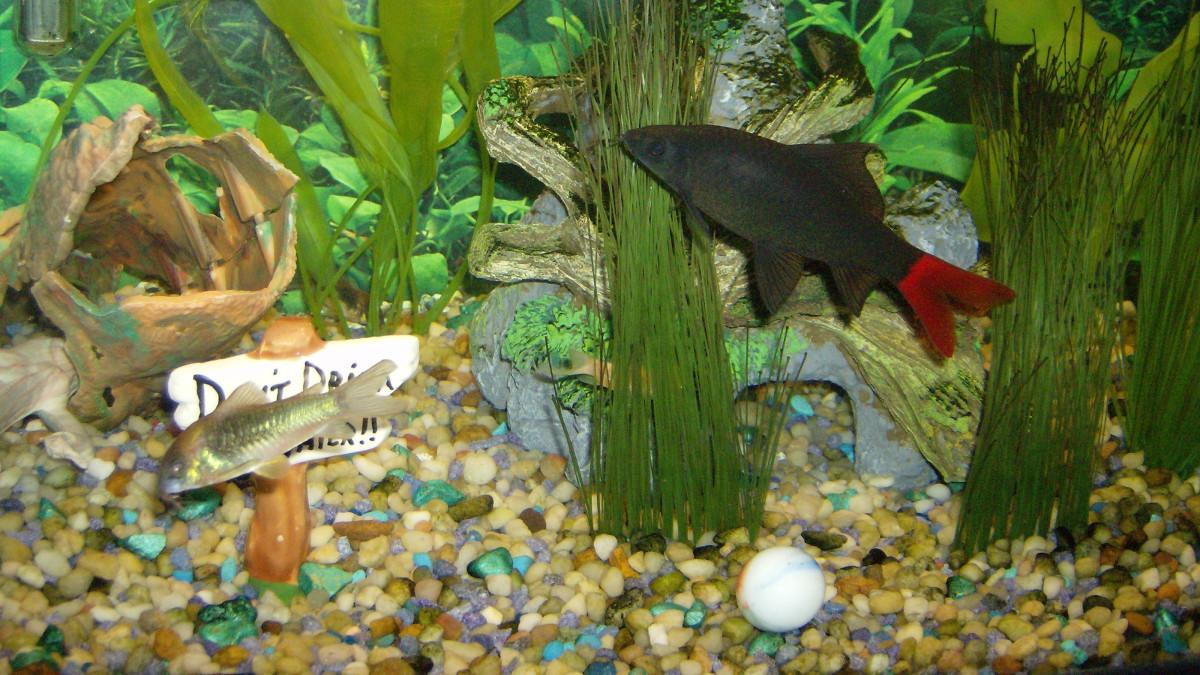
Recreating natural habitats helps fish feel safe and active. This includes using correct plants, substrates, and hiding spots.
- Use sand or gravel that matches the species’ natural environment
- Add live or artificial plants native to the species’ habitat
- Include caves, driftwood, or rocks for hiding and exploration
- Maintain water temperature and pH close to natural conditions
- Provide gentle water flow for species from slow-moving waters
Credit: pethelpful.com
Frequently Asked Questions
What Is Species-specific Aquarium Maintenance?
Species-specific aquarium maintenance involves tailoring tank conditions like water parameters, temperature, and decor to suit a particular species. This ensures the health and well-being of the aquatic inhabitants by replicating their natural habitat as closely as possible.
How Often Should I Clean A Species-specific Tank?
Clean your species-specific tank every 1 to 2 weeks. Partial water changes and substrate cleaning help maintain water quality without stressing the species. Regular maintenance prevents toxin buildup and promotes a healthy environment.
Why Is Water Parameter Monitoring Crucial For Species Tanks?
Water parameter monitoring ensures the tank conditions match the species’ natural habitat. Parameters like pH, hardness, and temperature must be stable to avoid stress, disease, or death. Consistent monitoring helps maintain optimal living conditions.
Can I Mix Different Species In One Tank?
Mixing species requires careful research on compatibility and environmental needs. Incompatible species may cause stress, aggression, or disease. For best results, keep species-specific tanks or choose compatible species with similar care requirements.
Conclusion
Keeping species-specific tanks clean helps fish stay healthy and happy. Regular water changes and filter checks protect delicate species. Feeding the right food supports their unique needs. Watching your aquarium daily helps spot problems early. Simple care routines save time and avoid stress.
Enjoy the beauty of your tank while giving your fish the best home. Proper maintenance makes a big difference in tank success. Small efforts lead to a thriving underwater world.