If you have a glass tank, you know how important it is to keep it safe and healthy. But did you know that overheating can cause serious damage to your tank and everything inside it?
Overheating doesn’t just threaten the glass—it can harm your plants, animals, and equipment too. You’ll discover simple, effective ways to prevent your glass tank from getting too hot. By learning these tips, you’ll protect your investment and create a stable environment that thrives.
Keep reading to find out how you can stop overheating before it starts.

Credit: www.hygger-online.com
Causes Of Overheating In Glass Tanks
Glass tanks can get too hot and harm the animals inside. Understanding what causes overheating helps keep the tank safe.
Overheating happens when the heat in the tank rises above normal levels. This can stress or even kill fish and plants.
Heat Sources In Aquarium Setups
Some equipment in aquariums gives off heat. These heat sources can raise the water temperature too much.
Common heat sources include heaters, filters, and pumps. If these run too long or are too strong, the tank heats up.
- Heaters set too high or left on all day
- Filters that generate heat during operation
- Pumps that run continuously without breaks
Impact Of Lighting And Equipment
Lighting adds heat to glass tanks. Bright or intense lights increase water temperature.
Equipment like LED lights, bulbs, and heat lamps produce warmth. Long lighting hours cause the tank to heat up.
- Strong aquarium lights can raise tank heat
- Leaving lights on for many hours adds heat
- Heat lamps near the tank increase temperature
Environmental Factors
Room temperature affects glass tanks. Hot rooms make it hard to keep water cool.
Sunlight near the tank also raises heat. Direct sun can cause fast temperature spikes inside the tank.
- High room temperature increases tank heat
- Sunlight through windows warms the tank
- Poor ventilation traps heat around the aquarium
Credit: www.hygger-online.com
Signs Of Overheating
Overheating in glass tanks can harm aquatic life and disrupt water balance. Spotting the signs early helps keep the tank safe. Look for changes in fish behavior and water quality.
This guide covers key signs of overheating to watch for in your tank environment.
Behavioral Changes In Aquatic Life
Fish and other aquatic animals act differently when the tank gets too hot. They may show stress or try to escape the heat.
- Increased gill movement or rapid breathing
- Restless swimming or hiding more than usual
- Loss of appetite or refusal to eat
- Clamping fins close to the body
- Lethargy or slow movements
- Jumping out of the water
Physical Indicators In Water Quality
Water quality changes when the tank overheats. These changes can harm fish and plants.
| Indicator | Effect of Overheating |
|---|---|
| Water Temperature | Rises above safe levels (usually above 78°F or 25.5°C) |
| Oxygen Levels | Decrease, causing stress to aquatic life |
| pH Balance | May fluctuate, affecting fish health |
| Algae Growth | Increases rapidly due to warmer water |
| Water Clarity | Becomes cloudy or murky |
Effective Cooling Techniques
Keeping glass tanks cool is important for the health of plants and animals inside. Overheating can cause stress and damage.
There are simple ways to control temperature and keep tanks safe. Using fans, chillers, smart placement, and light control helps a lot.
Using Fans And Chillers
Fans increase air flow around the tank. Chillers cool the water directly. Both help lower temperature quickly and keep it steady.
- Place fans near the tank to blow air across the glass.
- Use chillers to keep water at a safe temperature.
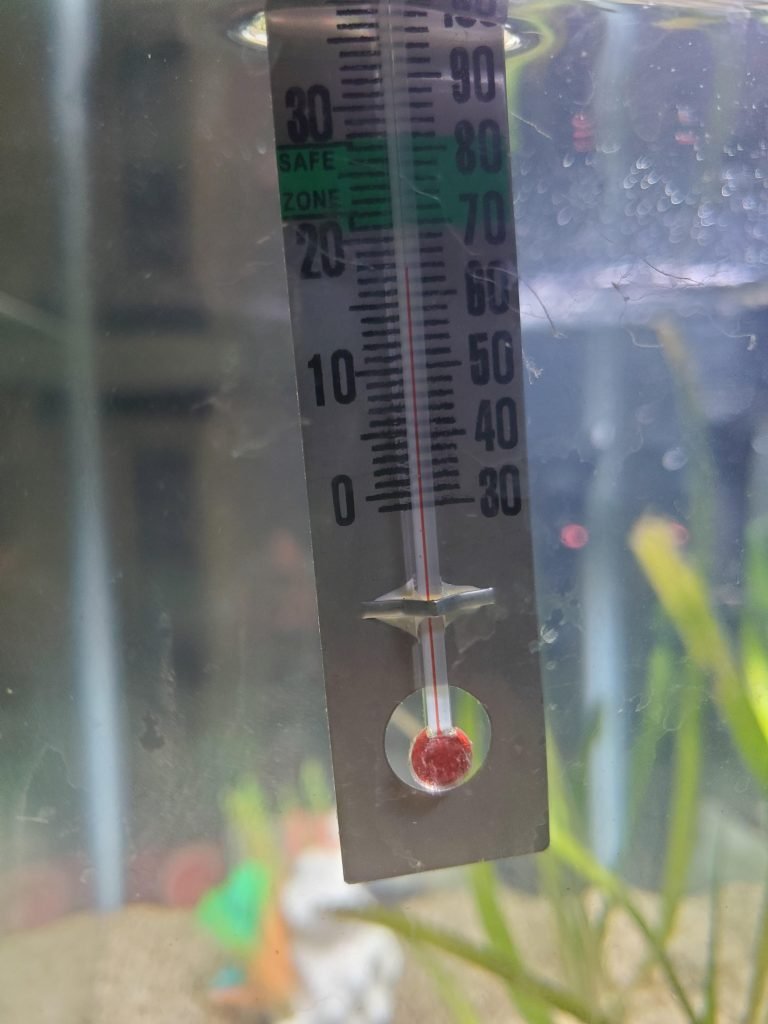
- Monitor temperature with a reliable thermometer.
- Turn on devices only when needed to save energy.
Optimizing Tank Placement
Where you put the tank affects how hot it gets. Avoid direct sunlight and heat sources like heaters or electronics.
| Placement Option | Effect on Temperature |
| Near window with sun | Increases heat quickly |
| Shaded corner of room | Keeps cooler naturally |
| Close to heater or radiator | Raises temperature |
| Open area with good air flow | Helps keep temperature down |
Controlling Lighting Duration And Intensity
Lights add heat to the tank. Lowering light time and brightness helps prevent overheating.
Follow these tips to manage lighting:
- Use timers to limit light hours to 8-10 per day.
- Choose LED lights that produce less heat.
- Dim lights if possible during the hottest hours.
- Turn off lights when not needed for viewing.

Credit: www.hygger-online.com
Maintaining Water Quality
Good water quality helps keep glass tanks safe from overheating. Clear, clean water stops heat buildup and keeps fish healthy.
Keeping water fresh and moving is key to prevent hot spots. This guide explains how regular water changes and good aeration help.
Regular Water Changes
Change water often to remove waste and lower temperature. Old water can hold heat and harmful chemicals.
Replacing some water keeps the tank cool and clean. Small, frequent changes work best for glass tanks.
- Change 10-20% of water weekly
- Use water at room temperature
- Remove debris before adding new water
- Test water quality after changes
Aeration And Circulation
Aeration adds oxygen and moves water inside the tank. This stops hot spots and keeps water cool.
Use air pumps or filters to create water flow. Good circulation spreads heat evenly and helps fish breathe.
- Install air stones or bubble wands
- Use filters that push water around
- Avoid dead zones with no water flow
- Check equipment regularly for clogs
Choosing Heat-resistant Species
Preventing overheating in glass tanks is important for healthy fish and plants. Choosing species that tolerate warm water helps keep your tank stable.
Some fish and plants do well in heat. Learn which ones suit warm conditions. Also, adapt your tank for changes in seasons.
Fish And Plants Suitable For Warm Conditions
Warm water species survive better when the tank gets hot. These fish and plants handle heat without stress.
- Fish like guppies, mollies, and platies thrive in warm water.
- Plants such as java fern, anubias, and hornwort grow well in heat.
- Avoid cold-water fish like goldfish to prevent health problems.
Adapting To Seasonal Temperature Changes
Temperatures change with seasons. Adjust your tank care to keep fish and plants safe.
| Season | Temperature Range | Care Tips |
| Summer | 24-28°C (75-82°F) | Use fans or cooling devices |
| Winter | 18-22°C (64-72°F) | Use heaters if needed |
| Spring/Fall | 20-24°C (68-75°F) | Monitor temperature daily |
Monitoring And Automation Tools
Preventing overheating in glass tanks is important for the safety of your aquatic life. Using monitoring and automation tools helps you manage temperature effectively.
These tools ensure a stable environment by providing real-time data and automated responses. This helps maintain the right conditions for your tank.
Temperature Sensors And Alerts
Temperature sensors measure the heat levels in your tank. They help you keep track of changes in temperature.
Alerts notify you when the temperature goes too high or too low. This lets you react quickly to protect your fish.
- Sensors can be digital or analog
- Alerts can be sent via phone or email
- Some systems offer visual and sound alerts
Automated Cooling Systems
Automated cooling systems help regulate tank temperature without manual intervention. They activate when the temperature exceeds a set limit.
These systems use fans or chillers to cool the tank. They ensure the temperature stays within the desired range.
| Type | Function |
| Fan-based | Circulates air to cool down |
| Chiller-based | Uses coolant to lower temperature |
| Hybrid | Combines fans and chillers |
Frequently Asked Questions
How Can I Prevent Overheating In Glass Tanks?
Use proper ventilation and avoid direct sunlight. Maintain a stable room temperature and use cooling fans if needed. Regularly check water temperature to keep it within safe limits for your tank’s inhabitants.
What Causes Glass Tanks To Overheat?
Overheating often results from excessive sunlight exposure, poor ventilation, or nearby heat sources. High ambient temperatures and inadequate water circulation can also raise tank temperatures dangerously.
Are Cooling Fans Effective For Glass Tanks?
Yes, cooling fans help circulate air and reduce heat buildup. They are especially useful in warm climates or rooms without air conditioning. Fans improve evaporation and keep water temperatures stable.
Can Overheating Harm Fish In Glass Tanks?
Yes, overheating stresses fish and can cause illness or death. High temperatures lower oxygen levels and disrupt metabolism. Maintaining optimal temperature is vital for fish health and tank stability.
Conclusion
Keeping glass tanks cool protects your plants and fish. Use fans or shade to lower temperature fast. Regular checks help spot heat problems early. Avoid placing tanks near heat sources or direct sun. Simple steps keep your tank safe and healthy.
Stay alert and act quickly to prevent damage. A cool tank means happier plants and animals. Take these tips seriously for best results.