
Your heater is one of the most important devices in your home, especially when the cold season hits. But what happens when it suddenly stops working?
Heater malfunctions can be frustrating, costly, and even dangerous. The good news is that many of these issues can be prevented with simple steps. You’ll discover easy and effective ways to keep your heater running smoothly. By taking action now, you can avoid unexpected breakdowns and stay warm and comfortable all winter long.
Keep reading to learn how to protect your heater—and your peace of mind.
Credit: www.furnaceprices.ca
Common Heater Problems
Heaters can stop working properly over time. Knowing common problems helps you act fast. This guide covers signs and causes of heater troubles.
Spotting issues early can prevent bigger damage. Keep your heater safe and efficient by learning what to watch for.
Signs Of Malfunction
Heaters show many warning signs before failing. Watch for these common signals to know when to check your system.
- The heater won’t turn on or stay on
- Uneven heat or cold spots in rooms
- Strange noises like banging or rattling
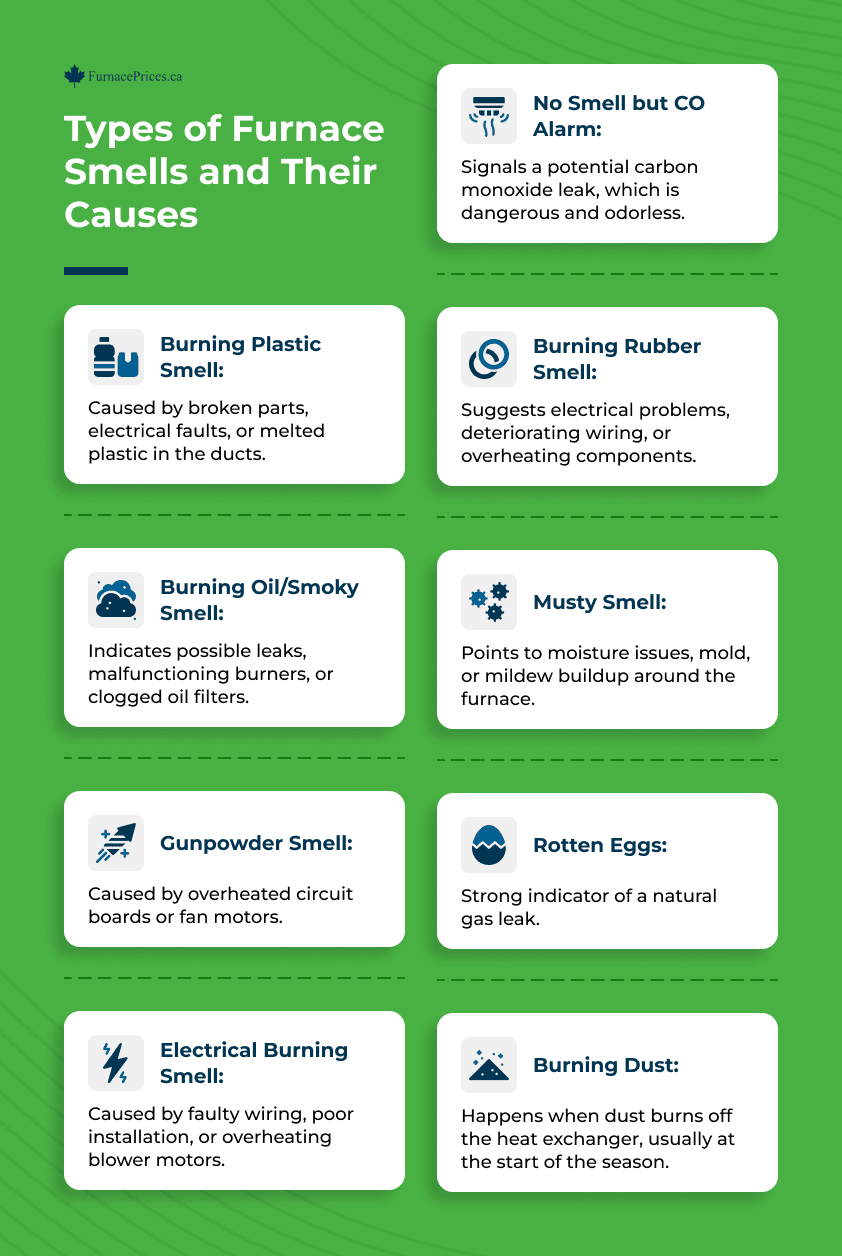
- Unusual smells such as burning or gas
- Heater cycles on and off too often
- Higher energy bills without extra use
Causes Of Heater Failure
Many issues can cause heaters to fail. Some come from wear and tear, others from poor care or parts problems.
| Cause | Explanation | Effect on Heater |
| Dirty Filters | Block airflow and reduce efficiency | Overheating and shutdown |
| Faulty Thermostat | Incorrect temperature readings | Heater runs too long or not enough |
| Worn Out Parts | Old components fail or break | Heater stops working or makes noise |
| Gas Supply Problems | Leaks or blockages in the line | Heater won’t ignite or smells gas |
| Electrical Issues | Loose wiring or bad connections | Heater won’t power on or trips breaker |

Credit: www.furnaceprices.ca
Routine Maintenance Tips
Keeping your heater in top shape prevents unexpected malfunctions. Regular maintenance ensures it runs efficiently and safely.
Here are some essential tips for maintaining your heater, focusing on cleaning, filter replacement, and thermostat calibration.
Cleaning And Inspection
Cleaning and inspecting your heater is crucial for smooth operation. Dust and dirt can clog parts, reducing efficiency.
- Turn off the heater and allow it to cool.
- Remove dust from vents using a vacuum.
- Check for any visible wear or damage.
Filter Replacement
Filters trap dust and allergens, keeping the air clean. A clogged filter can strain your heater.
Thermostat Calibration
Calibrating your thermostat ensures your heater maintains the desired temperature. An inaccurate thermostat can waste energy.
| Step | Action |
| 1 | Check the current room temperature with a thermometer. |
| 2 | Compare it with the thermostat setting. |
| 3 | Adjust the thermostat if there is a discrepancy. |
Safe Operation Practices
Heaters need careful handling to work well and keep you safe. Following safe operation tips helps avoid problems and accidents.
Learn how to use your heater with care. This guide covers ventilation, use limits, and where to place your heater.
Proper Ventilation
Good airflow stops dangerous gases from building up. Always keep windows or vents open when the heater runs.
- Check that air vents are clear and not blocked.
- Use exhaust fans if available to remove fumes.
- Never close ventilation openings while heating.
Avoiding Overuse
Running a heater too long can cause overheating and damage. Limit use to the recommended time each day.
| Usage Time | Effect on Heater |
| Under 4 hours | Safe operation |
| 4 to 8 hours | Monitor for overheating |
| Over 8 hours | Risk of malfunction |
Safe Placement
Where you put your heater matters. Keep it away from flammable objects and in a stable spot.
- Place heaters on flat, stable surfaces.
- Keep at least 3 feet from curtains, furniture, and papers.
- Avoid placing heaters near water sources.
- Do not block walkways or exits.
Credit: www.furnaceprices.ca
When To Call A Professional
Heaters need regular care to work well. Sometimes, problems can be too hard to fix alone.
Knowing when to call a pro helps keep your heater safe and running.
Identifying Serious Issues
Some heater problems are signs of serious trouble. Watch for strange smells or noises.
If the heater won’t start or keeps shutting off, do not try to fix it yourself.
- Burning smell or smoke near the heater
- Heater making loud banging or popping sounds
- Heater fails to turn on or keeps turning off
- Unusual drops in heating performance
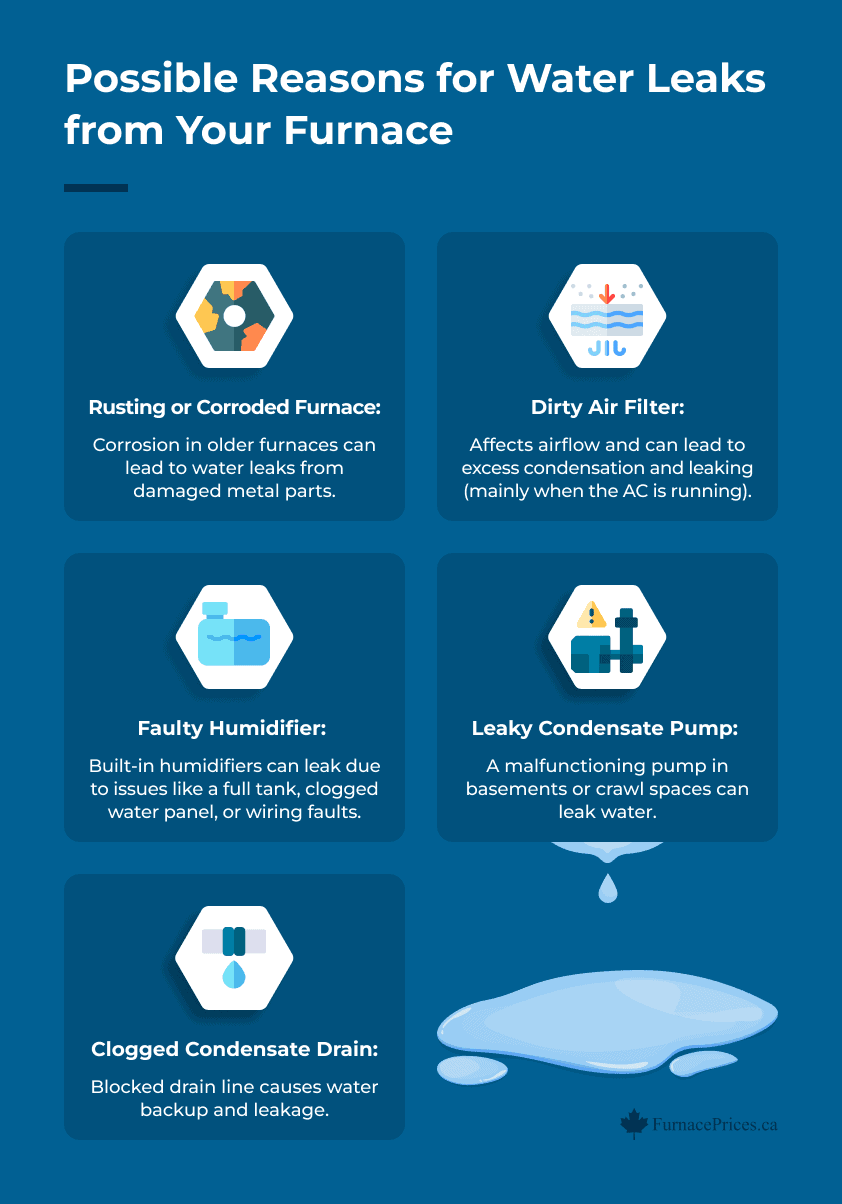
- Visible rust or water leaks on the unit
Hiring Qualified Technicians
Choose a technician who knows heaters well. They should have proper training and tools.
Check if the technician is licensed and insured. This protects you and your home.
- Look for certifications from heating organizations
- Ask about experience with your heater type
- Confirm they carry insurance and licenses
- Read reviews or get recommendations
- Request a clear, written estimate before work
Upgrading For Efficiency
Upgrading your heater can save energy and reduce malfunctions. Choosing the right model helps keep your home warm safely.
This guide explains energy-efficient models and smart heater features that improve performance and cut costs.
Energy-efficient Models
Energy-efficient heaters use less power to heat your space. They work better and last longer than older models.
- Use advanced heating elements to reduce energy waste
- Have better insulation to keep heat inside
- Include automatic shut-off for safety
- Offer programmable settings to match your schedule
Smart Heater Features
Smart heaters offer features that prevent problems and increase comfort. They connect with your devices for easy control.
| Feature | Benefit |
| Wi-Fi Connectivity | Control heater remotely from your phone |
| Temperature Sensors | Adjust heat automatically for stable warmth |
| Fault Alerts | Notify you of issues before they get worse |
| Energy Usage Reports | Help track and reduce power consumption |
Frequently Asked Questions
How Often Should I Service My Heater To Prevent Malfunctions?
Regular servicing every 12 months keeps heaters efficient and safe. It helps identify potential issues early, avoiding costly repairs. Scheduled maintenance ensures optimal performance and extends heater lifespan.
What Are Common Signs Of Heater Malfunction To Watch?
Unusual noises, inconsistent heating, strange odors, and frequent cycling indicate heater issues. Early detection allows prompt repairs. Ignoring signs can worsen damage and increase energy costs.
Can Regular Cleaning Prevent Heater Breakdowns?
Yes, cleaning removes dust and debris that block airflow. This improves efficiency and reduces wear on components. Regular cleaning prevents overheating and prolongs heater life.
How Does Thermostat Use Affect Heater Performance?
Proper thermostat settings avoid overworking the heater. Consistent temperatures reduce strain and energy use. Using programmable thermostats enhances comfort and prevents malfunctions.
Conclusion
Regular heater care keeps your home warm and safe. Check parts often and clean filters. Fix small problems before they grow bigger. Use your heater properly to avoid damage. A well-maintained heater saves money and stress. Stay warm without worry this winter.
Simple steps bring comfort all season long. Your heater works best with good care. Keep it running smoothly and safely.