
Winter can be tough on your body, especially when cold water comes into play. You might not realize it, but cold water stress can sneak up on you, causing discomfort, fatigue, or even serious health issues.
Imagine feeling sharp chills or muscle cramps just from everyday activities like washing dishes or taking a quick dip. But what if you could protect yourself from these risks with simple, effective steps? Keep reading to discover how you can prevent cold water stress this winter and stay comfortable and safe all season long.
Credit: medium.com
Cold Water Stress Risks
Cold water can cause serious stress to the body, especially in winter. Understanding these risks helps keep you safe.
Exposure to cold water affects many body systems. It can lead to shock, loss of movement, and other dangers.
How Cold Water Affects The Body
Cold water causes rapid heat loss. The body tries to protect vital organs by narrowing blood vessels.
- Shivering starts to create heat.
- Muscle strength drops quickly.
- Breathing becomes fast and shallow.
- Heart rate rises, causing stress.
Common Causes Of Cold Water Stress
Cold water stress happens in many ways. Knowing common causes can help avoid danger.
| Cause | Description |
| Accidental Falls | Falling into cold water suddenly |
| Cold Water Swimming | Swimming without protection in winter |
| Wet Clothing | Wearing wet clothes that cool the body fast |
| Prolonged Exposure | Staying in cold water too long |
Recognizing Early Symptoms
Early signs of cold water stress warn you to act fast. Spotting symptoms can save lives.
- Shivering that won’t stop
- Loss of coordination and slow movements
- Confusion or trouble speaking
- Cold, pale skin that feels numb
- Rapid breathing or gasping
Preparation Before Exposure
Cold water stress can be dangerous in winter. Preparing well helps keep you safe and warm.
Take time to get ready before entering cold water. Proper steps reduce health risks and discomfort.
Choosing Appropriate Clothing
Wear clothes that protect you from cold water and cold air. Use layers to keep heat in.
Waterproof outer layers help block wind and water. Insulating layers keep your body warm.
- Wear a waterproof jacket and pants
- Use thermal base layers made of wool or synthetic fibers
- Wear a hat and gloves to keep extremities warm
- Choose footwear that resists water and cold
Warming Up Properly
Warming your body before exposure helps prevent cold water shock. It prepares your muscles and heart.
Do light exercises such as jogging or jumping jacks. Move your arms and legs to increase blood flow.
- Start with slow stretches
- Do short bursts of cardio
- Avoid heavy sweating before exposure
- Keep dry after warming up
Checking Weather And Water Conditions
Always check the weather forecast before going near cold water. Know the temperature and wind speed.
Look at water conditions like currents and ice. Avoid dangerous areas to stay safe from cold water stress.
- Check air temperature and weather warnings
- Observe water temperature if possible
- Watch for ice patches or strong currents
- Plan your activity based on these conditions
Safe Practices In Cold Water
Cold water can cause stress to the body. It lowers body temperature fast. This can lead to serious health risks.
Following safe practices helps reduce cold water stress. It keeps you safer while in or near cold water.
Limiting Time In Water
Stay in cold water for as short a time as possible. The longer you stay, the greater the risk of hypothermia.
Plan your activities to reduce your time in water. Take breaks on land to warm up.
- Set a timer to track time in water
- Exit water immediately if you feel very cold
- Warm up quickly after leaving the water
Keeping Movement Controlled
Move slowly and steadily in cold water. Sudden movements can increase heat loss from your body.
Controlled movement helps maintain your body temperature. It also reduces the chance of accidents.
- Avoid fast swimming or thrashing
- Use slow, smooth strokes
- Focus on steady breathing
Using Safety Equipment
Wear proper safety gear to protect yourself in cold water. Equipment can help keep your body heat.
Use items designed for cold water safety. These reduce risks and improve your chances of staying safe.
- Wear a wetsuit or drysuit for insulation
- Use a life jacket or personal flotation device
- Carry a whistle or signaling device for help
Emergency Response Tips
Cold water stress can happen quickly in winter. It is important to know how to respond fast. Acting right away can save lives.
This guide covers key steps for handling cold water shock, treating hypothermia, and knowing when to get medical help.
Responding To Cold Water Shock
Cold water shock causes sudden gasping and loss of control. Stay calm and try to float on your back. Keep your head above water.
- Call for help immediately.
- Try to get out of the water as soon as possible.
- If you can’t get out, float and keep your clothes on to trap heat.
- Do not swim against strong currents; try to swim parallel to shore.
First Aid For Hypothermia
Hypothermia happens when your body loses heat fast. It can be life-threatening and needs quick care.
| Action | Description |
| Move to Warm Place | Get indoors or shield from wind and cold. |
| Remove Wet Clothes | Wet clothes lower body temperature quickly. |
| Warm the Body | Use blankets or dry clothing. |
| Give Warm Drinks | Offer warm, non-alcoholic fluids if conscious. |
| Avoid Direct Heat | Do not use hot water or heating pads directly on skin. |
When To Seek Medical Help
Some symptoms need urgent medical care. Call emergency services if you see any of these signs.
- Unconsciousness or unresponsiveness
- Severe shivering that stops suddenly
- Confusion, slurred speech, or memory loss
- Weak pulse or slow breathing
- Blue or pale skin color
Long-term Prevention Strategies
Cold water stress can affect your health, especially in winter. Long-term strategies can help you stay strong and healthy.
Knowing how to prevent cold water stress is important. Learn these strategies to build resilience and protect yourself.
Building Cold Water Tolerance
Building tolerance helps your body adapt to cold water. Start with short exposures and gradually increase the time.
- Begin with short, mild cold showers.
- Gradually increase the exposure time.
- Practice regularly to build tolerance.
Regular Health Checkups
Regular checkups keep track of your health. Doctors can spot early signs of cold water stress.
| Checkup | Frequency |
| General Health | Annually |
| Heart Health | Every 6 months |
| Skin Health | As needed |
Educating Yourself And Others
Learning about cold water stress is key. Share knowledge with family and friends to keep everyone informed.
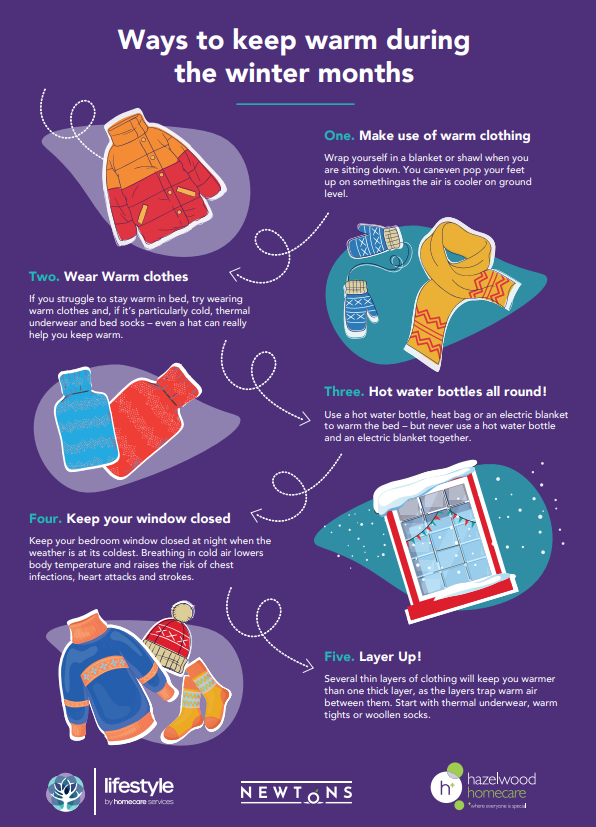
Credit: www.lifestyle-homecare.co.uk
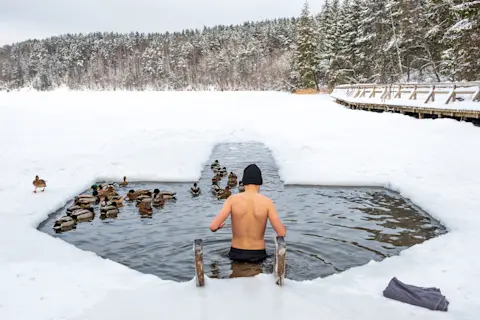
Credit: www.discovermagazine.com
Frequently Asked Questions
What Is Cold Water Stress And Why Is It Dangerous?
Cold water stress occurs when the body rapidly loses heat in cold water. It causes hyperventilation, confusion, and potential drowning. Preventing it is vital for safety during winter water activities.
How Can I Prevent Cold Water Stress In Winter?
Wear insulated, waterproof clothing and a life jacket. Avoid sudden immersion in cold water. Stay dry and limit exposure time. Preparing physically and mentally also reduces risk.
What Are The Symptoms Of Cold Water Stress?
Symptoms include uncontrollable shivering, numbness, rapid breathing, confusion, and loss of coordination. Early recognition helps prevent hypothermia and accidents in cold water environments.
Should I Swim In Cold Water During Winter?
Swimming in cold water is risky without proper gear and experience. It can cause cold water stress quickly. Always assess conditions and use safety equipment if swimming is necessary.
Conclusion
Preventing cold water stress keeps your body safe in winter. Dress warmly and avoid long exposure to cold water. Drink enough fluids to stay hydrated and keep your skin healthy. Know the signs of cold stress and act quickly if needed.
Taking small steps helps you enjoy winter without harm. Stay aware and protect yourself from cold water dangers. Simple habits make a big difference in staying safe and healthy.