
Are you tired of battling stubborn algae that turn your water features green and murky? You’re not alone.
Algae growth can quickly ruin the look and health of your pond, pool, or aquarium. But what if you could stop it before it starts? Controlling the temperature is a simple yet powerful way to keep algae at bay. You’ll discover easy-to-follow tips on how managing temperature can protect your water and save you time and effort.
Keep reading to learn how you can take control and enjoy crystal-clear water all year round.
Role Of Temperature In Algae Growth
Temperature plays a key role in how algae grow and spread. It affects their life cycle and how fast they multiply.
Controlling temperature can help manage algae growth in water systems. Knowing the right ranges helps prevent overgrowth.
Optimal Temperature Ranges For Algae
Most algae grow best between 20°C and 30°C (68°F to 86°F). Outside this range, their growth slows down.
Some algae types can survive in colder or hotter water, but their growth is limited. Warm temperatures often speed growth.
- Below 10°C (50°F): Slow growth or dormancy
- 20°C to 30°C (68°F to 86°F): Optimal growth
- Above 35°C (95°F): Growth declines or algae die
How Temperature Influences Algae Metabolism
Temperature affects the chemical processes inside algae cells. Warmer water speeds up metabolism and energy use.
Faster metabolism means algae can reproduce faster. Cold temperatures slow metabolism and reduce algae activity.
- Higher temperature increases photosynthesis rate
- Metabolic enzymes work best in warm water
- Too hot or too cold temperatures harm algae cells
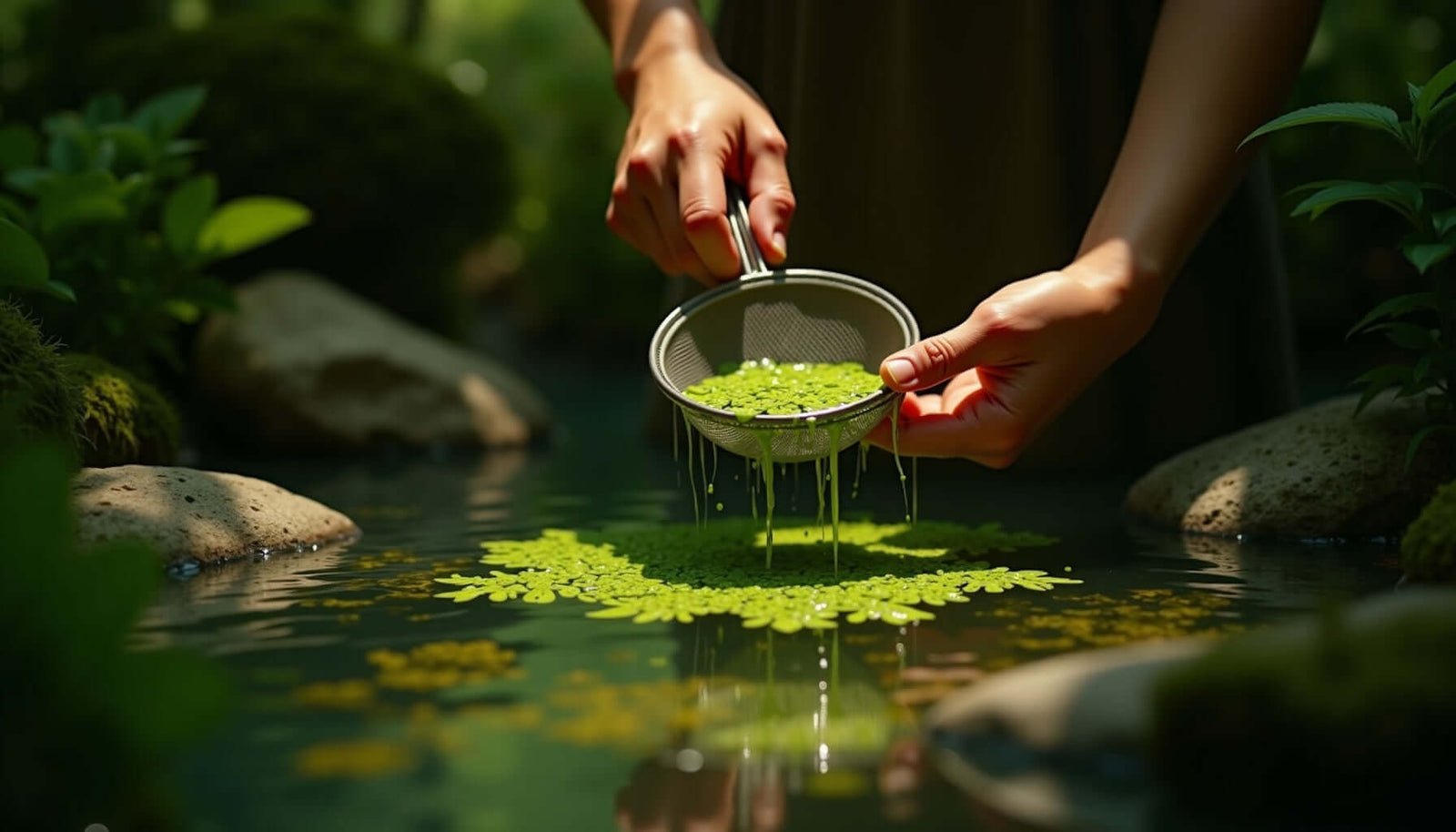
Credit: jungleaquatics.com
Temperature Control Methods
Controlling temperature is key to stopping algae growth in water systems. Warm water helps algae grow fast and spread.
Using the right temperature control methods keeps water cooler. This slows down algae and keeps water clean.
Using Shade And Coverings
Shade reduces sunlight that warms water and feeds algae. Coverings block light and cool the water surface.
Shade can come from trees, tents, or screens. Covers can be nets or floating materials.
- Place shade structures over ponds or tanks
- Use floating covers to block sunlight
- Grow plants near water edges for natural shade
Installing Cooling Systems
Cooling systems lower water temperature to slow algae growth. They keep water at safe levels for plants and fish.
Common cooling systems include chillers and aerators. They move cooler air or water to reduce heat.
- Use water chillers for precise temperature control
- Install aerators to increase water movement and cooling
- Choose energy-efficient models to save power
Regulating Water Flow And Circulation
Good water flow stops warm spots where algae grow. Circulation spreads cooler water and oxygen.
Pumps and fountains help keep water moving. This reduces algae buildup and keeps water clean.
- Use pumps to create steady water flow
- Add fountains or waterfalls for better circulation
- Check flow regularly to avoid stagnant water areas
Environmental Factors Affecting Temperature
Temperature plays a big role in algae growth. Controlling temperature can help stop algae from spreading.
Different environmental factors change the temperature. Knowing these helps manage algae better.
Impact Of Sunlight Exposure
Sunlight heats water and land. More sunlight means higher temperatures.
Algae need sunlight to grow. Too much sun can increase their growth rate.
- Direct sunlight raises water temperature
- Shaded areas stay cooler
- Longer sunlight hours boost algae growth
Seasonal Temperature Variations
Seasons change temperature throughout the year. Warm seasons raise water temperatures.
Cold seasons lower temperatures, slowing algae growth. Knowing this helps plan algae control.
- Summer increases water temperature
- Winter decreases water temperature
- Spring and fall have moderate temperatures
Additional Strategies To Limit Algae
Controlling algae growth requires more than just managing temperature. Other methods can help reduce algae in water systems.
This section covers nutrient management, biological controls, and chemical treatments to limit algae effectively.
Nutrient Management
Algae need nutrients like nitrogen and phosphorus to grow. Reducing these nutrients limits algae growth.
- Use fertilizers carefully to avoid runoff
- Plant buffer zones near water to absorb nutrients
- Remove decaying plants and organic matter promptly
- Test water regularly to monitor nutrient levels
Biological Controls
Certain animals and plants can reduce algae by feeding on it or competing for nutrients.
| Control Type | Examples | Effect on Algae |
| Fish | Grass carp, Tilapia | Eat algae directly |
| Invertebrates | Snails, Daphnia | Consume algae and organic matter |
| Plants | Water lilies, Cattails | Compete for nutrients |
Chemical Treatments
Chemicals can kill algae but should be used with care to avoid harm to other organisms.
- Algaecides kill algae quickly
- Use only recommended doses
- Follow local regulations for chemical use
- Apply treatments during calm weather
Monitoring And Maintenance
Controlling temperature helps stop algae from growing. Keeping an eye on temperature is key to prevention.
Regular checks help find problems early. Good maintenance keeps water clean and healthy.
Regular Temperature Monitoring
Check the water temperature often. Use a reliable thermometer for best results.
Keep temperature within a safe range. Warm water speeds up algae growth.
- Measure temperature daily or weekly
- Record readings to track changes
- Adjust heaters or coolers if needed
Early Detection Of Algae Growth
Look for signs of algae early. Catching it soon stops it from spreading.
Check water color and clarity. Green or cloudy water shows algae growth.
- Inspect surfaces for slimy patches
- Use water test kits regularly
- Clean tanks and filters often

Credit: jungleaquatics.com
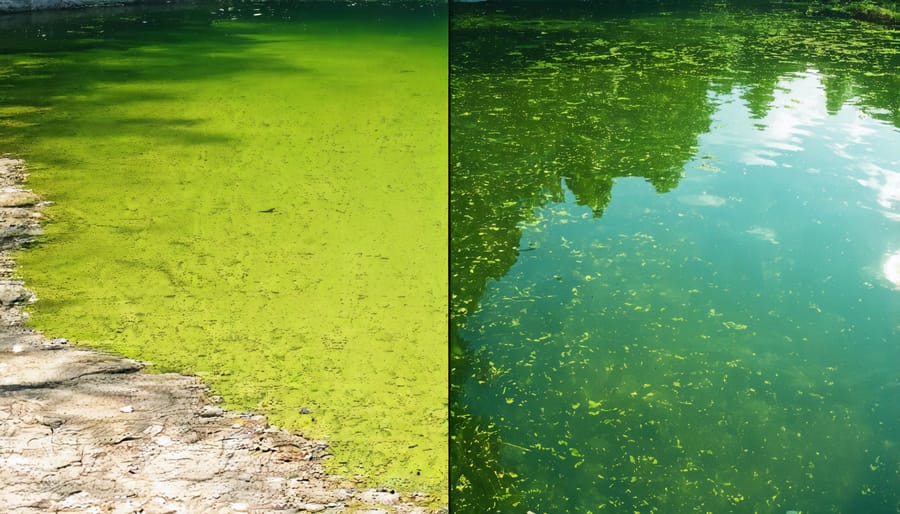
Credit: clearpond.com.au
Frequently Asked Questions
How Does Temperature Affect Algae Growth?
Temperature influences algae metabolism and reproduction rates. Warmer water speeds up growth, while cooler water slows it. Maintaining optimal temperatures helps control algae proliferation and prevents blooms.
What Temperature Range Prevents Algae Growth Effectively?
Algae growth slows significantly below 15°C (59°F). Keeping water temperatures consistently under this range limits their ability to multiply and form dense colonies, helping to maintain cleaner aquatic environments.
Can Temperature Control Replace Chemical Algae Treatments?
Temperature control is a natural, eco-friendly method but may not fully replace chemicals. Combining both approaches often yields better results in managing algae growth sustainably and safely.
How To Maintain Stable Temperature To Prevent Algae?
Use shading, aeration, or circulation to regulate water temperature. Avoid excessive heating or stagnation, as stable, cooler temperatures inhibit algae growth and promote healthier water quality.
Conclusion
Controlling temperature helps stop algae from growing fast. Cooler water slows algae’s spread and keeps it under control. Small changes in temperature make a big difference in water quality. Regularly checking and adjusting heat keeps algae levels low. Clean water means healthier plants and fish in your pond.
Simple steps can protect your water from algae problems. Keep the temperature right to enjoy clear, fresh water every day. Prevention is easier than dealing with algae once it takes hold.