
If you want your tropical fish to thrive and show their brightest colors, what you feed them matters more than you might think. Choosing the right premium fish food can make a huge difference in their health, energy, and lifespan.
You might be wondering which food will give your fish the best nutrition without harming your tank’s balance. This guide will help you understand exactly what premium fish food is, why it’s worth the investment, and how to pick the best option for your tropical friends.
Keep reading to discover how to make your fish happier and healthier every single day.

Credit: www.amazon.com
Benefits Of Premium Fish Food
Premium fish food provides the right nutrients for tropical fish. It helps fish stay healthy and grow strong.
Choosing high-quality food supports your fish’s natural colors and improves their immune system. This keeps your fish active and vibrant.
Enhanced Growth And Color
Premium fish food contains ingredients that promote fast and healthy growth. It helps fish develop strong bones and muscles.
The food also includes natural color enhancers. These make your fish’s colors brighter and more vivid.
- Supports faster growth
- Strengthens bones and muscles
- Improves natural color brightness
Improved Immune System
Good fish food contains vitamins and minerals that boost the immune system. This helps fish fight off diseases.
Strong immune systems keep fish healthier and reduce the risk of infections. Your fish stay active and live longer.
- Rich in vitamins and minerals
- Supports disease resistance
- Promotes longer fish lifespan
Balanced Nutrient Profile
Premium fish food has the right mix of proteins, fats, and carbohydrates. This balance meets all the dietary needs of tropical fish.
Balanced nutrients help maintain energy and overall health. Fish get what they need to thrive every day.
- Contains proteins, fats, and carbs
- Meets daily dietary needs
- Supports steady energy levels
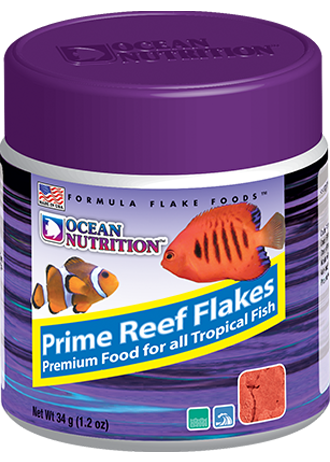
Credit: feederspetsupply.com
Types Of Premium Fish Food
Premium fish food offers the right nutrients for tropical fish health. Feeding your fish with quality food helps them grow strong and stay colorful.
There are several types of premium fish food. Each type suits different fish needs and feeding habits.
Flakes And Pellets
Flakes and pellets are the most common types of fish food. They are easy to use and store well. Flakes float on water, while pellets can sink or float depending on the type.
Both flakes and pellets contain balanced nutrients. They usually have proteins, vitamins, and minerals to support fish health.
- Flakes are good for surface feeders
- Pellets suit bottom and mid-water feeders
- Pellets come in different sizes for various fish
- Flakes can break down quickly in water
Frozen And Freeze-dried Options
Frozen and freeze-dried fish foods keep natural nutrients well. They are made from real ingredients like bloodworms, brine shrimp, or daphnia. These foods mimic the natural diet of tropical fish.
Frozen food must be thawed before feeding. Freeze-dried food is dry and easy to store. Both types offer high protein and help fish stay active.
- Frozen food retains moisture and freshness
- Freeze-dried food lasts longer without refrigeration
- Good for picky eaters or fish with special diets
- Use in moderation to avoid water pollution
Specialty Diets For Specific Species
Some tropical fish need special diets to stay healthy. Specialty foods target these needs with added ingredients or unique formulas. These diets help with color, digestion, or growth.
Examples include herbivore diets, carnivore diets, and food for bottom feeders. Each formula suits the fish’s natural eating habits and environment.
- Herbivore diets have more plant matter for plant-eating fish
- Carnivore diets include high protein for meat-eating fish
- Foods for bottom feeders sink quickly
- Color-enhancing foods contain natural pigments
Key Nutrients For Tropical Fish
Tropical fish need special nutrients to stay healthy and active. Good fish food contains the right mix of these nutrients.
Feeding your fish with balanced food helps them grow strong and show bright colors.
Proteins And Amino Acids
Proteins are the building blocks for fish muscles and tissues. Amino acids make up proteins and are vital for growth.
Fish need essential amino acids that their bodies cannot produce. These come from their diet.
- Support muscle development
- Help tissue repair
- Boost immune system
- Enable healthy growth
Vitamins And Minerals
Vitamins keep fish bodies working well. Minerals help with bone strength and other vital functions.
Common vitamins include A, C, D, and E. Important minerals are calcium, phosphorus, and potassium.
- Improve eyesight and skin health
- Strengthen bones and scales
- Support metabolism and energy
- Help heal wounds
Fatty Acids And Omega-3
Fatty acids provide energy and help fish stay healthy. Omega-3 fats reduce inflammation and keep skin smooth.
These fats improve brain function and support heart health in tropical fish.
- Supply essential energy
- Maintain healthy skin and scales
- Support brain and heart health
- Reduce inflammation
Selecting The Right Food For Your Fish
Choosing the right food is key to keeping tropical fish healthy. Different fish need different nutrients.
Feed your fish well to help them grow strong and stay active in your aquarium.
Considering Fish Species
Each fish species has unique dietary needs. Some eat plants, others prefer meat or both.
- Carnivores need protein-rich foods like bloodworms or shrimp.
- Herbivores eat algae, vegetables, and plant-based flakes.
- Omnivores require a mix of animal and plant foods.
- Bottom feeders like sinking pellets or wafers.
Age And Size Factors
Young fish need more protein to support growth. Adult fish need balanced nutrition.
| Fish Age | Food Type | Feeding Tips |
| Fry (baby fish) | Fine powdered food | Feed small amounts often |
| Juvenile | Small flakes or pellets | Feed 2-3 times daily |
| Adult | Regular flakes, pellets, or frozen food | Feed once or twice daily |
Feeding Frequency And Amount
Feed your fish small amounts that they can eat in a few minutes. Avoid overfeeding.
- Feed young fish more often, up to 3 times a day.
- Adult fish usually eat once or twice a day.
- Remove uneaten food to keep the tank clean.
- Adjust feeding based on fish activity and health.
Storage And Handling Tips
Proper storage and handling of premium fish food for tropical fish is important. It keeps the food fresh and safe for your fish.
Follow these guidelines to ensure the quality of your fish food. This will help maintain the health of your tropical fish.
Maintaining Freshness
Keep fish food in a cool, dry place. Avoid areas with direct sunlight or high humidity.
Seal the food container tightly after each use. This prevents air and moisture from entering.
- Store food in a pantry or cupboard
- Use airtight containers
- Check expiration dates regularly
Avoiding Contamination
Contamination can harm your fish. Always use clean utensils when handling fish food.
Wash your hands before and after feeding your fish. This reduces the risk of spreading germs.
- Do not use wet hands to scoop food
- Avoid cross-contamination with other foods
- Keep feeding tools clean and dry
Proper Packaging
Choose packaging that protects the fish food. Good packaging keeps out air, moisture, and pests.
Some fish foods come in resealable bags or containers. These are ideal for maintaining freshness.
| Packaging Type | Benefits |
| Resealable Bags | Easy to close, keeps food fresh |
| Airtight Containers | Prevents moisture and air exposure |
| Original Packaging | Designed for product protection |
Common Feeding Mistakes To Avoid
Feeding tropical fish the right way is important for their health. Avoid common mistakes to keep your fish happy and healthy.
Learning about these mistakes helps you provide the best care for your fish. Let’s explore some key areas to focus on.
Overfeeding Risks
Overfeeding is a common issue in fish care. It can lead to health problems and dirty water.
- Overfed fish may become obese.
- Leftover food can pollute the tank.
- Excess waste affects water quality.
Ignoring Dietary Needs
Each fish species has unique dietary needs. Ignoring these can harm your fish’s health.
- Research your fish’s natural diet.
- Provide a balanced variety of food.
- Adjust diet based on fish age and size.
Using Low-quality Food
Low-quality food lacks essential nutrients. This can weaken your fish and cause disease.
Choose premium fish food for better health. Check labels for high-quality ingredients.
- High-quality food supports immune health.
- Better food enhances fish color.
- Quality food promotes growth.
Enhancing Nutrition With Supplements
Feeding tropical fish with the right supplements can improve their health. Supplements add essential nutrients missing in regular food.
These extras help fish grow strong and show bright colors. They support immune systems and boost energy.
Vitamins And Minerals Boosters
Vitamins and minerals keep tropical fish healthy and active. They help with bone strength, vision, and overall metabolism.
- Vitamin C supports healing and immunity.
- Calcium strengthens bones and fins.
- Vitamin D helps absorb minerals.
- Iron aids in oxygen transport.
Live Food And Treats
Live food mimics natural diets and offers fresh nutrients. Treats add variety and encourage natural hunting behavior.
| Type | Benefit | Examples |
| Live Food | High protein, natural movement | Brine shrimp, daphnia |
| Treats | Enhances appetite and activity | Bloodworms, tubifex worms |
Natural Additives
Natural additives improve digestion and water quality. They reduce stress and promote better fish health.
- Aloe vera supports healing and skin health.
- Spirulina boosts color and immunity.
- Garlic acts as a natural parasite repellent.

Credit: www.amazon.com
Frequently Asked Questions
What Is The Best Premium Fish Food For Tropical Fish?
Premium tropical fish food contains balanced nutrients, vitamins, and proteins. It supports vibrant colors, growth, and overall health. Look for brands with natural ingredients and high-quality sources to ensure your fish thrive in a healthy environment.
How Often Should I Feed Premium Fish Food To Tropical Fish?
Feed tropical fish small amounts 1-2 times daily. Overfeeding can harm water quality and fish health. Provide only what they can consume within 2-3 minutes to avoid waste and maintain a clean aquarium environment.
Can Premium Fish Food Improve Tropical Fish Coloration?
Yes, premium fish food often includes color-enhancing ingredients like spirulina and carotenoids. These nutrients boost your tropical fish’s natural colors, making them more vibrant and attractive. Regular feeding enhances their appearance and overall vitality.
Are Flakes Or Pellets Better For Tropical Fish Nutrition?
Both flakes and pellets offer good nutrition, but pellets often provide longer-lasting freshness. Choose based on your fish species’ preference and feeding habits. Premium options in either form ensure balanced nutrients for healthy growth and activity.
Conclusion
Choosing premium fish food helps keep tropical fish healthy and bright. Good nutrition supports their growth and energy. It also improves their color and immune system. Feeding high-quality food means fewer health problems later. Your fish will swim actively and live longer.
Remember, small changes in diet make a big difference. Care for your fish with the best food you can find. Healthy fish bring joy and beauty to your aquarium every day. Simple care leads to happy, thriving tropical fish.