
Are you ready to transform your space with a beautiful, green underwater garden? A planted tank starter kit is the perfect way to begin.
It gives you everything you need to create a vibrant, healthy aquarium without the guesswork. Whether you’re new to fishkeeping or looking to try something fresh, this kit makes it simple and fun. Keep reading to discover how you can bring life, color, and calm to your home with just one easy purchase.
Your perfect planted tank awaits!

Credit: www.amazon.ca
Choosing The Right Starter Kit
Starting a planted tank is exciting but needs careful planning. Picking the right starter kit helps you build a healthy aquarium.
A good starter kit has the right size, equipment, and fits your budget. These factors make your aquarium easier to maintain.
Tank Size And Shape
Choose a tank size that fits your space and goals. Small tanks need more care and stable conditions.
The shape affects plant and fish choices. Long tanks give more surface area for plants. Tall tanks may need stronger lighting.
- Small tanks: 5 to 10 gallons, good for beginners
- Medium tanks: 20 to 30 gallons, allow more fish and plants
- Large tanks: 40+ gallons, easier water stability
- Rectangular tanks: more planting area
- Tall tanks: need strong lighting for plants
Essential Equipment Included
A starter kit should have all basic equipment to support plants and fish. This saves time and effort finding parts.
Look for these main items in a planted tank kit. They help keep water clean and plants healthy.
- Tank with a lid to reduce evaporation
- Lighting suitable for plant growth
- Filter to keep water clear and oxygenated
- Heater to maintain stable temperature
- Substrate designed for plant roots
- Basic water test kit for monitoring
Budget Considerations
Set a budget before buying your starter kit. Kits vary in price depending on size and equipment quality.
Cheaper kits may save money but might need upgrades soon. Higher price kits often include better gear and last longer.
- Small kits usually cost less but need careful care
- Mid-range kits balance price and quality
- High-end kits offer advanced features for plants
- Plan for extra costs like plants and fish
- Check if kit parts are replaceable or upgradeable
Selecting Substrate And Soil
The right substrate and soil are key for a healthy planted tank. They support plant roots and affect water quality.
Choosing well helps plants grow strong and keeps fish safe. Learn about different substrates, nutrient options, and layering tips.
Types Of Substrate
Substrate comes in many forms. Gravel, sand, and soil each have benefits. Gravel is easy to clean and allows water flow.
Sand looks natural and is gentle on small fish. Soil offers nutrients but may cloud water at first.
- Gravel: Good for root anchoring and water flow
- Sand: Smooth texture, safe for bottom dwellers
- Aquarium Soil: Nutrient-rich, supports plant growth
- Clay-Based Substrate: Holds nutrients well
Nutrient-rich Options
Plants need nutrients for healthy growth. Some substrates come with added fertilizers. Others need extra supplements.
| Substrate Type | Contains Nutrients | Fertilizer Needed |
| Aquarium Soil | Yes | No |
| Gravel | No | Yes |
| Sand | No | Yes |
| Clay-Based | Yes | Sometimes |
Layering Techniques
Layering helps combine benefits of different substrates. It creates a nutrient base and a clean top layer.
Here is a simple layering method:
- Start with a nutrient-rich soil layer at the bottom.
- Add a thin barrier layer to prevent mixing.
- Top with gravel or sand for a clean look.
Picking Aquatic Plants
Choosing the right aquatic plants is key for a healthy planted tank. Plants add beauty and help keep water clean.
Start by learning about plants that grow well in your tank size and lighting. This guide helps you pick the best types.
Beginner-friendly Species
Some plants are easy to care for and grow fast. These are great for beginners starting their planted tank.
- Java Fern: Tolerates low light and little care
- Anubias: Grows slowly but very hardy
- Amazon Sword: Large leaves, needs moderate light
- Cryptocoryne: Adapts to many water conditions
- Java Moss: Great for decorating and hiding fish
Plant Placement Tips
Place plants based on their size and light needs. This helps create a balanced and healthy tank environment.
Taller plants go in the back or corners. Shorter plants fit well in front or middle areas.
- Keep fast growers away from slow growers
- Attach plants like Java Fern to rocks or driftwood
- Leave open space for fish to swim freely
- Group plants with similar light needs together
Balancing Plant Types
Use different plant types for a well-rounded tank. Mix root feeders, floating plants, and stem plants.
This balance helps with nutrient use and keeps algae under control.
- Root feeders like Amazon Sword need nutrient-rich substrate
- Floating plants like Duckweed absorb surface nutrients
- Stem plants like Hygrophila grow quickly and provide cover
- Mosses add texture and hide tank equipment

Credit: www.amazon.ca
Lighting Setup
Lighting is very important for a planted tank starter kit. It helps plants grow healthy and strong. Good lighting makes your tank look bright and beautiful.
Choosing the right light and setting the right time for it are key steps. This guide will explain what you need to know about lighting.
Choosing The Right Light
Pick lights made for planted tanks. LED lights are popular because they save energy and last long. They also give the right color for plants.
Look for lights with full spectrum or plant spectrum. These help plants grow by giving light like the sun. Avoid regular aquarium lights that do not support plant growth.
- LED lights with full spectrum
- Light intensity suitable for low to medium plants
- Adjustable brightness is helpful
Lighting Duration
Plants need a set time of light each day. Too much light can cause algae to grow. Too little light can stop plant growth.
Most planted tanks do well with 8 to 10 hours of light daily. Using a timer can help keep the light on the same schedule every day.
- 8 to 10 hours of light per day
- Use a timer for consistent lighting
- Adjust time based on plant needs
Effects On Plant Growth
Good lighting helps plants make food through photosynthesis. Plants grow leaves, roots, and stems better with enough light.
Poor lighting causes slow growth and weak plants. Too much light can cause algae, which harms plants and tank looks.
- Right light boosts photosynthesis
- Proper duration keeps plants healthy
- Balanced light prevents algae growth
Filtration And Water Quality
Keeping a planted tank healthy starts with good filtration and water quality. A clean environment helps plants and fish thrive. Let’s explore how to achieve this.
Understanding filtration and maintaining water quality is key for a successful planted tank. This guide will help you learn about different filter types and how to keep water parameters stable.
Filter Types For Planted Tanks
Choosing the right filter is important for your planted tank. Filters keep water clean and clear, which is vital for plants and fish.
Different filter types suit different tanks. Consider the size and number of plants and fish when picking a filter.
- Canister filters are powerful and work well for large tanks.
- Hang-on-back filters are easy to use and good for medium tanks.
- Sponge filters are gentle and perfect for small tanks with shrimp.
Maintaining Water Parameters
Water parameters affect plant and fish health. Regular checks ensure a stable environment.
Use test kits to measure parameters like pH, ammonia, and nitrate levels. Adjust as needed to keep them stable.
- pH should be around 6.5 to 7.5 for most plants.
- Ammonia and nitrites should be at zero.
- Nitrates should stay under 20 ppm.
Preventing Algae Growth
Algae can take over a tank if not controlled. It competes with plants for nutrients and light.
To prevent algae, balance light and nutrients. Keep light on for 8-10 hours a day and avoid overfeeding fish.
- Reduce light if algae grows fast.
- Add algae-eating fish or snails.
- Regularly remove any visible algae.
Co2 And Fertilization
Creating a thriving planted tank requires careful attention to CO2 and fertilization. These elements play a crucial role in plant health and growth.
Understanding the options for CO2 injection and choosing the right fertilization method can make all the difference in your aquarium.
Co2 Injection Options
CO2 is vital for plant photosynthesis. There are several ways to inject CO2 into your tank to help plants grow.
- Pressurized CO2 systems offer a steady supply.
- DIY yeast-based systems are budget-friendly.
- CO2 tablets dissolve directly in water.
Liquid Fertilizers Vs Tablets
Fertilizers provide necessary nutrients for plants. You can choose between liquid fertilizers and tablet forms based on your tank’s needs.
| Type | Advantages | Disadvantages |
| Liquid Fertilizers | Easy to dose | Can cause algae if overdosed |
| Tablets | Targeted nutrient release | Less control over dosage |
Feeding Schedules
Establishing a proper feeding schedule is important for maintaining nutrient balance. Consistent feeding helps plants thrive.
- Daily: Check CO2 levels and adjust as needed.
- Weekly: Dose liquid fertilizers or place new tablets.
- Monthly: Assess plant growth and adjust feeding as required.
Aquascaping Techniques
Aquascaping is the art of arranging plants, rocks, and wood inside an aquarium. It creates a beautiful underwater landscape that looks natural and peaceful.
Using a planted tank starter kit helps beginners try different aquascaping styles. Learning some basic techniques makes your tank look great and keeps plants healthy.
Creating Layouts
Start your layout by choosing a focal point. This is the main spot that draws attention. It can be a tall plant or a unique rock.
Arrange plants and decorations around the focal point. Use different heights and colors to add depth. Leave open spaces to avoid a crowded look.
- Place tall plants at the back
- Use medium plants in the middle
- Put small plants in front
- Keep some clear areas for fish swimming
Using Hardscape Materials
Hardscape materials like rocks and wood add structure to your tank. They create natural shapes and hiding spots for fish.
Choose materials that are safe and do not change water chemistry. Arrange them in groups or lines to guide the eye through the tank.
- Use rocks with smooth edges to avoid fish injury
- Place wood pieces at angles for a natural look
- Combine different materials for texture variety
- Secure hardscape to prevent shifting
Plant Pruning And Maintenance
Regular pruning keeps plants healthy and looking neat. Remove dead or yellow leaves to stop decay in the tank.
Trim plants to control their size. This helps light reach all parts of the tank and encourages new growth.
- Cut stems above a leaf node to promote branching
- Remove excess growth to keep open spaces
- Clean tools before and after pruning
- Check plants weekly for signs of disease
Stocking Your Tank
Setting up a planted tank needs careful choice of animals. Fish and invertebrates must live well with plants.
Picking the right species helps keep your tank healthy and beautiful over time.
Fish Suitable For Planted Tanks
Choose fish that do not eat or uproot plants. Small, peaceful fish work best in planted tanks.
- Neon Tetras: Bright colors, peaceful swimmers
- Guppies: Easy to care for, colorful
- Corydoras Catfish: Bottom dwellers, gentle
- Otocinclus Catfish: Algae eaters, plant safe
- Harlequin Rasboras: Active and calm
Invertebrate Additions
Invertebrates add life and help keep the tank clean. Choose species that do not harm plants.
- Amano Shrimp: Great algae eaters
- Cherry Shrimp: Bright red, peaceful
- Snails (Nerite or Mystery): Help clean algae and debris
Compatibility Tips
Check if fish and invertebrates can live together peacefully. Avoid species that may harm each other.
Make sure all tank mates like similar water conditions and temperatures.
- Mix peaceful fish only
- Avoid large or aggressive fish
- Match species that share water needs
- Watch for signs of stress or fighting
Troubleshooting Common Issues
Starting a planted tank is exciting but can bring some challenges. Knowing how to fix common problems helps keep your tank healthy.
This guide covers algae control, plant health issues, and equipment malfunctions. Use these tips to solve problems quickly.
Algae Control
Algae can grow fast and cover your plants and decorations. It happens when light or nutrients are unbalanced.
Reduce algae by controlling light and nutrients. Avoid placing the tank in direct sunlight.
- Keep lighting time to 6-8 hours daily
- Do regular water changes to reduce excess nutrients
- Add fast-growing plants to compete with algae
- Use algae-eating fish or snails carefully
Plant Health Problems
Plants may show yellow leaves, holes, or slow growth. These signs mean they need better care.
Check for enough light, nutrients, and clean water. Use liquid fertilizers if needed.
- Trim dead or damaged leaves regularly
- Ensure proper CO2 levels for plant growth
- Test water parameters like pH and hardness
- Replace old or weak plants to keep tank healthy
Equipment Malfunctions
Filters, heaters, and lights can stop working or work poorly. This affects your tank’s balance.
Check equipment often. Clean filters and replace bulbs as needed. Use a thermometer to check heater accuracy.
- Clean filter media monthly to keep flow strong
- Replace heater if temperature fluctuates
- Use a timer for consistent lighting
- Inspect cords and plugs for damage
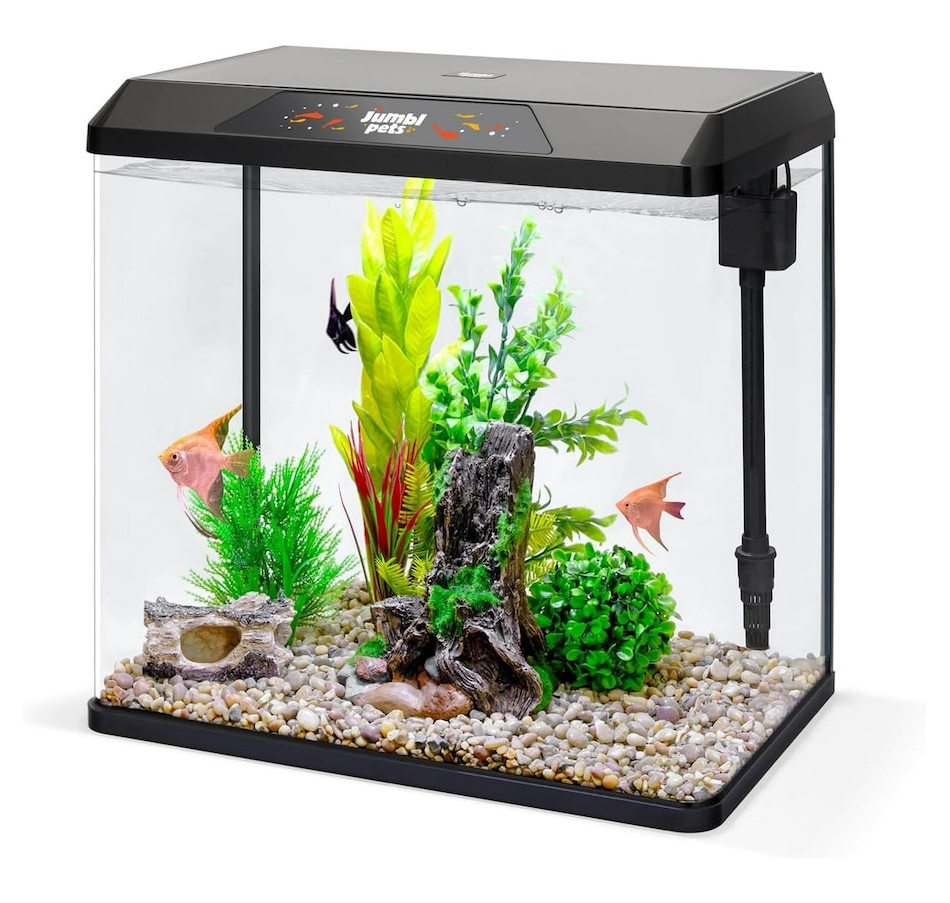
Credit: www.tsc.ca
Maintenance Routines
Keeping a planted tank healthy needs regular care. Following simple routines helps plants and fish grow well.
Good maintenance keeps the water clean and plants strong. It also prevents problems before they start.
Water Changes
Changing the water keeps the tank clean and safe. It removes waste and adds fresh minerals for plants.
Change about 20% of the water every week. Use water that matches the tank’s temperature and pH.
- Turn off filters before water change
- Use a siphon to remove old water
- Replace with fresh, treated water
- Turn filters back on after refill
- Check water temperature and pH
Cleaning Techniques
Cleaning removes algae and debris from the tank. It keeps plants healthy and water clear.
Clean tank walls and decorations gently. Use tools made for aquariums to avoid damage.
- Use an algae scraper for tank walls
- Clean filters monthly but don’t overdo it
- Trim dead or dying plant leaves
- Remove uneaten food daily
- Check equipment for proper function
Monitoring Growth
Watch your plants every day. Healthy plants grow steady and show bright green leaves.
Look for signs of trouble like yellow leaves or slow growth. Adjust light and nutrients as needed.
- Note changes in leaf color and size
- Check for algae covering plants
- Measure plant growth weekly
- Adjust lighting time and intensity
- Add fertilizers if plants look weak
Frequently Asked Questions
What Is Included In A Planted Tank Starter Kit?
A planted tank starter kit typically includes a tank, LED light, filter, substrate, and basic tools. It provides everything needed to begin aquascaping with live plants, making setup easy and convenient for beginners.
How Do I Choose The Right Substrate For My Planted Tank?
Choose a nutrient-rich substrate designed for aquatic plants. It supports root growth and plant health. Avoid gravel alone, as it lacks nutrients needed by most live plants.
What Lighting Is Best For A Planted Tank Starter Kit?
LED lights with full-spectrum or plant-specific bulbs are best. They provide the necessary light wavelengths for photosynthesis and healthy plant growth in freshwater aquariums.
How Often Should I Perform Water Changes In A Planted Tank?
Perform water changes of about 20-30% weekly. This helps maintain water quality, removes excess nutrients, and promotes a healthy environment for plants and fish.
Conclusion
A planted tank starter kit helps you begin your aquarium journey. It saves time by including all needed items. Plants grow well with the right tools and care. You enjoy a healthy, green underwater world faster. Choose a kit that fits your space and budget.
Start small, learn as you go, and have fun. Your fish and plants will thank you. A planted tank brings calm and beauty to any room. Simple steps lead to a thriving aquatic garden.