
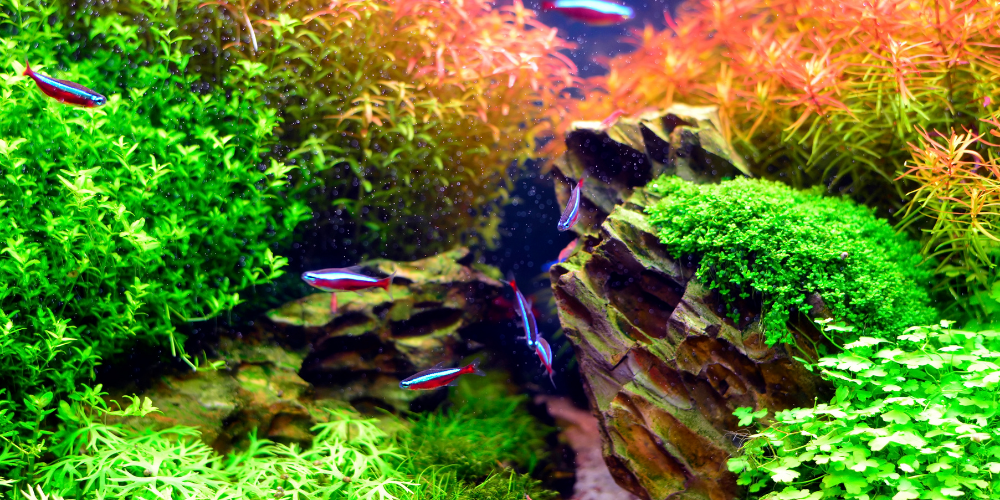
If you want to create a stunning planted tank that becomes the centerpiece of your room, you’re in the right place. Aquascaping is more than just arranging plants; it’s about crafting a living work of art that brings nature’s beauty indoors.
But where do you start? How do you make your tank look balanced, healthy, and inviting? You’ll discover easy-to-follow tips that will help you design a vibrant, thriving planted tank. Whether you’re a beginner or looking to improve your skills, these insights will transform your aquarium into a breathtaking underwater garden you’ll be proud to show off.
Keep reading, and let’s bring your vision to life.
Credit: www.pond-planet.co.uk
Choosing The Right Tank
Picking the right tank is key for a healthy planted tank. The tank sets the stage for plants and fish.
Consider size, material, and location before buying. These affect growth and ease of care.
Tank Size And Shape
Choose a tank size that fits your space and goals. Larger tanks are stable but need more water and care.
- Small tanks (5-10 gallons) suit beginners or small plants.
- Medium tanks (20-40 gallons) offer more room for fish and plants.
- Large tanks (50+ gallons) support complex aquascapes and diverse life.
Shape matters for layout. Long tanks give wide planting areas. Tall tanks need plants that grow upward.
Glass Vs Acrylic
Glass tanks resist scratching and are easy to clean. They are heavier but usually cost less.
Acrylic tanks are lighter and stronger. They allow custom shapes but scratch more easily.
| Feature | Glass | Acrylic |
| Weight | Heavier | Lighter |
| Scratch Resistance | High | Low |
| Cost | Lower | Higher |
| Custom Shapes | Limited | More options |
Placement And Lighting
Pick a spot away from direct sunlight to avoid algae. The tank needs stable temperature and easy access.
- Near a power outlet for lighting and filters
- On a sturdy, level surface
- Away from heaters and vents to keep temperature steady
- Accessible for maintenance and viewing
Lighting affects plant growth. Choose lights that fit your tank size and plants’ needs.
Essential Equipment
Setting up a planted tank requires the right tools. Good equipment helps plants grow healthy and strong.
This guide covers filters, lighting, and CO2 systems for your aquascape.
Filters And Pumps
Filters keep the water clean by removing waste and debris. Pumps help move water through the filter and around the tank.
Choose filters and pumps that match your tank size. Good flow helps plants get nutrients and oxygen.
- Canister filters work well for big tanks
- Hang-on-back filters are easy to maintain
- Internal filters fit small tanks
- Pumps should provide steady, gentle water flow
Lighting Options
Lighting is key for plant growth. Plants need light to make food through photosynthesis.
Pick lights that give the right brightness and color. LED lights are popular because they save energy and last long.
- Full-spectrum LED lights support plant health
- Keep lights on for 8 to 10 hours daily
- Use timers to keep lighting consistent
- Adjust brightness based on plant type
Co2 Systems
CO2 is important for plant growth. Adding CO2 helps plants grow faster and stay green.
There are different CO2 systems. Choose one that fits your experience and tank size.
- Pressurized CO2 systems give steady CO2 supply
- DIY yeast CO2 kits are cheap but less stable
- CO2 reactors help dissolve CO2 in water
- Monitor CO2 levels to avoid harming fish
Selecting Substrate And Soil
Choosing the right substrate and soil is key for a healthy planted tank. These materials support plant roots and help keep the water clean.
Good substrate and soil provide nutrients and a stable base for plants. They also affect the tank’s look and water chemistry.
Types Of Substrate
There are many substrates for planted tanks. Each type has benefits and suits different plants.
- Gravel: Large, easy to clean, but low in nutrients.
- Sand: Fine texture, good for small plants, can compact easily.
- Aquarium Soil: Rich in nutrients and helps plant growth.
- Clay Balls: Porous and hold nutrients well.
Nutrient-rich Soil
Nutrient-rich soil feeds plants and keeps them healthy. It contains minerals like iron and potassium.
Using nutrient soil helps plants grow strong roots and bright leaves. It also reduces the need for extra fertilizers.
- Look for soil made for aquarium plants.
- Check if it releases nutrients slowly.
- Choose soil that does not cloud the water.
Layering Techniques
Layering helps combine different substrates to support plants and water quality. It creates a good environment for roots.
Start with nutrient soil below and add gravel or sand on top. This keeps nutrients near roots and stops soil from floating.
- Bottom layer: nutrient-rich soil or aquarium soil.
- Top layer: fine gravel or sand for plant stability.
- Keep layers 1-3 inches deep depending on plant type.

Credit: www.youtube.com
Plant Selection For Beginners
Choosing the right plants is key to a healthy planted tank. Beginners should start with easy plants. These plants need less care and grow well in many conditions.
This guide covers simple species, plant placement, and care tips. Follow these ideas to build a beautiful aquascape.
Easy-to-grow Species
Some plants are perfect for beginners. They tolerate low light and varied water conditions. These species help you get started without stress.
- Anubias – slow-growing, tough leaves, grows on rocks or wood
- Java Fern – low light, attaches to surfaces, needs no substrate
- Cryptocoryne – medium light, grows in substrate, hardy plant
- Java Moss – grows on many surfaces, good for hiding fish fry
- Amazon Sword – larger plant, needs moderate light, grows in substrate
Foreground, Midground, Background Plants
Place plants by their height and size for a natural look. Foreground plants stay small. Midground plants fill space. Background plants grow tall.
| Plant Position | Examples | Purpose |
| Foreground | Dwarf Hairgrass, Java Moss | Cover substrate, create soft front |
| Midground | Cryptocoryne, Anubias | Fill middle area, add texture |
| Background | Amazon Sword, Vallisneria | Provide height and background color |
Plant Care Basics
Good care helps plants grow strong and healthy. Learn how to keep your plants happy with simple steps.
- Light: Provide 8 to 10 hours of light daily. Use LED or fluorescent lights.
- Water: Keep water clean with regular changes. Test pH and hardness.
- Fertilizer: Use liquid or substrate fertilizers for nutrients.
- CO2: Most beginner plants do well without extra CO2.
- Trimming: Cut dead leaves and trim plants to control growth.
Aquascaping Layout Ideas
Aquascaping is the art of arranging plants, stones, and wood in a planted tank. Good layouts make your tank look natural and beautiful.
Using simple design ideas can help you create a stunning underwater garden. These tips focus on balance and depth.
The Rule Of Thirds
The rule of thirds divides your tank into three parts horizontally and vertically. Place key plants or decorations along these lines.
This makes the layout more balanced and pleasing to the eye. Avoid placing everything in the center.
- Draw invisible lines to split the tank into thirds
- Put main plants or rocks where the lines cross
- Leave some open space for balance
Creating Depth And Perspective
Depth makes your tank look bigger and more natural. Use plants of different sizes to create a sense of distance.
Place tall plants at the back and short ones in front. Use smaller stones near the front and bigger ones at the back.
- Use tall plants and large rocks at the back
- Put medium plants in the middle
- Place small plants and stones near the front
- Keep a clear foreground for better view
Using Hardscape Elements
Hardscape means the rocks, wood, and other solid materials in your tank. These give structure and shape to your design.
Arrange hardscape pieces in groups to create focal points. Make sure they look natural and not crowded.
- Choose rocks and wood that fit your tank size
- Group elements in odd numbers for a natural look
- Use hardscape to support plants and create hiding spots
- Leave space for fish to swim freely

Credit: buceplant.com
Hardscape Materials
In aquascaping, hardscape materials set the foundation of your underwater design. These elements help create structure and depth in your planted tank.
Choosing the right hardscape materials can transform your aquarium into a captivating aquatic landscape.
Rocks And Stones
Rocks and stones add texture and variety to your aquascape. They provide a natural look and can serve as focal points.
- Slate offers a sleek, flat surface for plants.
- Dragon stone has unique textures and crevices.
- Seiryu stone creates dramatic rock formations.
Driftwood Choices
Driftwood introduces organic shapes and promotes a natural environment for fish. It can also lower pH levels in the water.
| Type | Feature |
| Mopani | Dark, dense wood |
| Cholla | Porous and lightweight |
| Malaysian | Rich brown color |
Arranging Hardscape
Arranging hardscape involves planning the layout to enhance visual appeal. It helps in defining the flow and focus of the aquascape.
Planting Techniques
A planted tank can be a beautiful addition to your home. Learn the best techniques to plant and care for your aquatic plants.
Proper planting methods ensure your aquarium plants thrive. Let’s explore some effective techniques to get you started.
Trimming And Pruning
Regular trimming keeps plants healthy and prevents overcrowding. Use sharp scissors to trim excess growth.
Pruning encourages new growth and helps maintain the desired shape. Remove dead leaves to enhance plant health.
- Trim plants every few weeks
- Prune to promote new shoots
- Remove dead or yellow leaves
Planting Patterns
Design your tank with varied plant arrangements. Group plants by size for a natural look.
Use taller plants at the back and shorter ones in the front. This creates depth and makes the tank appear larger.
| Front Row | Short Plants |
| Middle Row | Medium Plants |
| Back Row | Tall Plants |
Promoting Healthy Growth
Healthy growth requires proper lighting and nutrients. Ensure your tank has enough light for photosynthesis.
Use fertilizers to provide essential nutrients. Monitor water quality to support plant health.
- Provide adequate lighting
- Use liquid or substrate fertilizers
- Regularly check water parameters
Maintaining Your Planted Tank
Keeping a planted tank healthy takes regular care. Good maintenance helps plants grow and fish stay well.
Simple habits can keep your aquarium clean and balanced. This guide covers key tips for daily upkeep.
Water Changes
Change water regularly to keep the tank clean. Removing old water lowers waste and toxins.
Replace about 20% to 30% of the water weekly. Use water that matches the tank’s temperature.
- Prepare clean, dechlorinated water before adding
- Use a siphon to remove debris from the substrate
- Pour water slowly to avoid disturbing plants and fish
Algae Control
Algae can grow fast and harm your plants. Keep algae under control to protect your tank’s balance.
Limit light exposure and avoid overfeeding fish. Clean tank surfaces regularly to reduce algae buildup.
- Set lighting to 6-8 hours per day
- Feed fish only what they eat in 2 minutes
- Use a soft brush or algae scraper to clean glass
Monitoring Water Parameters
Check water quality often to keep plants and fish healthy. Testing helps spot problems early.
Important parameters include pH, ammonia, nitrate, and nitrite. Keep values within safe ranges for your tank.
| Parameter | Safe Range |
|---|---|
| pH | 6.5 – 7.5 |
| Ammonia (NH3) | 0 ppm |
| Nitrite (NO2) | 0 ppm |
| Nitrate (NO3) | < 20 ppm |
Troubleshooting Common Issues
Planted tanks offer a beautiful underwater world. Sometimes, plants and algae cause problems. Knowing how to fix these issues keeps your tank healthy.
This guide covers yellowing leaves, algae outbreaks, and plant melting. Each section explains causes and easy fixes.
Yellowing Leaves
Yellow leaves show a nutrient or light problem. Plants need enough light and nutrients to stay green and grow strong.
- Check if your light is bright and on for 8-10 hours daily.
- Use a good quality fertilizer for essential nutrients like iron and nitrogen.
- Test water for pH and hardness; adjust if values are out of range.
- Remove yellow leaves to help new growth.
Algae Outbreaks
Algae grow fast when there is too much light or nutrients. They cover plants and make the tank look dirty.
| Cause | Solution |
| Too much light | Reduce light hours or intensity |
| Excess nutrients | Lower feeding and do water changes |
| Low plant growth | Add fast-growing plants to compete with algae |
| Poor water flow | Improve circulation with filters or pumps |
Plant Melting
Plant melting means leaves turn soft and die. It happens when plants get new water or poor conditions.
Follow these tips to stop plant melting:
- Acclimate new plants slowly to your tank water.
- Keep water temperature stable and within plant needs.
- Test water for toxins like chlorine or ammonia.
- Use root tabs or liquid fertilizers to feed plants.
- Trim dead parts to help healthy growth.
Frequently Asked Questions
What Are Essential Plants For A Planted Tank Aquascape?
Essential plants include Java fern, Anubias, and Cryptocoryne. They are hardy, low-maintenance, and add texture. These plants thrive in various conditions, making them ideal for beginners and experts alike.
How To Choose The Best Substrate For Planted Tanks?
Choose nutrient-rich substrate to support plant growth. Options include aqua soil, laterite, or sand. Substrate should provide stability and nutrients, enhancing root development and overall tank health.
What Lighting Is Ideal For Planted Tank Aquascaping?
Use full-spectrum LED lights with 6500K color temperature. Lighting should support photosynthesis and plant growth. Aim for 8-10 hours of light daily to maintain a healthy aquascape.
How To Maintain Water Quality In Planted Tanks?
Regular water changes and proper filtration are key. Test parameters like pH, ammonia, and nitrate frequently. Clean the tank and avoid overfeeding to keep water clear and healthy.
Conclusion
Creating a beautiful planted tank takes time and care. Choose plants and decorations that suit your style. Keep your tank clean and watch your plants grow. Small changes can make a big difference. Enjoy the peace that a green tank brings.
Remember, patience helps your aquascape thrive. Keep learning and trying new ideas. Your planted tank will become a lovely, natural space. Happy aquascaping!