
Are you tired of your water tank heating up under the blazing sun? Placing your tank in the right spot can save you from many problems like spoiled water, higher energy bills, and faster wear and tear.
But how do you choose the perfect location to keep your tank cool and efficient? This guide will help you discover simple yet effective ways to protect your tank from sunlight. By the end, you’ll know exactly where and how to place your tank to keep your water fresh and your system running smoothly.
Keep reading to make the best choice for your home or business!
Impact Of Sunlight On Tanks
Placing tanks in direct sunlight can cause several problems. Sunlight affects the tank’s material and temperature.
It is important to know how sunlight can harm tanks. This helps in placing them correctly to last longer.
Effects Of Uv Rays
UV rays from the sun can weaken tank materials over time. They break down plastics and cause cracks.
Tanks exposed to UV rays may lose color and become brittle. This reduces their strength and durability.
Temperature Fluctuations
Sunlight causes tanks to heat up during the day and cool at night. These temperature changes stress the tank material.
Repeated heating and cooling can cause expansion and contraction. This may lead to cracks or leaks over time.
Material Degradation
Sunlight speeds up the aging process of tank materials. Plastic tanks may become weak and lose flexibility.
Metal tanks can also suffer from rust and corrosion if coated layers wear off. This shortens the tank’s lifespan.
Credit: medium.com
Choosing The Right Location
Placing tanks in the right spot helps protect them from sunlight. Sunlight can heat the tanks and affect the stored contents.
Choosing a good location keeps tanks cooler and lasts longer. This guide shows ways to avoid direct sun exposure.
Shaded Areas
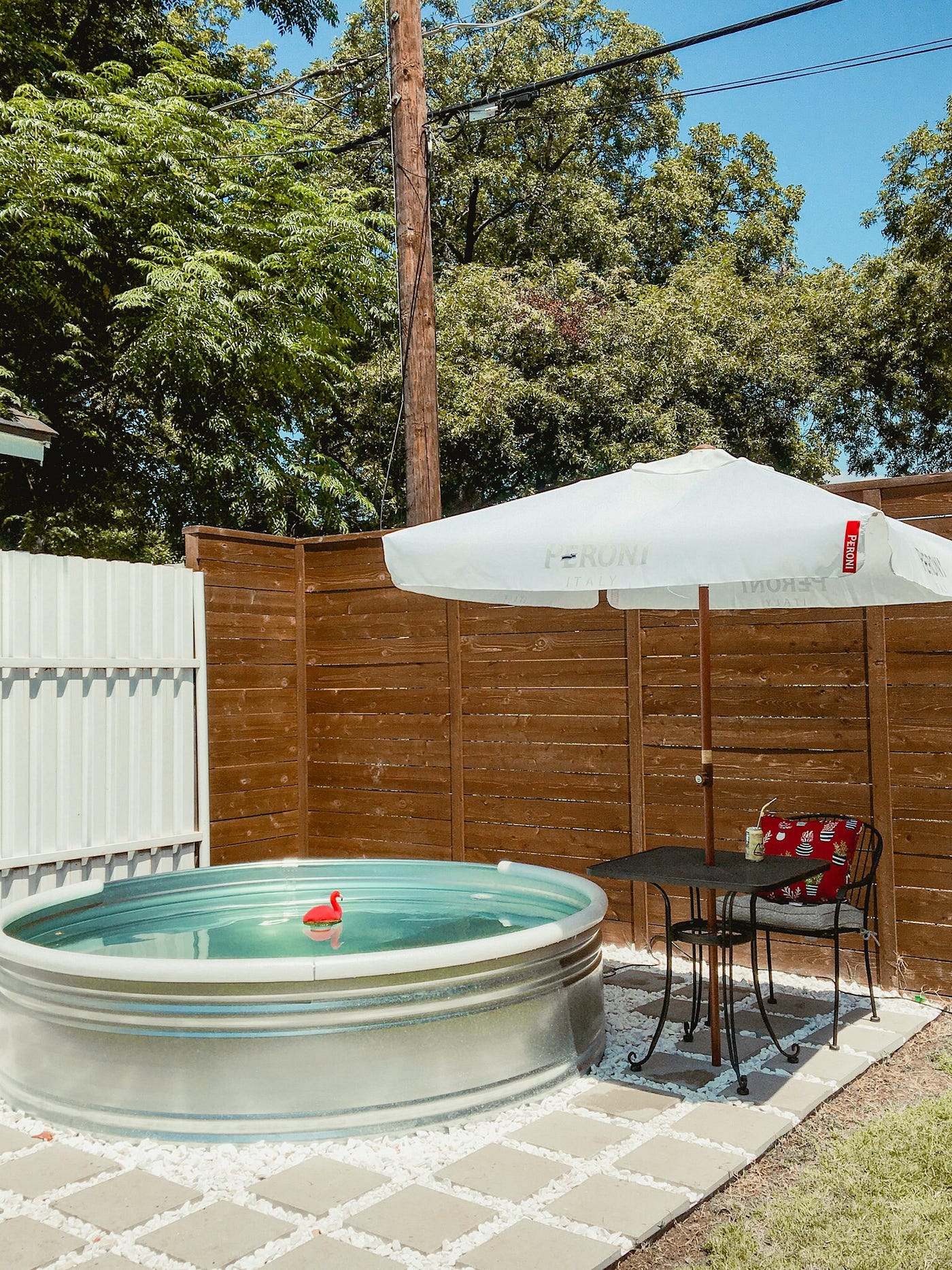
Shaded places reduce the heat on tanks. Look for spots under roofs, awnings, or tall buildings.
- Under carports or garages
- Next to walls that block sunlight
- Near tall fences that cast shadows
Natural Cover Options
Use trees and plants to cover tanks naturally. They provide shade and cool the air around tanks.
| Natural Cover | Benefit |
| Deciduous Trees | Shade in summer, sunlight in winter |
| Evergreen Trees | Year-round shade |
| Large Shrubs | Partial shade and windbreak |
Avoiding Direct Sun Exposure
Place tanks where sunlight hits least during the day. Avoid open areas with no shade or cover.
Tips to avoid sunlight on tanks:
- Face tanks north or east to reduce sun exposure.
- Use reflective covers or paint to lower heat build-up.
- Keep tanks away from open spaces without shade.
Using Artificial Shade
Tanks placed under direct sunlight can heat up quickly. This can cause damage or affect the liquid inside.
Artificial shade helps block sunlight and keeps tanks cooler. It is a practical way to protect your tanks.
Shade Sails And Canopies
Shade sails are fabric panels stretched between posts. They create a cool area by blocking the sun.
Canopies are frames with a roof covering. They offer strong protection from sunlight and rain.
- Shade sails are easy to install and remove
- Canopies provide more solid and lasting shade
- Both reduce tank temperature effectively
Building Protective Structures
Building a roof or shelter over your tanks blocks direct sunlight. It also protects from rain and debris.
Structures made of wood, metal, or plastic work well. Make sure the structure is strong and well-ventilated.
- Use materials that reflect heat
- Allow airflow to prevent moisture build-up
- Ensure easy access for maintenance
Planting Trees For Shade
Trees provide natural shade that cools tanks. They can lower temperatures for long periods.
Choose fast-growing trees with dense leaves. Plant them on the sunny side of the tanks.
- Trees reduce heat but take time to grow
- They improve air quality and add beauty
- Trim branches to avoid damage to tanks
Tank Orientation And Positioning
Placing tanks to avoid sunlight helps keep water cool. Proper orientation and position reduce heat from the sun.
Good placement also protects tanks from damage and extends their life. You can save energy by reducing heat exposure.
Optimal Direction To Face
Tanks should face away from direct sunlight. Positioning them on the north or east side often works best.
This direction helps tanks get less sun during the hottest parts of the day. It keeps water cooler for longer.
- Face tanks north to avoid afternoon sun
- East-facing tanks get morning sun only
- Avoid west and south directions to reduce heat
Elevation And Ground Placement
Elevate tanks slightly above ground to improve air flow. This helps cool the tank naturally.
Place tanks on shaded, flat surfaces to keep them stable and cool. Avoid placing tanks directly on hot concrete.
- Use stands or blocks to raise tanks
- Choose shaded areas under trees or roofs
- Keep tanks away from dark surfaces that absorb heat
Spacing Between Tanks
Keep enough space between tanks to allow air circulation. Crowding tanks causes heat to build up.
Proper spacing also makes maintenance easier. It prevents damage from heat and sun exposure.
- Leave at least 2 feet between tanks
- Space tanks to avoid overlapping shadows
- Allow room for cleaning and inspection
Material And Coating Choices
Placing tanks in direct sunlight can cause problems. Choosing the right materials and coatings helps protect them.
UV rays can damage tanks. Picking the right materials and coatings is important to extend their life.
Uv-resistant Tank Materials
Some materials block UV rays better. These materials last longer under the sun.
- Polyethylene with UV stabilizers
- Fiberglass with UV-resistant gel coats
- Stainless steel with protective coatings
Reflective Paints And Covers
Reflective paints bounce sunlight away. This keeps tanks cooler and safe from UV damage.
Covers can also protect tanks. They block sunlight and reduce heat.
- Use light-colored paints for reflection
- Apply reflective coatings for extra protection
- Use custom covers that fit snugly
Insulation Techniques
Insulation helps keep tank temperatures stable. It reduces the impact of sunlight.
Different techniques can be used for insulation. They keep tanks safe from the sun’s heat.
- Use foam insulation around tanks
- Install thermal blankets for added protection
- Consider underground placement for natural insulation
Credit: westairgases.com
Maintenance Tips For Longevity
Placing tanks away from direct sunlight helps keep them in good shape. Proper care extends their life and saves money.
Follow simple maintenance steps to protect your tanks from sun damage and wear over time.
Regular Cleaning
Clean your tanks regularly to avoid buildup of dirt and algae. This keeps the water quality high and prevents damage.
- Use mild soap and water for cleaning
- Rinse thoroughly to remove soap residues
- Clean filters and pipes connected to the tank
- Schedule cleaning every 3 to 6 months
Inspecting For Sun Damage
Check your tanks often for signs of sun damage. Look for cracks, discoloration, or warping on the surface.
| Damage Type | Signs to Watch | Action Needed |
| Cracks | Visible lines or splits | Seal or replace damaged areas |
| Discoloration | Faded or yellow spots | Apply protective coating |
| Warping | Distorted or bent shape | Move tank to shaded area |
Timely Repairs
Fix small problems quickly to avoid bigger damage. Proper repairs keep tanks strong and safe.
- Patch small cracks with waterproof sealant
- Replace broken fittings and valves promptly
- Use UV-resistant paint or covers to protect surfaces
- Call a professional for major repairs
Benefits Of Proper Tank Placement
Placing tanks where sunlight does not directly hit them offers many benefits. It helps protect the tank and the water inside.
Choosing the right location keeps the tank safe and improves how it works. This is important for homes and businesses.
Extended Lifespan
Tanks placed away from sunlight last longer. Sunlight can cause damage to the tank’s material over time.
Heat and UV rays from the sun make plastic and metal weak. Proper placement stops this damage.
Improved Water Quality
Sunlight can warm the water inside tanks. Warm water helps algae and bacteria grow faster.
Keeping tanks in the shade keeps water cool and cleaner. This means safer water for use.
- Reduces algae growth
- Prevents bad odors
- Maintains fresh water taste
Energy Efficiency
Tanks in the shade need less energy to cool the water. This lowers power use for cooling systems.
Energy savings reduce costs and help the environment. Proper tank placement supports these benefits.

Credit: www.reddit.com
Frequently Asked Questions
How Does Sunlight Affect Tank Placement?
Direct sunlight raises tank temperature, causing water quality issues. It can also damage the tank material over time. Proper placement avoids these problems, ensuring water stays cool and safe.
Where Is The Best Place To Position Tanks Away From Sunlight?
Place tanks in shaded areas like under trees, roofs, or walls. North-facing spots receive less sunlight, reducing heat exposure. Use tank covers or paint reflective colors for additional protection.
Why Avoid Placing Tanks On Rooftops Exposed To Sun?
Rooftop tanks absorb intense heat, increasing water temperature. This can promote algae growth and reduce water quality. Sun exposure also shortens tank lifespan due to material degradation.
Can Tank Insulation Help Against Sunlight Heat?
Yes, insulating tanks minimizes heat absorption from sunlight. It keeps water cooler and reduces temperature fluctuations. Insulation also protects tanks from UV damage, extending their durability.
Conclusion
Placing tanks away from direct sunlight helps keep water cool and clean. It stops algae growth and protects the tank’s material. Shaded spots or placing tanks near walls work well. Proper placement saves money and extends tank life. Small efforts bring big benefits to water quality.
Think smart about tank location for better results every day.