
Are you looking to get the most out of pellet food feeding for your pets or livestock? Feeding pellets might seem simple, but a few smart tips can make a big difference in their health and growth.
Whether you want to save money, reduce waste, or ensure your animals get all the nutrients they need, this guide is made just for you. Keep reading to discover easy, practical tips that will help you feed pellet food the right way every time.
Your animals—and your wallet—will thank you!

Credit: www.foodiepuppies.com
Choosing Quality Pellet Food
Choosing the right pellet food is important for your pet’s health. Good pellets provide balanced nutrition and keep pets happy.
Look carefully at the ingredients and the brand before buying. This guide helps you pick quality pellet food.
Ingredients To Look For
Good pellets contain healthy ingredients that provide energy and nutrients. Proteins, fibers, and vitamins are key.
- High-quality protein such as fish meal or soybean meal
- Fiber from vegetables or grains for digestion
- Added vitamins like A, D, and E
- Minerals such as calcium and phosphorus
Avoiding Harmful Additives
Some pellets contain additives that can harm pets. Avoid these to keep your pet safe and healthy.
| Additive | Reason to Avoid |
|---|---|
| Artificial colors | Can cause allergies and hyperactivity |
| Preservatives like BHA and BHT | Linked to health risks over time |
| Excess salt | Can cause kidney problems |
| Fillers like corn and wheat | Low nutrition, may cause digestion issues |
Brand Reputation And Reviews
Check the brand’s reputation before buying pellet food. Good brands focus on quality and safety.
- Read customer reviews for real user experiences
- Look for brands with clear ingredient lists
- Choose brands with quality control certifications
- Avoid brands with many complaints about health issues
Credit: zignature.com
Proper Pellet Storage
Storing pellet food properly keeps it fresh and safe for feeding. Poor storage can reduce quality and harm your pets.
Use the right conditions to protect pellets from moisture, pests, and spoilage. This guide covers key storage tips.
Ideal Storage Conditions
Keep pellet food in a cool, dry place away from sunlight. High heat and humidity cause pellets to lose nutrients and spoil faster.
- Store pellets in airtight containers to keep moisture out.
- Choose a location with stable temperatures below 75°F (24°C).
- Avoid storing pellets near chemicals or strong odors.
- Use pallets or shelves to keep bags off damp floors.
Preventing Contamination
Contamination can cause mold growth and harmful bacteria in pellets. Keep storage clean and dry to avoid this problem.
| Contaminant | Risk | Prevention |
| Moisture | Mold and spoilage | Use airtight containers |
| Pests | Pellet damage and contamination | Seal storage and inspect regularly |
| Dirt and debris | Food contamination | Store off the ground and clean area |
Shelf Life Awareness
Pellets lose quality over time. Check expiration dates and use older pellets first to reduce waste.
Follow this timeline for pellet freshness:
- Use pellets within 3 months for best nutrition.
- Pellets stored properly can last up to 6 months.
- After 6 months, pellets may lose flavor and nutrients.
Feeding Frequency And Portions
Feeding pellet food to your pet requires the right timing and amount. Proper feeding helps keep pets healthy and happy.
Knowing how often and how much to feed can prevent overfeeding or hunger. This guide explains the basics.
Daily Feeding Schedules
Feed your pet at regular times each day. Most pets do well with two meals daily.
Small pets may need three or more feedings to keep energy levels stable.
- Feed twice a day for adult pets
- Feed three times or more for young or small pets
- Keep feeding times consistent
Portion Control Tips
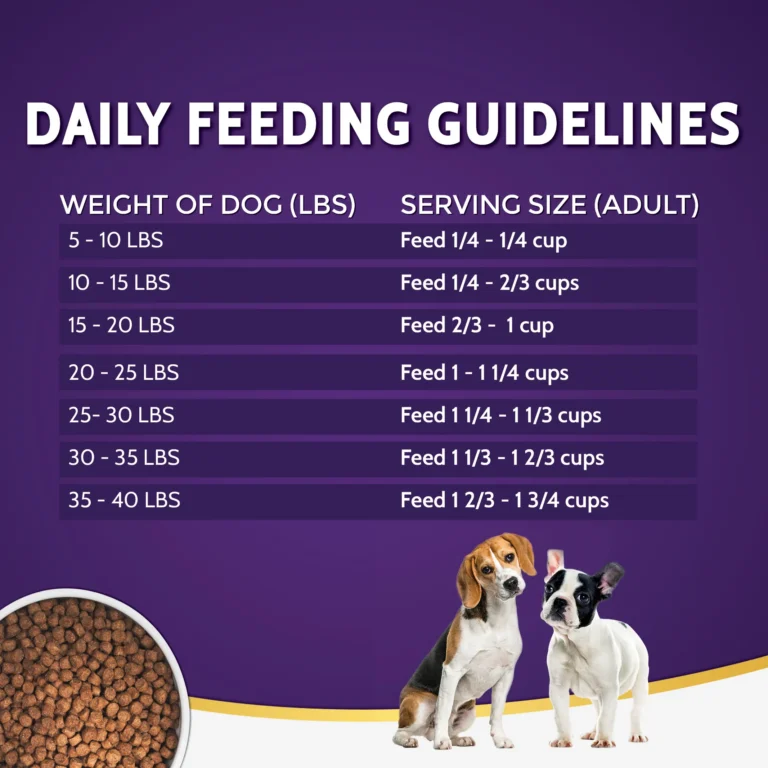
Give the right amount of pellet food to avoid waste and health issues. Use measuring tools to get portions right.
Watch your pet’s weight and adjust portions if needed. Too much food can cause obesity.
- Use a measuring cup or scale for accuracy
- Check package guidelines for portion size
- Adjust portions based on your pet’s activity level
Adjusting For Pet Size And Age
Smaller pets need less food than larger ones. Age also affects how much food your pet requires.
Young pets need more calories for growth. Older pets may need fewer calories to stay healthy.
| Pet Age | Feeding Amount |
|---|---|
| Young (Puppies, Kittens) | More frequent, larger portions |
| Adult | Regular portions twice a day |
| Senior | Smaller portions, less frequent |
Credit: bubble-magus.net
Introducing Pellets Gradually
Switching your pet to pellet food takes careful steps. Gradual introduction helps them adjust smoothly.
Mix pellets with their current food at first. This gives pets time to get used to new tastes and textures.
Transitioning From Other Foods
Start by adding a small amount of pellets to their usual meal. Gradually increase the pellet portion over a week.
- Day 1-2: 25% pellets, 75% old food
- Day 3-4: 50% pellets, 50% old food
- Day 5-6: 75% pellets, 25% old food
- Day 7: 100% pellets
Monitoring Pet Reactions
Watch your pet’s reaction to the new food. Look for signs like increased energy or changes in stool.
| Reaction | What to Look For |
| Energy Levels | More active or lethargic |
| Stool Quality | Consistency and color |
| Appetite | Eating more or less |
Handling Feeding Challenges
If your pet refuses pellets, try wetting them with water or broth. This can make them more appealing.
Remember, patience is key. Every pet adjusts at their own pace.
Enhancing Pellet Diets
Pellet food provides a good base for many pets. It has balanced nutrients and is easy to store.
Adding variety can make the diet better. Fresh foods and treats help keep pets healthy and happy.
Adding Fresh Fruits And Vegetables
Fresh fruits and vegetables add important vitamins and minerals. They also give pets water and fiber.
Offer small amounts to avoid digestive problems. Wash all produce well before feeding.
- Carrots and cucumbers are good crunchy options
- Apples and berries provide natural sweetness
- Leafy greens like spinach add iron and calcium
Supplementing With Treats
Treats make feeding time more fun and rewarding. Use them to encourage good behavior.
Choose healthy treats that fit the pellet diet. Avoid sugary or fatty snacks that can cause harm.
- Small pieces of nuts or seeds for extra protein
- Freeze-dried fruits as a low-fat option
- Commercial treats made for your pet’s species
Balancing Nutritional Needs
Check that your pet gets all needed nutrients. Pellets may lack some vitamins or minerals.
Talk to a vet for advice on supplements. Watch your pet’s health to adjust the diet as needed.
- Protein levels must match your pet’s age and activity
- Calcium and phosphorus support strong bones
- Fatty acids help keep skin and fur healthy
- Water is essential alongside dry pellet food
Common Feeding Mistakes
Feeding pellet food seems simple, but many make mistakes. These errors can harm your pet’s health.
Knowing what to avoid helps keep your pet strong and happy. Let’s look at common feeding mistakes.
Overfeeding Risks
Giving too much pellet food causes weight gain. This can lead to health problems like obesity.
Overfeeding also wastes food and can dirty the tank or cage. Feed only the right amount your pet needs.
- Check package instructions for portion sizes
- Feed smaller amounts if your pet is less active
- Remove extra food after feeding time
Ignoring Hydration
Pellet food can dry out your pet. Water is important to keep them healthy and active.
Always provide fresh water alongside pellets. Pets need water to digest food and stay hydrated.
- Change water daily to keep it clean
- Use shallow dishes for easy access
- Watch for signs of dehydration like lethargy
Using Inappropriate Pellet Types
Not all pellet foods suit every pet. Using the wrong type can cause nutrition problems.
Choose pellets made for your pet’s species and age. Check labels to match their dietary needs.
- Fish pellets differ from bird or rodent pellets
- Juvenile pets need growth formulas
- Adult pets require maintenance pellets
Signs Of A Healthy Diet
A healthy diet is crucial for your pet’s overall well-being. A well-balanced diet ensures your pet lives a long, happy life.
Physical Appearance And Coat Health
A healthy diet shows in your pet’s physical appearance. A shiny coat, bright eyes, and a healthy weight are all signs of a good diet.
- A shiny coat indicates a balanced diet
- A healthy weight means your pet is not overeating or under-eating
- Bright eyes show your pet is getting enough nutrients
Energy Levels And Behavior
Your pet’s energy levels and behavior are also affected by their diet. A healthy diet gives your pet the energy they need to play and have fun.
- A healthy diet reduces anxiety and stress
- A balanced diet improves your pet’s mood
- Adequate nutrition helps your pet focus and concentrate
Regular Vet Checkups
Regular vet checkups are essential to ensure your pet’s diet is working as it should. Your vet can monitor your pet’s health and make adjustments to their diet if necessary.
Regular checkups also help identify any potential health issues early on, allowing for prompt treatment and a better quality of life for your pet.
Frequently Asked Questions
What Is The Best Way To Feed Pellet Food?
Feed pellets in small portions twice daily. Use clean feeders and remove uneaten food promptly. This prevents waste and maintains pellet freshness.
How Much Pellet Food Should I Give Daily?
Feed about 2-3% of your pet’s body weight daily. Adjust quantity based on activity and health for balanced nutrition.
Can Pellet Food Replace Fresh Food Entirely?
Pellets can be a primary diet but supplement with fresh veggies or fruits. This ensures variety and additional nutrients.
How To Store Pellet Food Properly?
Store pellets in a cool, dry place. Use airtight containers to keep them fresh and prevent mold or pests.
Conclusion
Feeding pellet food correctly helps your pets stay healthy and happy. Small, regular portions avoid waste and keep them eager to eat. Always provide fresh water alongside the pellets. Store pellets in a cool, dry place to keep them fresh.
Watch your pet’s behavior and adjust feeding as needed. Simple steps make a big difference in pet care. Keep these tips in mind for best results. Good feeding habits create a strong bond with your pet. Easy to follow and effective every day.