
Is your water heater running too hot, causing discomfort or even damage? Overheating water can lead to wasted energy, higher bills, and safety risks in your home.
But don’t worry—finding the right solutions to control and prevent overheating is easier than you think. You’ll discover simple, effective ways to keep your water at the perfect temperature, saving you money and giving you peace of mind. Keep reading to learn how you can protect your home and enjoy reliable hot water every day.

Credit: www.peachment.co.uk
Causes Of Water Overheating
Water overheating happens when the temperature rises above safe levels. This can cause damage to pipes and appliances. It also wastes energy and can be dangerous.
Understanding what causes water to overheat helps prevent problems. Several factors can lead to overheating in water systems.
Common System Issues
Many water overheating problems come from system faults. These include poor maintenance and incorrect settings. Systems that are not checked often may overheat.
Issues like clogged pipes or blocked vents stop water from flowing properly. This causes heat to build up and raise water temperature.
- Incorrect thermostat settings
- Blocked or clogged pipes
- Poor system maintenance
- Faulty pressure valves
- Inadequate circulation of water
Environmental Factors
Outside conditions affect water temperature too. High outside temperatures can raise water heat inside tanks. Sunlight can warm exposed pipes and tanks.
Cold weather may cause heating systems to work harder. This can lead to overheating if the system is not balanced well.
- Hot climate raises water temperature
- Direct sunlight heats pipes and tanks
- Cold weather causes system strain
- Improper insulation affects heat control
Component Failures
Broken or worn parts often cause water overheating. Thermostats that fail to stop heating will raise the temperature too high. Pressure relief valves that do not open cause pressure build-up.
Heating elements that get stuck on can overheat water quickly. Regular checks of components help avoid these failures.
- Faulty thermostats
- Broken pressure relief valves
- Stuck heating elements
- Damaged sensors or controls
Cooling Techniques
Overheating water can cause many problems in systems and machinery. Cooling techniques help keep water at safe temperatures. These methods improve system efficiency and prevent damage.
Different ways exist to cool water. This guide covers three common techniques used in various setups.
Using Heat Exchangers
Heat exchangers move heat from hot water to cooler fluids. They use metal plates or tubes to transfer heat without mixing the fluids. This process lowers the water temperature efficiently.
Heat exchangers work best in closed systems. They save energy and reduce water waste. Regular cleaning keeps them running well.
Implementing Fans And Vents
Fans and vents help cool water by increasing air flow. They move warm air away and bring in cooler air. This process speeds up water cooling.
- Install fans near water tanks or pipes
- Use vents to allow hot air to escape
- Combine fans and vents for better cooling
- Ensure vents are not blocked by debris
Fans use electricity, so check power use. Proper placement improves their effect.
Employing Water Circulation
Water circulation moves water through cooling systems. It replaces hot water with cooler water. This technique helps maintain steady temperatures.
| Method | Description | Benefit |
| Pump Circulation | Uses pumps to move water quickly | Fast cooling and temperature control |
| Gravity Flow | Relies on natural water movement | Energy-saving but slower |
| Recirculation Loops | Water cycles in a closed path | Consistent temperature and less waste |
Choose the circulation method that fits your system size and needs. Proper flow prevents hot spots and keeps water cool.
Maintenance Tips
Overheating water systems need regular care to work well. Simple maintenance can stop breakdowns and save money.
Follow easy tips to keep your system safe and running smoothly all year long.
Regular System Checks
Check your water system often to spot problems early. Look for leaks, strange noises, or unusual heat levels. Regular checks help catch small issues before they grow.
Cleaning And Flushing
Cleaning and flushing remove dirt and buildup inside your system. This keeps water flowing and prevents overheating.
- Turn off the system before cleaning.
- Drain old water completely.
- Use recommended cleaning agents.
- Flush the system with fresh water.
- Check filters and replace if dirty.
Replacing Faulty Parts
Parts like thermostats and valves can fail and cause overheating. Replace them to keep the system safe and efficient.
| Part | Signs of Fault | Replacement Frequency |
| Thermostat | Inconsistent temperature | Every 3-5 years |
| Pressure Valve | Water leaks or pressure drops | Every 2-4 years |
| Heating Element | Water not heating properly | Every 4-6 years |
Advanced Solutions
Overheating water can cause damage and waste energy. Advanced solutions help control water temperature safely.
These solutions use technology to keep water at the right heat. They improve safety and save energy.
Smart Temperature Controls
Smart temperature controls adjust water heat automatically. They use sensors to measure and keep the right level.
These controls prevent water from getting too hot or too cold. They help avoid burns and save energy.
- Sensors monitor water temperature constantly
- Automatic adjustments keep temperature steady
- Easy to set and customize temperature limits
Automated Cooling Systems
Automated cooling systems lower water temperature quickly. They activate when water gets too hot.
These systems use fans or water sprays to cool down the water. They protect pipes and equipment from heat damage.
- Triggers activate cooling when temperature rises
- Uses fans or sprays to reduce heat fast
- Prevents overheating damage to plumbing
Energy-efficient Upgrades
Energy-efficient upgrades reduce power use in water heating. They improve system design and use better materials.
These upgrades lower energy bills and help the environment. They include better insulation and modern heating elements.
- Improved insulation keeps water hot longer
- Modern heating elements use less electricity
- Smart timers reduce heating when not needed
Safety Measures
Overheating water systems can cause serious problems. Safety measures help protect people and equipment. Proper care prevents accidents and damage.
This guide covers key safety steps. It explains how to prevent damage, handle emergencies, and monitor the system well.
Preventing Damage
Check your water system regularly for signs of overheating. Keep pipes and tanks clean and insulated. Use temperature controls and pressure valves to keep the water safe.
- Inspect temperature gauges daily
- Maintain pressure relief valves
- Replace worn or damaged parts quickly
- Keep water flow steady and stable
- Install proper insulation on pipes and tanks
Emergency Shutdown Procedures
In case of overheating, shut down the system fast. Follow clear steps to avoid injury or damage. Train all staff to act calmly and correctly.
- Turn off the main power supply
- Close water inlet valves
- Release pressure safely using relief valves
- Notify maintenance or emergency teams
- Do not restart system until checked by a professional
Monitoring And Alerts
Use monitoring tools to watch water temperature and pressure. Set alerts to warn you before problems grow. This helps fix issues early and keep everyone safe.
| Monitoring Tool | Purpose | Alert Type |
| Temperature Sensor | Checks water heat levels | High-temperature alarm |
| Pressure Gauge | Measures system pressure | Pressure warning signal |
| Flow Meter | Monitors water flow rate | Low flow notification |
| Automatic Shutdown | Stops system in danger | System shutdown alert |
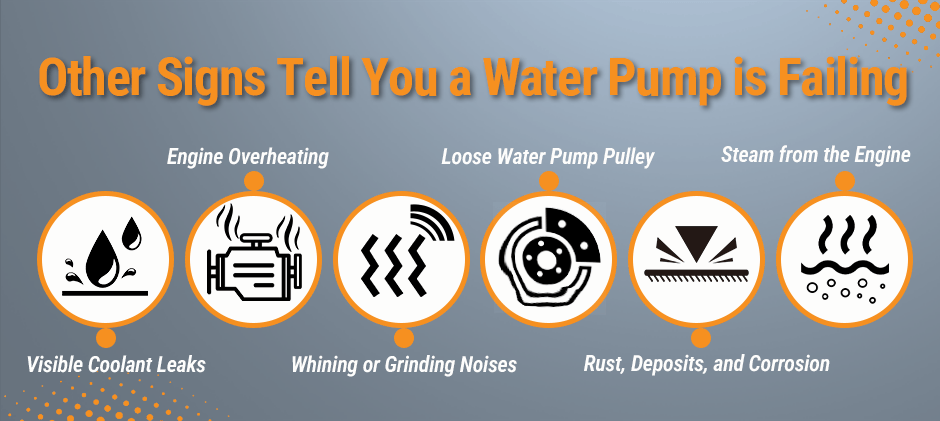
Credit: www.fridayparts.com

Credit: www.searshomeservices.com
Frequently Asked Questions
What Causes Water To Overheat In Systems?
Water overheats due to excessive heat input or poor circulation. Faulty thermostats, sediment buildup, and pressure issues often contribute. Proper maintenance and system checks prevent overheating and ensure safety.
How To Prevent Water Overheating In Heaters?
Regularly flush your water heater to remove sediment. Check thermostats and pressure valves for proper function. Maintain recommended temperature settings to avoid overheating and energy waste.
What Are Common Signs Of Water Overheating?
Signs include unusually hot water, pressure relief valve leaks, and strange noises from the heater. These indicate potential overheating and require prompt inspection to avoid damage.
Can Overheating Water Damage Pipes Or Appliances?
Yes, excessive heat can weaken pipes and damage appliances. It may cause leaks, cracks, or reduced lifespan. Regular monitoring and maintenance protect your plumbing system and equipment.
Conclusion
Overheating water can cause many problems at home and work. Simple fixes help keep water temperature safe and steady. Checking your water heater regularly prevents damage and saves money. Using the right tools makes repairs easier and faster. Stay aware of signs like strange noises or leaks.
Taking action early avoids bigger issues later. Safe water temperature protects your pipes and appliances well. Keeping your system in good shape ensures comfort and safety every day. Small efforts now lead to long-term benefits you will appreciate.