
Are you looking for a healthier and more natural way to feed your fish? Organic fish pellets might be exactly what your aquatic friends need.
These pellets not only provide essential nutrients but also support a cleaner, toxin-free environment for your fish to thrive. Imagine giving your fish food that boosts their growth and keeps them vibrant without any harmful chemicals. Keep reading to discover how organic fish pellets can transform your fish care routine and why making the switch could be one of the best decisions for your aquarium.
Benefits Of Organic Fish Pellets
Organic fish pellets provide a natural diet for fish in farms and ponds. They support healthy growth and maintain clean water.
Using organic feed helps fish stay strong and reduces the impact on the environment.
Enhanced Growth Rates
Fish fed with organic pellets grow faster due to better nutrient absorption. These pellets contain natural proteins and oils that improve metabolism.
- High-quality organic ingredients boost energy
- Balanced nutrients help build muscle
- Natural additives improve digestion
Improved Fish Health
Organic fish pellets strengthen fish immune systems. They reduce disease risk without chemicals or antibiotics.
| Benefit | Effect |
| Natural ingredients | Reduce allergies and stress |
| Rich in vitamins | Support immune defense |
| No artificial chemicals | Lower chance of infections |
Environmental Advantages
Organic pellets help protect water quality. They break down easily and do not pollute ponds or lakes.
- Less chemical runoff into water systems
- Reduced buildup of harmful residues
- Support for sustainable fish farming
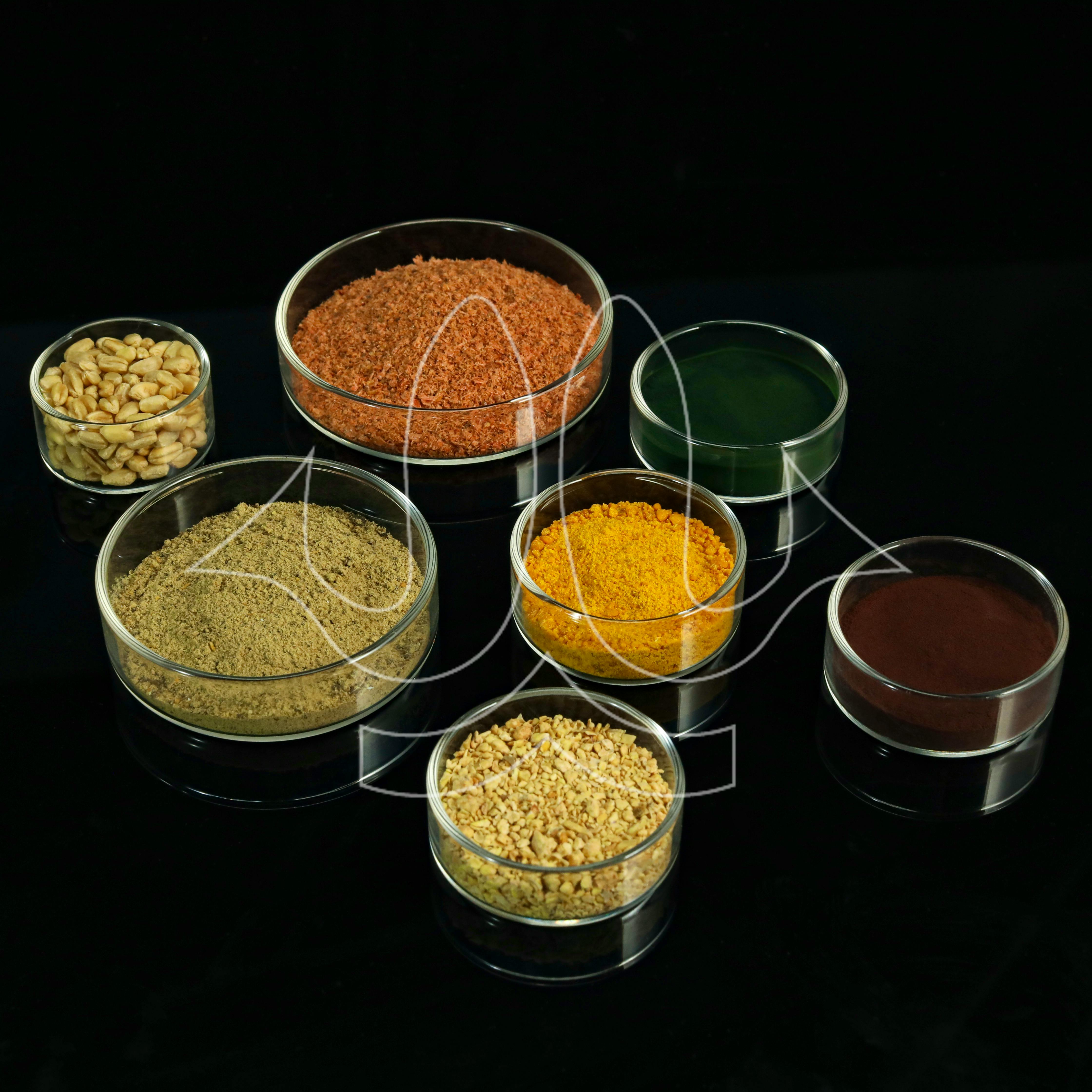
Credit: www.aller-aqua.com
Key Ingredients In Organic Pellets
Organic fish pellets use natural ingredients to support healthy fish growth. These pellets avoid synthetic chemicals and rely on eco-friendly sources.
The main components include proteins, vitamins, minerals, and sustainable additives. Each plays a role in fish health and pond safety.
Natural Protein Sources
Protein is essential for fish muscle and tissue development. Organic pellets use plant and animal proteins from natural origins.
Common protein sources include soybean meal, fish meal from wild-caught fish, and insect protein. These ingredients provide amino acids fish need.
- Soybean meal offers a good plant-based protein.
- Fish meal supplies high-quality animal protein.
- Insect protein is a sustainable alternative rich in nutrients.
Essential Vitamins And Minerals
Vitamins and minerals support fish immune systems and metabolism. Organic pellets include natural sources to meet these needs.
These nutrients come from herbs, algae, and natural mineral powders. They help fish stay healthy and grow strong.
- Vitamin C from rosehip or citrus plants aids healing.
- Algae provide Vitamin A and essential fatty acids.
- Mineral powders offer calcium, phosphorus, and trace elements.
Sustainable Additives
Organic fish pellets use additives that support sustainability and water health. These additives improve pellet quality without harming the environment.
Examples include natural binders, probiotics, and antioxidants. These help the pellets hold together and promote fish digestion.
- Natural binders like guar gum keep pellets intact.
- Probiotics enhance gut health and nutrient absorption.
- Antioxidants from plant extracts protect fish cells.
Production Methods
Organic fish pellets are made carefully to keep them natural and healthy. The production methods focus on using clean ingredients and safe processes.
These methods help produce pellets that support fish growth and do not harm the environment.
Sourcing Organic Raw Materials
Raw materials come from farms and suppliers who follow organic rules. These materials do not use chemicals or pesticides.
Common ingredients include organic grains, fish meal, and plant proteins. These are tested to ensure they are pure and safe.
- Organic grains grown without synthetic fertilizers
- Fish meal from sustainably caught fish
- Plant proteins from non-GMO sources
- No artificial additives or preservatives
Pellet Manufacturing Process
The pellets are made by mixing the raw materials in a clean facility. The mixture is shaped into small pellets using special machines.
The process keeps the nutrients safe and avoids using harmful chemicals. Pellets are dried carefully to last longer without losing quality.
- Mixing of organic raw materials
- Pelletizing with low heat to keep nutrients
- Drying pellets slowly to remove moisture
- Cooling pellets before packaging
Quality Control Measures
Quality checks happen at every stage of production. This ensures the pellets meet organic standards and are safe for fish.
Tests include checking ingredient purity, pellet size, moisture content, and absence of contaminants.
- Inspection of raw materials for purity
- Monitoring pellet size and shape
- Testing moisture levels to prevent spoilage
- Screening for harmful bacteria or toxins
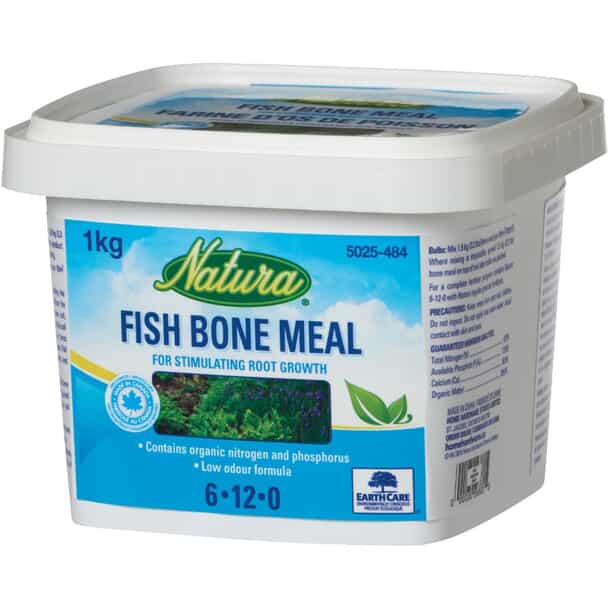
Credit: www.homehardware.ca
Comparing Organic And Conventional Pellets
Fish pellets feed farmed fish and affect their health and growth. Organic pellets use natural ingredients without chemicals. Conventional pellets use synthetic additives and processed materials.
This article compares organic and conventional pellets in nutrition, cost, and environmental impact. Understanding differences helps choose better feed for fish farming.
Nutritional Differences
Organic pellets have natural proteins, fats, and vitamins. They avoid artificial preservatives and fillers. Conventional pellets may have added nutrients and synthetic ingredients.
| Aspect | Organic Pellets | Conventional Pellets |
| Protein Source | Natural plants and fish meal | Processed fish meal and soy protein |
| Fats | Natural oils, no trans fats | May contain synthetic fats |
| Vitamins | From natural sources | Often added synthetically |
| Preservatives | None or natural types | Artificial preservatives common |
Cost And Availability
Organic pellets often cost more due to farming methods. They need certified organic ingredients. Conventional pellets are usually cheaper and easier to find.
- Organic pellets have limited suppliers.
- Conventional pellets are widely available.
- Organic feed prices can be 20–50% higher.
- Conventional feed benefits from mass production.
Impact On Aquatic Ecosystems
Organic pellets reduce pollution risks. They avoid harmful chemicals that can damage water quality. Conventional pellets may increase waste and chemical runoff.
Environmental effects of pellet types:
- Organic pellets:Lower chemical discharge, better for fish and plants.
- Conventional pellets:Higher chance of water pollution and habitat harm.
- Both:Can impact ecosystems if overused.
Choosing The Right Organic Pellets
Choosing the right organic fish pellets helps keep your fish healthy. It also supports sustainable farming practices.
Understanding pellet size, nutrition, and certifications is key. This guide covers important factors to consider.
Matching Pellet Size To Fish Species
Fish need pellets that fit their mouth size. Small fish require tiny pellets. Larger fish need bigger ones.
- Small fish: use pellets under 2 mm
- Medium fish: use pellets 2–4 mm
- Large fish: use pellets above 4 mm
- Check the feeding behavior of your fish
- Adjust pellet size as fish grow
Assessing Nutritional Needs
Fish need balanced nutrition for growth and health. Organic pellets vary in protein, fat, and fiber.
| Nutrient | Function | Recommended Level |
| Protein | Builds muscles and tissues | 30-50% |
| Fat | Energy source | 5-15% |
| Fiber | Supports digestion | 3-7% |
| Vitamins & Minerals | Boost immune system | Varies by species |
Certifications And Standards
Look for certified organic pellets. These meet strict rules for ingredients and production.
- USDA Organic
- EU Organic
- GlobalGAP Aquaculture
- Non-GMO verified
- Third-party lab tested
Practical Tips For Feeding
Feeding fish with organic pellets is a great way to ensure their health. These pellets provide balanced nutrition and support growth.
To get the best results, follow some simple feeding tips. These will help you keep your fish healthy and happy.
Feeding Frequency And Quantity
Feed your fish twice a day to keep them well-nourished. Overfeeding can lead to water pollution and health issues.
Give them only the amount they can eat in a few minutes. Adjust the quantity based on the fish’s size and type.
- Small fish need less food
- Larger fish require more pellets
- Observe fish behavior for adjustments
Storage And Handling
Store organic fish pellets in a cool, dry place. This will keep them fresh and nutritious.
Seal the bag tightly after each use to avoid moisture. Moisture can spoil the pellets and harm your fish.
- Keep away from direct sunlight
- Use an airtight container for storage
- Check expiration dates regularly
Monitoring Fish Response
Watch how your fish react to the pellets. Healthy fish will eat eagerly and show good energy levels.
If fish ignore the pellets, adjust feeding times or try a different brand. Always observe for any signs of illness.
- Check for changes in behavior
- Look for signs of illness
- Consult a vet if issues persist
Future Trends In Organic Aquafeed
Organic fish pellets are becoming more popular. People want healthy fish and cleaner oceans. New trends are changing how we make these pellets.
Let’s explore the exciting future of organic aquafeed. We will look at new ingredient sources, better pellet technology, and growing demand.
Innovations In Ingredient Sourcing
Farmers need new ingredients for organic fish pellets. They look for natural and sustainable options. This helps keep fish healthy and the environment safe.
Algae, seaweed, and insects are new choices. These ingredients are rich in nutrients and easy to grow. They can replace traditional fishmeal.
- Algae is full of protein and omega-3 fatty acids.
- Seaweed grows fast and needs little space.
- Insects are high in protein and easy to farm.
Advancements In Pellet Technology
Technology makes fish pellets better. New machines help create pellets that fish like more. This means less waste and better nutrition.
Better pellet shapes and sizes help fish eat easily. Special coatings can add extra nutrients to the pellets.
| New Pellet Features | Benefits |
| Improved shapes | Easy for fish to eat |
| Nutrient coatings | More vitamins and minerals |
Growing Market Demand
More people want organic fish. They want fish that are healthy and grown sustainably. This increases the demand for organic fish pellets.
Restaurants and stores are asking for organic seafood. They want to offer customers the best choices for their health.
- Consumers prefer organic food for health reasons.
- Environmental concerns drive the demand for sustainable options.
- Organic aquafeed supports better fish farming practices.

Credit: www.walmart.com
Frequently Asked Questions
What Are Organic Fish Pellets Made Of?
Organic fish pellets are made from natural ingredients. They include fish meal, plant proteins, vitamins, and minerals. No synthetic chemicals or harmful additives are used. These pellets promote healthy fish growth and environmental sustainability.
How Do Organic Fish Pellets Benefit Fish Health?
Organic fish pellets improve fish immunity and digestion. They provide balanced nutrition and essential nutrients. This reduces disease risks and enhances growth rates. Fish fed with organic pellets exhibit better color and vitality.
Can Organic Fish Pellets Support Sustainable Aquaculture?
Yes, organic fish pellets support sustainable aquaculture. They reduce water pollution and chemical use. The pellets use renewable ingredients and eco-friendly processes. This helps protect aquatic ecosystems and promotes responsible fish farming.
Are Organic Fish Pellets Suitable For All Fish Species?
Organic fish pellets are formulated for various fish species. Different pellets cater to herbivores, omnivores, and carnivores. Always choose pellets matching your fish’s dietary needs for optimal health and growth.
Conclusion
Organic fish pellets support healthy fish growth and water quality. They contain natural ingredients that fish easily digest. Using these pellets helps reduce pollution in ponds and tanks. Fish get better nutrition without harmful chemicals or additives. Choosing organic pellets promotes a safer environment for aquatic life.
Small changes in feeding can lead to big benefits. Try organic fish pellets to keep your fish healthy and your water clean. A simple step toward sustainable fish farming.