
Are you ready to transform your aquarium into a stunning underwater garden? Open-space planted tanks offer a fresh, spacious look that highlights the natural beauty of your aquatic plants.
Imagine a clear, flowing layout where every leaf and stem has room to breathe and shine. You’ll discover easy and creative ideas to design your own open-space planted tank. Whether you want a peaceful retreat or a vibrant display, these tips will help you create a tank that captivates both you and your guests.
Keep reading to unlock the secrets of crafting a breathtaking open-space planted tank that feels alive and inviting.

Credit: www.reddit.com
Benefits Of Open-space Planted Tanks
Open-space planted tanks offer a unique way to display aquatic plants and fish. They provide a roomy environment that helps plants and animals thrive together. Many aquarium lovers choose this setup for its natural look and health benefits.
This type of tank focuses on space around plants, giving them room to grow without overcrowding. It also helps maintain water quality and supports a balanced ecosystem inside the aquarium.
Enhanced Visual Appeal
Open-space planted tanks create a clean and elegant look. The clear areas around plants make each one stand out. This design highlights the natural shapes and colors of the plants and fish.
- Allows light to reach all plants evenly
- Shows off fish swimming freely
- Prevents clutter and overcrowding
- Creates a peaceful and spacious feel
Improved Aquatic Health
Giving plants space helps them grow stronger and absorb more nutrients. Healthy plants remove harmful chemicals from the water. This leads to cleaner water and happier fish.
| Benefit | Effect |
|---|---|
| Better Oxygen Levels | Plants produce more oxygen for fish |
| Reduced Algae Growth | Less overcrowding lowers algae chance |
| Stable Water Conditions | Plants help balance pH and nutrients |
Natural Ecosystem Balance
Open-space tanks support a natural balance between plants, fish, and microbes. This balance keeps the tank environment healthy and stable over time. It mimics natural water habitats found in the wild.
Key factors in ecosystem balance:
- Plants provide shelter and food for fish
- Fish waste supplies nutrients for plants
- Microorganisms break down waste and keep water clean

Credit: www.reddit.com
Choosing The Right Tank Setup
Setting up an open-space planted tank requires careful planning. You need to select the right tank, lighting, and filtration to support plant growth and fish health.
This guide covers important factors to consider for a successful planted tank environment.
Tank Size And Shape
Choose a tank size that fits your space and budget. Larger tanks offer more stability for plants and animals. The shape affects how you arrange plants and decorations.
- Tall tanks allow for vertical plant growth.
- Wide tanks provide more surface area for light.
- Rectangular tanks are easier to decorate and maintain.
- Smaller tanks need more frequent care.
Lighting Options
Lighting helps plants grow and keeps the tank looking bright. Choose lighting based on the types of plants you want to keep.
| Light Type | Best For | Duration per Day |
| LED | Most plants, energy-efficient | 8–10 hours |
| Fluorescent | Low to medium light plants | 8–10 hours |
| High-Intensity Discharge (HID) | High light plants | 6–8 hours |
Filtration Systems
Good filtration keeps water clean and healthy. It removes waste and supports beneficial bacteria.
- Hang-On-Back (HOB):Easy to install and maintain.
- Canister:Strong filtration for larger tanks.
- Sponge:Gentle on small fish and plants.
Plant Selection Tips
Choosing the right plants is key for a healthy open-space planted tank. Pick plants that match your tank’s conditions and your care style.
Consider factors like light, growth rate, and color to create a balanced and beautiful aquascape.
Low-maintenance Plants
Low-maintenance plants are perfect for beginners or busy hobbyists. They need less light and fewer nutrients.
- Anubias species are tough and grow well on wood or rocks.
- Java Fern thrives in low light and needs little care.
- Cryptocoryne plants adapt easily to most water conditions.
- Hornwort grows fast and helps reduce algae.
Colorful Plant Varieties
Adding colorful plants makes your tank more lively. Red and purple leaves contrast well with green plants.
| Plant Name | Leaf Color | Light Needs |
| Ludwigia Repens | Red | Medium to High |
| Alternanthera Reineckii | Red to Purple | High |
| Rotala Rotundifolia | Pink to Red | Medium |
| Bucephalandra | Green with Red Hues | Low to Medium |
Fast-growing Vs Slow-growing Plants
Fast-growing plants need more care but keep algae down. Slow-growing plants need less trimming and last longer.
Compare these traits:
- Fast-Growing:Require frequent trimming, use nutrients quickly, control algae well.
- Slow-Growing:Need less maintenance, grow steady, good for long-term aquascapes.
Design Styles To Consider
Open-space planted tanks offer many ways to decorate your aquarium. Choosing a style helps create a clear look. It makes your tank feel balanced and calm.
This guide covers popular design styles. You will learn about minimalist layouts, nature-inspired scenes, and Zen or Japanese themes. Each style has unique features and tips.
Minimalist Layouts
Minimalist layouts focus on simplicity and space. Use few plants and hardscape elements. This style shows beauty in clean lines and empty areas.
- Choose low-maintenance plants with simple shapes
- Use rocks or driftwood as focal points
- Keep decorations to a minimum
- Leave open water areas for a spacious feel
Nature-inspired Scenes
Nature-inspired scenes mimic real outdoor environments. They create a natural and lively aquarium. Add plants and hardscape to copy forests, rivers, or meadows.
| Element | Example | Purpose |
| Plants | Java Fern, Anubias | Natural greenery |
| Hardscape | Rocks, Driftwood | Structure and texture |
| Substrate | Sand, Gravel | Ground cover |
| Fish | Tetras, Rasboras | Natural movement |
Zen And Japanese Themes
Zen and Japanese themes bring calm and harmony. Use clean lines, simple plants, and smooth stones. This style reflects peace and balance in the tank.
Key Features of Zen Style
- Use moss and small-leaf plants
- Include flat stones and sand patterns
- Keep color palette soft and natural
- Add small fish like shrimp or danios
Hardscape Elements For Open Spaces
Open-space planted tanks need strong hardscape features. These create structure and style in the aquarium.
Good hardscape helps plants grow and gives fish places to explore. It also improves the tank’s look.
Using Driftwood Creatively
Driftwood adds natural beauty and texture to open planted tanks. It can form shapes like arches or caves.
Use driftwood to create hiding spots for fish. Place pieces at different angles for a natural feel.
- Choose driftwood with interesting shapes
- Arrange pieces to mimic river branches
- Combine with plants for a lush look
- Secure driftwood to prevent floating
Incorporating Rocks And Stones
Rocks and stones add contrast and height in an open planted tank. They create hard edges that balance soft plants.
Stack stones to build caves or ledges. Use flat stones to create terraces or paths inside the tank.
- Select stones safe for aquarium use
- Mix sizes for a natural look
- Place stones to guide eye movement
- Use stones to anchor plants
Substrate Choices
Substrate supports plant roots and affects water quality. Choose based on plant needs and tank style.
Gravel, sand, or soil substrates each offer unique benefits. Layering substrates can improve plant growth.
- Gravel provides good water flow
- Sand is smooth and natural looking
- Soil offers nutrients for plants
- Mix substrates for better root support
Aquascaping Techniques
Aquascaping is the art of arranging aquatic plants and decor in an aquarium. It combines creativity with biology to create beautiful underwater landscapes.
Open-space planted tanks highlight the harmony between plant coverage and open water areas. Let’s explore some techniques to enhance your tank’s aesthetics.
Layering Plants For Depth
Layering plants in your tank can create a sense of depth and dimension. Use taller plants at the back and shorter ones in the front to mimic natural landscapes.
| Plant Type | Recommended Position |
| Amazon Sword | Back |
| Anubias | Midground |
| Dwarf Hairgrass | Foreground |
Creating Focal Points
Focal points draw attention and add interest to your tank. They can be created with unique plants, rocks, or driftwood to give your tank character.
- Choose a centerpiece plant like a large Anubias or Java Fern.
- Place driftwood in a unique shape or angle.
- Use colorful fish as living focal points.
Balancing Open Space And Coverage
A balanced tank provides open swimming space and plant-covered areas. This balance supports a healthy environment for fish and plants alike.
Maintenance For Stunning Results
Maintaining an open-space planted tank requires consistent care. This ensures the plants and aquatic life thrive together beautifully.
With regular maintenance, your tank will be a stunning centerpiece. Here are some key aspects to focus on for best results.
Regular Trimming And Pruning
Trimming and pruning help keep your plants healthy. It also prevents them from overshadowing smaller plants.
Regularly cut back overgrown stems. This encourages new growth and maintains balance in the tank.
- Trim stems once every two weeks
- Remove dead leaves promptly
- Use sharp scissors for clean cuts
Water Quality Management
Clean water is essential for a healthy planted tank. It supports both plant and fish health.
Test the water weekly for pH and nitrate levels. Adjust as needed to keep the environment stable.
- Change 20% of the water weekly
- Use a water conditioner to remove chlorine
- Monitor ammonia and nitrite levels
Preventing Algae Growth
Algae can quickly take over a planted tank. It competes with plants for nutrients and light.
Limit the light exposure to 8 hours a day. Ensure that the tank is not in direct sunlight.
- Add algae-eating fish or snails
- Avoid overfeeding fish
- Regularly clean the tank surfaces
Inspiring Open-space Tank Examples
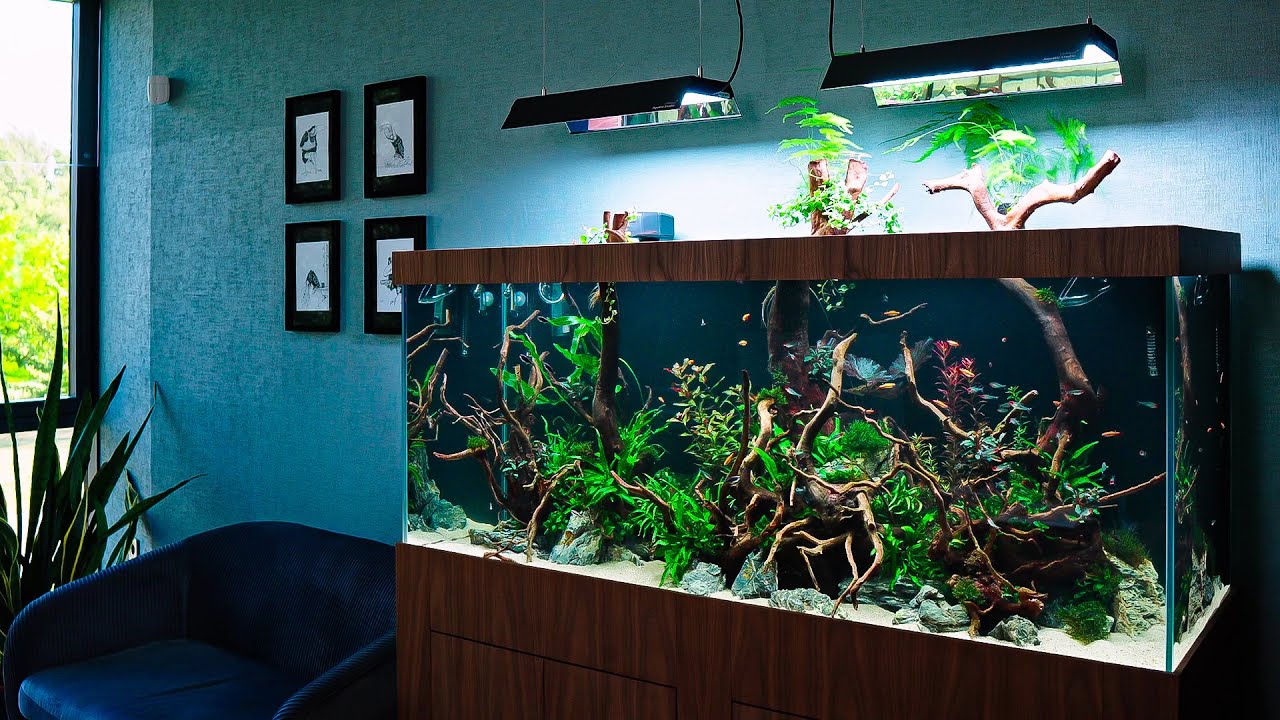
Open-space planted tanks create beautiful, natural environments inside your home. These tanks use wide areas to show plants and fish clearly. They offer a peaceful view and bring nature indoors.
This guide shows ideas for open-space tanks with different themes. You can find inspiration from tropical rainforests, desert oases, and mixed freshwater ecosystems.
Tropical Rainforest Themes
Tropical rainforest tanks look lush and full of life. They use many green plants and tall stems to create a jungle feel. Bright fish colors add contrast to the green background.
Common plants include ferns, mosses, and broad-leafed species. You can add driftwood or rocks to mimic forest floors. Soft lighting helps plants grow and keeps the tank cozy.
- Use tall plants to create depth
- Add wood pieces for natural look
- Choose colorful fish for contrast
- Keep water warm and humid
Desert Oasis Concepts
Desert oasis tanks mix dry and wet elements. They have sandy or rocky bases with cactus-like plants. Small water areas give a fresh touch to the dry setup.
Succulents and hardy plants work well here. Bright stones and gravel add texture. Fish that can live in lower water levels fit this theme best.
- Use sand and gravel for the floor
- Add small water pools or streams
- Choose drought-resistant plants
- Include hardy fish species
Mixed Freshwater Ecosystems
Mixed freshwater tanks show many plants and fish from different waters. They combine tall plants, floating leaves, and bottom greenery. This creates a rich and varied habitat.
Use plants that grow well together. Add fish that swim at different levels. Rocks and wood provide hiding spots. This setup looks natural and lively.
- Mix tall and short plants
- Include floating and rooted plants
- Choose fish for top, middle, and bottom
- Add natural decorations like stones
Credit: www.youtube.com
Frequently Asked Questions
What Are The Best Plants For Open-space Planted Tanks?
Best plants include Java fern, Anubias, and Cryptocoryne. These plants thrive in open spaces and require low to moderate light, making them ideal for beginners and experts alike. They also help maintain water quality and provide natural aesthetics.
How To Design An Open-space Planted Tank Layout?
Start with a clear focal point like a large plant or driftwood. Use varying plant heights to create depth. Leave open swimming areas for fish. Balance hardscape elements with plants for a natural look. Regular trimming keeps the layout tidy and attractive.
What Lighting Is Ideal For Open-space Planted Tanks?
Moderate LED lighting works best for open-space planted tanks. It promotes healthy plant growth without encouraging excessive algae. Choose full-spectrum lights to enhance plant colors and simulate natural sunlight. Aim for 8-10 hours of light daily for optimal results.
How Often Should I Trim Plants In An Open-space Tank?
Trim plants every 1-2 weeks to maintain shape and prevent overcrowding. Regular pruning encourages healthy growth and improves water circulation. Removing dead leaves helps prevent decay and algae growth, ensuring a clean and vibrant tank environment.
Conclusion
Open-space planted tanks create a peaceful, natural look in any room. They need simple care and good light to thrive. Choose plants that grow well together and enjoy watching them grow. Small changes can make a big difference in your tank’s beauty.
Keep your setup clean and check water often. A healthy tank means happy fish and plants. Try new ideas and find what works best for you. Enjoy the calm and fresh feel these tanks bring to your space.