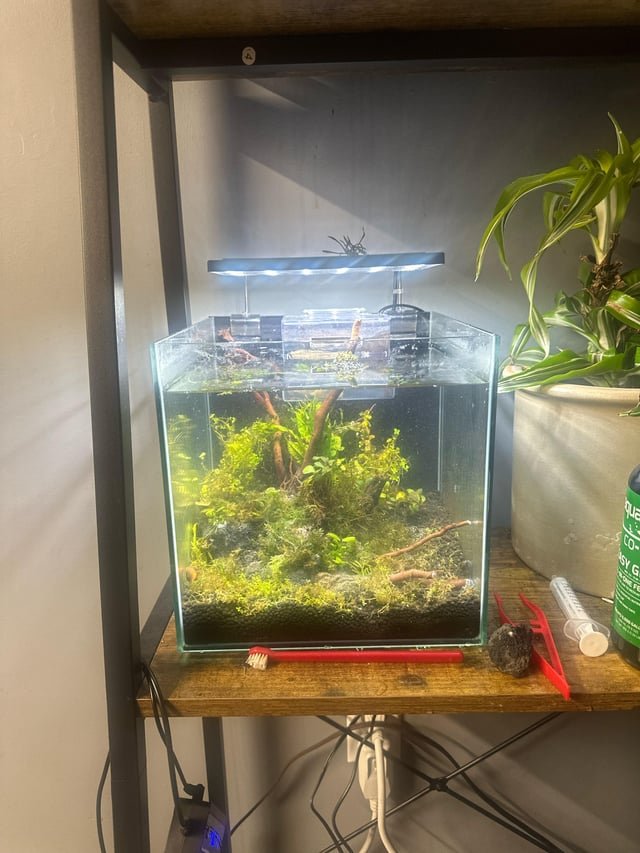
Are you thinking about adding a splash of color and life to your space but worried about the size and care of a traditional aquarium? A nano tank setup for ornamental fish might be exactly what you need.
These small aquariums are perfect for your home or office, giving you all the beauty of fishkeeping without taking up much room. But setting up a nano tank isn’t as simple as just filling a bowl with water and fish.
You need the right equipment, the best fish choices, and a clear plan to keep your tiny underwater world healthy and vibrant. Keep reading to discover how you can create a stunning nano tank that will captivate your eyes and calm your mind every single day.
Choosing The Right Tank
Setting up a nano tank for ornamental fish requires careful tank selection. The right tank supports fish health and beauty.
Consider size, material, and placement to create a balanced environment for your fish.
Ideal Tank Size
A nano tank is small but must be big enough for fish to swim freely. Choose a tank with at least 5 gallons.
Small tanks need regular care to keep water clean and fish healthy.
- 5 to 10 gallons is good for most nano fish
- Avoid tanks smaller than 5 gallons
- Bigger tanks are easier to maintain
Material Options
Choose between glass and acrylic tanks. Both have benefits and drawbacks.
Glass tanks resist scratching but are heavier. Acrylic tanks are lighter and clearer but scratch easier.
- Glass: durable, heavy, scratch-resistant
- Acrylic: lightweight, clear, scratches easily
- Pick material based on your needs and budget
Placement Tips
Place your nano tank in a quiet, stable spot away from direct sunlight. This helps keep water temperature steady.
Avoid areas with heavy traffic or vibrations. These can stress the fish and affect tank stability.
- Keep tank away from windows and heaters
- Place on a sturdy, level surface
- Ensure easy access for maintenance

Credit: fresh.bulkreefsupply.com
Essential Equipment
Setting up a nano tank for ornamental fish needs the right tools. Good equipment keeps fish healthy and happy.
This guide covers key items for your nano tank. These include filtration, lighting, and temperature control.
Filtration Systems
Filtration cleans the water by removing waste and debris. It helps keep the water clear and safe.
Choose a filter that fits the small size of a nano tank. Hang-on-back and sponge filters work well.
- Hang-on-back filters are easy to install and maintain
- Sponge filters provide gentle water flow for small fish
- Filters with adjustable flow help control water movement
Lighting Choices
Proper lighting makes fish look bright and shows natural colors. It also helps plants grow if you add them.
Use LED lights designed for aquariums. They save energy and produce little heat.
- Choose lights that fit your tank size and shape
- Pick LED lights with adjustable brightness
- Use a timer to keep light on for 8-10 hours daily
Heaters And Thermometers
Most ornamental fish need warm water. A heater keeps the temperature steady in a nano tank.
Use a small heater made for tanks under 10 gallons. Add a thermometer to check water temperature daily.
- Set the heater to the fish’s ideal temperature
- Place the thermometer where you can see it easily
- Check temperature often to avoid sudden changes
Water Preparation
Setting up a nano tank for ornamental fish needs clean and safe water. Proper water preparation helps fish stay healthy and active.
Good water quality starts with the right steps. Prepare your water carefully before adding fish.
Conditioning Tap Water
Tap water contains chlorine and chemicals that can harm fish. Conditioning removes these harmful substances.
Use a water conditioner to make tap water safe. Add it according to the instructions on the bottle.
- Remove chlorine and chloramine
- Neutralize heavy metals
- Keep beneficial minerals for fish health
Maintaining Ph Levels
pH shows how acidic or basic water is. Fish need stable pH to avoid stress and sickness.
Test pH regularly with a kit. Most ornamental fish like pH between 6.5 and 7.5.
- Use pH buffers to raise or lower pH
- Change water slowly to keep pH steady
- Avoid sudden pH changes
Temperature Control
Fish need water temperature in a safe range. Temperature affects their health and activity.
Use an aquarium heater to keep water warm. Most ornamental fish prefer 72°F to 78°F (22°C to 26°C).
- Check temperature daily with a thermometer
- Avoid placing tank near windows or heaters
- Keep temperature stable to reduce fish stress

Credit: onthemediapk.medium.com
Selecting Ornamental Fish
Choosing the right fish is key for a successful nano tank. Small tanks need fish that stay small and are easy to care for.
Think about the fish’s size, behavior, and water needs before you buy. This helps keep your fish healthy and happy.
Best Fish For Nano Tanks
Some fish fit better in small tanks because they are small and peaceful. These fish do well in limited space.
- Betta fish – colorful and easy to care for
- Neon tetras – small schooling fish with bright colors
- Guppies – hardy and active swimmers
- Endler’s livebearers – similar to guppies, very small
- Cherry shrimp – peaceful and help clean the tank
Compatibility Considerations
Not all fish get along well in small tanks. Aggressive fish can stress or harm others.
Choose fish that have similar temperaments and water needs. Avoid mixing large or aggressive species with small, peaceful ones.
- Peaceful fish reduce stress and fights
- Fish with similar water temperature and pH needs thrive better
- Avoid overcrowding to limit aggression
- Research fish behavior before adding them
Stocking Density
Do not add too many fish to a nano tank. Overcrowding lowers water quality and stresses fish.
Use the one-inch-per-gallon rule as a general guide. Adjust this depending on fish size and tank filtration.
- Small fish need less space but still need room to swim
- Good filtration helps keep water clean with more fish
- Regular water changes keep fish healthy
- Start with fewer fish and add more slowly
Aquascaping Basics
Aquascaping transforms a nano tank into a vibrant underwater scene. It’s an art form that combines nature and creativity.
Learn the basics of aquascaping to create a balanced environment for ornamental fish. Focus on substrate, plants, and decor for the best results.
Choosing Substrate
The substrate is the foundation of your aquascape. It affects plant growth and water chemistry. Choose wisely for a healthy tank.
- Gravel: Good for beginners, easy to clean.
- Sand: Natural look, but requires careful cleaning.
- Aquarium Soil: Best for plant growth, but can be expensive.
Plant Selection
Plants add life and color to your aquascape. Select a variety of plants to create depth and interest.
| Plant Type | Light Requirement |
| Anubias | Low |
| Java Fern | Low to Medium |
| Cryptocoryne | Medium |
| Rotala | High |
Decor Placement
Decor items like rocks and driftwood enhance your aquascape. They create hiding spots for fish and add structure to the layout.

Credit: www.reddit.com
Feeding And Nutrition
Proper feeding and nutrition are very important for ornamental fish in a nano tank. Good food helps fish stay healthy and colorful.
Feeding the right amount and type of food keeps the tank clean and the fish active.
Types Of Fish Food
There are many types of fish food for ornamental fish. Each type offers different nutrients and benefits.
Choosing the right food depends on the fish species and their dietary needs.
- Flake food: Easy to use and good for many fish.
- Pellets: Sink or float, good for larger fish.
- Frozen food: Includes bloodworms and brine shrimp.
- Live food: Best for natural diet, like daphnia or mosquito larvae.
- Vegetable-based food: Good for herbivorous fish.
Feeding Frequency
Feed your fish small amounts two to three times per day. This keeps fish healthy and reduces waste.
Young fish may need more frequent feeding. Adult fish do well with less frequent meals.
- Feed fish only what they can eat in 2-3 minutes.
- Remove uneaten food to keep water clean.
- Adjust feeding based on fish activity and appetite.
Avoiding Overfeeding
Overfeeding is a common problem in nano tanks. It causes water pollution and fish health issues.
Only give your fish as much food as they can eat quickly. Extra food can decay and harm water quality.
- Feed small portions to prevent leftovers.
- Watch fish behavior to know if they are full.
- Clean the tank regularly to remove waste.
Maintenance Routine
Keeping a nano tank for ornamental fish clean is important for fish health. Regular care helps keep water clear and safe.
Following a simple routine prevents problems and keeps your fish happy and active.
Water Changes
Changing water regularly removes waste and harmful chemicals. It keeps the tank environment balanced and fresh for the fish.
- Remove 10-20% of the tank water weekly.
- Use a gravel vacuum to clean the substrate.
- Replace with dechlorinated, temperature-matched water.
- Check water parameters after each change.
Filter Cleaning
Filters keep the water clear by removing debris and toxins. Clean filters carefully to avoid killing beneficial bacteria.
| Filter Part | Cleaning Frequency | Cleaning Method |
|---|---|---|
| Mechanical Sponge | Every 2 weeks | Rinse in tank water only |
| Carbon Cartridge | Monthly | Replace with new cartridge |
| Biological Media | Every 3 months | Rinse gently in tank water |
Monitoring Fish Health
Watch your fish daily for signs of stress or illness. Early detection helps prevent serious problems.
- Look for changes in color or spots on fish bodies.
- Notice if fish stop eating or behave oddly.
- Check for torn fins or swelling.
- Keep a log of any unusual behavior or symptoms.
Common Challenges
Setting up a nano tank for ornamental fish can be rewarding. However, it comes with its own challenges. Understanding these can help you create a thriving environment for your fish.
Here, we will discuss some common issues like algae control, disease prevention, and stress reduction. Addressing these can lead to a healthier tank.
Algae Control
Algae can quickly take over a nano tank. It can make the tank look dirty and harm fish health. Managing algae is crucial for tank maintenance.
- Limit the amount of light exposure to the tank.
- Regularly clean the tank to remove algae buildup.
- Use algae-eating fish or snails as natural cleaners.
- Monitor water nutrients to prevent algae growth.
Disease Prevention
Disease can spread quickly in a small tank. Keeping your fish healthy requires attention to detail. Prevention is key to maintaining a disease-free tank.
- Quarantine new fish before adding them to the tank.
- Regularly check water quality for ammonia and nitrite levels.
- Feed fish a balanced diet to boost their immunity.
- Remove sick fish promptly to prevent spreading.
Stress Reduction
Stress can negatively impact fish health. It is important to create a calm environment. Reducing stress helps in promoting fish well-being.
- Maintain a stable water temperature in the tank.
- Avoid overcrowding by keeping the right number of fish.
- Provide hiding spots for fish to feel secure.
- Minimize loud noises and sudden tank movements.
Frequently Asked Questions
What Is A Nano Tank For Ornamental Fish?
A nano tank is a small aquarium, typically under 10 gallons. It suits small ornamental fish and limited space. Nano tanks require careful maintenance due to their size and delicate ecosystem balance.
How To Set Up A Nano Tank For Fish?
Start with a clean tank and add substrate. Install a small filter and heater if needed. Decorate with plants and hiding spots. Cycle the tank before adding fish for a stable environment.
Which Fish Are Best For A Nano Tank?
Small species like bettas, guppies, and dwarf shrimp thrive in nano tanks. Avoid large or aggressive fish. Research fish compatibility to maintain harmony and water quality.
How Often Should I Clean A Nano Tank?
Clean your nano tank weekly by changing 20-30% of the water. Remove debris and algae gently. Regular cleaning keeps water parameters stable and fish healthy.
Conclusion
Setting up a nano tank for ornamental fish can be simple and fun. Choose the right tank size and clean water. Add plants and decorations carefully. Maintain the tank regularly to keep fish healthy. Small tanks need extra attention but bring great joy.
Enjoy watching colorful fish in a cozy space. Keep learning and adjusting to create a happy home for your fish. A well-set nano tank makes your space lively and peaceful.