
If you have a large aquarium, you know how tricky it can be to keep the water temperature just right. Uneven heating can stress your fish and harm the delicate plants you’ve worked hard to grow.
That’s where multi-zone heating comes in—a smart way to create the perfect environment in every corner of your tank. Imagine giving each part of your aquarium the exact warmth it needs, helping your aquatic life thrive like never before. Keep reading to discover how multi-zone heating can transform your large aquarium and make your care routine easier and more effective.
Benefits Of Multi-zone Heating
Multi-zone heating lets you control different aquarium areas separately. This helps keep water temperatures steady and suits the needs of various fish species.
Using multi-zone heating can also save energy and make your aquarium easier to manage. This setup is great for large tanks with many inhabitants.
Improved Temperature Stability
Multi-zone heating provides precise temperature control in each zone. This reduces fluctuations that can stress fish and plants.
Different heaters work together to keep water stable across the tank. This leads to a healthier environment.
Catering To Diverse Species
Many aquariums hold species with different temperature needs. Multi-zone heating allows each zone to match the preferred range of its inhabitants.
- Warm zones for tropical fish
- Cooler zones for temperate species
- Separate areas for plants that need specific heat
Energy Efficiency Gains
Multi-zone systems use energy only where needed. This can lower power bills and reduce waste.
| Feature | Single Heater | Multi-Zone Heating |
| Energy Use | High | Lower |
| Temperature Control | One setting | Multiple zones |
| Comfort for Fish | Limited | Optimized |
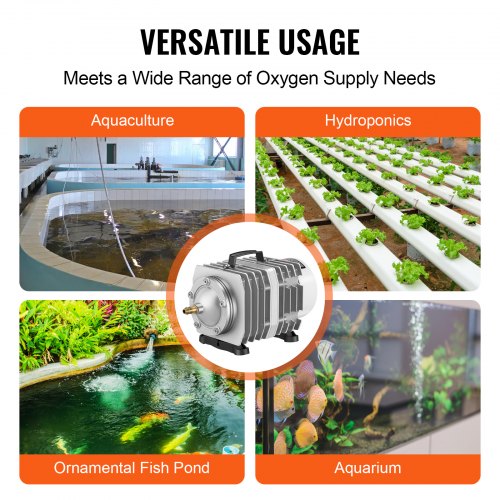
Credit: www.vevor.ca
Key Components Needed
Keeping large aquariums warm requires careful heating. Multi-zone heating helps control temperature in different areas. This system uses several parts working together.
Each component plays a role in keeping fish and plants healthy. Understanding these parts makes setting up easier and more effective.
Heaters And Controllers
Heaters warm the water in each zone. Controllers manage the heaters to keep the right temperature. Using multiple heaters with separate controllers helps keep each area stable.
- Submersible heaters for even heat distribution
- Digital controllers for precise temperature settings
- Backup heaters for safety and reliability
Temperature Sensors
Sensors check the water temperature in each zone. They send data to the controllers to adjust the heaters. Accurate sensors help avoid overheating or cooling.
| Sensor Type | Use | Placement |
|---|---|---|
| Thermistor | Measures temperature quickly | Near heater or in water flow |
| Digital probe | Provides accurate readings | Multiple zones in aquarium |
| Wireless sensor | Allows remote monitoring | Anywhere inside aquarium |
Zoning Valves And Dividers
Zoning valves control water flow between different areas. Dividers keep zones separate to maintain different temperatures. They help make the system efficient and organized.
Important features of zoning valves and dividers:
- Durable materials to resist water damage
- Easy to install and adjust
- Clear dividers to allow light flow
- Valves that can open and close smoothly
Planning Your Heating Zones
Large aquariums need careful heating to keep all areas comfortable. Dividing the tank into heating zones helps maintain stable temperatures.
Planning these zones requires understanding your aquarium’s layout and the needs of its inhabitants. This guide breaks down the key steps.
Assessing Aquarium Layout
Start by examining your aquarium’s shape and size. Notice where the water flow is strongest and where plants or decorations create shade.
These factors affect how heat spreads inside the tank. Mark areas that might need extra heating or cooling.
Identifying Temperature Needs
Fish and plants may need different temperatures. Some prefer warmer spots, while others thrive in cooler water.
- Research each species’ ideal temperature range.
- Note any special needs like cooler hiding places.
- Consider breeding or health conditions that affect temperature.
Mapping Heat Distribution
Use a temperature map to plan where heaters will go. This helps ensure even heat and avoids cold spots.
| Zone | Location | Temperature Range (°F) | Heater Type |
| Zone 1 | Near filter outlet | 75-78 | Submersible heater |
| Zone 2 | Shaded corner | 72-75 | Heating pad |
| Zone 3 | Open swimming area | 74-77 | In-line heater |
Installation Tips
Multi-zone heating keeps large aquariums at the right temperature. It uses several heaters in different areas of the tank.
Proper installation is key to making the system work well and keep fish safe.
Positioning Heaters Correctly
Place heaters where water moves freely. This helps heat spread evenly in each zone.
Avoid putting heaters near decorations or plants. They can block heat and cause hot spots.
- Put heaters near water flow from filters or pumps
- Keep heaters away from tank glass to avoid damage
- Space heaters evenly to cover all zones
- Use suction cups or clamps to secure heaters firmly
Wiring And Safety Considerations
Use waterproof cables and keep them dry outside the tank. This lowers the risk of electric shock.
Connect heaters to a ground fault circuit interrupter (GFCI). It cuts power if there is a fault.
- Check all wires for damage before use
- Do not overload power strips or outlets
- Use cable clips to keep wires tidy and away from water
- Label each heater’s plug for easy identification
Testing And Calibration
Test each heater before installing it in the tank. Make sure it heats up properly and shuts off at the right temperature.
Use a reliable aquarium thermometer to check water temperature. Adjust heater settings as needed for each zone.
- Monitor water temperature daily for the first week
- Calibrate heaters if temperature varies more than 1°F (0.5°C)
- Replace faulty heaters promptly to protect fish
Monitoring And Maintenance
Multi-zone heating is crucial for large aquariums. It ensures all parts of the tank stay warm and healthy for aquatic life. Regular monitoring and maintenance are vital to keep the system running smoothly.
Proper maintenance helps in extending the life of your equipment. It also ensures a stable environment for the fish and plants.
Regular Temperature Checks
Checking the temperature helps in maintaining the right conditions. Different zones may need different temperatures.
Use reliable thermometers for accurate readings. Record the temperatures daily for consistency.
- Place thermometers in each zone
- Check for fluctuations
- Adjust settings if needed
Troubleshooting Common Issues
Problems can arise with multi-zone heating. Knowing how to troubleshoot helps fix issues quickly.
Common issues include uneven heating or equipment malfunction. Address these promptly to avoid harm to aquatic life.
- Check power sources
- Inspect heating elements
- Look for any blockages
Routine Equipment Upkeep
Maintaining the equipment regularly ensures efficient operation. Clean and check the system to prevent failures.
Regular upkeep includes inspecting cables and connectors. Replace any worn-out parts to avoid disruptions.
- Clean filters and vents
- Check for wear and tear
- Replace broken components

Credit: www.aqqapet.com
Advanced Control Options
Controlling the temperature in large aquariums is vital for fish health. Multi-zone heating allows precise temperature settings in different tank areas.
Advanced control options improve how you manage these heating zones. These tools give better accuracy and ease of use.
Smart Thermostats
Smart thermostats let you set and adjust temperatures easily. They connect to your home network for quick control.
- Allow different temperatures for each zone
- Use touchscreens or apps for control
- Save energy by optimizing heating schedules
- Record temperature changes for review
Remote Monitoring Systems
Remote systems help you check aquarium temperatures from anywhere. They send real-time data to your phone or computer.
| Feature | Benefit |
|---|---|
| Mobile alerts | Know if temperature drops or rises |
| Live temperature graphs | Track trends over time |
| Multi-zone status | View all zones at once |
| Cloud data storage | Access past records anytime |
Automated Alerts
Automated alerts notify you if temperatures go outside safe ranges. These alerts help prevent harm to fish and plants.
- Email notifications for critical changes
- Text messages for urgent alerts
- Sound alarms on-site
- Custom alert settings by zone
Cost Considerations
Multi-zone heating helps keep large aquariums at the right temperature. This system uses several heaters to warm different parts of the tank. Knowing the costs can help you plan your aquarium setup better.
Costs include the price to start and the money spent over time. You can also find ways to save money without losing quality.
Initial Setup Expenses
Setting up multi-zone heating needs more parts than a single heater. You must buy several heaters and a control system. The size of your aquarium affects the total cost.
Installation may need expert help. This adds to the price but ensures safety and correct setup.
- Multiple heaters based on aquarium size
- Temperature controllers for each zone
- Wiring and mounting equipment
- Professional installation fees (optional)
Long-term Operational Costs
Running many heaters increases electricity use. Each heater adds to your monthly power bill. Good insulation can help lower these costs.
Regular maintenance is needed to keep heaters working well. Replacing parts or heaters also costs money over time.
- Higher energy consumption with multiple heaters
- Periodic maintenance and repairs
- Possible replacement of heaters after years
Budget-friendly Alternatives
You can lower costs by choosing fewer heaters but placing them well. Using energy-efficient heaters cuts electricity bills. DIY installation saves on labor fees.
Smart controllers help manage power use. Insulating the tank well keeps heat inside, reducing heater run time.
- Use energy-efficient heaters
- Place heaters strategically for best coverage
- Install the system yourself if possible
- Insulate aquarium to keep heat longer
- Use smart controllers to save energy

Credit: www.youtube.com
Frequently Asked Questions
What Is Multi-zone Heating In Large Aquariums?
Multi-zone heating divides a large aquarium into sections. Each zone has its own heater to maintain precise temperatures. This ensures consistent warmth across the tank, promoting healthy aquatic life and preventing temperature fluctuations.
Why Use Multi-zone Heating For Large Aquariums?
Multi-zone heating prevents hot or cold spots in big tanks. It enhances energy efficiency by heating only necessary areas. This method supports diverse species with different temperature needs within one aquarium.
How Does Multi-zone Heating Improve Fish Health?
Consistent temperature control reduces stress and disease risks in fish. Multi-zone heating creates stable environments tailored to species needs. This leads to better growth, activity, and overall aquarium health.
Can Multi-zone Heating Save Energy Costs?
Yes, it targets heating to specific zones, avoiding unnecessary energy use. This localized control lowers electricity consumption compared to single-heater systems. It’s an eco-friendly and cost-effective solution for large aquariums.
Conclusion
Multi-zone heating keeps large aquariums warm and stable. Fish and plants stay healthy with balanced temperatures. Each zone can adjust to different needs easily. This method saves energy and avoids cold spots. Controlling heat in separate areas improves water quality.
Your aquarium becomes a comfortable home for all creatures. Simple setup and monitoring make it user-friendly. Choose multi-zone heating for a better aquarium environment.