
Have you ever wondered why keeping an eye on both water and ambient temperature matters so much? Whether you’re caring for a fish tank, managing a garden pond, or working in a lab, the difference between these two temperatures can impact your results in surprising ways.
Understanding how water temperature compares to the air around it can help you make smarter decisions and avoid costly mistakes. You’ll discover why monitoring both is crucial, how they interact, and simple tips to keep them just right for your needs.
Keep reading—your success depends on it.
Importance Of Temperature Monitoring
Monitoring water and ambient temperature is key to understanding our environment. Temperature changes can affect living things and industries.
Knowing the temperature helps us protect nature, keep people safe, and improve how factories work.
Impact On Ecosystems
Temperature affects how plants and animals live in water and air. Small changes can harm fish, insects, and plants.
Warm water holds less oxygen, which fish need to survive. Some species may move or die if the temperature changes too much.
- Temperature affects fish breeding cycles
- Warmer water can cause harmful algae growth
- Cold-blooded animals rely on ambient temperature
Effects On Human Health
Temperature changes can affect human health through water and air quality. Hot or cold water can spread diseases.
Monitoring helps prevent heat stress and cold injuries. It also helps control waterborne illnesses.
- High temperatures increase risk of heat exhaustion
- Cold temperatures can cause hypothermia
- Water temperature influences bacteria growth
Industrial Applications
Industries use temperature data to keep machines safe and work efficient. Water and air temperatures affect production quality.
Temperature monitoring helps avoid equipment damage and controls pollution from factories.
- Cooling systems depend on water temperature
- Temperature control improves product quality
- Monitoring prevents overheating and breakdowns
Credit: www.temu.com
Differences Between Water And Ambient Temperature
Water temperature and ambient temperature often change in different ways. Water holds heat longer than air does. This makes their temperatures behave differently during the day and seasons.
Understanding these differences helps in many fields. It is important for weather studies, farming, and even daily comfort.
Heat Capacity And Thermal Conductivity
Water has a higher heat capacity than air. This means water can hold more heat without changing temperature fast. Air heats and cools quickly because it has low heat capacity.
Thermal conductivity is how well heat moves through a material. Water conducts heat better than air. This helps water spread heat evenly.
- Water heats slower but stays warm longer
- Air heats quickly but cools fast too
- Water spreads heat more evenly than air
Daily And Seasonal Variations
Water temperature changes less during the day than air temperature. Air can be hot in the afternoon and cool at night. Water stays more steady.
Seasons affect air temperature more than water. In winter, air gets very cold but water stays warmer. In summer, air can get very hot but water remains cooler.
- Air temperature varies a lot daily
- Water temperature changes slowly over days
- Water buffers extreme seasonal changes
Influence Of Environmental Factors
Sunlight heats both water and air. Water absorbs sunlight and stores heat well. Air warms up from the sun but loses heat fast.
Wind cools air by moving warm air away. Water cools slower because of its heat capacity. Nearby land and plants also affect air temperature more than water temperature.
- Sunlight warms water and air
- Water holds heat longer than air
- Wind cools air faster than water
- Land and plants impact air temperature
Techniques For Measuring Water Temperature
Measuring water temperature is important for many fields. It helps in environmental studies, fishing, and water quality control.
There are several tools and techniques to check water temperature. Each has its own uses and benefits.
Thermocouples And Thermistors
Thermocouples are sensors that measure temperature using two different metals. They create a voltage that changes with temperature.
Thermistors are temperature sensors made of materials that change resistance with temperature. They are very sensitive and accurate.
- Thermocouples work well in high temperatures
- Thermistors are best for precise measurements
- Both can be used underwater with proper protection
Infrared Sensors
Infrared sensors measure temperature without touching the water. They detect infrared radiation emitted by the water surface.
These sensors are useful for quick checks and hard-to-reach places. They work best on calm water surfaces.
- Non-contact measurement
- Fast and easy to use
- Can be affected by water movement and reflections
Data Loggers And Remote Monitoring
Data loggers record water temperature over time. They are placed in water and store readings automatically.
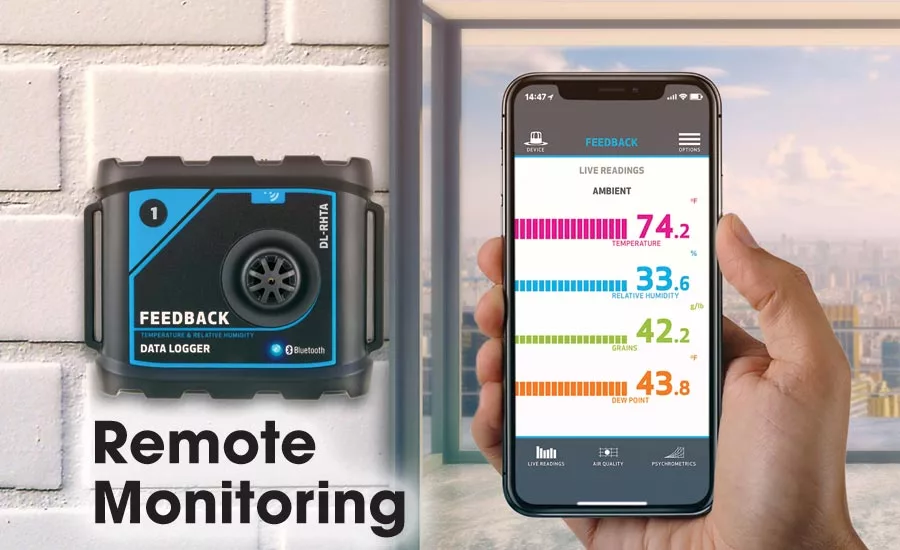
Remote monitoring uses sensors that send temperature data to a computer or phone. This helps track changes without visiting the site.
- Continuous temperature tracking
- Remote access to data
- Useful for long-term monitoring
Credit: www.randrmagonline.com
Methods For Measuring Ambient Temperature
Monitoring ambient temperature is important for many activities. It helps us understand weather conditions and plan accordingly.
There are different tools to measure the temperature of the air around us. Each method has its own use and features.
Standard Thermometers
Standard thermometers use liquids like mercury or alcohol to show temperature. The liquid rises or falls in a tube as the air temperature changes.
- Easy to use and read
- No power source needed
- Can be fragile due to glass parts
- Best for simple, direct temperature checks
Digital Sensors
Digital sensors use electronic parts to measure temperature. They convert heat into digital data that shows on a screen.
- Provide quick and accurate readings
- Can connect to other devices for data logging
- Require a power source like batteries
- Often used in homes and scientific tools
Weather Stations
Weather stations measure many weather factors, including ambient temperature. They use sensors and computers to collect and display data.
| Feature | Description |
| Temperature Sensor | Measures air temperature accurately |
| Humidity Sensor | Records moisture levels in the air |
| Data Display | Shows current and past readings |
| Connectivity | Links to apps or websites for remote access |
Challenges In Temperature Monitoring
Monitoring water and ambient temperature is important for many uses. It helps us understand the environment and keep systems safe.
There are many challenges when measuring temperature. These challenges can affect how accurate and useful the data is.
Sensor Calibration And Accuracy
Sensors must be calibrated to give correct temperature readings. If not calibrated well, they can show wrong numbers.
Temperature sensors can lose accuracy over time. This causes errors in monitoring water or air temperature.
- Regular calibration keeps sensors accurate
- Low-quality sensors may drift faster
- Calibration needs special tools and skills
Environmental Interferences
Environmental factors can change sensor readings. Water movement and sunlight affect temperature measurements.
Other factors like dirt, humidity, and chemicals can cause sensor errors. These need to be controlled or corrected.
- Direct sunlight can heat sensors falsely
- Water flow changes local temperature quickly
- Pollutants may coat sensors and block signals
Data Interpretation Issues
Raw temperature data can be hard to understand. It needs proper analysis to show useful information.
Temperature changes fast in water and air. This makes it tricky to know if a change is normal or a problem.
- Short-term spikes may not be important
- Data noise can hide real temperature trends
- Context is needed to interpret temperature data

Credit: twri.tamu.edu
Applications Of Temperature Data
Monitoring water and ambient temperature helps in various fields. These data provide insight into environmental changes.
It is crucial for researchers and professionals to access accurate temperature data. This information supports informed decision-making.
Climate Research
Temperature data are vital in studying climate patterns. Scientists use these data to understand global warming impacts.
- Analyzing temperature trends over time
- Predicting climate change effects
- Developing climate models
Agriculture And Irrigation
Farmers rely on temperature data for crop management. It helps determine irrigation needs and planting schedules.
| Crop | Optimal Temperature (°C) |
| Corn | 20-30 |
| Wheat | 15-25 |
| Rice | 24-30 |
Urban Planning And Energy Management
City planners use temperature data to design energy-efficient buildings. It also aids in managing energy consumption.
Future Trends In Temperature Monitoring
Monitoring water and ambient temperature is vital for many industries. New trends are shaping how we track temperature. Technology is making this process more accurate and reliable.
These trends are set to improve efficiency and safety. They can help in agriculture, manufacturing, and even our homes. Let’s explore these future trends.
Advanced Sensor Technologies
Sensors are becoming smarter and more sensitive. They can detect temperature changes instantly. This helps in preventing damage and maintaining quality. Sensors are also getting smaller, making them easy to install.
Some sensors can even work wirelessly. This means no messy wires and easy setup. They are perfect for remote areas or places with limited access.
Integration With Iot
The Internet of Things (IoT) connects devices to the internet. IoT can link temperature sensors to other smart devices. This allows real-time data sharing and alerts.
With IoT, you can monitor temperature from anywhere. This helps in quick decision-making and improves safety. It is useful for both homes and industries.
Predictive Analytics And Ai
Predictive analytics uses data to foresee future temperature changes. AI helps in analyzing data quickly and accurately. These technologies can predict problems before they occur.
This means fewer breakdowns and more savings. AI can also suggest the best actions to take. It helps in efficient energy use and resource management.
- AI improves accuracy of temperature predictions
- Predictive analytics helps in planning maintenance
- Fewer equipment failures with smart monitoring
Frequently Asked Questions
Why Is Monitoring Water Temperature Important?
Monitoring water temperature helps maintain aquatic life health and prevents harmful algal blooms. It also ensures optimal conditions for fish farming and industrial processes, improving safety and efficiency.
How Does Ambient Temperature Affect Water Temperature?
Ambient temperature influences water temperature by warming or cooling the water body. Changes in air temperature directly impact water quality, aquatic ecosystems, and evaporation rates.
What Tools Measure Water And Ambient Temperature?
Common tools include digital thermometers, data loggers, and infrared sensors. These devices provide accurate, real-time readings for both water and surrounding air temperatures.
Can Water Temperature Impact Climate Studies?
Yes, water temperature data is crucial for climate models. It helps track climate change effects on oceans, lakes, and rivers, influencing global weather patterns and ecosystems.
Conclusion
Monitoring water and ambient temperature helps protect plants and animals. Water temperature affects fish health and growth rates. Ambient temperature impacts weather and energy use. Watching both keeps ecosystems balanced and safe. Small changes can make big differences in nature.
Use simple tools to track these temperatures daily. Stay aware to respond quickly to shifts. This practice supports a healthier environment for all. Keep monitoring to support life around you.