
If you want your molly fish to thrive, understanding how to adjust their water parameters is key. You might not realize it, but small changes in water quality can make a big difference in your molly’s health and happiness.
Imagine seeing your fish swim actively, display vibrant colors, and live longer—all because you got the water conditions just right. You’ll discover simple, practical tips to balance your tank’s water perfectly for your mollies. Keep reading, and you’ll learn exactly what to do to create the ideal environment your fish deserve.

Credit: extension.psu.edu
Ideal Water Conditions
Molly fish need clean water to stay healthy. Good water conditions help them grow well.
Keeping water parameters right prevents diseases and stress in mollies.
Temperature Range
Mollies live best in warm water. The right temperature keeps their metabolism steady.
Keep the water between 72°F and 78°F. Sudden changes can harm them.
- Minimum temperature: 72°F (22°C)
- Maximum temperature: 78°F (25.5°C)
- Stable temperature is important
Ph Levels
The pH level shows how acidic or basic the water is. Mollies prefer slightly basic water.
Keep the pH between 7.5 and 8.5 for best health and comfort.
- Ideal pH range: 7.5 to 8.5
- Avoid sudden pH changes
- Test water regularly
Water Hardness
Water hardness means the amount of minerals in water. Mollies like moderately hard water.
Keep the hardness between 15 and 30 dGH to support their health.
- Minimum hardness: 15 dGH
- Maximum hardness: 30 dGH
- Use test kits to measure hardness
Key Water Parameters To Monitor
Keeping the water clean and safe is very important for Molly fish health. Certain water values need regular checks. These values affect how well your fish live and grow.
This guide explains three main water parameters to watch closely. Learning how to control these will help keep your Molly fish strong.
Ammonia And Nitrite Control
Ammonia and nitrite are harmful chemicals for Molly fish. They come from fish waste and leftover food. High levels can cause fish to get sick or die.
- Test water weekly for ammonia and nitrite levels.
- Keep ammonia and nitrite at zero parts per million (ppm).
- Use filters and plants to help remove these toxins.
- Change part of the water regularly to keep it clean.
Nitrate Management
Nitrate is less harmful but can still stress fish if too high. It builds up over time from waste and decay. Keep nitrate below 20 ppm for good fish health.
| Action | Effect on Nitrate |
| Regular partial water changes | Reduce nitrate levels |
| Adding live plants | Use nitrates as food |
| Avoid overfeeding | Lower waste production |
| Clean tank bottom | Remove decaying matter |
Oxygen Levels
Oxygen is vital for Molly fish to breathe. Low oxygen can make fish weak or cause death. Keep good water flow and surface movement to increase oxygen.
- Use an air pump or filter that moves water well.
- Do not overcrowd the tank to keep oxygen high.
- Check oxygen levels if fish show signs of stress.
Adjusting Water Parameters Safely
Keeping molly fish healthy needs correct water settings. Changing water parameters must be done safely.
Sudden changes can stress or harm your fish. You should adjust water slowly and carefully.
Using Water Conditioners
Water conditioners remove harmful chemicals like chlorine from tap water. This makes water safe for mollies.
Use conditioners before adding new water to the tank. Follow the instructions on the product label carefully.
- Neutralize chlorine and chloramine
- Remove heavy metals
- Reduce stress on fish
Gradual Parameter Changes
Change water parameters like pH and hardness slowly. Sudden shifts can shock your molly fish.
Make small adjustments over several days. This helps fish adapt without stress or illness.
- Change 10-20% of water at a time
- Adjust pH by 0.1 to 0.2 units daily
- Watch fish behavior for signs of stress
Testing Kits And Tools
Use test kits to check water parameters regularly. This helps keep conditions safe for mollies.
Test pH, hardness, ammonia, nitrite, and nitrate levels. Accurate readings help guide safe adjustments.
- pH test kit measures acidity
- Hardness kit checks minerals
- Ammonia, nitrite, nitrate kits detect toxins
Maintaining Water Quality
Good water quality is key to keeping molly fish healthy. Clean water helps prevent disease and stress.
Regular care keeps water safe for molly fish to live and grow well.
Regular Water Changes
Change about 20% to 30% of the water every week. This removes waste and toxins from the tank.
Use a water conditioner to make tap water safe before adding it to the tank.
Filtration Systems
A good filter cleans dirt, food leftovers, and fish waste from the water. It also helps oxygenate the tank.
Choose a filter that matches your tank size and molly fish number for best results.
Avoiding Overcrowding
Too many fish in one tank cause dirty water and stress. Keep the number of mollies low.
Give each fish enough space to swim and live comfortably to keep water clean longer.
Diet And Its Impact On Water
The diet of molly fish affects water quality in the tank. Different foods change water parameters like ammonia and nitrate levels.
Understanding molly feeding habits helps keep water clean and fish healthy. Proper care reduces stress and improves lifespan.
Feeding Habits
Mollies eat a mix of plant and animal foods. They enjoy flakes, pellets, and live or frozen foods. Balanced feeding supports good health and stable water.
- Feed small amounts two to three times daily
- Include vegetable matter like spinach or zucchini
- Use protein foods like brine shrimp or bloodworms occasionally
- Observe fish to adjust food quantity
Preventing Overfeeding
Overfeeding causes leftover food to decay. This raises ammonia and nitrite, harming fish and water quality. Feed only what mollies eat quickly.
- Offer food in small portions
- Remove uneaten food after five minutes
- Feed less on days with less activity
- Use a feeding schedule for consistency
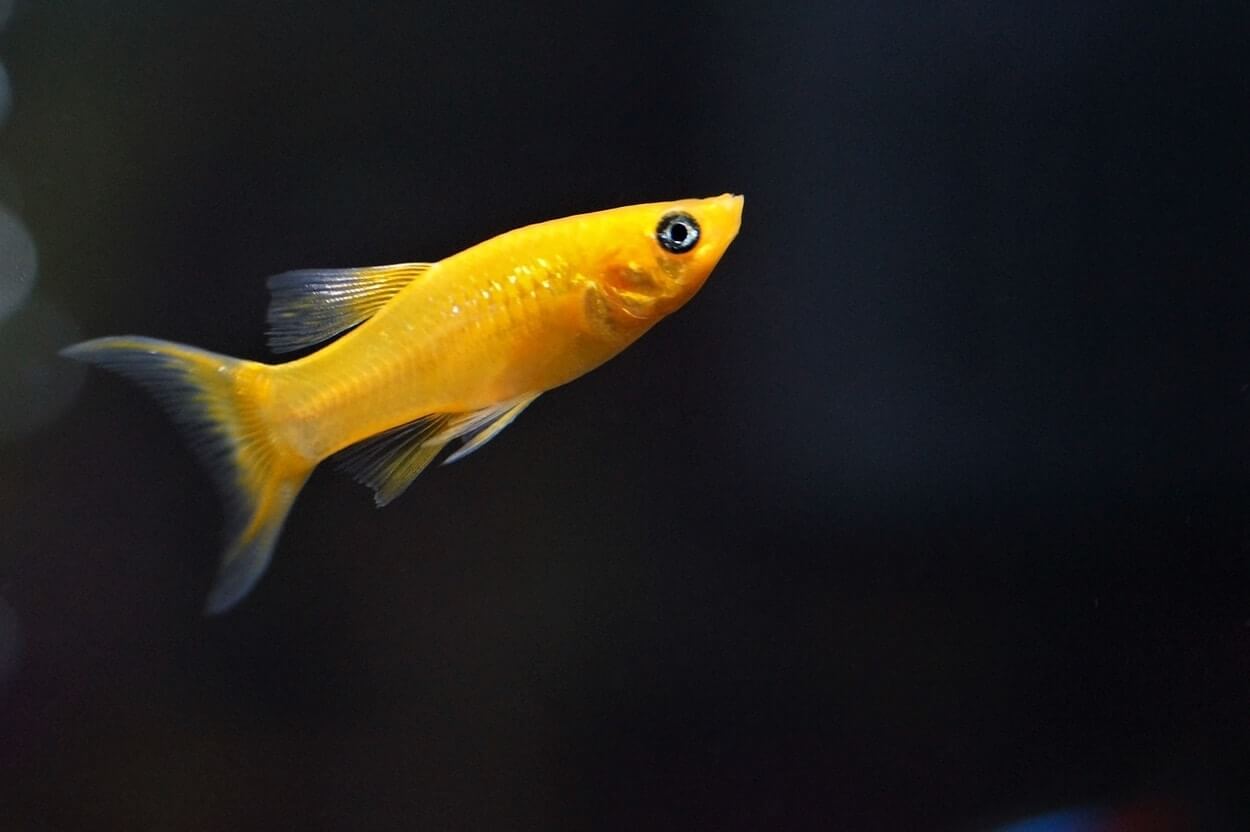
Waste Management
Fish waste adds harmful substances to the water. Regular cleaning and filtration keep parameters balanced. Monitor waste to avoid toxic buildup.
| Waste Source | Effect on Water | Management Tips |
| Fish feces | Increases ammonia | Remove by siphoning substrate |
| Uneaten food | Raises nitrites and nitrates | Feed proper amounts, clean leftovers |
| Decaying plants | Causes ammonia spikes | Trim dead leaves regularly |
Credit: www.aquariumsource.com
Signs Of Water Stress In Mollies
Mollies are popular fish in home aquariums. They need specific water conditions to thrive.
Recognizing water stress signs helps maintain a healthy environment for them.
Behavioral Changes
Behavioral changes are often the first sign of water stress in mollies.
- Swimming erratically or in circles
- Gasping for air at the water surface
- Lethargy and reduced activity levels
Physical Symptoms
Physical symptoms can indicate that mollies are experiencing water stress.
| Symptom | Description |
| Clamped fins | Fins are held close to the body |
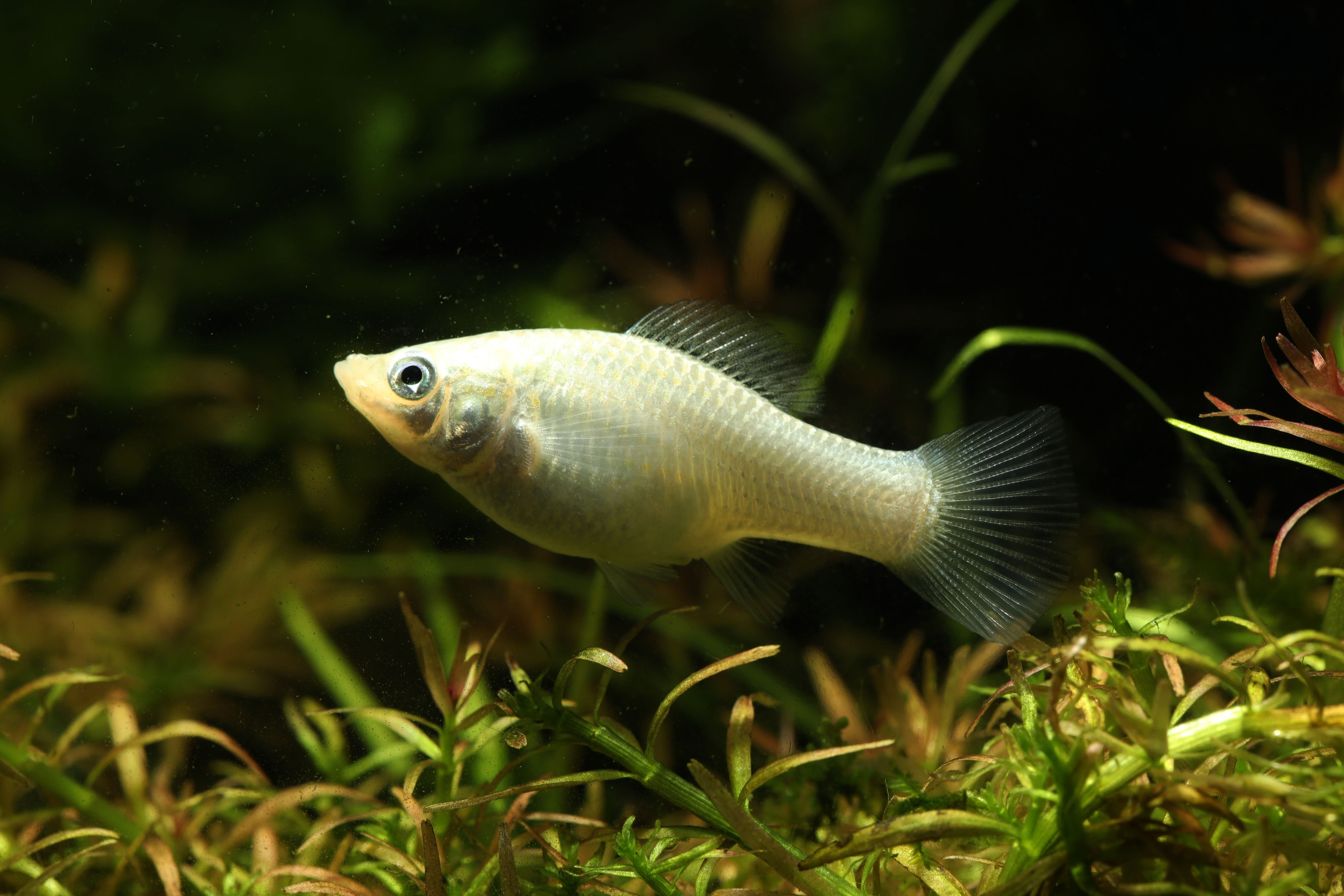
| Discoloration | Faded or dull colors |
| Fin rot | Edges of fins appear frayed |
Action Steps
If you notice these signs, take action to correct water conditions.
Ensure proper filtration and aeration in the tank.
Test water parameters regularly using a reliable kit.
Adjust pH, hardness, and temperature to recommended levels.
Credit: splashyfishstore.com
Frequently Asked Questions
What Are Ideal Water Parameters For Molly Fish?
Molly fish thrive in water with pH 7. 5-8. 5, temperature 72-78°F, and hardness 20-30 dGH. Maintaining these ensures their health and activity.
How To Adjust Ph For Molly Fish Tanks?
Use commercial pH adjusters or natural additives like driftwood or crushed coral. Test water regularly to keep pH stable between 7. 5 and 8. 5.
Why Is Water Hardness Important For Molly Health?
Mollies prefer hard water with 20-30 dGH. Proper hardness supports their osmoregulation, promotes growth, and prevents stress-related diseases.
How Often Should Molly Tank Water Be Tested?
Test water parameters weekly to monitor pH, hardness, and temperature. Regular checks help detect harmful changes early and maintain a healthy environment.
Conclusion
Keeping molly fish healthy starts with proper water parameters. Test the water regularly for pH, hardness, and temperature. Adjust these factors gently to avoid stress. Clean water and good filtration also help. Watch your fish daily for signs of illness.
Balanced water keeps mollies active and colorful. Small changes can make a big difference. Healthy water means happy fish. Stay consistent and patient for best results.