
Feeling overwhelmed by stress? You’re not alone.
Stress can sneak into your life and make everything feel harder than it needs to be. But what if you could learn simple, effective ways to keep stress from taking control? You’ll discover Molly stress prevention techniques designed to help you stay calm, focused, and in charge of your day.
Keep reading, and you’ll find easy steps that fit your life—so you can feel better, faster.
Causes Of Stress
Stress happens when life feels too hard to handle. Many things can cause stress every day.
Knowing what triggers stress helps us find ways to feel better and stay calm.
Common Triggers
Stress can come from many common triggers in daily life. Some are easy to spot.
- Work pressure and deadlines
- Family conflicts or problems
- Money worries and bills
- Health concerns or illness
- Major life changes like moving
- Lack of sleep or rest
Effects On Mind And Body
Stress affects both the mind and body in many ways. It can make us feel tired and upset.
| Mind | Body |
| Difficulty concentrating | Headaches |
| Feeling anxious or sad | Muscle tension |
| Memory problems | Fast heartbeat |
| Restlessness | Upset stomach |
| Sleep issues | Low energy |
Credit: medium.com
Breathing Exercises
Breathing exercises help calm your mind and body. They reduce stress and improve focus.
Practicing simple breathing techniques daily can make a big difference in your well-being.
Deep Breathing Techniques
Deep breathing means taking slow, full breaths. This helps lower your heart rate and relax muscles.
- Sit or lie down comfortably.
- Inhale slowly through your nose for 4 seconds.
- Hold your breath for 4 seconds.
- Exhale slowly through your mouth for 6 seconds.
- Repeat for 5 to 10 minutes.
Box Breathing Method
Box breathing uses equal counts for breathing in, holding, breathing out, and holding again. It helps clear your mind.
| Action | Duration (seconds) |
| Inhale | 4 |
| Hold Breath | 4 |
| Exhale | 4 |
| Hold Breath | 4 |
Mindfulness Practices
Mindfulness helps reduce stress by focusing on the present moment.
Practicing mindfulness can calm your mind and body in daily life.
Meditation Basics
Meditation means sitting quietly and paying attention to your breath.
- Find a quiet and comfortable place to sit.
- Close your eyes and breathe slowly.
- Notice your breath going in and out.
- If your mind wanders, gently bring it back to breathing.
- Start with five minutes and increase time as you like.
Body Scan Exercise
This exercise helps you notice sensations in your body to relax.
| Body Part | Focus |
| Feet | Feel contact with the ground |
| Legs | Notice any tension or warmth |
| Stomach | Observe the rise and fall with breathing |
| Chest | Feel your heartbeat calmly |
| Shoulders | Relax and drop away from ears |
| Head | Release tightness in jaw and forehead |

Credit: www.claritychi.com
Physical Activities
Physical activities help reduce stress by moving your body. They improve your mood and clear your mind. Regular exercise can make you feel calm and happy.
Simple movements like stretching or walking can lower tension. These activities fit easily into daily life and boost your energy.
Yoga For Relaxation
Yoga helps your body and mind relax through gentle poses. It improves breathing and reduces muscle tension. You do not need special skills to start yoga.
- Find a quiet space for your practice
- Wear comfortable clothes
- Focus on slow, deep breaths
- Hold each pose for a few breaths
- End with a short meditation or rest
Walking And Outdoor Exercises
Walking outside refreshes your mind and body. Nature sounds and fresh air lower stress levels. Outdoor exercises help you feel more awake and balanced.
| Exercise | Benefits |
| Walking | Improves mood and heart health |
| Jogging | Boosts energy and reduces anxiety |
| Stretching | Relieves muscle tightness |
| Bodyweight exercises | Strengthens muscles and increases focus |
Healthy Lifestyle Habits
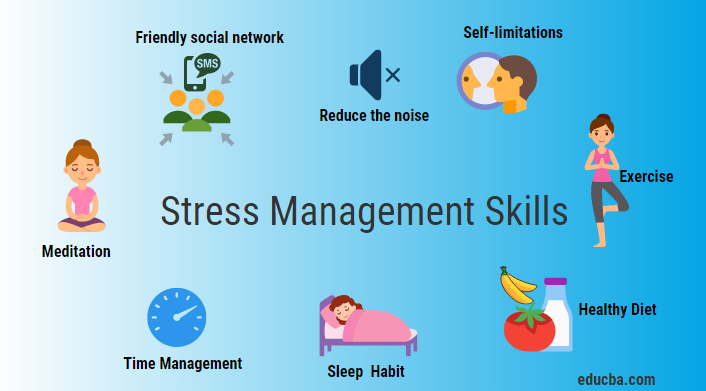
Living with less stress means taking care of your body every day. Simple habits help your mind stay calm and strong.
Good choices in food and rest make a big difference in how you feel.
Balanced Nutrition
Eating a balanced diet helps keep your energy steady. It also supports your brain and body to fight stress well.
- Eat plenty of fruits and vegetables every day.
- Choose whole grains like brown rice and oats.
- Include lean proteins such as chicken, beans, or fish.
- Limit sugary snacks and drinks.
- Drink enough water to stay hydrated.
Adequate Sleep
Good sleep helps your body repair and your mind relax. It lowers stress and improves your mood.
| Tip | Why It Helps |
| Go to bed and wake up at the same time | Keeps your body clock steady |
| Make your bedroom dark and quiet | Prevents distractions and helps you fall asleep |
| Avoid screens 1 hour before bed | Reduces blue light that keeps you awake |
| Limit caffeine after midday | Prevents trouble falling asleep |
| Try relaxing routines like reading or stretching | Signals your body to calm down |
Time Management Tips
Managing time effectively can help reduce stress and improve productivity. It’s important to learn techniques that fit your lifestyle.
Explore methods to prioritize tasks and take breaks effectively. These strategies can enhance your daily routine and well-being.
Prioritizing Tasks
Prioritizing tasks helps you focus on what truly matters. This can lead to better outcomes and less stress.
- Make a to-do list every morning
- Identify tasks by urgency and importance
- Focus on completing one task at a time
Taking Breaks Effectively
Taking breaks can refresh your mind and improve concentration. It’s crucial to pause regularly during tasks.
| Break Type | Duration |
| Short break | 5-10 minutes |
| Lunch break | 30-60 minutes |
| Relaxation | 15-20 minutes |
Social Support
Social support helps reduce stress and improve well-being. Talking to others can make you feel understood.
Connecting with people provides emotional and practical help. This can ease stress and boost your mood.
Talking To Friends
Friends listen and offer comfort during stressful times. Sharing your feelings with them can lighten your load.
- Reach out to friends regularly
- Schedule a weekly chat or meet-up
- Share both happy and tough experiences
Seeking Professional Help
Professionals provide guidance and coping strategies. They are trained to help you manage stress effectively.
| Type | Role |
| Counselor | Offers talk therapy |
| Psychologist | Helps with emotional issues |
| Social Worker | Provides community resources |

Credit: keyhealthcare.com
Relaxation Techniques
Stress can affect your body and mind in many ways. Relaxation techniques help lower stress and calm your thoughts.
These techniques are simple to learn and can be done anywhere. They help you feel peaceful and focused.
Progressive Muscle Relaxation
Progressive muscle relaxation helps you release tension in your body. You tense a muscle group, hold it, then slowly relax it.
This practice teaches you to notice the difference between tight and relaxed muscles. It helps reduce stress and improve sleep.
- Find a quiet place to sit or lie down.
- Start with your feet and work up to your head.
- Tense each muscle group for 5-7 seconds.
- Slowly release the tension and feel the relaxation.
- Breathe deeply and focus on the calm feeling.
Visualization Methods
Visualization uses your imagination to create peaceful scenes. This helps your mind relax and forget stress.
You picture a safe and calm place. This mental escape lowers your heart rate and eases tension.
- Close your eyes and take deep breaths.
- Imagine a place where you feel safe and happy.
- Use all your senses to make the scene real.
- Stay in the scene for a few minutes.
- Open your eyes slowly and feel refreshed.
Frequently Asked Questions
What Are Effective Molly Stress Prevention Techniques?
Effective techniques include deep breathing, meditation, regular exercise, and adequate sleep. These methods help reduce anxiety and improve mood during Molly use. Staying hydrated and maintaining a balanced diet also support stress prevention.
How Does Mindfulness Help Reduce Molly-related Stress?
Mindfulness increases awareness of your thoughts and feelings. It helps you stay calm and focused. Practicing mindfulness during Molly use can lower anxiety and prevent overwhelming emotions.
Can Exercise Reduce Stress When Using Molly?
Yes, exercise releases endorphins, natural mood boosters. It helps manage stress and anxiety by promoting relaxation. Regular physical activity supports mental health and enhances overall Molly experience.
Why Is Hydration Important For Stress Prevention With Molly?
Hydration maintains body balance and prevents dehydration-related stress. Drinking water supports brain function and reduces physical discomfort. Staying hydrated helps keep stress levels low while using Molly.
Conclusion
Stress can affect anyone using Molly, but simple techniques help. Taking breaks, staying hydrated, and breathing deeply ease tension fast. Finding calm moments during use keeps your mind clear and body relaxed. Remember to listen to your feelings and act kindly toward yourself.
These small steps reduce stress and make your experience safer. Keep practicing these habits for a healthier balance. Stress prevention is possible with care and attention.