
Have you ever wondered how to tell male and female mollies apart? Understanding molly sexual dimorphism can make a big difference if you keep these fish as pets or study them in nature.
Knowing the clear signs that separate males from females helps you care for them better and even manage breeding more effectively. You’ll discover simple, easy-to-spot features that reveal the true gender of your mollies. Keep reading, and soon you’ll be confident identifying these beautiful fish at a glance.
Molly Species Overview
Mollies are small freshwater fish popular in home aquariums. They belong to the Poecilia genus.
These fish show clear differences between males and females. This is known as sexual dimorphism.
Common Types Of Mollies
Mollies come in many types with different colors and shapes. Each type has unique features.
- Black Molly: Known for its solid black color.
- Dalmatian Molly: Has black spots on a light body.
- Lyretail Molly: Tail fins are long and shaped like a lyre.
- Silver Molly: Shiny silver body with a smooth look.
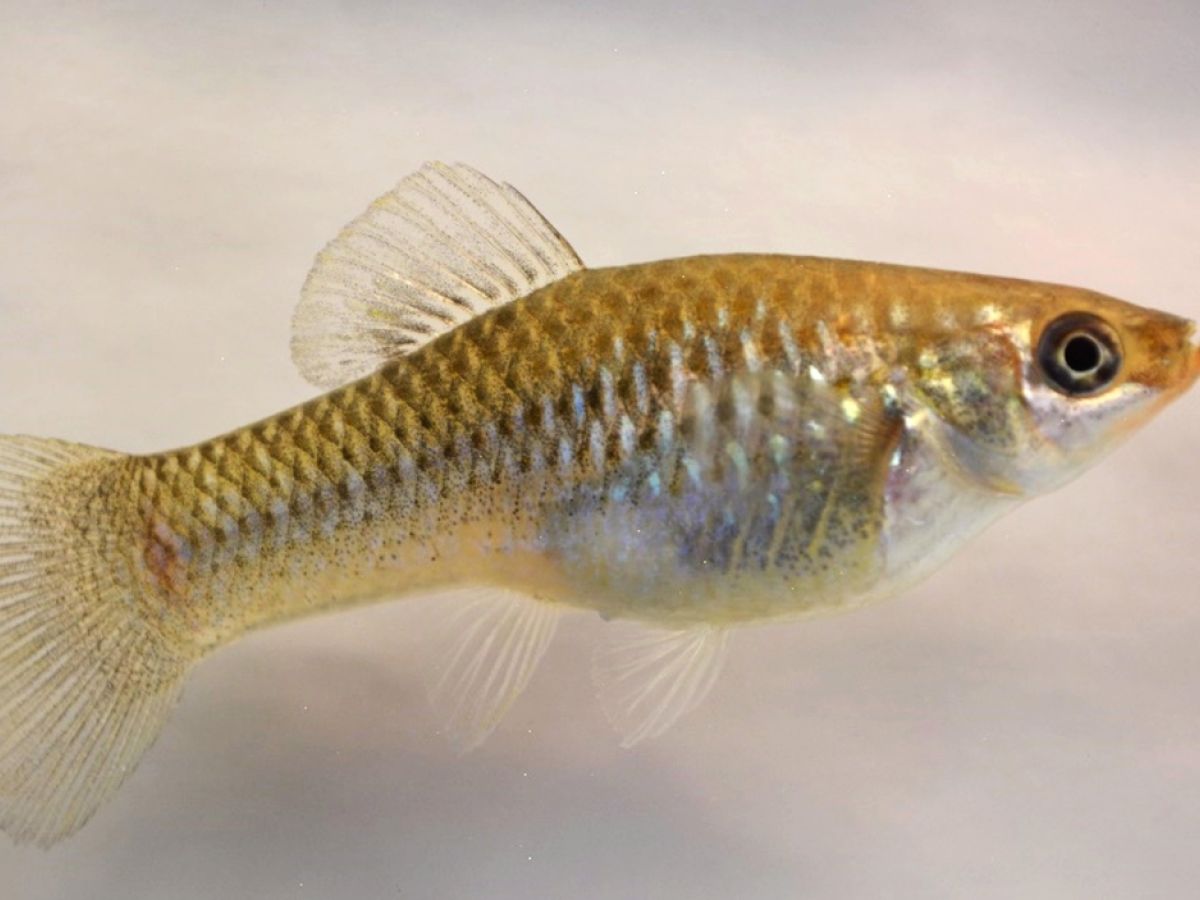
Males usually have brighter colors and longer fins. Females are larger and rounder.
Natural Habitats
Mollies live in warm freshwater and brackish water. They are native to Central and South America.
These fish thrive in slow-moving rivers, streams, and coastal waters. They like areas with plants and hiding spots.
- Freshwater rivers and streams
- Brackish coastal waters
- Shallow areas with plants
- Warm water environments

Credit: royalsocietypublishing.org
Physical Differences
Mollies show clear physical differences between males and females. These differences help identify their sex easily. Understanding these traits is important for fish keepers and breeders.
The differences include size, color, and body shape. Each trait varies in a way that makes males and females distinct.
Size Variations
Male mollies are usually smaller than females. Females tend to grow larger to carry babies. Size difference is one of the easiest ways to tell them apart.
Females can reach up to 4 inches long. Males are often shorter, around 2.5 to 3 inches.
Color Patterns
Males often have brighter and more vivid colors. Females usually display duller and simpler color patterns. This helps males attract females during mating.
- Males show colors like orange, black, and white in spots or patches.
- Females have softer colors like gray or pale silver.
- Males may have shiny scales that catch light better.
Body Shape Distinctions
Males have slimmer and more streamlined bodies. Females have rounder and fuller bodies, especially near the belly. This difference supports reproduction in females.
| Feature | Male Mollies | Female Mollies |
|---|---|---|
| Body Shape | Slim and streamlined | Round and fuller |
| Belly | Flat | Swollen during pregnancy |
| Fins | Longer and pointed | Shorter and rounded |
Fin Structures
Molly fish show clear differences in their fin structures based on sex. These differences help identify males and females.
Understanding fin shapes and sizes is key to recognizing sexual dimorphism in mollies. Two main fins show these differences.
Caudal Fin Differences
The caudal fin, or tail fin, varies between male and female mollies. Males have longer and more pointed tails.
- Males have larger, fan-shaped caudal fins.
- Females have shorter and rounder caudal fins.
- Male caudal fins often show brighter colors.
- Females’ caudal fins are usually plain or dull.
Dorsal Fin Characteristics
| Feature | Male Molly | Female Molly |
| Dorsal Fin Size | Large and elongated | Small and short |
| Shape | Tall and pointed | Low and rounded |
| Color | Bright, often patterned | Plain or light-colored |
| Use | Display during mating | No display use |
Males use their dorsal fins to attract females and show dominance. Females have simpler dorsal fins without display features.
Behavioral Traits
Mollies show clear differences in behavior between males and females. These differences help them survive and reproduce.
Understanding their behaviors gives insight into their social life and habits in the wild or aquarium.
Mating Behaviors
Male mollies actively display to attract females. They use bright colors and fin movements.
Females choose mates based on these displays and the males’ size. Larger males often get more attention.
- Males chase females to court them
- Males flare fins to show strength
- Females prefer males with vibrant colors
- Mating often happens in shallow water
Territorial Tendencies
Male mollies defend small areas to keep rivals away. This helps protect their chance to mate.
Females are less territorial but may stay near safe spots for their young.
- Males show aggression to intruders
- Territories include hiding and feeding spots
- Dominant males hold the best territories
- Females focus on shelter and food
Reproductive Anatomy
Molly fish show clear differences in their reproductive anatomy. These differences help them reproduce successfully.
Male and female mollies have special body parts made for mating and reproduction. These parts look and work differently.
Gonopodium In Males
The male molly has a gonopodium. It is a modified anal fin used to transfer sperm to females.
This structure is long and rod-like. It helps males fertilize eggs inside the female’s body.
- Gonopodium grows from the anal fin
- It is flexible and can bend during mating
- Used to deliver sperm directly into the female
- Essential for internal fertilization
Female Body Adaptations
Female mollies have body parts that support internal fertilization and live birth.
Their reproductive tract is adapted to store sperm and nourish developing babies. This helps with successful reproduction.
- Special sperm storage areas inside the body
- Oviducts support fertilization and embryo growth
- Body shape allows carrying live young
- Adapted to protect developing embryos

Credit: www.reddit.com
Environmental Influences
Molly fish show differences based on their environment. Factors like water and diet play roles.
These factors affect their growth and appearance. Understanding them helps in maintaining molly fish.
Effect Of Water Conditions
Water conditions impact molly fish’s physical traits. Clean water helps them grow better.
Water temperature and pH levels also matter. These can change molly fish’s colors and size.
- Stable temperature promotes healthy growth
- Correct pH levels prevent stress
- Clean water reduces disease risks
Impact Of Diet On Dimorphism
Diet affects how molly fish look and grow. A balanced diet keeps them healthy.
Protein-rich food enhances color and size. It also supports their immune system.
- Varied diet supports physical development
- High-quality food boosts color intensity
- Proper nutrition reduces health issues
Identifying Gender In Mollies
Mollies are popular fish in home aquariums. Knowing their gender helps in breeding and care. There are simple ways to tell male and female mollies apart.
Understanding these differences ensures a healthy tank environment. Let’s explore the visual and behavioral markers that can help identify the gender of mollies.
Visual Markers
Male and female mollies have distinct physical features. These markers are easy to spot once you know what to look for.
- Males have larger, more colorful fins.
- Females are generally larger with a rounder body.
- Males possess a gonopodium, a modified fin for mating.
- Females have a fan-shaped anal fin.
Behavioral Cues
Behavior also plays a key role in identifying gender. Observing how mollies interact can give clues about their sex.
Males often display specific behaviors to attract females. Females, on the other hand, might show different social patterns.
- Males are more aggressive and chase other fish.
- Females are often calmer and group together.
- Males display courtship dances to attract females.
- Females may exhibit a gravid spot when pregnant.
Credit: www.psychologytoday.com
Frequently Asked Questions
What Is Sexual Dimorphism In Mollies?
Sexual dimorphism in mollies refers to physical differences between males and females. These include size, coloration, and fin shape. Males are usually smaller with brighter colors and larger fins. Females tend to be larger with duller colors. These traits help identify genders easily.
How Can You Tell Male And Female Mollies Apart?
Male mollies have a pointed anal fin called a gonopodium. Females have a fan-shaped anal fin. Males are more colorful and smaller. Females are larger and rounder. These visual differences make gender identification straightforward for aquarists.
Why Do Male Mollies Have Brighter Colors?
Brighter colors in male mollies attract females during mating. This sexual selection helps males compete for mates. Colors also signal health and vitality to females. Dull colors in females provide camouflage and protection.
Do Mollies Exhibit Behavioral Sexual Dimorphism?
Yes, male mollies are more active and territorial. They chase females during courtship displays. Females tend to be calmer and focus on foraging. These behavioral differences complement physical dimorphism in their natural habitats.
Conclusion
Molly sexual dimorphism helps us tell males from females easily. Males often show brighter colors and bigger fins than females. Females tend to have rounder bodies and smaller fins. This difference affects their behavior and breeding habits too. Knowing these traits helps hobbyists care for mollies better.
It also supports breeding healthy fish. Understanding sexual dimorphism makes keeping mollies more fun and rewarding. Keep observing your fish to spot these differences clearly. Simple signs can reveal a lot about your mollies.