
Are you looking to add vibrant colors to your aquarium? Molly selective breeding for color can help you create stunning fish that brighten up your tank.
Imagine watching your mollies display unique shades and patterns every day. This guide will show you how to choose the right fish and breed them for the best colors. Keep reading to discover simple steps that can turn your aquarium into a living masterpiece.
Your colorful underwater world is just a few breeding tips away!

Credit: www.aquariumsource.com
Molly Fish Basics
Molly fish are popular freshwater fish in home aquariums. They are easy to care for and come in many colors.
Selective breeding has created many colorful varieties of Molly fish. This helps hobbyists enjoy different looks.
Species And Varieties
Molly fish belong to the Poecilia genus. The most common species kept are Sailfin Molly and Short-finned Molly.
Selective breeding has produced many varieties, such as:
- Sailfin Molly with large fins
- Dalmatian Molly with black spots
- Black Molly with deep black color
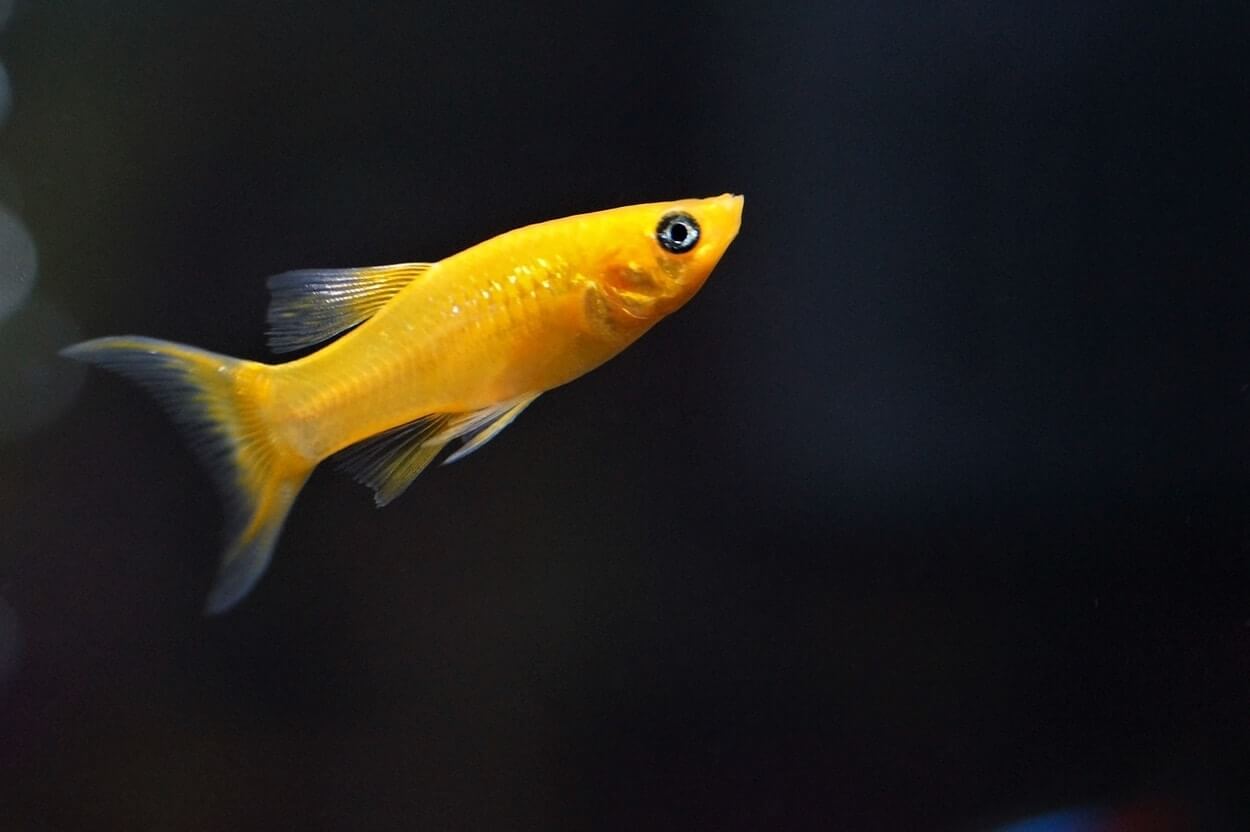
- Gold Molly with bright yellow shades
Natural Colors
Wild Molly fish have dull colors like grey and olive green. These colors help them hide in plants.
Selective breeding improves colors. Breeders focus on bright and clear colors for tanks.
- Orange and gold shades
- Black and white patterns
- Silver and metallic hues
Habitat Needs
Molly fish live best in clean, warm water. They need a tank with plants and space to swim.
Ideal tank conditions include:
- Water temperature between 72°F and 78°F (22°C – 26°C)
- pH level from 7.5 to 8.5
- Plenty of hiding places with live plants
- Good water filtration and regular cleaning

Credit: splashyfishstore.com
Color Genetics In Mollies
Mollies are popular aquarium fish with many colors. Their colors come from genes passed down from parents.
Selective breeding helps create new colors by controlling which fish mate. Understanding genetics is key to this process.
Inheritance Patterns
Inheritance patterns show how color traits pass from one fish to the next. Each parent gives half of its genes to its offspring.
Some traits are simple and follow basic rules. Others mix and create new colors in babies.
- Genes come in pairs
- Offspring get one gene from each parent
- Traits can be dominant or recessive
- Some colors need both genes to show
Common Color Genes
Mollies have many color genes that control their look. Some genes change the base color, others add patterns.
These genes combine to make different colors like black, orange, and silver.
- Melanin gene controls black color
- Orange gene adds red or orange shades
- Albinism gene removes dark colors
- Pattern genes create spots or stripes
Dominant Vs Recessive Traits
Dominant traits appear if at least one gene is dominant. Recessive traits show only when both genes are recessive.
Knowing which traits are dominant or recessive helps breeders predict baby fish colors.
| Trait Type | Appearance | Gene Requirement |
|---|---|---|
| Dominant | Shows with one gene | One dominant gene needed |
| Recessive | Shows only with two genes | Two recessive genes needed |
Selective Breeding Techniques
Selective breeding helps improve the color of Molly fish. It involves choosing fish with the best traits. Breeders use careful methods to enhance colors over time.
This process takes patience and attention to detail. Tracking traits and pairing the right fish leads to stronger colors in future generations.
Choosing Breeding Stock
Pick healthy Molly fish with bright, clear colors. Avoid fish with dull or faded patterns. Look for strong body shapes and active behavior.
- Check for vibrant color patches
- Choose fish with smooth scales
- Pick fish without deformities
- Observe fish activity and energy
- Prefer fish from stable family lines
Pairing For Color Enhancement
Pair fish that have complementary colors. This helps bring out the best shades in their offspring. Avoid pairing fish with weak or mixed colors.
| Parent 1 Color | Parent 2 Color | Expected Offspring Color |
| Bright Orange | Deep Red | Rich Orange-Red Blend |
| Blue | Silver | Shiny Blue-Silver Mix |
| Yellow | Black | Strong Yellow with Dark Spots |
Tracking Lineage And Traits
Keep detailed records of each fish’s parents and colors. Track which pairs produce the best colors. This helps improve breeding results over time.
- Label tanks with parent names
- Record colors and patterns of offspring
- Note any changes or mutations
- Use charts or software to organize data
Enhancing Vibrancy
Selective breeding in mollies enhances their color vibrancy. This process focuses on creating brighter and more appealing fish.
Breeding for color involves careful selection of parent mollies. This ensures the offspring have the desired vibrant hues.
Diet And Nutrition
Mollies need a balanced diet for vibrant colors. Proper nutrition impacts their health and appearance.
A diet rich in carotenoids can enhance their color. These nutrients are found in certain fish foods.
- Spirulina flakes for brighter hues
- Brine shrimp boosts orange and red
- Vegetable matter for overall health
Optimal Water Conditions
Water quality affects molly colors. Clean water is crucial for their vibrant appearance.
Regular water changes help maintain optimal conditions. This reduces stress and enhances their colors.
- Maintain pH between 7.5-8.5
- Temperature should be 75-80°F
- Use a good filter for clean water
Lighting Effects
Lighting plays a role in the vibrancy of molly colors. Proper lighting enhances their natural beauty.
Use full-spectrum lights to bring out their colors. This type of lighting mimics natural sunlight.
- LED lights for energy efficiency
- Adjust light duration to 8-12 hours a day
- Avoid direct sunlight to prevent algae growth
Common Color Variations
Molly fish have many color types. Each type shows unique patterns and shades.
Selective breeding helps create these color variations. Fish keepers enjoy choosing their favorites.
Black Mollies
Black mollies are popular for their deep, solid black color. They have a sleek, shiny look.
This color is easy to spot in tanks. Black mollies often show off a smooth body shine.
Dalmatian Mollies
Dalmatian mollies have black spots on a white or light body. They look like small dalmatian dogs.
- Spots vary in size and pattern
- Each fish has a unique spot design
- They add visual interest to any aquarium
Sunset And Gold Mollies
Sunset mollies show warm colors like orange, red, and yellow. Gold mollies shine with a bright golden hue.
| Type | Main Colors | Common Traits |
| Sunset Mollies | Orange, Red, Yellow | Gradient color blend |
| Gold Mollies | Golden Yellow | Bright and shiny scales |
Other Unique Patterns
Some mollies show special patterns. These include spots, stripes, and mixed colors.
Examples of unique patterns:
- Marbled patterns with swirls
- Spotted with random dots
- Striped with thin lines
- Combination of colors in patches
Challenges In Color Breeding
Breeding mollies for color presents many challenges. Careful planning helps keep the fish healthy.
Breeders must balance color traits with the overall health of the fish. This can be difficult to do.
Genetic Health Risks
Selective breeding for color can increase genetic health problems. Some color genes link to diseases.
Breeders should watch for signs of illness and avoid breeding fish with health problems. This protects future generations.
Avoiding Inbreeding
Inbreeding causes weak offspring and lowers survival rates. It is a common risk in color breeding.
- Use unrelated fish for breeding pairs
- Keep good records of fish lineage
- Introduce new bloodlines regularly
- Watch for reduced fertility or deformities
Maintaining Genetic Diversity
Genetic diversity helps keep molly populations strong and adaptable. It reduces risks from disease and stress.
| Practice | Benefit |
| Cross different color strains | Expands gene pool |
| Rotate breeding stock | Prevents gene loss |
| Avoid breeding only top performers | Maintains variation |
Setting Up A Breeding Tank
Selective breeding molly fish for color needs a special tank. The right environment helps fish breed well.
Setting up the tank carefully makes breeding easier. Good care keeps baby fish safe and healthy.
Tank Size And Setup
Use a tank that holds at least 20 gallons. This size gives enough space for breeding molly fish.
Add plants and hiding spots. These give places for baby fish to hide from adults.
- Choose live plants like java moss or hornwort
- Use smooth gravel to avoid injury
- Keep water surface clear for air exchange
- Provide gentle lighting to reduce stress
Water Parameters
Keep water temperature between 75°F and 82°F. Stable temperature helps molly fish breed well.
Maintain pH level from 7.5 to 8.5. Hard water with minerals supports healthy fish growth.
- Temperature: 75°F – 82°F (24°C – 28°C)
- pH level: 7.5 – 8.5
- Water hardness: 15 – 30 dGH
- Change 20% of water weekly
Filtration And Aeration
Use a gentle filter to keep water clean without strong currents. Strong flow can stress baby fish.
Add an air stone or bubbler for oxygen. Good aeration helps fish breathe and stay healthy.
- Choose sponge or hang-on-back filters with low flow
- Place air stone near tank bottom for even oxygen
- Clean filter media monthly
- Watch for water clarity and remove waste
Raising Fry For Best Color
Raising Molly fry with vibrant colors is a rewarding task. Breeding for color requires attention to detail and care.
Focusing on feeding, monitoring growth, and separating by color traits helps in achieving vivid hues.
Feeding Strategies
Proper feeding is key to enhancing colors in Molly fry. A balanced diet makes a big difference.
Offer a mix of high-quality flake food, live food, and vegetables to support color development.
- Feed small amounts multiple times a day
- Include brine shrimp and daphnia for better color
- Ensure variety in their diet for balanced nutrition
Growth Monitoring
Tracking growth helps identify fry with strong color potential. Regular checks ensure healthy development.
Keep a record of their size and color changes every week. This helps in spotting trends.
| Week | Size (cm) | Color Notes |
| 1 | 0.5 | Light colors |
| 4 | 1.5 | Colors starting to show |
| 8 | 3.0 | Vibrant colors emerging |
Separating By Color Traits
Separating fry based on color traits helps in selective breeding. It ensures dominant color traits are enhanced.
Group fry with similar colors in different tanks. This aids in controlling color breeding lines.
- Identify dominant color traits early
- Use separate tanks for different colors
- Monitor for any color changes regularly
Showcasing Vibrant Mollies
Mollies are popular aquarium fish known for their bright colors. Selective breeding helps create many color varieties.
Showing off vibrant mollies needs good care and display techniques. These tips help you highlight their beauty.
Aquarium Display Tips
Choose a clean tank with clear water to show mollies’ colors well. Use a dark background to make colors pop.
Add plants and smooth decorations to create a natural environment. Avoid overcrowding to reduce stress on fish.
- Use a black or blue background
- Keep water clean and clear
- Provide live plants for contrast
- Keep tank well-lit but not too bright
- Space fish to avoid crowding
Photography Tips
Take photos with natural or soft lighting to avoid harsh reflections. Use a macro lens or zoom to capture details.
Focus on the fish’s eyes and colors. Use a fast shutter speed to catch fish movement clearly.
- Shoot in bright but indirect light
- Use a macro or zoom lens
- Focus on eyes and color patterns
- Use fast shutter speed
- Keep the background simple
Participating In Competitions
Enter your mollies in local aquarium shows to meet other breeders. Prepare your fish by keeping them healthy and colorful.
Follow competition rules for tank setup and fish care. Present your fish in clean tanks with good lighting.
- Keep fish healthy and stress-free
- Follow show rules carefully
- Prepare a clean, well-lit display tank
- Practice handling fish gently
- Learn judging criteria for colors and shape
Credit: www.aquariumsource.com
Frequently Asked Questions
What Is Molly Selective Breeding For Color?
Molly selective breeding for color is choosing specific fish to mate. This enhances desired color traits in offspring. It improves vibrancy and variety in Molly fish.
How Does Selective Breeding Affect Molly Fish Colors?
Selective breeding amplifies preferred colors by pairing fish with strong traits. It creates brighter, more diverse colors. This process takes multiple generations for best results.
Which Colors Are Common In Selectively Bred Molly Fish?
Common Molly colors include black, orange, white, and dalmatian spots. Selective breeding also produces unique shades like blue and gold. These colors appeal to aquarium enthusiasts.
How Long Does Molly Color Selective Breeding Take?
Selective breeding for vibrant Molly colors usually takes several generations. Each generation takes about 3-4 months to mature. Patience is key for achieving stable color traits.
Conclusion
Selective breeding helps create colorful Molly fish with unique patterns. It takes patience and care to get the best colors. Watching the fish change over time is rewarding. Each fish shows traits passed from its parents. This process keeps the Molly fish vibrant and healthy.
Breeders can enjoy the beauty of many different colors. The effort leads to a brighter, more lively aquarium. Keep learning and experimenting to improve your results. Breeding Molly fish is both a hobby and a science. It brings joy to fish lovers everywhere.