
Are you curious about how different types of Molly fish behave in your aquarium? Understanding Molly schooling behavior by variety can make a big difference in creating a lively and harmonious tank.
Whether you’re a beginner or an experienced fish keeper, knowing how your Mollies interact helps you keep them happy and healthy. You’ll discover the unique social habits of various Molly types and learn how to spot the signs of good schooling.
Keep reading to unlock secrets that can transform your fish-keeping experience.
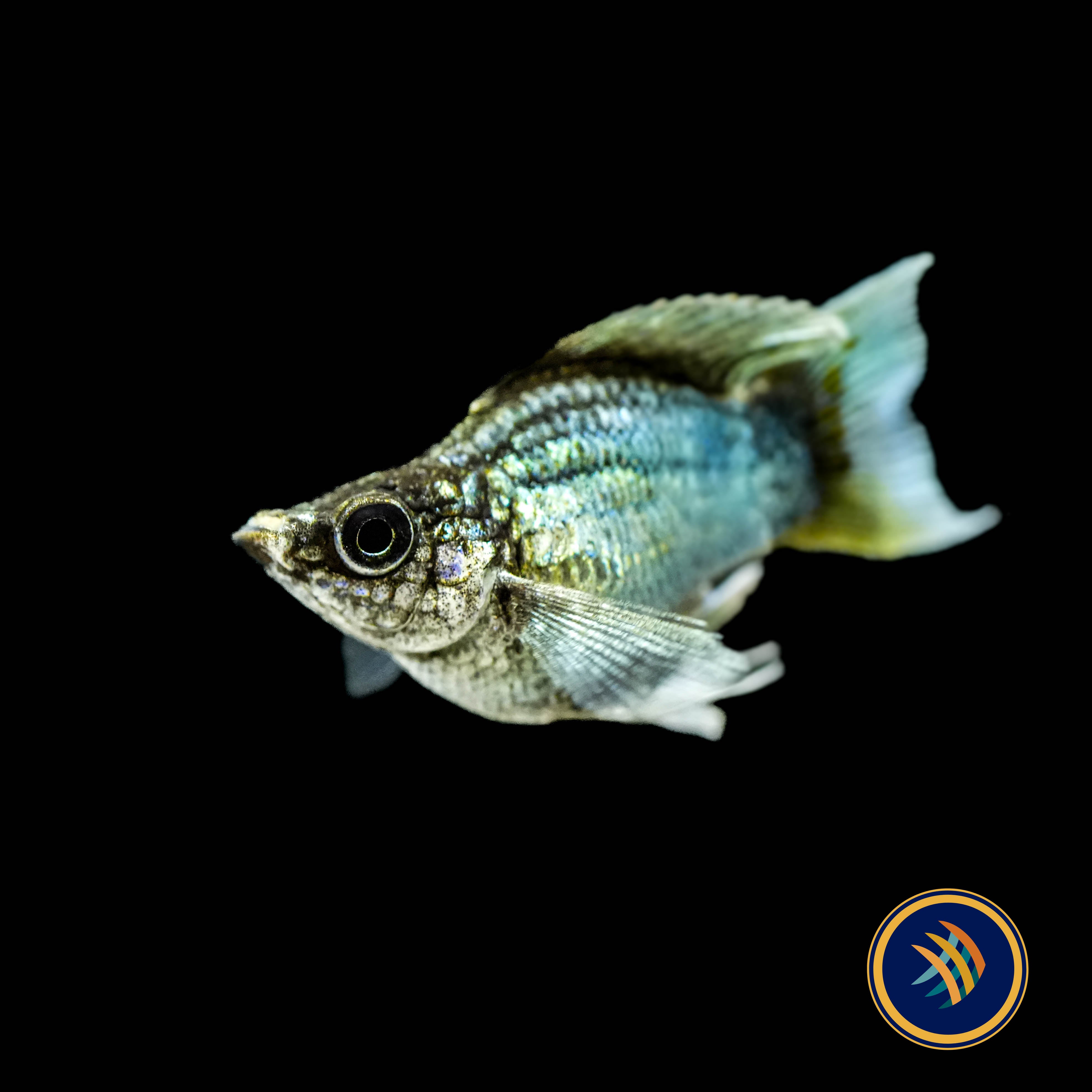
Credit: yourlocalfishstore.com
Molly Varieties And Social Traits
Mollies are popular freshwater fish known for their peaceful nature. Different molly varieties show unique social behaviors.
Understanding these behaviors helps in creating a friendly tank environment for all fish.
Common Molly Types
There are many types of mollies, each with distinct colors and shapes. The main types include Sailfin, Dalmatian, Balloon, and Black Molly.
- Sailfin Molly:Known for its large dorsal fin and active swimming.
- Dalmatian Molly:Spotted pattern and calm behavior.
- Balloon Molly:Rounded body with gentle movements.
- Black Molly:Solid black color and very social.
Behavioral Differences
Each molly type shows different social traits. Some prefer groups, while others may be more independent.
| Variety | Social Behavior | Interaction Level |
|---|---|---|
| Sailfin Molly | Active and curious with other fish | High |
| Dalmatian Molly | Calm, prefers moderate group sizes | Medium |
| Balloon Molly | Less active, enjoys peaceful tankmates | Low |
| Black Molly | Very social, thrives in schools | High |

Credit: www.aquariumsource.com
Schooling Dynamics In Mollies
Mollies are small freshwater fish known for their social behavior. They often swim together in groups called schools.
Schooling helps mollies stay safe and find food. Different molly varieties show unique schooling habits.
Group Size Preferences
Mollies prefer to swim in groups of five or more. Larger groups make them feel safer from predators.
Some molly varieties like sailfin mollies may form bigger schools. Others prefer smaller groups for easier movement.
- Small groups (3-5 fish) for shy varieties
- Medium groups (6-10 fish) for common mollies
- Large groups (10+ fish) for active varieties like sailfin
Interaction Patterns
Mollies communicate by swimming close and matching each other’s speed. This keeps the group united.
They often follow a leader fish and change direction together. Friendly nudges help keep the group organized.
- Close swimming to avoid danger
- Speed matching for group harmony
- Following a leader fish during movement
- Light nudges to keep group order
Influence Of Environment On Schooling
Schooling behavior in molly fish varies by variety and environment. The way they group together depends on their surroundings.
Understanding how the environment affects schooling helps create a better tank setup for these fish.
Tank Setup Effects
The tank size and layout influence how molly fish school. Larger tanks allow more space for swimming together.
- Open swimming space encourages tight schools
- Plants and decorations create hiding spots
- Too many obstacles can break up groups
- Varieties with different sizes may school less
Water Conditions Impact
Water quality and temperature also affect molly schooling. They prefer stable, clean water for healthy group behavior.
| Condition | Effect on Schooling |
| Temperature (24-28°C) | Promotes active and close schooling |
| pH Level (7.0-8.5) | Supports normal behavior and grouping |
| Water Hardness | Hard water favors molly activity |
| Dirty Water | Reduces schooling and causes stress |
Compatibility With Other Fish
Molly fish come in different varieties, and their behavior affects how well they get along with other fish. Knowing their compatibility helps create a peaceful aquarium.
This guide looks at peaceful and aggressive behaviors and how to group different species with mollies.
Peaceful Vs. Aggressive Behaviors
Most molly varieties are peaceful but can show aggression during breeding or if stressed. Males may chase each other or nip fins.
- Peaceful mollies get along with small, non-aggressive fish.
- Aggressive actions usually happen between male mollies.
- Providing hiding spots reduces stress and fights.
- Female mollies are less aggressive than males.
Mixed Species Grouping
| Fish Type | Compatibility Level | Notes |
|---|---|---|
| Tetras | High | Small, peaceful; good tank mates |
| Guppies | High | Similar size and temperament |
| Cichlids | Low | Can be aggressive; avoid with mollies |
| Platies | High | Peaceful and social, good companions |
| Angelfish | Medium | May nip fins; watch closely |
Breeding And Social Behavior
Molly fish show unique breeding and social habits. These behaviors change by their variety. Understanding these helps in caring for them.
Breeding involves specific rituals. Social behavior includes how they interact in groups. Both are important for healthy fish.
Mating Rituals
Molly fish use several actions to attract mates. Males swim around females with bright colors. They perform quick movements to catch attention.
- Males display fins to show strength
- Chasing happens to test interest
- Colors become more vivid during courtship
- Frequent swimming near females occurs
Parental Care Tendencies
Different molly varieties show varied parental care. Most give little care after birth. Young fish are left to find food and shelter alone.
| Variety | Parental Care Level | Notes |
| Common Molly | Low | Adults do not protect fry |
| Dalmatian Molly | Very Low | Fry fend for themselves immediately |
| Black Molly | Moderate | Sometimes adults tolerate young nearby |
| Balloon Molly | Low | Parents avoid fry after birth |
Enhancing Social Traits In Mollies
Mollies are popular fish known for their social nature. Enhancing their social traits can lead to a more vibrant aquarium environment. By focusing on their needs, you can improve their behavior.
Two key areas to consider are feeding strategies and stimulating activity. Addressing these can help mollies interact better with other fish.
Feeding Strategies
Feeding mollies with a diverse diet helps in improving their social interactions. Proper nutrition is essential for their health and vitality.
- Include a mix of flake food and live food.
- Offer vegetables like spinach or peas.
- Ensure feeding times are consistent.
Stimulating Activity
Engaging mollies with stimulating activities can boost their social traits. They thrive in environments where they can explore and interact.
| Activity | Benefit |
| Adding plants | Provides hiding spots |
| Using mirrors | Encourages playful behavior |
| Offering toys | Stimulates curiosity |
Common Social Challenges
Molly fish are popular aquarium pets. They are known for their vibrant colors and active nature. Understanding their social behavior is important for their well-being.
Different varieties of molly fish can show different behaviors. Knowing these can help solve social challenges in the tank. Here, we explore some common issues.
Aggression Issues
Some molly fish can be aggressive. They may chase or nip at other fish. This often happens if they feel their space is crowded.
To reduce aggression, provide plenty of space. Add plants and decorations for hiding spots. Keep the right number of fish in the tank.
- More plants can help reduce aggression
- Less crowding leads to calmer fish
- Separate aggressive fish if needed
Stress Indicators
Stress in molly fish can lead to health problems. Stressed fish may lose color or hide often. They might also stop eating.
Check for signs of stress regularly. Ensure water quality is good and stable. Offer a balanced diet and keep their environment peaceful.
| Stress Sign | Solution |
| Color Loss | Check water quality |
| Hiding | Add more hiding spots |
| Not Eating | Offer varied diet |

Credit: roxyaquarium.com.au
Frequently Asked Questions
What Is Molly Schooling Behavior?
Molly schooling behavior is how these fish swim together in groups. They prefer tight formations for protection and social interaction. Schooling reduces stress and increases safety against predators. Different molly varieties may show slight variations in how tightly they school.
How Do Molly Varieties Differ In Schooling?
Black mollies often school tightly, while sailfin mollies may form looser groups. Variations in size and temperament influence schooling patterns. Environmental factors like tank size also affect how different molly types school. Understanding these differences helps create a harmonious aquarium.
Why Is Schooling Important For Mollies?
Schooling provides safety in numbers, reducing individual risk from predators. It also enhances social bonding and improves feeding efficiency. Mollies feel more secure and less stressed when schooling. This behavior is vital for their overall health and well-being.
Can Mollies School With Other Fish Species?
Yes, mollies can school with peaceful fish of similar size. Compatibility depends on temperament and water conditions. Avoid aggressive or much larger fish to prevent stress. Proper tank mates improve schooling behavior and aquarium harmony.
Conclusion
Molly fish show different schooling styles by variety. Some like tight groups, others swim loosely. These behaviors help them feel safe and find food. Knowing each variety’s habits makes care easier. Watch how your mollies move and interact daily. This helps keep them happy and healthy.
Each variety brings its own charm to your tank. Enjoy observing their unique schooling ways. It makes fishkeeping more fun and rewarding.