
Are you worried about your molly fish getting sick from parasites? Parasites can harm your molly’s health, making them lose color, become inactive, or even worse.
But don’t panic—there are simple steps you can take right now to keep your molly safe and healthy. You’ll discover easy and effective parasite prevention tips that anyone can follow. Keep reading to protect your molly and enjoy a vibrant, happy aquarium!
Identifying Molly Parasites
Molly fish are popular pets, but they can get parasites. Parasites harm fish and make them sick. Knowing how to spot parasites helps keep mollies healthy.
Parasites live on or inside the fish. They cause different signs you can see or feel. This guide explains common parasites and signs of infestation.
Common Parasites In Molly Fish
Molly fish get several types of parasites. Some live on the skin or fins. Others live inside the fish’s body. Each parasite causes different problems.
- Ich (Ichthyophthirius):White spots on skin and fins.
- Flukes:Tiny flatworms on gills or skin.
- Anchor Worms:Worms attached to skin, cause wounds.
- Velvet Disease:Gold or rusty dust on body.
- Internal Worms:Live inside fish, cause weight loss.
Signs Of Parasite Infestation
Parasite infestations show many signs. Some signs are easy to see. Others may need closer observation. Watch your mollies often for these clues.
- White or gold spots on skin or fins
- Scratching or rubbing against objects
- Clamped fins or torn fin edges
- Fast or labored breathing
- Loss of appetite or weight
- Red or inflamed skin areas
- Visible worms or spots on gills
- Lethargy and hiding more than usual

Credit: www.aquariumsource.com
Maintaining Water Quality
Good water quality is important to keep mollies healthy. Clean water stops parasites from growing.
Check your water often and fix problems quickly. This helps your fish live longer and feel better.
Ideal Water Parameters
Mollies need stable water conditions. Keep the temperature, pH, and hardness in the right range.
- Temperature: 72°F to 78°F (22°C to 26°C)
- pH level: 7.5 to 8.5
- Water hardness: 10 to 25 dGH
Test your water weekly. Adjust as needed to avoid stress and disease.
Regular Water Changes
Change water often to remove waste and toxins. This lowers parasite risks for mollies.
Replace 20% to 30% of the tank water each week. Use dechlorinated water at the same temperature.
- Remove uneaten food and debris before water changes
- Use a gravel vacuum to clean the bottom
- Refill with fresh, clean water
Filtration And Aeration Tips
Good filtration keeps water clear and safe. It removes harmful substances and helps beneficial bacteria grow.
Aeration adds oxygen to water. Fish need oxygen to stay healthy and resist parasites.
- Choose a filter with mechanical and biological filtration
- Clean the filter monthly, but do not remove all bacteria
- Add an air stone or bubbler for extra oxygen
- Keep the water surface moving to improve gas exchange
Quarantine Procedures
Quarantine is important to keep your molly fish safe. It stops diseases from spreading in your main tank.
New fish or plants need to stay separate before adding them to your aquarium. This helps catch any problems early.
Setting Up A Quarantine Tank
Choose a small tank for quarantine. It should be easy to clean and maintain.
Use a filter and heater to keep water clean and at the right temperature. Add hiding spots to reduce stress for fish.
- Use clean, dechlorinated water
- Keep the tank away from main aquarium
- Maintain stable temperature suitable for mollies
- Add a sponge filter for gentle water flow
- Provide plants or decorations for hiding
Duration And Monitoring
Keep molly fish in quarantine for at least two weeks. This time lets you watch for signs of disease.
Check fish daily for unusual behavior or spots. Test water quality often to keep conditions safe.
- Look for changes in swimming or eating habits
- Watch for white spots, redness, or swelling
- Test water for ammonia, nitrites, and nitrates
- Do regular water changes to keep water clean
Feeding Practices
Proper feeding helps prevent molly parasite infections. Good food supports fish health and immunity.
Following safe feeding habits lowers the risk of parasites in your molly fish.
Balanced Diet For Immune Support
A balanced diet strengthens molly fish immune systems. Strong immune systems fight parasites better.
Include varied foods like flakes, pellets, and live or frozen foods. This variety gives essential nutrients.
- High-quality fish flakes or pellets provide vitamins and minerals
- Live or frozen brine shrimp and daphnia add protein
- Vegetables like blanched spinach or peas supply fiber
Avoiding Contaminated Food
Contaminated food can carry parasites and bacteria to your molly fish. Avoid using unsafe or spoiled foods.
Always check food freshness and store food properly. Use clean containers to keep food safe.
- Buy food from trusted suppliers
- Do not feed moldy or expired items
- Rinse live foods like plants or insects before feeding
- Freeze live foods to kill parasites before offering
Preventive Treatments
Molly parasites can harm pets and humans. Prevention helps keep them safe and healthy.
Using preventive treatments regularly reduces the risk of infection and spread.
Common Medications
Many medications prevent molly parasites effectively. They come in pills, sprays, or drops.
- Antiparasitic tablets remove worms and parasites from the body.
- Topical treatments kill parasites on the skin and fur.
- Injections offer long-lasting protection in some cases.
- Regular dosing is important to maintain protection.
Natural Remedies
Some people use natural remedies to reduce parasite risks. These help support health but may not replace medicines.
| Remedy | Effect |
| Garlic | Repels parasites and boosts immunity |
| Apple Cider Vinegar | Creates an acidic body environment |
| Neem Oil | Kills parasites on skin and coat |
| Pumpkin Seeds | Helps expel intestinal worms |
Tank Hygiene And Maintenance
Keeping your tank clean is essential for the health of your mollies. Regular maintenance prevents parasites and keeps the water quality high.
Let’s explore some effective cleaning techniques and equipment sterilization methods to maintain a healthy environment for your fish.
Cleaning Techniques
Cleaning your tank involves several steps to ensure all harmful elements are removed.
- Remove 25% of the water weekly to keep it fresh.
- Use a gravel vacuum to clean the substrate.
- Wipe the tank glass with an algae scraper.
Equipment Sterilization
Sterilizing your equipment is crucial to eliminate bacteria and parasites.
- Disassemble all equipment like filters and heaters.
- Soak parts in a diluted bleach solution for 10 minutes.
- Rinse thoroughly with clean water to remove bleach.
- Air-dry the equipment completely before reassembling.
| Equipment | Cleaning Frequency |
| Filter | Every month |
| Heater | Every three months |
| Gravel | Every two weeks |
Stress Reduction Strategies
Keeping your molly fish stress-free is essential for their health. Stress can weaken their immune system and make them more prone to parasites.
Implementing stress reduction strategies can greatly improve their well-being. These strategies focus on creating a harmonious environment for your fish.
Proper Tank Mates
Mollies are social creatures and thrive with the right companions. Choosing proper tank mates can reduce stress and aggression.
- Guppies make good companions due to their similar size and temperament.
- Platies are peaceful and blend well with mollies.
- Neon tetras are colorful and non-aggressive.
Environmental Enrichment
A stimulating environment helps mollies stay active and stress-free. It mimics their natural habitat and keeps them engaged.
| Enrichment Item | Purpose |
| Plants | Provide hiding spots and oxygen |
| Rocks | Create exploration areas |
| Floating Toys | Encourage playful behavior |
Regularly changing the tank setup can also add variety and interest for your mollies. Ensure any additions are safe and non-toxic.
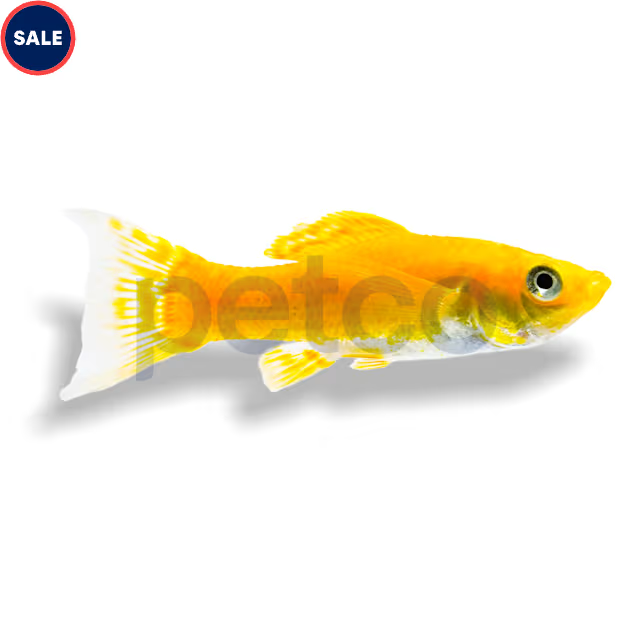
Credit: www.petco.com
Regular Health Monitoring
Keeping your molly fish healthy needs regular health checks. Watching them closely helps spot problems early. This keeps parasites away and your fish happy.
Simple routines help catch signs of illness or stress fast. Regular care is key to parasite prevention and good fish health.
Routine Inspections
Check your molly fish at least once a week. Look for changes in their scales, fins, and eyes. Healthy fish have smooth scales and clear eyes.
- Inspect fins for tears or spots
- Look for white spots or unusual marks
- Check if scales are raised or missing
- Observe for any swelling or redness
- Monitor water quality for clarity and smell
Behavioral Changes To Watch
Behavior changes can signal health issues. Watch if your molly acts differently than usual. Changes in swimming, eating, or hiding are signs to note.
| Behavior | Possible Cause |
| Loss of appetite | Parasite infection or stress |
| Erratic swimming | Internal parasites or illness |
| Hiding more than usual | Stress or poor water conditions |
| Gasping at surface | Low oxygen or gill parasites |
| Clamped fins | Discomfort or infection |
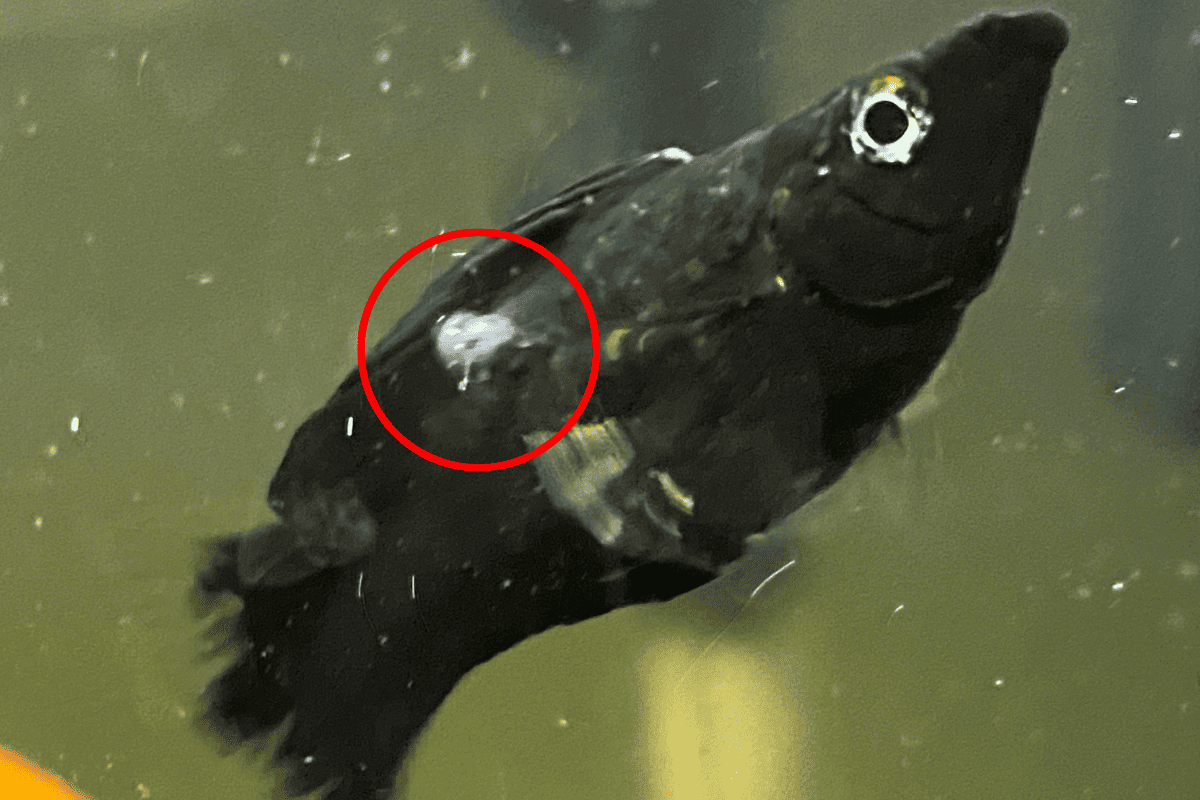
Credit: petfishonline.com
Frequently Asked Questions
How Can I Prevent Parasites In My Molly Fish?
Regular water changes and tank cleaning help prevent parasites. Avoid overcrowding and quarantine new fish before introduction. Use parasite-specific treatments as needed and maintain stable water conditions.
What Are Common Signs Of Parasites In Molly Fish?
Look for scratching, lethargy, and white spots on fins or body. Loss of appetite and rapid breathing also indicate parasite infections.
Which Treatments Work Best For Molly Parasite Prevention?
Medications like copper-based treatments, praziquantel, and formalin are effective. Follow dosage instructions carefully and isolate infected fish to prevent spread.
How Often Should I Clean My Molly Fish Tank?
Clean your tank at least once a week. Regular partial water changes and substrate vacuuming reduce parasite risks and maintain water quality.
Conclusion
Protecting your molly fish from parasites takes regular care and attention. Keep their tank clean and water fresh. Watch for any signs of illness or unusual behavior. Feed them balanced food and avoid overcrowding the tank. Quarantine new fish before adding them to the main tank.
These small steps help keep your mollies healthy and happy. A healthy fish is less likely to get parasites. Stay consistent with these tips for the best results. Your mollies will thrive in a safe, clean environment. Simple habits make a big difference.