
Are you curious about why your Molly fish’s colors sometimes look dull and other times shine brilliantly? Understanding Molly male color intensity can transform how you care for your fish and boost their natural beauty.
This guide will help you unlock the secrets behind their vibrant hues, so you can make your aquarium the envy of every fish lover. Ready to discover what affects your Molly’s color and how to bring out their brightest shades?
Keep reading—you’re about to become an expert in making your fish truly stand out.
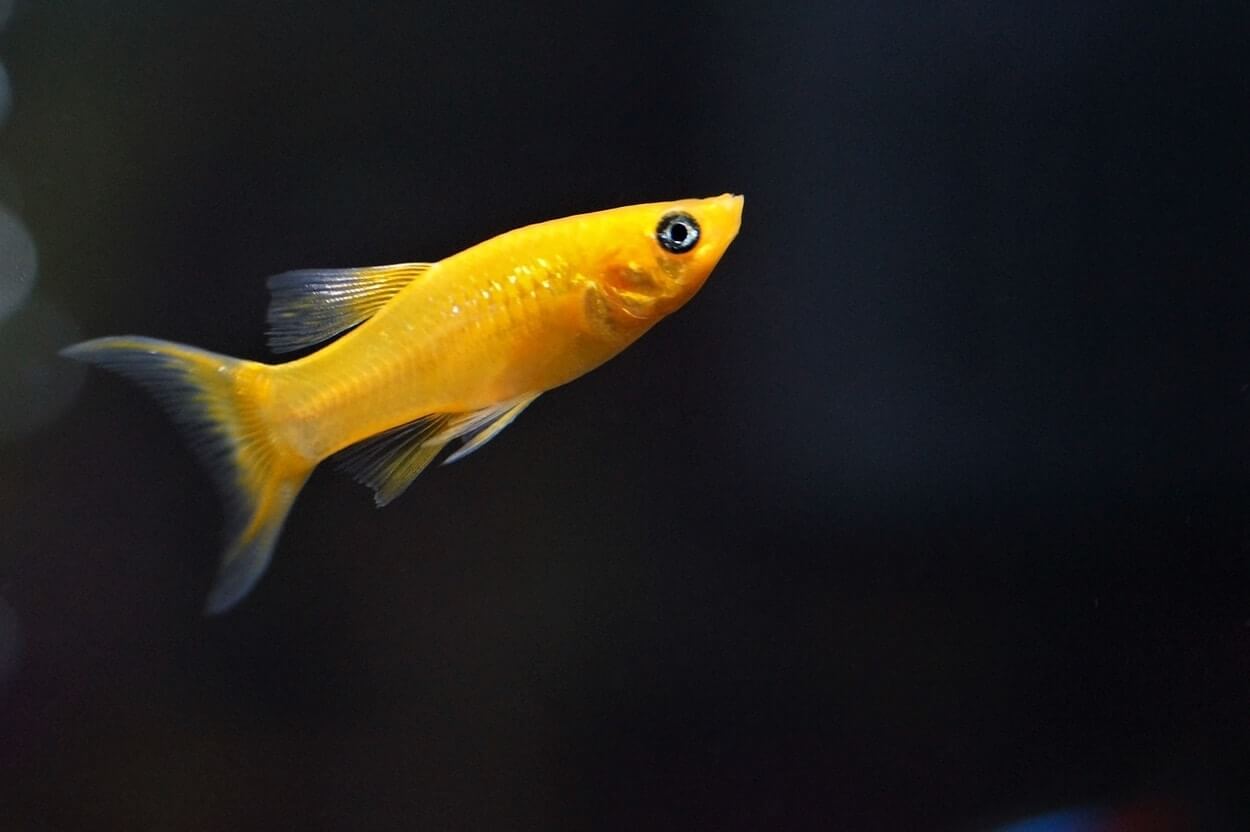
Credit: www.aquariumsource.com
Molly Male Color Basics
Molly males show many colors, from dull to bright shades. Their color changes depend on different factors.
Understanding these basics helps you know why their colors vary so much. This guide explains the key points.
Natural Color Variations
Molly males come in many natural colors. These colors range from silver to black and include orange, blue, and green tones.
- Silver and gray shades are common in wild types.
- Black tones appear in some strains.
- Orange and gold colors show in certain males.
- Blue and green colors can be bright or dull.
Genetics And Color Expression
Genes control how colors show in molly males. Some genes make colors stronger, while others can hide them.
| Gene Type | Effect on Color |
| Dominant Color Genes | Show bright and clear colors |
| Recessive Color Genes | May hide or soften colors |
| Modifier Genes | Change shade or intensity |
| Sex-linked Genes | Affect color mostly in males |
Factors Affecting Color Intensity
The color intensity of Molly male fish depends on several key factors. These factors help the fish show their brightest colors.
Understanding these factors can help you keep your Molly males vibrant and healthy.
Water Quality And Temperature
Clean water helps Molly males keep their colors strong. Dirty or polluted water makes colors fade.
The right water temperature boosts color intensity. Molly males prefer water between 72°F and 78°F.
- Regular water changes keep water clean.
- Test water for ammonia, nitrites, and nitrates.
- Maintain stable temperature within the ideal range.
Diet And Nutrition
A balanced diet improves the brightness of Molly males’ colors. Foods rich in carotenoids help enhance red and orange tones.
Feed your fish quality flakes, pellets, and fresh vegetables to support color growth.
- Include foods with natural pigments like spirulina and shrimp.
- Offer fresh spinach, peas, or zucchini regularly.
- Feed small amounts multiple times a day.
Lighting Conditions
Proper lighting helps Molly males show their best colors. Use aquarium lights that mimic natural daylight.
Too much or too little light can dull their colors. Keep lights on for 8 to 12 hours daily.
- Use full-spectrum LED lights for natural color display.
- Avoid direct sunlight to prevent algae growth.
- Set a timer for consistent light cycles.
Enhancing Vibrant Hues
Molly males show their best colors when cared for properly. Bright colors make your tank lively and beautiful.
Good care means feeding well, setting up the tank right, and reducing stress. These help molly males shine.
Optimal Feeding Practices
Feed molly males a balanced diet with nutrients that boost their color. Use high-quality flakes or pellets made for tropical fish.
Include live or frozen foods like brine shrimp or bloodworms. These add protein and help color brightness.
- Feed small amounts two times a day
- Remove leftover food to keep water clean
- Offer variety to ensure good nutrition
Tank Environment Setup
Choose a tank with enough space for molly males to swim freely. A crowded tank can dull their colors.
Use plants and decorations to create hiding places. Soft lighting helps show off their bright colors well.
- Keep water temperature between 72°F and 78°F
- Maintain pH around 7.5 to 8.5 for best color
- Change 25% of water weekly to keep it fresh
Stress Reduction Techniques
Stress causes molly males to lose their color. Keep the tank calm and stable to avoid this.
Limit sudden changes in water and avoid aggressive tank mates. Gentle handling helps reduce fear and stress.
- Use a gentle filter to avoid strong currents
- Keep noise and vibrations low near the tank
- Provide hiding spots to make fish feel safe

Credit: aquariumstoredepot.com
Common Color Issues
Colors in Molly Male can change for several reasons. Some changes happen naturally over time. Others may signal a problem with care or health.
Understanding common color issues helps you keep Molly Male looking its best. Here are some key points about fading, dullness, and health-related changes.
Fading Colors
Fading is the loss of bright or deep color in Molly Male. Sunlight and washing can cause colors to fade. Over time, this makes the colors look washed out or pale.
Fading often happens with these conditions:
- Too much direct sunlight exposure
- Frequent washing with harsh detergents
- Using hot water during cleaning
- Exposure to chemicals or smoke
Color Dullness Causes
Dull colors lack brightness and shine. This can make Molly Male look tired or old. Dirt and dust buildup is a common cause of dullness.
| Cause | Effect on Color |
| Dirt and dust | Coats surface, reduces shine |
| Oils and sweat | Makes colors look greasy and flat |
| Poor cleaning | Leaves residue, dulls colors |
| Lack of care products | Colors lose vibrancy over time |
Health-related Color Changes
Sometimes color changes show health issues. Molly Male can reflect its condition through its color. Watch for sudden or unusual color shifts.
Signs to watch:
- Patchy color loss or spots
- Color turning gray or very pale
- Uneven or blotchy color patterns
- Changes after illness or stress
These signs may mean Molly Male needs a health check. Early care can help restore its color and health.
Selective Breeding Tips
Selective breeding helps improve the color intensity of Molly males. By choosing the right fish and caring for their offspring, you can get brighter and stronger colors.
This guide shows how to pick parents, breed for color traits, and raise colorful fry successfully.
Choosing Parent Fish
Select healthy Molly males with the brightest colors as parents. Look for rich reds, deep blacks, or vibrant oranges.
Choose females that have good body shape and clear fins. Strong genetics help pass color traits to their babies.
- Pick males with intense, even colors
- Avoid fish with dull or patchy coloring
- Choose healthy females with smooth fins
- Check for active and disease-free fish
Breeding For Color Traits
Breed only fish that show strong color traits. This increases the chance of producing colorful offspring.
Keep breeding pairs separate to control which colors mix. This helps keep your color lines pure.
- Use pairs with the strongest color intensity
- Record which fish produce the best colors
- Separate breeding tanks to avoid mixing
- Repeat breeding with top performers
Raising Colorful Fry
Feed fry high-quality food to help their colors grow bright. Use small, frequent meals for best results.
Keep water clean and stable. Stress can dull young fish colors and slow their growth.
- Feed color-enhancing fry food
- Keep water temperature steady
- Change water regularly to prevent waste build-up
- Handle fry gently to reduce stress
Credit: www.ratemyfishtank.com
Maintenance For Long-lasting Color
Keeping Molly Male fish vibrant requires regular care. Proper maintenance ensures their colors remain bright.
Focus on key areas to maintain color intensity. Healthy habits lead to beautiful, long-lasting results.
Regular Water Changes
Clean water is crucial for maintaining vibrant colors in Molly Males. It reduces stress and promotes health.
For best results, follow this water change schedule:
- Change 25% of the water weekly.
- Use a water conditioner to remove chlorine.
- Check water temperature and pH regularly.
Disease Prevention
Preventing disease is key to keeping Molly Male colors bright. Healthy fish display more vivid colors.
- Quarantine new fish before adding them to the tank.
- Feed a balanced diet to boost immune systems.
- Remove uneaten food to prevent bacteria growth.
Consistent Feeding Schedule
Feeding your Molly Males on a consistent schedule supports their health. It helps maintain their color intensity.
| Time | Food Type |
| Morning | Flake Food |
| Evening | Frozen Brine Shrimp |
Frequently Asked Questions
What Affects Molly Male Color Intensity The Most?
Molly male color intensity depends on genetics, diet, and water quality. A balanced diet rich in carotenoids enhances vibrant colors. Clean, well-maintained water with optimal pH also boosts color vibrancy naturally.
How Can Diet Improve Molly Male Color Intensity?
Feeding Mollys foods high in beta-carotene, spirulina, and shrimp flakes enhances their natural coloration. Regular feeding of color-boosting foods strengthens pigmentation and keeps males looking bright and healthy over time.
Does Tank Environment Influence Molly Male Color Intensity?
Yes, tank environment impacts color intensity. Proper lighting, clean water, and stable temperature reduce stress and encourage vivid coloration. A well-planted tank also simulates a natural habitat, helping males display stronger colors.
How To Identify The Healthiest Color Intensity In Molly Males?
Healthy Molly males show bright, consistent, and saturated colors without dull patches. Fading or uneven coloration may signal stress, illness, or poor water conditions. Look for clear eyes and active behavior alongside vibrant color.
Conclusion
Understanding Molly male color intensity helps you choose healthy fish. Bright colors show good health and proper care. Dull colors might mean stress or illness. Watch your fish daily to spot any changes. Keep their tank clean and feed them well.
These simple steps keep colors vivid and fish happy. Enjoy the beauty of your Molly males by caring for them right. Small efforts make a big difference in their appearance. Color intensity tells a story—pay attention and act.