
Are you struggling to manage your Molly’s sudden aggressive behavior? It can be frustrating and even worrying when a usually calm fish starts showing signs of aggression.
But don’t worry—understanding why your Molly acts this way and knowing how to prevent it can make a huge difference. You’ll discover simple, effective steps to keep your Molly peaceful and your aquarium a happy place. Keep reading to learn how to stop aggression before it starts and enjoy a calm, thriving tank.
Causes Of Male Molly Aggression
Male Molly fish can show aggression for several reasons. Understanding these causes helps keep your fish healthy.
Aggression is normal but too much can stress your fish. Let’s look at common causes of male Molly aggression.
Territorial Behavior
Male Mollies often defend their space in the tank. They do this to protect their area from other males.
Territorial fights usually happen when the tank is too small or crowded. These fights help males claim spots.
- Small tanks increase territorial fights
- Clear boundaries reduce aggression
- Adding decorations helps break up space
Mating Competition
Male Mollies compete for the attention of females. This competition can cause them to act aggressively.
When many males are in one tank, they fight more to win mates. This is a natural behavior in Mollies.
- More males increase competition
- Enough females reduce fights
- Separate males if fights get too rough
Stress And Environment
Stress can make male Mollies more aggressive. Poor water quality and sudden changes cause stress.
A calm environment with clean water helps reduce aggression. Keep the tank stable and quiet for best results.
- Check water temperature and pH regularly
- Avoid overcrowding the tank
- Provide hiding spots to reduce stress

Credit: roxyaquarium.com.au
Identifying Aggressive Behavior
Aggressive behavior in dogs can cause safety risks for both pets and people. Recognizing early signs helps prevent problems.
Understanding what triggers aggression lets owners manage their dog better. This guide covers signs and triggers of aggression in Molly.
Signs Of Aggression
Look for these common signs to spot if Molly shows aggression. Early detection helps stop it from getting worse.
- Growling or snarling sounds
- Baring teeth or snapping
- Stiff body posture
- Raised hackles (hair on back stands up)
- Direct, hard staring
- Snapping or biting attempts
- Excessive barking or lunging
Behavioral Triggers
Certain situations or feelings can trigger Molly’s aggressive actions. Knowing these triggers helps avoid conflict.
| Trigger | Description |
| Fear | Molly feels scared or threatened by people or other animals. |
| Territory | Protecting home, yard, or favorite spots. |
| Resource Guarding | Defending food, toys, or resting places. |
| Pain | Discomfort from injury or illness causes irritability. |
| Frustration | Being unable to reach something or get attention. |
| Protectiveness | Guarding family members or puppies. |
Ideal Tank Setup
Molly fish can show aggression, especially males. A good tank setup helps reduce this behavior.
Providing enough space and hiding areas keeps the fish calm and healthy.
Tank Size And Space
A large tank gives Molly males room to swim and avoid fights. Small tanks increase stress and aggression.
At least 20 gallons is best for a few Mollys. Bigger tanks work better if you have many males.
- Minimum 20 gallons for 3-5 Molly males
- Provide open swimming areas
- Keep enough space between fish
Hiding Spots And Plants
Hiding spots help reduce fights among males. They let fish escape and hide when needed.
Use live or fake plants and decorations to create cover. Dense plants also make the tank look natural.
- Include tall plants like Java fern or Amazon sword
- Add caves or rock formations
- Arrange plants to break line of sight
Water Conditions
Stable water conditions keep Mollys healthy and less aggressive. Sudden changes cause stress.
Keep water clean and well-filtered. Maintain the right temperature and pH for Mollies.
- Temperature: 72-78°F (22-26°C)
- pH level: 7.5 to 8.5
- Regular water changes: 25% weekly
- Good filtration and aeration
Managing Male Molly Ratios
Male molly rats can be aggressive if kept in the wrong numbers. It is important to manage their ratios with females carefully. This helps keep peace in your rat colony.
Understanding the right male to female ratio and avoiding overcrowding are key steps. These steps reduce fights and stress among your molly rats.
Optimal Male To Female Ratio
The best ratio is one male to two or three females. This balance lowers male competition and aggression. Females also help calm males.
- One male for every two or three females
- More females reduce fighting among males
- Too many males cause stress and injury
- Separate males if aggression starts
Avoiding Overcrowding
Overcrowding makes male molly rats aggressive. Rats need space to live comfortably and avoid fights. A crowded cage causes stress and health problems.
| Number of Rats | Recommended Cage Size (sq ft) |
| 2 to 3 | 4 |
| 4 to 5 | 6 |
| 6 or more | 8+ |
Feeding And Nutrition
Feeding your molly fish a balanced diet is key to preventing aggression. Proper nutrition keeps them healthy and happy.
Understanding their dietary needs helps in planning meals that nurture their growth and behavior.
Balanced Diet
Molly fish require a mix of proteins, vegetables, and fibers. This combination supports their overall well-being.
- Include high-quality fish flakes
- Offer boiled vegetables like peas
- Provide occasional live or frozen foods
Feeding Frequency
Feeding frequency affects the mood and health of molly fish. Regular meals help maintain their energy and reduce stress.
Ensure you feed your molly fish twice a day. Avoid overfeeding to prevent water pollution and health issues.
| Meal Type | Frequency |
| Fish Flakes | Twice daily |
| Vegetables | Every other day |
| Live/Frozen Foods | Once a week |

Credit: www.cheapplantedaquarium.com
Behavioral Interventions
Molly fish males can show aggression toward each other. This behavior can cause stress and injury. Behavioral interventions help reduce fights and keep the tank peaceful.
These methods focus on changing how the fish act. They include managing space and introducing new fish carefully.
Separating Aggressive Males
Aggressive male molly fish should be separated to prevent harm. Use a divider or a separate tank to keep them apart.
Separate males stop chasing and fighting. This gives each fish space to calm down and feel safe.
- Use clear tank dividers to see both sides
- Keep aggressive males in separate tanks if needed
- Provide hiding spots to reduce stress
Introducing New Fish Carefully
Adding new molly fish requires care. Introduce them slowly to avoid triggering aggression from males.
Use a quarantine tank first. Let the new fish get used to the tank’s water and environment.
- Float the new fish in a bag inside the tank for 15-30 minutes
- Use a tank divider to separate new fish at first
- Watch how males react before full introduction
Using Tank Mates To Reduce Aggression
Molly fish can sometimes be aggressive. Choosing the right tank mates helps reduce this behavior. A peaceful community tank can make a big difference.
Tank mates that are calm and friendly improve the environment. They help keep the aggression levels low. This makes the tank a better place for all fish.
Compatible Species
Some fish species live well with mollies. They do not provoke aggression and get along nicely. It is important to choose the right species for your community tank.
- Guppies are small and peaceful
- Platies are friendly and easygoing
- Neon Tetras are calm and colorful
- Corydoras Catfish are gentle bottom dwellers
Benefits Of Community Tanks
Community tanks offer many benefits. They create a harmonious environment for fish. This reduces stress and aggression.
A balanced community tank promotes healthy behavior. Fish can interact positively. This leads to a more enjoyable tank for both fish and owners.
- Reduces stress for all fish
- Encourages natural behavior
- Improves the visual appeal of the tank
- Enhances the overall health of fish
Monitoring And Long-term Care
Managing Molly’s male aggression needs ongoing attention. Caregivers must watch behavior closely to spot changes early.
Long-term care helps keep Molly calm and safe. This involves understanding triggers and adjusting care routines.
Regular Observation
Daily observation helps track Molly’s mood and reactions. Note any signs of stress or aggression to act quickly.
- Watch for changes in body language
- Record incidents of aggression or irritability
- Check interaction with other dogs and people
- Keep a daily journal for patterns
- Share observations with a vet or trainer
Adjusting Environment As Needed
Changing Molly’s surroundings can reduce triggers. Small shifts often make a big difference in behavior.
| Environmental Factor | Adjustment |
| Noise Levels | Use white noise machines or quiet rooms |
| Space | Provide separate areas for rest and play |
| Social Interaction | Limit contact with unknown dogs or strangers |
| Routine | Keep feeding and walking times consistent |
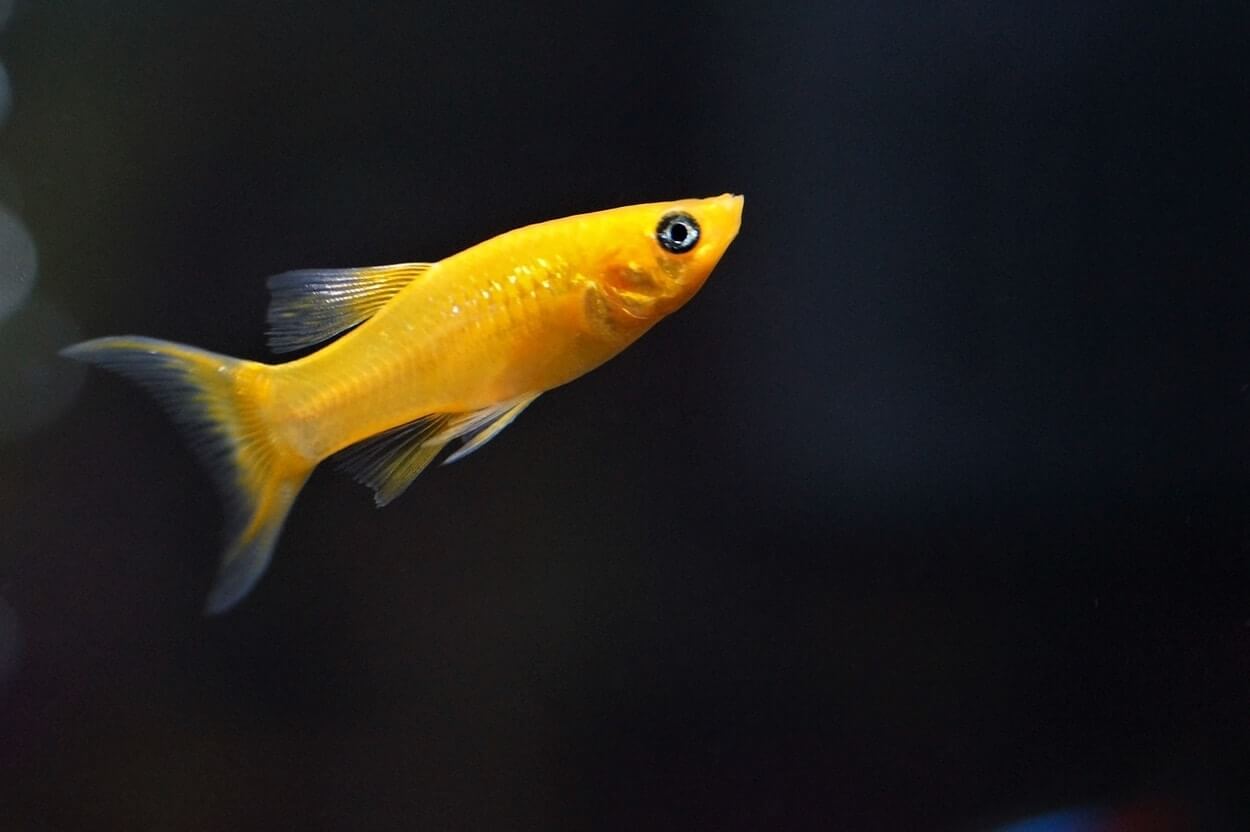
Credit: www.aquariumsource.com
Frequently Asked Questions
What Causes Male Molly Aggression In Fish?
Male Molly aggression often arises from territorial disputes, mating competition, or overcrowded tanks. Stress and poor water quality can also increase aggressive behavior.
How Can I Prevent Aggression In Male Molly Fish?
Provide ample space, maintain good water quality, and add hiding spots. Keep a balanced male-to-female ratio to reduce competition and aggression.
Does Tank Size Affect Male Molly Aggression?
Yes, small tanks increase territorial behavior and stress. Larger tanks with ample swimming space help minimize aggressive encounters among male Mollies.
Can Diet Influence Aggression In Male Molly Fish?
A nutritious and balanced diet supports health and reduces stress, indirectly lowering aggression. Avoid overfeeding, which can cause water quality issues and aggression.
Conclusion
Preventing male molly aggression starts with understanding their behavior. Watch their body language and act quickly if signs appear. Provide enough space and hiding spots for each fish. Keep the tank clean and avoid overcrowding at all times. Feeding a balanced diet helps reduce stress and fights.
Regular monitoring keeps your molly community calm and healthy. Small changes make a big difference in peaceful fish tanks. Stay patient and consistent to enjoy peaceful molly fish care.