
Are you worried about your Molly fish not growing as expected? You’re not alone.
Many aquarium owners face the frustration of seeing their Mollies stay small or develop slowly. Understanding the causes behind Molly growth stunting can help you fix the problem before it affects your fish’s health. You’ll discover the key reasons why your Mollies might not be reaching their full size—and what you can do to encourage healthy growth.
Keep reading to make sure your fish thrive and brighten up your tank like never before.

Credit: keyhealthcare.com
Common Causes
Molly fish may stop growing well for many reasons. These reasons affect their health and size.
Understanding these causes helps keep your Molly fish healthy and growing.
Poor Water Quality
Water quality is very important for Molly fish growth. Dirty or polluted water harms their health.
Bad water can cause stress and disease, which slow their growth and make them weak.
- High ammonia and nitrite levels are toxic
- Incorrect pH affects fish metabolism
- Low oxygen levels reduce energy
- Dirty water spreads bacteria and parasites
Inadequate Nutrition
Proper food is needed for Molly fish to grow strong. Poor diet causes stunted growth.
Feeding low-quality or too little food stops them from getting enough nutrients.
- Missing vitamins and minerals affect bone and muscle growth
- Too much protein or fat can harm their health
- Feeding only one type of food limits nutrients
Overcrowding Effects
Keeping too many Molly fish in one tank causes overcrowding. This harms their growth.
Overcrowding causes stress, fights, and poor water conditions that block growth.
- Less space means less swimming and exercise
- More waste increases harmful chemicals in water
- Stress weakens immune systems
- Fighting leads to injuries and slow healing
Genetic Factors
Some Molly fish have genes that limit their size. Genetics can cause natural growth limits.
Breeding from small or sick parents may pass slow growth traits to offspring.
- Inbreeding reduces genetic diversity
- Weak genes affect body development
- Some fish types are naturally smaller
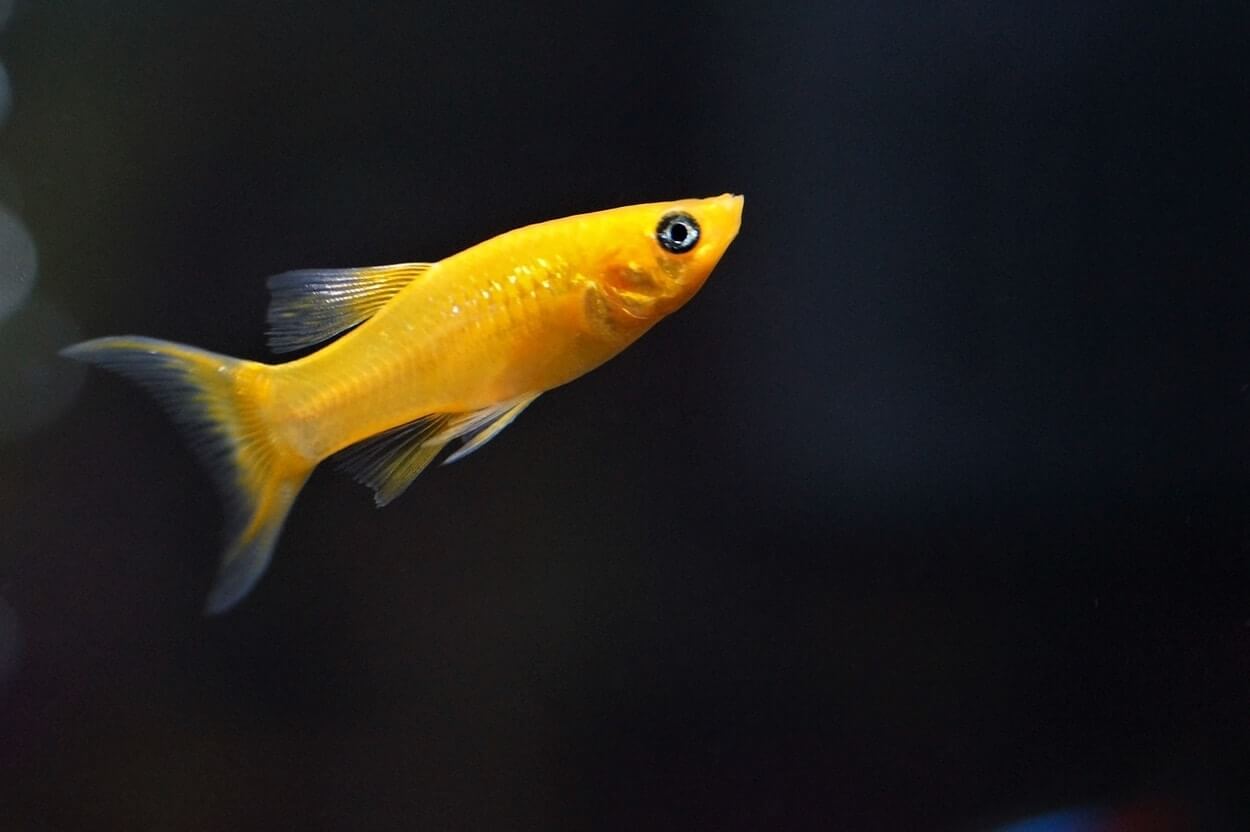
Credit: www.aquariumsource.com
Environmental Stressors
Environmental stressors greatly affect Molly fish growth. These factors can cause stunting and poor health. Understanding these stressors helps in better fish care.
Three main environmental stressors include temperature fluctuations, improper pH levels, and toxic substances. Each factor can harm Molly fish in unique ways.
Temperature Fluctuations
Mollies need stable water temperatures to grow well. Sudden changes can stress their bodies and slow growth. Ideal temperatures range from 72°F to 78°F (22°C to 26°C).
- Rapid cooling may cause shock and illness.
- Too warm water lowers oxygen levels.
- Constant changes disrupt feeding and metabolism.
Improper Ph Levels
Mollies thrive in slightly alkaline water with a pH from 7.5 to 8.5. Water outside this range can harm their health and stunt growth.
| pH Level | Effect on Mollies |
| Below 7.0 | Stress and weakened immune system |
| 7.5 to 8.5 | Optimal growth and health |
| Above 9.0 | Gill damage and poor feeding |
Toxic Substances
Many substances in the water can harm Mollies. These include chemicals, heavy metals, and waste products. Toxic substances reduce oxygen and damage fish organs.
Common toxic substances to avoid:
- Chlorine and chloramine from tap water
- Ammonia from fish waste
- Nitrites and nitrates from poor filtration
- Heavy metals like copper and lead
Health Issues
Growth stunting in mollies often results from health problems. These issues can slow their development and cause poor health.
Many health problems come from infections. They affect how mollies eat, swim, and grow.
Parasitic Infections
Parasitic infections are common in mollies. Parasites attach to their skin or inside their bodies.
These parasites take nutrients from mollies. This weakens the fish and stops normal growth.
- Ichthyophthirius (Ich) causes white spots and stress
- Gill flukes damage breathing and energy levels
- Internal worms absorb nutrients needed for growth
Bacterial Diseases
Bacterial infections cause damage to tissues and organs. This harm slows growth in mollies.
Common bacterial diseases result from poor water quality or injuries. They reduce appetite and energy.
- Fin rot causes fins to shrink and look ragged
- Columnaris creates sores and ulcers on the body
- Fish tuberculosis leads to chronic illness and weakness
Fungal Problems
Fungal infections grow on damaged skin or gills. They prevent mollies from absorbing nutrients well.
Fungi thrive in tanks with poor cleanliness. They cause slow healing and low energy levels.
- Saprolegnia appears as white cotton-like patches
- Fungal infections cause irritation and skin damage
- Severe cases can lead to death if untreated
Credit: www.tropicalfishkeeping.com
Breeding And Genetics
Genetics play a big role in molly growth stunting. Breeding choices affect fish health and size.
Poor breeding methods can cause weak offspring and slow growth. Understanding genetics helps prevent problems.
Inbreeding Consequences
Inbreeding happens when close relatives breed. It lowers genetic diversity and raises health risks.
- Weak immune system
- Physical deformities
- Lower fertility rates
- Slower growth and development
- Higher chance of disease
Selective Breeding Challenges
Selective breeding aims for certain traits but can cause problems. It needs careful planning and knowledge.
| Challenge | Effect on Mollies |
| Loss of genetic variety | More health issues |
| Unintended traits | Growth stunting |
| Breeding stress | Weaker offspring |
| Overemphasis on looks | Less strong fish |
Preventive Measures
Growth stunting in molly fish can cause serious health problems. Preventing it is important to keep your fish healthy and active.
Good care and attention to their environment help molly fish grow well and avoid stunting issues.
Maintaining Water Quality
Clean water is key for healthy molly fish growth. Dirty water stresses fish and slows their growth.
Test water regularly and keep parameters stable for best results.
- Change 25% of tank water weekly
- Keep pH between 7.0 and 8.0
- Maintain temperature around 75-80°F (24-27°C)
- Use a good filter to remove waste
Balanced Diet Tips
Feed molly fish a balanced diet to support their growth. Avoid overfeeding or underfeeding.
Include a variety of foods to provide all needed nutrients.
- Use high-quality flake or pellet food
- Add live or frozen foods like brine shrimp
- Include vegetable matter like blanched spinach
- Feed small amounts 2-3 times daily
Optimal Tank Conditions
Set up the tank with enough space and proper hiding spots. Overcrowding can stunt growth.
Stable conditions reduce stress and help molly fish thrive.
- Provide at least 10 gallons (38 liters) per 3-4 molly fish
- Keep tank plants for shelter and oxygen
- Use gentle water flow to avoid strong currents
- Monitor and control water hardness between 15-30 dGH
Signs Of Growth Stunting
Growth stunting is a condition where a child’s height falls below the normal range for their age. This can be caused by various factors, including malnutrition, disease, and environmental factors. Identifying the signs of growth stunting is crucial for providing timely treatment and intervention.
Physical Indicators
Children with growth stunting may exhibit physical signs such as:
- Short stature: Children with growth stunting are typically shorter than their peers.
- Delayed puberty: Boys may experience delayed puberty, including delayed voice changes and pubic hair growth.
- Head circumference: Children with growth stunting may have a smaller head circumference compared to their age group.
- Weight: Children with growth stunting may have a lower weight-for-height ratio.
Behavioral Changes
Children with growth stunting may also exhibit behavioral changes such as:
- Fatigue: Children with growth stunting may experience fatigue and lethargy.
- Irritability: Children with growth stunting may become irritable and restless.
- Decreased appetite: Children with growth stunting may have a decreased appetite or a preference for bland foods.
- Difficulty concentrating: Children with growth stunting may experience difficulty concentrating and paying attention.
Treatment Options
Molly growth stunting is a serious condition that requires prompt treatment to prevent long-term damage. The goal of treatment is to address the underlying causes of stunting and promote healthy growth and development.
Water Treatment Solutions
Access to clean drinking water is essential for healthy growth and development. In cases where water quality is poor, treatment options may include:
- Filtration systems to remove impurities and contaminants
- Disinfection methods to kill bacteria and viruses
- Water distillation to remove impurities and minerals
Medication For Infections
Infections can cause growth stunting in Molly, and medication may be necessary to treat the underlying infection. Common medications used to treat infections in Molly include:
| Medication | Description |
| Amoxicillin | Antibiotic used to treat bacterial infections |
| Ciprofloxacin | Antibiotic used to treat bacterial infections |
| Metronidazole | Antibiotic used to treat parasitic infections |
Dietary Adjustments
Dietary adjustments can also play a crucial role in promoting healthy growth and development in Molly. A balanced diet that includes a variety of nutrients can help support growth and development.
- Feed a high-quality commercial diet that meets Molly’s nutritional needs
- Provide a varied diet that includes a mix of protein sources, such as fish and meat
- Include a source of calcium in the diet, such as crushed eggshells or cuttlebone
Frequently Asked Questions
What Causes Growth Stunting In Molly Fish?
Growth stunting in molly fish often results from poor water quality, inadequate nutrition, and overcrowding. Stress and disease also contribute. Ensuring proper tank conditions and a balanced diet helps prevent stunted growth.
How Does Water Quality Affect Molly Fish Growth?
Poor water quality exposes mollies to harmful toxins and stress. High ammonia or nitrite levels inhibit growth and weaken their immune system. Regular water changes and monitoring keep the environment healthy for optimal growth.
Can Improper Diet Stunt Molly Fish Growth?
Yes, an unbalanced diet lacking essential nutrients causes molly fish to grow slowly or stop growing. Providing high-quality flakes, live food, and vegetables supports healthy development and vibrant coloration.
Does Tank Size Impact Molly Growth Rate?
Small or overcrowded tanks restrict molly fish movement and increase stress. Limited space leads to stunted growth. A spacious tank with proper filtration promotes healthy growth and overall well-being.
Conclusion
Stunted growth in mollies often signals care issues. Poor water quality, wrong diet, and stress cause many problems. Fixing these helps mollies grow healthy and strong. Watch your fish closely for signs of trouble. A clean tank and good food make a big difference.
Healthy mollies bring joy and beauty to your aquarium. Keep learning about their needs for better care. Small changes can lead to big improvements in growth. Care with patience and attention pays off well.