
Are you struggling to tell a Molly fry apart from other tiny fish in your tank or pond? Knowing how to identify Molly fry can save you time and help you care for them better.
These little swimmers have unique features that make them stand out—once you know what to look for. Keep reading, and you’ll discover simple, clear tips that make spotting Molly fry easy, even if you’re new to fishkeeping. Your fish will thank you!
Molly Fry Overview
The Molly Fry is a popular freshwater fish. It belongs to the Poeciliidae family. These fish are known for their peaceful nature and easy care.
Many aquarium owners like Molly Fry because they add color and activity. They are livebearers, meaning they give birth to live young fish.
Physical Appearance
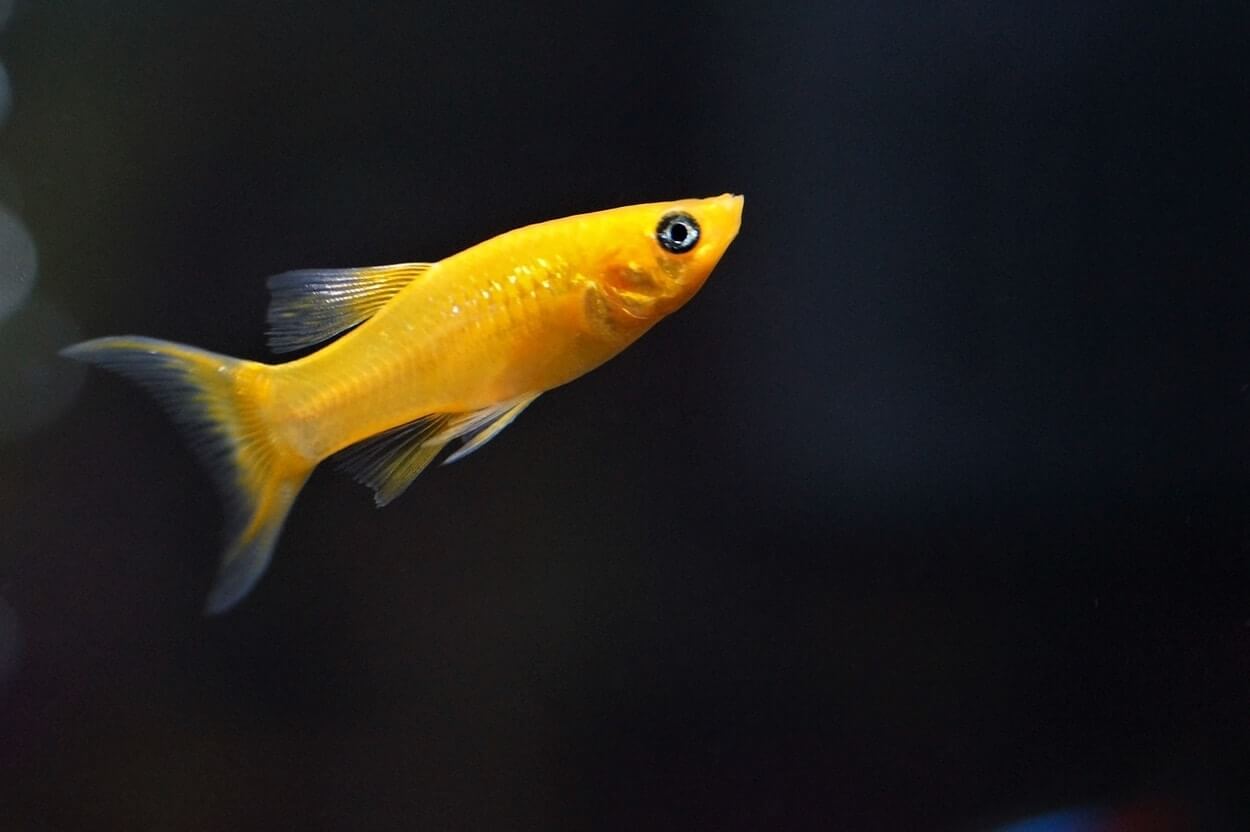
Molly Fry fish have a rounded body with a flat belly. Their size ranges from 3 to 4 inches. Colors vary from silver to black and orange shades.
- Body shape: short and rounded
- Fin types: fan-shaped dorsal and caudal fins
- Common colors: silver, black, orange, and spotted patterns
Habitat And Behavior
Molly Fry fish live in slow-moving freshwater rivers and ponds. They prefer warm water with temperatures between 72 and 78°F. These fish like to swim in groups.
| Feature | Description |
| Water type | Freshwater |
| Temperature range | 72-78°F (22-26°C) |
| Behavior | Peaceful, social |
| Diet | Omnivore |
Diet And Feeding
Molly Fry eat both plants and small insects. They need a balanced diet to stay healthy. In an aquarium, they accept flakes, pellets, and live food.
- Algae and plant matter
- Small insects and larvae
- Flake or pellet food in tanks
- Occasional live or frozen foods
Credit: www.aquariumsource.com
Distinctive Physical Traits
Molly fry fish have unique physical features that help identify them easily. These traits include their body shape, color patterns, and fins. Knowing these details can help you spot them in any aquarium or natural setting.
Below are some key points about their body size, colors, and fin shapes. Each section explains what to look for when identifying molly fry.
Body Shape And Size
Molly fry are small and slender. They usually grow up to 1 inch long in their early days. Their body is slim with a slightly rounded belly. The shape helps them swim quickly and hide from predators.
Color Patterns
- Molly fry often have a light gray or silver base color.
- Some have small black spots or stripes along their sides.
- Young fry may show a faint iridescent shine under light.
- Colors become more vivid as they grow older.
Fin Features
| Fin Type | Description |
|---|---|
| Dorsal Fin | Tall and pointed, often transparent with light edges |
| Caudal Fin | Fan-shaped, slightly forked, helps with fast movement |
| Anal Fin | Small and rounded, usually clear or lightly colored |
Behavioral Clues
Molly fry are small fish with unique behaviors. Watching how they act helps identify them.
Understanding their behavior makes it easier to spot molly fry in tanks or ponds.
Swimming Habits
Molly fry swim in groups close to the water surface. They often dart quickly to avoid danger.
They swim in short bursts and rest in calm spots between movements.
- Stay near plants or floating objects
- Swim in small groups or schools
- Make quick, jerky movements
- Rest quietly after swimming fast
Social Interactions
Molly fry show social behavior by staying close to each other. They rarely swim alone.
They react to other fish by hiding or joining groups for safety.
- Form tight groups with other fry
- Hide when larger fish approach
- Follow adult mollies for protection
- Use plants as shelter during rest

Credit: www.youtube.com
Common Molly Variants
Molly fish are popular in home aquariums. They come in many colors and shapes. Knowing their types helps in care and identification.
This guide covers three common Molly types. Each has unique looks and traits. Let’s explore Black Molly, Dalmatian Molly, and Sailfin Molly.
Black Molly
Black Molly is a solid black fish. It has a shiny, smooth body. It is easy to spot in any tank.
These fish are peaceful and active swimmers. They adapt well to different water conditions. Black Mollies are a favorite for beginners.
Dalmatian Molly
Dalmatian Molly has a light body with black spots. The spots vary in size and place. It looks like a Dalmatian dog.
This Molly is playful and social. It likes to swim in groups. Dalmatian Mollies add a fun pattern to any aquarium.
Sailfin Molly
Sailfin Molly has a large, tall dorsal fin. The fin looks like a sail. It can be black, spotted, or plain in color.
This type is bigger than other Mollies. Males show the sailfin more than females. They need a spacious tank to swim freely.
Habitat Preferences
Molly fry need specific conditions to grow healthy. Their habitat affects their survival and growth rate.
Understanding their habitat helps you create the right environment for them.
Freshwater Conditions
Molly fry thrive in clean freshwater with stable parameters. They prefer warm water between 75 and 82°F (24-28°C).
- pH level between 7.0 and 8.5
- Soft to moderately hard water
- Low nitrate and ammonia levels
- Regular water changes to keep water fresh
Aquarium Settings
Tank setup affects molly fry comfort and safety. Provide hiding spots and gentle water flow.
| Feature | Recommended |
| Tank Size | 20 gallons or larger |
| Plants | Live plants like java moss and hornwort |
| Water Flow | Low to moderate |
| Lighting | Moderate, 8-10 hours daily |
Mistaken Species
Molly fish are popular among aquarium enthusiasts. They are often confused with other livebearers. Identifying them correctly ensures proper care and habitat.
In this guide, we explore similar species. Learn key differences to identify molly fish accurately.
Similar Livebearers
Several fish resemble the molly. These include guppies, platies, and swordtails. Understanding the similarities helps in distinguishing them.
- Guppies: Smaller in size, vibrant tails.
- Platies: Rounded bodies, varied colors.
- Swordtails: Long tail extensions in males.
Key Differences
Each species has unique traits. Identifying these helps in proper recognition.
| Species | Size | Color |
| Molly | 3-5 inches | Black, silver, orange |
| Guppy | 1-2 inches | Vivid, multicolored |
| Platy | 2-3 inches | Red, blue, gold |
| Swordtail | 4-6 inches | Green, red, yellow |
Expert Identification Tips
Molly fry identification can be tricky without the right techniques. Understanding these tips can help you recognize molly fry easily.
These methods help fish enthusiasts and aquarists ensure they care for the young mollies correctly.
Visual Inspection Techniques
Look for small, slender bodies with translucent scales. Molly fry have similar body shapes to adult mollies, just much smaller.
Check for tiny fins and watch their swimming patterns. Young mollies move quickly, often in bursts.
- Spot small dots for eyes
- Observe clear, shiny scales
- Notice their rapid swimming
Use Of Magnification
A magnifying glass helps see the details better. This tool reveals the intricate patterns on their tiny bodies.
Using magnification can also help identify any health issues early. Look closely for any unusual spots or color changes.
- Examine for vibrant colors
- Identify any fin damage
- Detect early signs of illness
Photographic Documentation
Taking photos of molly fry helps track their growth. Photos can highlight changes over time and aid in comparison.
Clear images are useful for sharing with other enthusiasts. It allows for better advice and identification from peers.
| Day 1 | Newly hatched fry |
| Day 7 | Visible fin development |

Credit: www.aquariumsource.com
Frequently Asked Questions
What Are The Key Features To Identify Molly Fry?
Molly Fry has a slender body with a forked tail. Its color is usually silver or gray. Look for a distinctive dark lateral line along its body. The mouth is small and slightly upturned. These features help distinguish it from similar fish.
How To Differentiate Molly Fry From Other Fry Fish?
Molly Fry is smaller and has a more slender shape than other fry. Its forked tail and lateral line are unique identifiers. It also exhibits a distinct silver or gray color. Observing these traits closely helps avoid confusion with other fry species.
What Habitat Does Molly Fry Prefer For Identification?
Molly Fry thrives in freshwater habitats like ponds, streams, and slow rivers. Clear water with vegetation is ideal for spotting them. Knowing their habitat helps in locating and identifying Molly Fry efficiently during field observations.
When Is The Best Time To Spot Molly Fry?
Molly Fry is most visible during warmer months, especially spring and summer. They are active near the water surface during this time. Observing during daylight hours increases chances of accurate identification. Seasonal timing plays a key role in finding Molly Fry.
Conclusion
Identifying Molly fry becomes easier with these simple tips. Notice their small size and colorful patterns. Observe their active swimming and schooling behavior. Check their body shape and fin size carefully. Use these signs to tell Molly fry apart. Practice spotting them often to improve your skill.
Enjoy watching these lively little fish grow strong. Remember, patience helps in recognizing their features well. Keep your tank clean for their healthy development. Molly fry bring joy to any fish tank. Happy fish keeping!